- English
- French
- German
- Portuguese
- Spanish
- Russian
- Japanese
- Korean
- Arabic
- Greek
- German
- Turkish
- Italian
- Danish
- Romanian
- Indonesian
- Czech
- Afrikaans
- Swedish
- Polish
- Basque
- Catalan
- Esperanto
- Hindi
- Lao
- Albanian
- Amharic
- Armenian
- Azerbaijani
- Belarusian
- Bengali
- Bosnian
- Bulgarian
- Cebuano
- Chichewa
- Corsican
- Croatian
- Dutch
- Estonian
- Filipino
- Finnish
- Frisian
- Galician
- Georgian
- Gujarati
- Haitian
- Hausa
- Hawaiian
- Hebrew
- Hmong
- Hungarian
- Icelandic
- Igbo
- Javanese
- Kannada
- Kazakh
- Khmer
- Kurdish
- Kyrgyz
- Latin
- Latvian
- Lithuanian
- Luxembou..
- Macedonian
- Malagasy
- Malay
- Malayalam
- Maltese
- Maori
- Marathi
- Mongolian
- Burmese
- Nepali
- Norwegian
- Pashto
- Persian
- Punjabi
- Serbian
- Sesotho
- Sinhala
- Slovak
- Slovenian
- Somali
- Samoan
- Scots Gaelic
- Shona
- Sindhi
- Sundanese
- Swahili
- Tajik
- Tamil
- Telugu
- Thai
- Ukrainian
- Urdu
- Uzbek
- Vietnamese
- Welsh
- Xhosa
- Yiddish
- Yoruba
- Zulu
Why Choose 4x4 Off-Road Golf Carts for Tough Terrain?
You can't do your job without a 4x4 Off-Road Golf Cart when you need more than just smooth paths and flat areas. These special vehicles are made with strong engineering and smart design so they can handle rough terrain, high hills, muddy trails, and rocky roads that regular carts would not be able to handle. When you buy 4x4 Off-Road Golf Carts as a B2B procurement manager, you give your workers a safe way to get around on building sites, resort properties, farms, or industrial facilities, no matter what the weather is like. At Shandong Meeko New Energy Tech Inc, we've seen how the right 4x4 Off-Road Golf Cart can make a wide range of businesses around the world more efficient.
Understanding 4x4 Off-Road Golf Carts and Their Advantages
What Defines a True Off-Road Capable Cart
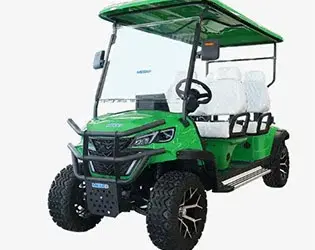
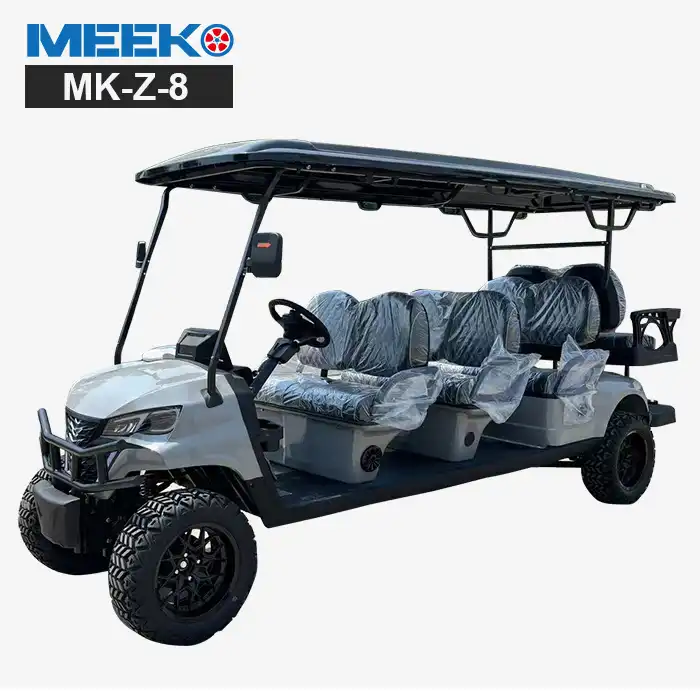
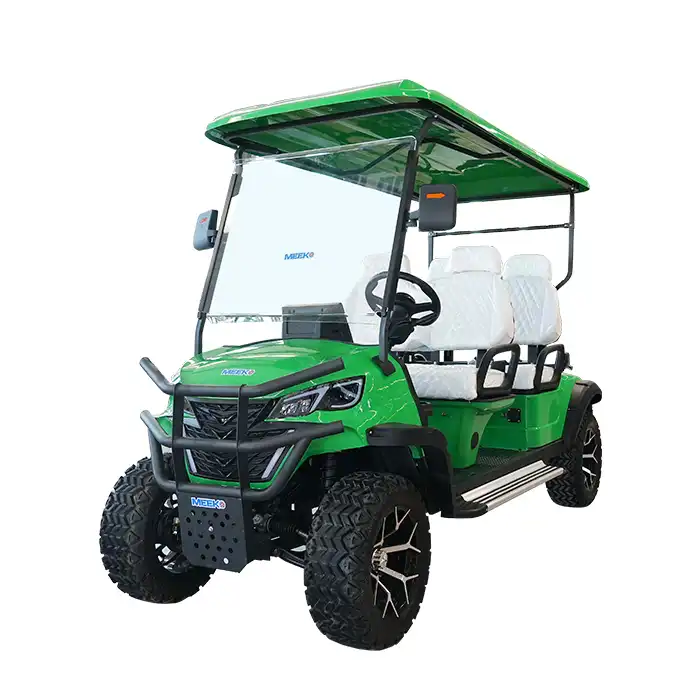
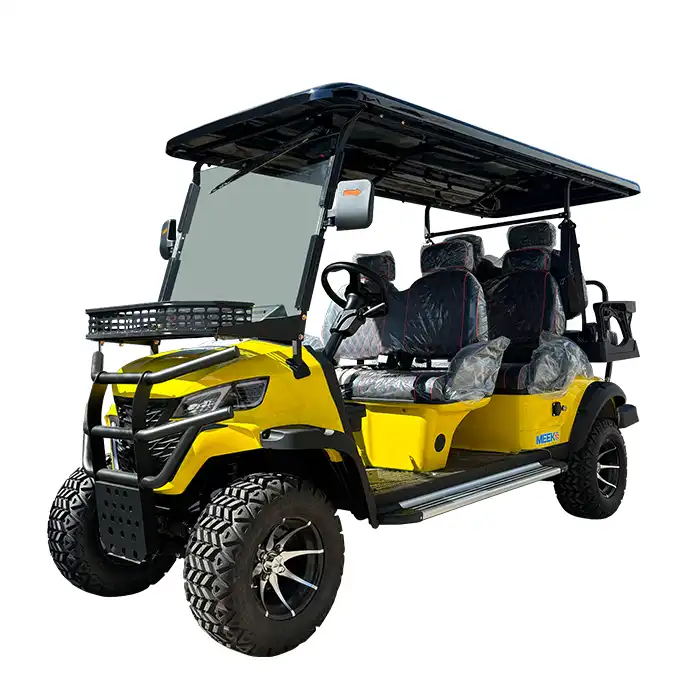
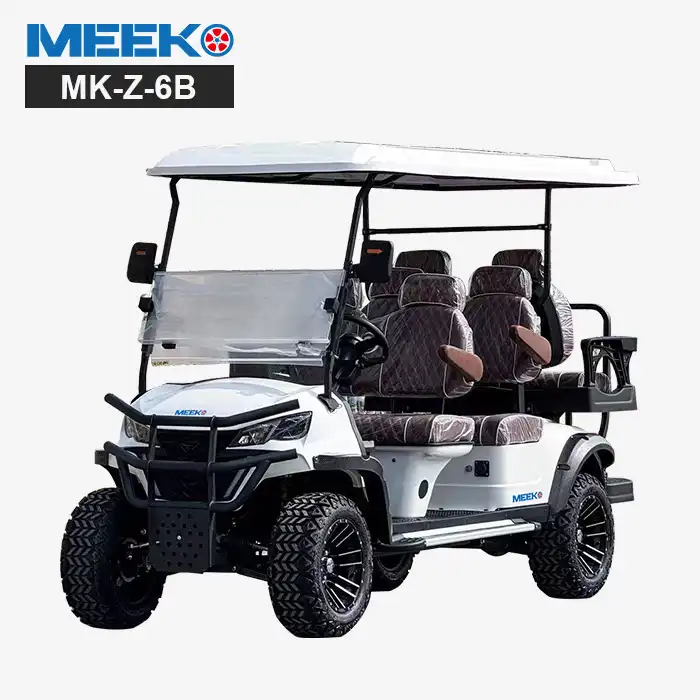
The main difference is in the design of the engine. 4x4 Off-Road Golf Cart systems send power to all four wheels at the same time. This gives the vehicle better grip on areas like loose dirt, wet grass, and sand. When going through building zones with lots of garbage and uneven ground, this mechanical edge becomes very important. Meeko's cars have advanced engine technology and a reinforced frame that can carry items that are much heavier than what a normal cart can hold. Aside from the engine, real 4x4 Off-Road Golf Carts have higher ground clearance. Standard models usually give you between 4 and 6 inches, but special terrain cars give you 8 to 12 inches or more. This difference affects whether you can drive through ruts, shallow water, or forest paths covered in roots without damaging your vehicle. Our models have a McPherson independent suspension system that cushions shocks from rough surfaces. This keeps the vehicle stable and keeps people and goods safe.
Industry Applications Driving Demand
Agricultural businesses use these cars to keep an eye on large sites that can't be reached by paved roads. Managers of vineyards move tools and harvested materials up and down hillsides that regular cars can't safely go. In the same way, resort owners rely on 4x4 Off-Road Golf Carts to service rural cabins, keep trails in good shape, and move guests through the beautiful natural areas that make their property appealing. Industrial areas, like mines, oil fields, and big manufacturing centers, need reliable transportation on access roads that aren't paved. When broken equipment costs thousands of dollars an hour in lost production time, the dependability of your utility fleet goes from being just a transportation issue to a strategic business issue.
Key Features and Types of 4x4 Off-Road Golf Carts
Essential Technical Specifications
Procurement teams can make better choices for 4x4 Off-Road Golf Carts when they understand the engineering behind performance skills. Motor power is directly related to how high you can climb and how much weight you can carry. Our electric motors have power outputs between 3.5kW and 7.5kW and can climb grades of 35–45%, which is more than enough for most tough industrial tasks. The Famous Brand DPD motors we recommend have steady power even when the load changes. This means that the motors will always work as expected, whether they are moving people or things. The choice of battery affects both the working range and the total cost of ownership. Lithium-ion choices (48V–72V systems) have a longer range (up to 150 kilometers), are lighter, and last longer than standard lead-acid options. Lithium batteries can also handle more discharge cycles without breaking down, which makes them perfect for jobs that need to be used all day without being charged in the middle of the day. Lead-acid batteries are still a good choice for businesses that need to go on shorter routes and already have a charging system in place. You should give suspension engineering a lot of thought. The McPherson independent suspension lets each wheel move on its own, keeping the tires in contact with uneven ground and protecting the passengers from hard hits. This design keeps operators from getting tired after long hours of use and keeps fragile goods safe while it's being moved.
Customization Options for Specialized Needs
Different businesses have different working needs, so a lot of customization options are needed. At Meeko, our wide range of manufacturing molds lets us offer individualized design services that take into account individual style preferences, color branding needs, and changes to how things work. Wheel designs can fit tires with tread patterns that are best for mud, sand, snow, or mixed situations. Tire sizes range from 10 to 14 inches. The seating can be changed from a standard two-person layout to a cargo bed or more seats for carrying people. The PP plastic body design makes it strong against hits while still being light and efficient. Our Glasurit paint method, which includes phosphating, electrophoresis, and powder coating, makes sure that the paint won't rust, which is important for working near the coast or in chemical processing plants. Safety improvements go beyond building engineering. All LED lighting systems make things easier to see at dawn, dusk, and night, and they use very little battery power. The electrophoresis-treated welding steel plate flooring can handle big loads and rough conditions. The non-slip rubber floor mats keep people from slipping when it's wet or when moving liquids.
Comparing 4x4 Off-Road Golf Carts with Standard Golf Carts
Performance Differential in Challenging Conditions
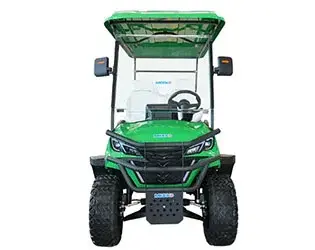
Standard two-wheel-drive carts work great on their intended surfaces, like well-kept golf courses, paths in senior communities, or warehouse floors. But when you add a 20-degree slope with loose dirt, the difference in speed is clear right away. When weight changes during rising, two-wheel-drive systems lose their grip, so people often have to get off and walk up steep parts.4x4 Off-Road Golf Cart systems keep moving by sending power to the wheels that have grip. When the front wheels hit something slippery, the back wheels take over to make up for it. This skill is very important in places like farms after it rains, building sites with mud holes, or resorts with dirt mountain access roads. Differences in ground clearance have a direct effect on how well a process can work. Normal golf carts with a 5-inch clearance will flip over on mild path obstacles like exposed roots, rocks, or drainage channels. This could hurt the batteries, motors, or frame parts. Vehicles made for rough terrain have enough space to safely go over barriers. This lowers the cost of repairs and prevents unplanned downtime.
Total Cost Analysis Beyond Initial Investment
Procurement teams that are trying to stick to a budget, such as a 4x4 Off-Road Golf Cart, may only look at the buy price and not consider the cost over the whole life of the product. Investing more in 4x4 Off-Road Golf Carts that can do more often pays off in the long run through lower upkeep costs, longer operating lifespans, and higher output. When employees have cars that are right for the job, they can get things done faster, better, and with less stress. Besides the cost of electricity, electric models have almost no continuing fuel costs because they don't need oil changes, spark plug repairs, or upkeep on the exhaust system like gas engines do. Changing the batteries is the most important long-term cost factor. Even though they cost more up front, lithium-ion batteries usually last 2,000 to 5,000 charge cycles, while lead-acid batteries only last 500 to 1,000. This means that lithium-ion batteries are much cheaper per mile for energy storage.
Purchasing Guide: How to Choose the Best 4x4 Off-Road Golf Cart for Business Needs
Defining Your Operational Requirements
The first step in strategic buying is to honestly evaluate how the goods will actually be used. Write down the highest hills your cars have to go up, the average weight of the loads they carry, the distance they have to travel each day, and any environmental factors that affect their performance, such as extreme temperatures, dust levels, or water exposure. This information lets you match car specs exactly to operational needs, instead of guessing or depending on the seller's broad statements. Think about the effects on fleet size. Standardization is helpful for businesses that need more than one car. Sticking to a single model or manufacturer makes it easier to keep track of parts, streamlines training for repair workers, and could even lead to better pricing when buying in bulk. But different working needs might call for a mixed fleet model, in which different types of vehicles are used to meet different needs.
Evaluating Manufacturers and Supply Partners
The choice of a supplier goes beyond the quality of the product to include the system for help. Reputable companies like Meeko keep large stocks of parts so that they can be quickly replaced when parts need to be fixed. As part of our promise, we will ship warranty-covered parts quickly so that operations are interrupted as little as possible. Responding to after-sales help is especially important in emergency scenarios where vehicle downtime has a direct effect on business operations. When adaptation is needed, the power to make something is important. Our experienced research and development (R&D) team works with clients to come up with custom solutions that meet their specific needs. This could mean making special storage beds, changing electrical systems so that equipment can be integrated, or customizing the look to match the company's name. Direct relationships with factories cut out markups by middlemen, which lowers prices while keeping quality standards that are approved by ISO 9001:2015, CE, and ROHS.
Maintaining and Maximizing Performance of Your 4x4 Off-Road Golf Cart
Proactive Maintenance Protocols
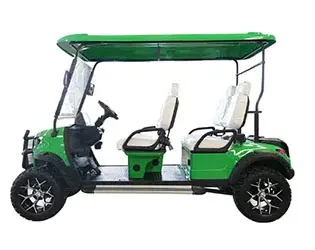
Regular repair makes vehicles last longer and keeps them from breaking down during important activities, which can cost a lot of money. For electric types, taking care of the batteries is the most important part of upkeep. Lithium-ion systems don't need much maintenance other than making sure the links stay clean and safe, and that battery management systems keep track of the number of charge cycles. For maximum life, lead-acid batteries need to have their water levels checked, their terminals cleaned, and their equalize charges done on a frequent basis. When used off-road, suspension parts are put under a lot of stress. Checking shock absorbers, bushings, and fastening parts for wear on a regular basis finds problems before they happen. The McPherson suspension system in our cars makes them easy to fix, and new parts are easy to find through our parts network. Notable noises, changes in handling, or fluid leaks that can be seen are all signs that a check is needed right away.
Operator Training and Safety Considerations
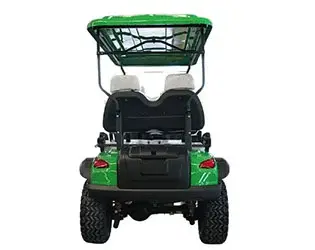
Safety and grip are directly affected by the state of the tires. Once a month, check the tread level on a 4x4 Off-Road Golf Cart and rotate the tires to make sure they wear evenly. Off-road use speeds up wear compared to driving on a fixed area, especially when going over rough terrain. Tire performance and life are both improved by keeping the right inflation pressures, which are changed for load and conditions. Technical skill doesn't mean much if the workers aren't taught. Comprehensive training programs should teach people how to evaluate terrain, load properly, and know what to do in an emergency. To keep events from going beyond what was planned, operators need to know what the vehicle's limits are, such as its highest grade angles, water crossing depths, and load capacities. Using safety gear that is right for the job site improves security. Roll cages, seatbelts, and safety screens keep people from getting hurt in sudden accidents. The Famous Brand Enpower soft start controller in our cars allows for smooth acceleration, which lowers the number of sudden moves that could throw off loads or make people uneasy on rough terrain.
Conclusion
To choose the right 4x4 Off-Road Golf Cart, you have to weigh short-term budget concerns against long-term working requirements. When it comes to efficiency, safety, and dependability, 4x4 Off-Road Golf Carts that are made for rough terrain are a big plus in all fields, from farming to manufacturing. When procurement managers know about technical specs like motor power, battery technology, suspension design, and customization choices, they can perfectly match the capabilities of vehicles to the needs of their operations. Working with makers that offer full support, quick access to parts, and proven quality standards will protect your investment and make sure the car keeps running well for as long as it's used.
FAQ
1. What terrain types justify four-wheel-drive investment over standard models?
When operations regularly face slopes greater than 15 degrees, loose surfaces like sand or gravel, wet conditions after rain, or paths with big obstacles like rocks and roots, 4x4 Off-Road Golf Cart capability becomes necessary. If your routes go through areas with water crossings, unimproved roads, or places where two-wheel-drive cars used to lose their grip, moving to units that can handle all terrains will get rid of these problems.
2. How does climbing ability between 35-45% translate to practical terrain?
If you look at it in real life, a 35% grade is about the same as a 19-degree slope, and a 45% grade is about 24 degrees. Most paved mountain roads don't go above 15%, so cars with a 35–45% climbing rating can handle almost any natural terrain that comes up in business, like steep vineyard hillsides, forest access trails, and building site ramps.
3. What maintenance differences exist between lithium-ion and lead-acid battery systems?
Lithium-ion batteries don't need much care other than keeping the connections clean and using built-in control systems to keep an eye on the charge cycles. Regular checks of the water level, cleaning of the terminals, enough airflow, and balanced charging are all things that lead-acid batteries need. Lithium choices can handle greater discharge without damage and charge faster, but they cost more at first than lead-acid options.
Partner with MEEK for Superior Off-Road Golf Cart Solutions
Meeko has 4x4 Off-Road Golf Carts that are carefully built to work in tough conditions and are ready to meet your operational needs. We've been making 4x4 Off-Road Golf Carts since 2015, and wholesalers, procurement managers, 4x4 Off-Road Golf Carts, and facility workers all over the United States rely on our advanced production skills and quick customer service. Our low prices cut out the middleman, which saves you money without lowering the quality standards that are backed by ISO 9001:2015 and CE certifications. Look into the customization choices that meet your needs, such as battery configurations, seating arrangements, and color schemes that match your company's name. Email our team at sales@mingkomach.com to talk about your fleet's needs, get full specs, or set up a meeting with one of our expert advisors. Let us show you how investing in the right tools can make your difficult terrain use more efficient.
References
1. Thompson, R.J. "Industrial Utility Vehicle Selection: Engineering Considerations for Off-Road Applications." Journal of Fleet Management Technology, 2021.
2. Martinez, L. & Chen, W. "Comparative Analysis of Electric Drivetrain Systems in All-Terrain Utility Vehicles." International Conference on Sustainable Transportation Engineering, 2022.
3. Anderson, K.P. "Total Cost of Ownership Models for Commercial Electric Vehicle Fleets." Business Transportation Quarterly, 2023.
4. Williams, D.S. "Lithium-Ion versus Lead-Acid: Battery Technology Selection for Industrial Electric Vehicles." Energy Storage Systems Review, 2022.
5. Foster, J.M. "Terrain Classification and Vehicle Capability Matching for Procurement Decision-Making." Procurement Management Journal, 2023.
6. Reynolds, A.T. "Maintenance Protocol Development for Off-Road Electric Utility Vehicles in Harsh Environments." Maintenance Engineering Handbook, 2021.
Learn about our latest products and discounts through SMS or email