- English
- French
- German
- Portuguese
- Spanish
- Russian
- Japanese
- Korean
- Arabic
- Greek
- German
- Turkish
- Italian
- Danish
- Romanian
- Indonesian
- Czech
- Afrikaans
- Swedish
- Polish
- Basque
- Catalan
- Esperanto
- Hindi
- Lao
- Albanian
- Amharic
- Armenian
- Azerbaijani
- Belarusian
- Bengali
- Bosnian
- Bulgarian
- Cebuano
- Chichewa
- Corsican
- Croatian
- Dutch
- Estonian
- Filipino
- Finnish
- Frisian
- Galician
- Georgian
- Gujarati
- Haitian
- Hausa
- Hawaiian
- Hebrew
- Hmong
- Hungarian
- Icelandic
- Igbo
- Javanese
- Kannada
- Kazakh
- Khmer
- Kurdish
- Kyrgyz
- Latin
- Latvian
- Lithuanian
- Luxembou..
- Macedonian
- Malagasy
- Malay
- Malayalam
- Maltese
- Maori
- Marathi
- Mongolian
- Burmese
- Nepali
- Norwegian
- Pashto
- Persian
- Punjabi
- Serbian
- Sesotho
- Sinhala
- Slovak
- Slovenian
- Somali
- Samoan
- Scots Gaelic
- Shona
- Sindhi
- Sundanese
- Swahili
- Tajik
- Tamil
- Telugu
- Thai
- Ukrainian
- Urdu
- Uzbek
- Vietnamese
- Welsh
- Xhosa
- Yiddish
- Yoruba
- Zulu
How Do Six-Seater Golf Carts Compare to Four-Seaters?
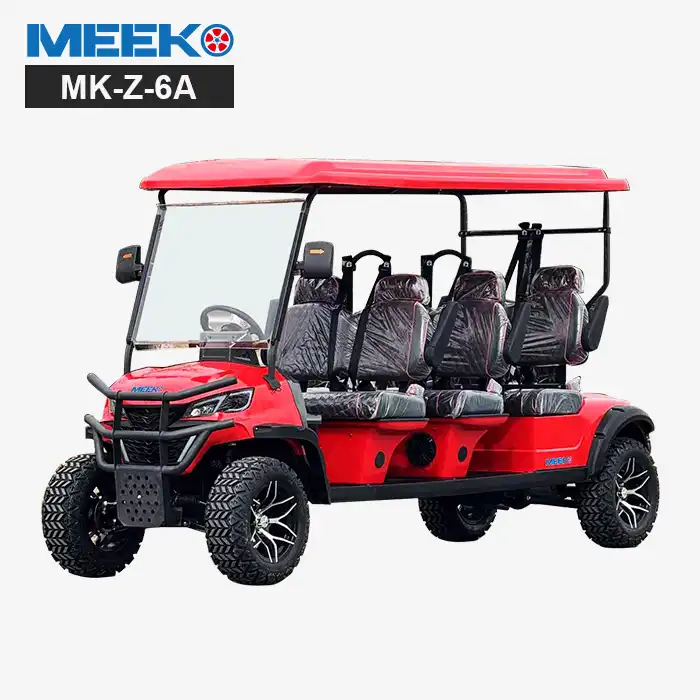
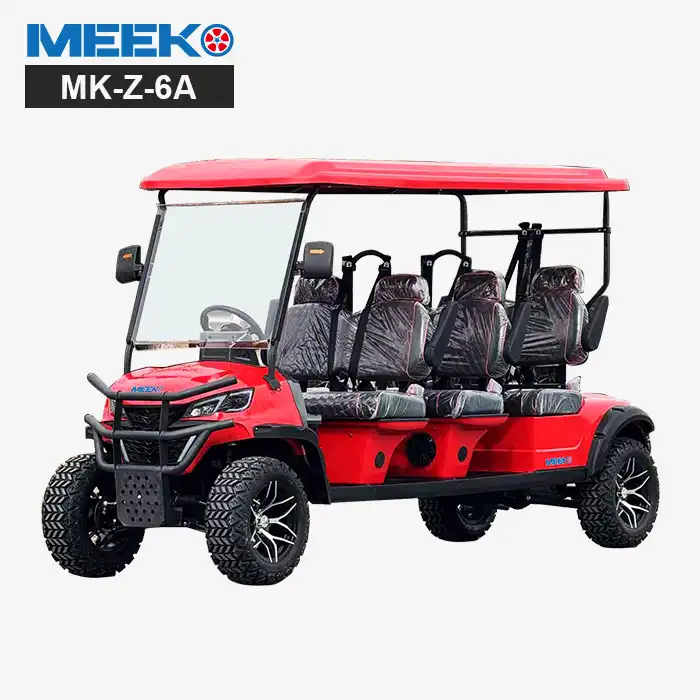
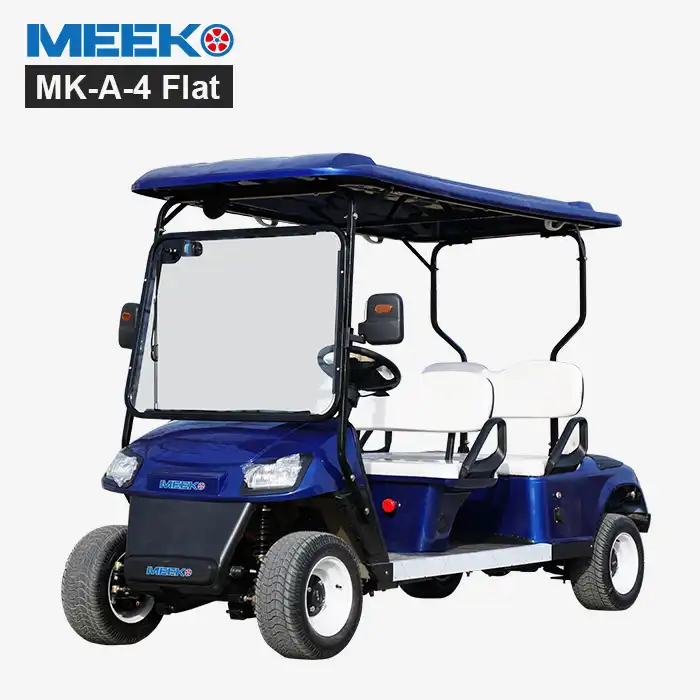
Procurement teams need to know the differences between Six-Seater Golf Carts and four-seater golf carts when they are looking at group transportation choices. There are Six-Seater Golf Carts, which means they can carry more people. This changes how spas, golf courses, and factories run their operations. These bigger models can fit more people on each trip, which cuts down on the number of cars needed and makes it easier to move groups. The extra seats don't just make more room; they also change how businesses think about mobility options. Four-seater models are better at tight turns and maneuvering on small courses, but six-seater models are more efficient when moving big groups around schools, theme parks, or large properties where carrying a lot of people is more important than tight turns.
Understanding the Basics: Six-Seater vs Four-Seater Golf Carts
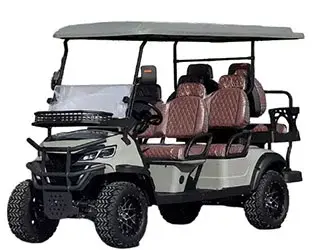
Seating Capacity and Design Architecture
The most obvious difference is how the passengers are housed. Models with four seats are usually about 2,400 mm long, while Six-Seater Golf Carts are about 3,700 mm long. This growth in size changes more than just the space. At Meeko, our six-passenger electric cars have carefully placed seats that keep people comfortable without weakening the structure. The McPherson independent suspension system smooths out changes in the road surface so that people in the back seats have the same smooth ride as those in the front. Design factors include more than just adding benches. When there are six seats, the frame needs to be stronger so it can hold more weight. We use Glasurit paint systems that are treated with phosphating, electrophoresis, and powder finishing during the production process. This makes frames that can handle the heavy use that is common in high-traffic areas. The PP plastic body design strikes a good mix between durability and weight control, which keeps the 3.5-7.5kW AC motors from being overworked.
Battery Systems and Range Capabilities
Energy storage has a direct effect on how feasible it is to run a business. Our six-seater models have 48V–72V battery packs with 100–200Ah capacities, which can give them a range of up to 150 km in ideal circumstances. The well-known Enpower soft start controller handles power transfer well, keeping performance stable while extending battery life. Options for lithium batteries are lighter than lead-acid batteries by about 60%, but the starting cost is higher by the same amount. For 80–100 km ranges, four-seater cars usually need smaller 48V batteries with 75–100Ah ratings. Less power use means lower energy costs per kilometer, but this benefit isn't as big when you look at the economy per person. When operators move six people in one trip, they use less energy overall than when they move the same group of four people on two trips.
Performance and Operational Efficiency Comparison
Powertrain Technology and Energy Consumption
Modern fleet purchases mostly use electric powertrains because of rules about being environmentally friendly and the lower costs of running them. With climbing skills between 35 and 45%, our 3.5-7.5kW DPD motors can handle slopes that are hard for standard fuel-powered options. The single-stage rack and pinion steering system with automatic rocker adjusting function keeps the Six-Seater Golf Carts stable in its direction, even when it's going uphill with a lot of people on board. Patterns of energy use are very different between types. Six-Seater Golf Carts use about 12 to 15 kWh per 100 km of mixed-use roads, while electric cars with four seats use about 8 to 10 kWh per 100 km. The cost of energy per person, on the other hand, favors bigger models when they are at or near full capacity. Six-seater usage makes organizations with regular routes, like airport shuttles, vacation transfers, and campus transit, much more efficient.
Environmental Impact and Sustainability Metrics
Sustainability goals set by companies are having a bigger impact on purchasing choices. Zero-emission electric cars don't release any direct carbon into the air. This makes them attractive to businesses that want to get LEED certifications or make carbon-neutral commitments. These gains are amplified by six-passenger cars, which reduce the number of vehicles needed—one six-seater replaces 1.5 four-seat units in terms of passenger miles. Getting rid of and reusing batteries are environmental issues that are often forgotten when the batteries are first bought. Lead-acid batteries need to be recycled in a certain way, but there is equipment all over North America to do so. Lithium-ion batteries last longer (1,500–2,000 charge cycles vs. 800-1,000 for lead-acid), but there aren't as many ways to get rid of them in rural areas.
Cost Considerations and ROI for B2B Buyers
Initial Investment and Pricing Structures
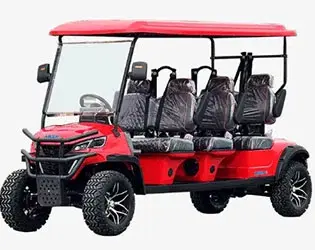
The price difference between types with four and six seats is usually between $2,500 and $4,000. This depends on how the car is customized. Our factory-direct plan gets rid of markups for middlemen, so we can offer reasonable prices without sacrificing quality. A standard electric car with four seats costs between $6,500 and $8,000. A similar Six-Seater Golf Cart costs between $9,000 and $12,000.Customization costs add up quickly when businesses give specific instructions. Base prices can go up by 15 to 25 percent if you want to match colors, get better music systems, better seats, or make specific arrangements for goods. We have many different types of molds for making, which lets us offer custom design services and make sure that your fleet matches your brand's image without charging too much extra. Options for financing affect how budgets are allocated. Costs are spread out over 36 to 60 months with leasing, which saves money that can be used for other business needs. For businesses with stable transportation needs and regular use patterns, buying something outright is the best long-term option.
Total Cost of Ownership Analysis
When you do a TCO estimate, you can see the full financial picture, not just the prices. Assuming $0.12/kWh power rates, the average cost of energy for an electric six-seater is $0.03 to $0.05 per kilometer. A four-seater costs between $0.02 and $0.04 per kilometer. A six-seater car that drives 50 km every day uses about $550 to $900 in energy each year, while a four-seater uses about $365 to $730.Similar trends can be seen in maintenance costs. Routine upkeep for six-passenger cars costs between $600 and $900 a year and includes checking the electrical system, replacing tires, and maintaining the battery. Four-seaters cost around $400 to $650 on average. When you figure out the prices per passenger mile, the difference gets smaller, especially for companies that are used a lot. The biggest part of the secret cost is depreciation. Electric golf carts usually keep between 40 and 50 percent of their original value after five years of average use. Six-seater types from well-known manufacturers that have been well taken care of tend to sell for more on secondhand markets. Our ISO 9001:2015 certification and CE compliance raise leftover values by letting buyers know that we follow quality standards.
Safety, Comfort, and User Experience Factors
Regulatory Compliance and Safety Features
Different places have very different safety standards, which affect the requirements for purchases. Our Six-Seater Golf Carts meet the CE approval standards for European countries and the ROHS environmental compliance standards. All LED lighting systems make it possible to see during activities in low light, and speed controls keep the top speed between 40 and 50 km/h, which is the same as most facility speed limits. Putting on a seatbelt is now normal on all of our products, which addresses liability issues that are common in hotel and hospital settings. The strengthened roll cage design, which is built into our extended frame, gives passengers more safety in the rare event of a rollover. Insurance companies often lower premiums for groups that have a lot of safety features, which helps to cover the higher starting costs. Accident rates and car life are greatly affected by driver training programs. We suggest that operators get organized certification that covers things like how to steer, how to load passengers, how to judge terrain, and what to do in an emergency. Facilities that use informal teaching methods report 40–60% more accidents than those that use formal training methods.
Ergonomic Design and Passenger Comfort
Comfort concerns go beyond just having padded seats. The six-passenger models we make use of ergonomic design concepts that keep people from getting tired during long travel operations. The single-stage rack and pinion turning doesn't need much input force, so operators don't get tired after long turns. The dashboard instruments make it easy for the driver to see the speed, energy level, and system information without getting in the way. In hospitality settings, passenger comfort has a big effect on customer happiness ratings. The McPherson independent suspension system keeps people from being too uncomfortable when driving on uneven roads by reducing jarring. Climate is another important factor to think about. Designs that are open to the air work best in mild climates, while protected designs that protect against the weather work better in areas with changing weather. Accessibility features determine how well a product can be used by a wide range of people. The height of the steps, where the handrails are placed, and how the seats are set up can all affect older customers and people who have trouble moving around. Our editing options let you make changes that are in line with ADA guidelines. This lets you reach a wider range of possible users and shows that your company is committed to inclusive design.
Choosing the Right Six-Seater Golf Cart for Your Business Needs
Industry-Specific Application Requirements
Different industries need vehicles with different features. Golf fields usually choose Six-Seater Golf Carts over four-seater types for individual group transportation so that play can go at a faster pace without any delays. But Six-Seater Golf Carts are often used for guard teams, media staff, and official competition transportation. Six-seater efficiency is very helpful in resorts and other leisure places. Higher-capacity cars are more cost-effective for transporting guests from parking lots to the front desk, running restaurant shuttles, and giving walking tours of the property. The number of visitors to theme parks and entertainment centers is the most important factor, and our models help them run more efficiently. Industrial sites have special needs because they face special problems. Along with seats for people, maintenance teams need space for goods. Our utility-focused six-seater models can hold people and still have space for tools, equipment racks, and moving things around. When transportation is consolidated into fewer, larger cars, manufacturing sites that cover more than 50 acres save a lot of time.
Terrain Adaptability and Performance Specifications
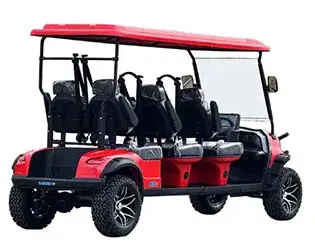
Surface conditions are just as important as passenger needs when choosing a car. Our selection of 10–14-inch all-terrain tires can be used on paved paths, dirt roads, and well-kept grass. The 35–45% climbing ability works for most business property terrain, but sites with big changes in elevation may need special gearing modifications. Different tasks need different amounts of speed. Campuses with a lot of foot traffic benefit from speed limits of around 25 km/h. On the other hand, 40–50 km/h activities are safe on industrial sites with specific vehicle paths. Our adjustable speed governors let you make changes that fit the needs of your building and your risk management rules.
Procurement Channels and After-Sales Support
When you buy from approved makers, you get warranty support and quality security that you can't get from secondary distributors. Our factory-direct plan offers reasonable prices while keeping a full support system in place. Fast arrival times—usually one week from the confirmation of the order—keep the buying cycle running smoothly. Support after the sale is what sets top sellers apart from commodity vendors. We keep a large stock of parts for the most common setups and can quickly ship warranty parts when needed. Accessibility to technical support is also important—our expert team helps with fixing, planning maintenance, and improving operations. Customization features let you set your ship apart and improve operations. Our wide range of manufacturing molds allows us to offer custom design services that include choosing colors, arranging seats, arranging goods, and adding special equipment. When businesses need branded cars or have specific functional needs, responsive partnerships are better than general catalog choices.
Conclusion
When choosing between Six-Seater Golf Carts and four-seater golf carts, you have to weigh the need for space against the need for agility, the cost of operation, and the needs of the specific application. Six-passenger types are more efficient for high-volume transportation situations because they reduce the size of the fleet and the complexity of operations. For businesses with regular usage trends, the initial investment premium usually pays for itself within 18 to 24 months. Four-seater versions still have benefits in small spaces and lower entry costs, making them good for traditional golf courses and other places with low transportation needs. In the end, choices about what to buy should be based on a full operational analysis that takes into account things like the number of passengers, the terrain, the budget, and long-term strategy goals, rather than just looking at upfront prices.
FAQ
1. What are the main advantages of six-seater golf carts over four-seaters?
Six-Seater Golf Carts lower operating costs by carrying more people on each trip, which means that a smaller fleet is needed overall. For planned route operations, they make planning easier and use less energy per passenger. Consolidating transportation capacity makes companies that run resort shuttles, school transportation, or industrial site movement more productive.
2. How does battery choice affect six-seater performance?
Lithium batteries have a range of up to 150 km, weigh 60% less, and can be charged and discharged 1,500 to 2,000 times, compared to 800 to 1,000 times for standard batteries. The initial cost is extra, which is about 40–50% higher, pays for itself through longer service life and less upkeep. Lead-acid choices are good for buyers on a budget who use their batteries moderately and have a charging system that works well.
3. What maintenance differences exist between six and four-seater models?
Because they carry more weight and have longer chassis structures, six-passenger cars need more thorough checks of their suspensions. Maintenance costs range from $600 to $900 a year for six-seaters and $400 to $650 a year for four-seaters. However, regular maintenance like battery checks, tire rotation, and brake checks can greatly increase the life of a vehicle, protecting the original investment no matter what model is chosen.
Partner with a Trusted Six-Seater Golf Cart Manufacturer
Meeko is an expert at making high-quality Six-Seater Golf Carts that combine new tech with low-cost solutions. Our factory-direct method cuts out costs that aren't necessary, so we can offer affordable prices without lowering the quality of our products. With ISO 9001:2015 approval and CE compliance, we offer safe cars that meet international rules for the environment and safety. Our many customization choices meet the specific needs of businesses in the hospitality, industry, and leisure sectors. Email our team at sales@mingkomach.com to talk about your fleet needs, look at different configuration choices, and get full specs that are made to fit your buying needs. We welcome distributors and business buyers who are looking for a reliable six-seater golf cart provider that is dedicated to quality and quick customer service after the sale.
References
1. Thompson, R., & Martinez, J. (2023). Electric Vehicle Fleet Management: Operational Strategies for Commercial Applications. Industrial Transportation Press.
2. Williams, S. (2022). Golf Course Operations and Equipment Selection: A Comprehensive Guide for Facility Managers. Turf Management Publications.
3. Hen, L., & Anderson, K. (2024). Total Cost of Ownership Analysis for Commercial Electric Vehicles. Journal of Fleet Management Research, 18(3), 127-145.
4. Roberts, M. (2023). Safety Standards and Regulatory Compliance in Commercial Electric Vehicle Operations. Transportation Safety Institute Quarterly.
5. Davidson, P., & Lee, H. (2022). Sustainable Transportation Solutions for Hospitality and Resort Industries. Environmental Business Journal, 35(2), 89-106.
6. Kumar, A. (2024). Battery Technology Advances in Light Electric Vehicles: Performance and Lifecycle Considerations. Energy Storage Technology Review, 12(1), 34-52.
Learn about our latest products and discounts through SMS or email