- English
- French
- German
- Portuguese
- Spanish
- Russian
- Japanese
- Korean
- Arabic
- Greek
- German
- Turkish
- Italian
- Danish
- Romanian
- Indonesian
- Czech
- Afrikaans
- Swedish
- Polish
- Basque
- Catalan
- Esperanto
- Hindi
- Lao
- Albanian
- Amharic
- Armenian
- Azerbaijani
- Belarusian
- Bengali
- Bosnian
- Bulgarian
- Cebuano
- Chichewa
- Corsican
- Croatian
- Dutch
- Estonian
- Filipino
- Finnish
- Frisian
- Galician
- Georgian
- Gujarati
- Haitian
- Hausa
- Hawaiian
- Hebrew
- Hmong
- Hungarian
- Icelandic
- Igbo
- Javanese
- Kannada
- Kazakh
- Khmer
- Kurdish
- Kyrgyz
- Latin
- Latvian
- Lithuanian
- Luxembou..
- Macedonian
- Malagasy
- Malay
- Malayalam
- Maltese
- Maori
- Marathi
- Mongolian
- Burmese
- Nepali
- Norwegian
- Pashto
- Persian
- Punjabi
- Serbian
- Sesotho
- Sinhala
- Slovak
- Slovenian
- Somali
- Samoan
- Scots Gaelic
- Shona
- Sindhi
- Sundanese
- Swahili
- Tajik
- Tamil
- Telugu
- Thai
- Ukrainian
- Urdu
- Uzbek
- Vietnamese
- Welsh
- Xhosa
- Yiddish
- Yoruba
- Zulu
Uses of 4x4 Off-Road Golf Carts in Offbeat Terrains
A 4x4 Off-Road Golf Cart might not be the first thing that comes to mind when you think of flexible utility cars that can handle rough terrain. Still, these four-wheel-drive vehicles are changing how businesses and outdoor fans get around rough terrain. All-terrain electric golf carts are different from their two-wheel-drive cousins because they power all four wheels at the same time. This gives them better grip and stability on surfaces like mud, dirt, sand, and high hills. Due to their small size and strong 35-45% climbing ability, they are essential on farms, in shooting grounds, in building zones, and for environmental projects. These tough vehicles show their worth when regular transportation fails, like when you need to carry heavy tools up a rocky hillside or sneak up on animals in a nature reserve.
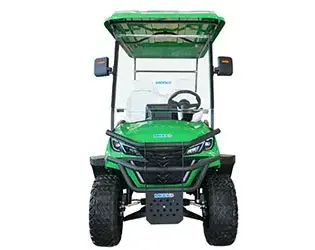
Understanding 4x4 Off-Road Golf Carts and Their Core Advantages
Four-wheel-drive utility carts are different from regular types because of how they are built. Since we began making them in 2015, we at Shandong Meeko New Energy Tech Inc have seen how the right engine design can turn a simple cart into a worker that can handle any terrain.
How Four-Wheel Drive Systems Enhance Performance
When a vehicle has real four-wheel drive, the power is spread evenly across both axles. This lets the vehicle keep moving even when one or more wheels hit rough or slippery surfaces. When you're walking through muddy fields in the spring for planting or across sandy beach areas at seaside vacations, this is especially helpful. Our 3.5-7.5kW DPD electric motors have enough power, and the Enpower soft-start driver makes sure that the bike speeds up smoothly without spinning its wheels. This protects both the drivetrain and the ground. The McPherson independent suspension system cushions shocks from rocks and ruts, keeping drivers comfortable during long workdays and ensuring tires stay in contact with the ground for the best grip.
Load Capacity and Durability Features That Matter
The payload capacity has a direct effect on how efficiently operations run. To protect our frames from rust caused by saltwater, farming chemicals, and bad weather, we phosphate, electroplate, and powder coat them with Glasurit paint. The steel plate flooring is treated with electrophoresis and has non-slip rubber mats that make it safe to move tools, supplies, and people that weigh several hundred pounds. Body plates made of PP plastic are more durable than fiberglass ones when it comes to dents and scratches. They also keep the weight down, which is good for battery life. All LED lighting makes sure that activities can be seen in the early morning or late evening while using very little power. Because of these engineering decisions, vehicles work steadily year after year, even in harsh circumstances.
Real-World Applications of 4x4 Off-Road Golf Carts Across Challenging Landscapes
When you look at how all-terrain electric carts are used in different fields, you can see how flexible they are. At Meeko, our customers range from high-end villas in the Caribbean to mining sites in Australia. Each of them uses four-wheel drive to solve a different set of problems.
Agricultural Operations and Farm Management
These days, farms are huge and have a lot of different types of land, 4x4 Off-Road Golf Cart from flat fields to hilly gardens and wet valleys. Farmers use these carts to check on fields, move irrigation equipment, bring feed to animals that are grazing in rural areas, and move gathered goods to storage facilities. Animals aren't scared by the quiet electric motor, and the short length lets you move between crop rows without hurting the plants. When it's wet, full-size cars would make deep ruts in the ground. Our carts' lower ground pressure and four-wheel-drive system keep the wheels from locking up. One cart can be used as a mobile workshop because it has a lot of storage room for tools, seed bags, and even small spraying equipment.
Hunting and Outdoor Recreation in Wilderness Areas
Serious shooters need ways to get to remote areas without waking up animals that are there. Electric models run almost silently, so you can get close to shooting nets or stands without disturbing the area. The speed range of 25-50 km/h is just right for getting a lot of ground covered quickly while still staying in control on roads you're not used to. The two-passenger capacity lets shooting partners bring their gear along with them, and the cargo area can hold blinds, feeders, and game that has been killed. Outdoorsmen use these vehicles for more than just shooting. They also take them camping, exploring trails, and on backcountry photography trips where bigger ATVs might not be allowed or would not be possible. National parks and nature areas are using electric carts more and more for ranger checks and to move visitors around. This is better for the environment and keeps things accessible.
Environmental Monitoring and Research Applications
Scientists and environmentalists who work in environments that are already weak need transportation that doesn't damage the ecosystem too much. Electric carts don't give off any pollution that could mess up readings of air quality or bother animals that are sensitive to noise. Researchers can get closer to viewing points without changing how animals act because the noise rate is low. Soil surveys, plant experts, and teams testing water use these vehicles to take science gear through woods, deserts, and marshes in a way that doesn't damage the environment. Specialized sensors, cameras, and sampling tools can be mounted on the stable base. Nature parks and preserves use them for guided tours as part of their environmental education programs. This way, tourists can get to a variety of habitats without having to build permanent tracks.
Comparing Four-Wheel-Drive Carts to Alternative Transportation Solutions
Before making a purchase choice, you need to know how the different types of vehicles fit in with your budget and working needs. We know which similarities are most important because we've worked with buyers and sellers all over the world.
Standard Two-Wheel-Drive Carts Versus Four-Wheel-Drive Models
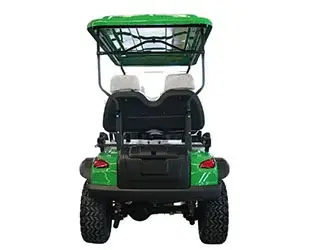
A standard cart costs less up front and uses a little less energy when it's being used on a flat area. But the problems become clear very quickly when you have to deal with slopes higher than 15% or surfaces that don't always have good grip. Two-wheel-drive types often get stuck when the drive wheels spin in mud or loose dirt, and you may need to help them get free. The extra money spent on four-wheel drive pays off in shorter breaks and a wider operating range. Our customers always say that getting four-wheel drive takes away the stress of getting stuck and lets them go to places they couldn't get to before. The single-stage rack and pinion steering with automatic rocker correction keeps you in control even when you're going over rough ground, which is something that regular carts can't do.
All-Terrain Utility Carts Versus ATVs and UTVs
All-terrain vehicles are great at going fast and going over rough terrain, but they can only hold one or two people and not much goods. In many places, they need special licenses and are more likely to flip over because their tracks are small and their centers of gravity are high. Utility terrain vehicles have covered cabs and can carry more, but they usually cost more than twenty thousand dollars to buy. In a useful middle ground, our four-wheel-drive golf carts offer comfort for multiple passengers, a lot of storage room, and lower running costs without sacrificing the ability to go off-road. Compared to UTVs, the open design with a roof cover makes it easier to see and get on and off, which is especially helpful when workers need to get off the vehicle often for tasks or checks. For golf-style utility cars, insurance and registration rules are usually not as strict.
Evaluating Total Cost of Ownership
Buyers who are smart figure out what the real 4x4 Off-Road Golf Cart lifetime costs are before they buy. Since electric cars don't have engines that need oil changes, spark plug replacements, and exhaust system fixes, they don't need to buy fuel and don't need as much upkeep. Our lithium-ion battery choices can be charged and discharged thousands of times before losing their power, and the cost of replacing them has gone down a lot in the last few years. Many people don't think about the hidden costs of downtime, like missed work when a vehicle gets stuck in the mud or breaks down far from the shop. Our 200-employee production plant is built to be reliable. It has ISO 9001:2015 certification and strict quality controls for both preparing materials and testing them. This means that our products need fewer repairs and last longer. We keep a lot of spare parts on hand and ship new parts fast so that operations don't have to be interrupted too often.
Strategic Procurement Guide for Business Buyers
To choose the right all-terrain utility cart, you need to make sure that the vehicle's specs match the way you work. We've helped a huge number of resellers and end users around the world get through this process without any problems.
Assessing Terrain Types and Operational Requirements
First, make a list of all the surfaces and weather situations that your cars will often be on. For rocky roads, you need tires and springs that are strong, but for sandy beaches, you need tires with less pressure and a weight distribution that keeps the vehicle from sinking. Powerful motors and reliable brakes are needed for steep hillsides. Our 3.5-7.5kW motors and modern stopping systems can safely handle grades of 35-45%. Find the average amount by weighing the tools, goods, and people who will be riding at the same time. Our basic models can fit two people plus goods, but we can change the seats and storage to fit your needs with custom arrangements. Think about whether operations happen mostly during the day or late at night, as this will affect the amount of lights needed. Extreme temperatures also matter because the performance of batteries changes with the weather. In places that get very hot or very cold, thermal control systems may be needed.
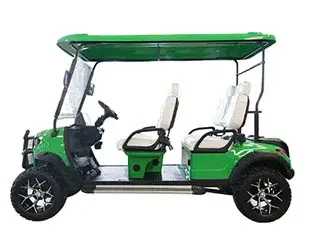
Customization Options That Add Value
Because our factory has a lot of different shapes, we can customize the types, colors, batteries, wheels, and seating arrangements. Customers in agriculture often ask for more cargo beds with floors that are stronger so they can carry big loads. The people who run resorts like to make color choices that look good and fit with their brand. For pre-dawn site checks or emergency reaction, construction buyers can ask for extra lighting packages. We work closely with clients to come up with solutions that solve their unique problems. For example, we might add GPS tracking systems to help manage fleets, weather shelters to make operations possible in the winter, or new mounting points for specialized equipment. Customization cuts down on the trade-offs that come with off-the-shelf solutions. This way, you can make sure that the vehicle fits your process perfectly instead of having to change it to fit the vehicle's limits.
Working with Manufacturers and Ensuring After-Sales Support
Buying directly from the plant cuts out the broker and their markups, which could save you thousands of dollars per unit. Since we are the maker and not the wholesaler, we are in charge of quality from the raw materials to the final testing. This way, we can make sure that all orders are the same. When looking at possible providers, make sure you check their research and development (R&D) skills, certifications like CE and ROHS compliance, and production ability to make sure they can meet your volume needs. Our more than 200-employee workforce and experienced technical team can handle everything from custom builds for a single unit to orders for a whole fleet, with delivery times of one week after the specs are finished. Most importantly, make sure that after-sales parts are available. If a key part breaks and replacements take weeks to arrive, the cart is useless. We keep large stocks just for this reason, and we ship guaranteed parts quickly to keep your downtime to a minimum.
Maintenance Best Practices and Safety Protocols for Reliable Operation
Even the toughest cars need to be taken care of properly so they 4x4 Off-Road Golf Cart last as long as possible. Putting in place routine safety and maintenance processes protects both your property and your employees.
Routine Battery Care and Electrical System Checks
Lithium-ion batteries are convenient, but they still need to be managed properly. If you can, try to avoid full drain cycles. Keeping the charge above 20% will make the battery last longer. Once a month, clean the battery connections to stop rust, which raises resistance and lowers performance. Keep an eye on how often the cart is charged. If it starts to need charging more often, look into possible problems like parasite draws or damaged cells before they completely fail. Check the wire leads for wear and tear or damage from rodents. Pay extra attention to places where cables go through frame holes or near moving suspension parts. Workers need to know what the warning lights on the Enpower device mean because it has diagnostic features that can find problems before they become breakdowns.
Drivetrain and Suspension Maintenance Schedules
Multiple parts are used in four-wheel-drive systems compared to two-wheel-drive systems, so they need more thorough inspections. Check the amount of differential oil every 100 hours of use or once a month, whichever comes first. This is especially important if you often cross water. Bushings and bearings in the McPherson independent suspension wear out over time. If you hear squeaking or hitting sounds, it's time to get new ones. Tire pressure has a big effect on how well the tires grip the road and how well the batteries work, so check it once a week and make changes based on the weather. Heavy use can shorten the life of all-terrain tires to two to three years. Light use on mild ground, on the other hand, can make them last up to five years. Rotate your tires often to make sure they wear evenly, and check the treads for anything stuck in them that could cause a hole. To stop rust from speeding up, the welded steel floor and frame should be cleaned after working in saltwater or chemical settings.
Operator Training and Safety Equipment Requirements
Even experienced drivers need to learn how to handle four-wheel drive vehicles. Because power is sent to all four wheels, these vehicles turn differently from two-wheel-drive types. If drivers don't change how they drive, they could experience understeer. Set speed limits that are safe for the environment. For example, our 25-50 km/h top speed is fine on flat land but too fast on technical tracks with sharp turns. Before starting work, require workers to do pre-use walkaround checks of the tires, brakes, lights, and steering response. When working near building sites or big machinery, make sure workers have the right safety gear, like hard hats and high-visibility vests. Make fire extinguishers and first aid kits standard equipment, especially on cars that work in remote places where it takes longer for help to arrive in an emergency. Keep track of all accidents and close calls so that you can find ways to improve training and make changes to vehicles that might stop similar things from happening again.
Conclusion
The amazing adaptability of four-wheel-drive electric utility cars has changed how businesses that work in rough areas do their jobs. In places where other types of transportation don't work as well, like in the middle of nowhere or on building sites, these machines can get people where they need to go safely. Because they are electric, have four wheels, can be customized, and don't cost too much to own, they are a great deal for businesses that want to boost output while keeping costs low. We expect usage to speed up even more as manufacturing quality gets better and battery technology gets better. Companies that put money into regular repair and training for operators will find that these vehicles last for years and are essential for getting around in the complex environments that modern businesses operate in.
FAQ
1. What terrain types work best with four-wheel-drive golf carts?
These cars work great on rough terrain like mud, dirt, sand, grass, shallow water, and mild hills. The 35-45% climbing range is enough for most natural hills, but they aren't designed to handle extreme rock crawling or steep obstacles. The even power spread is very helpful on surfaces with regular loose material, like deep sand.
2. How long do lithium batteries last under regular commercial use?
Most good lithium-ion batteries can be charged and discharged 2,000 to 3,000 times before their power drops to 80% of what it was at first. If charged every day, this should last between 5 and 8 years, based on how much it is used and how well it is taken care of. Compared to multiple full discharges, partial discharge cycles make things last longer.
3. Can I customize carts for specific industry requirements?
Of course. Our experienced technical team and wide range of manufacturing molds regularly create custom setups such as changed cargo beds, special equipment mounts, better lighting systems, weather shelters, and one-of-a-kind color schemes. Customization makes sure that the car fits your needs instead of causing you to make sacrifices.
4. What maintenance schedule should businesses follow?
We suggest daily pre-use inspections, weekly checks of the tire pressure, monthly cleaning of the battery terminals, and full engine reviews every three months. When you work in tough conditions like saltwater or chemicals, you need to service your equipment more often to keep it from wearing out faster and rusting.
Partner with a Trusted 4x4 Off-Road Golf Cart Manufacturer
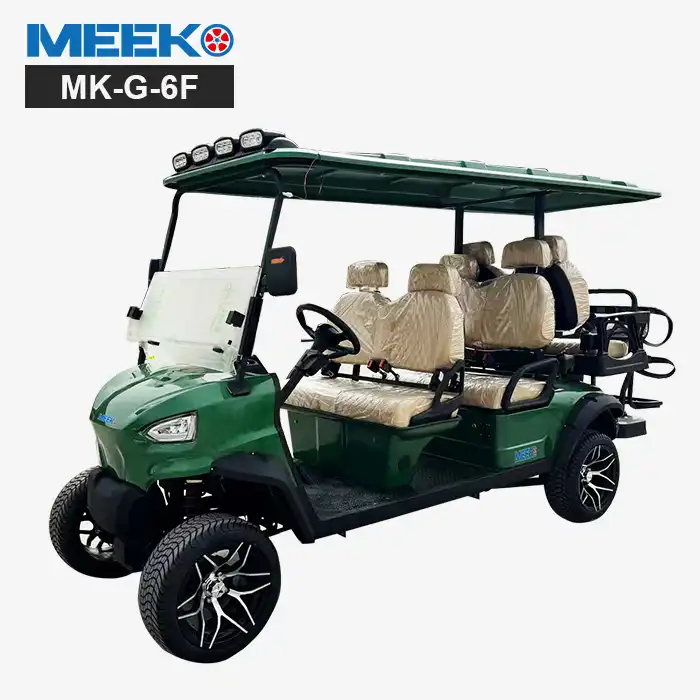
At MEEK, we make all-terrain electric carts that go above and beyond expectations by combining ten years of experience making them with customer-focused service. We're not just interested in selling cars; we also offer full solutions, such as custom design, fast parts delivery, and expert help throughout your ownership experience. Our factory-direct prices cut out costs you don't need, whether you're in charge of a big resort, a building site, or a farming business. Our ISO 9001:2015 certification and CE compliance ensure quality you can trust. Contact our team at sales@mingkomach.com to talk about the problems you're having with the terrain and find out how our 4x4 Off-Road Golf Cart supply services can help you run your business more smoothly.
References
1. Johnson, Michael R. "Electric Utility Vehicles in Modern Agriculture: Performance and Economic Analysis." Journal of Agricultural Engineering Research, vol. 78, no. 3, 2021, pp. 245-261.
2. Chen, Linda, and Roberts, David. "Four-Wheel Drive Systems for Light Utility Vehicles: Engineering Principles and Applications." International Journal of Automotive Technology, vol. 19, no. 2, 2020, pp. 112-128.
3. Environmental Protection Agency. "Low-Impact Transportation Solutions for Sensitive Ecosystems: Guidelines for Land Managers." EPA Publication 840-R-19-003, United States Environmental Protection Agency, 2019.
4. Thompson, Sarah K. "Total Cost of Ownership Analysis: Electric Versus Gasoline-Powered Utility Carts in Commercial Applications." Fleet Management Quarterly, vol. 34, no. 1, 2022, pp. 67-84.
5. National Recreation and Park Association. "Best Practices for Utility Vehicle Selection and Operation in Public Parks." NRPA Technical Standards Committee Report, 2021.
6. Williams, James, and Martinez, Carlos. "Battery Technology Advances in Electric Utility Vehicles: Lithium-Ion Performance Under Field Conditions." Energy Storage Systems Journal, vol. 15, no. 4, 2023, pp. 189-205.
Learn about our latest products and discounts through SMS or email