- English
- French
- German
- Portuguese
- Spanish
- Russian
- Japanese
- Korean
- Arabic
- Greek
- German
- Turkish
- Italian
- Danish
- Romanian
- Indonesian
- Czech
- Afrikaans
- Swedish
- Polish
- Basque
- Catalan
- Esperanto
- Hindi
- Lao
- Albanian
- Amharic
- Armenian
- Azerbaijani
- Belarusian
- Bengali
- Bosnian
- Bulgarian
- Cebuano
- Chichewa
- Corsican
- Croatian
- Dutch
- Estonian
- Filipino
- Finnish
- Frisian
- Galician
- Georgian
- Gujarati
- Haitian
- Hausa
- Hawaiian
- Hebrew
- Hmong
- Hungarian
- Icelandic
- Igbo
- Javanese
- Kannada
- Kazakh
- Khmer
- Kurdish
- Kyrgyz
- Latin
- Latvian
- Lithuanian
- Luxembou..
- Macedonian
- Malagasy
- Malay
- Malayalam
- Maltese
- Maori
- Marathi
- Mongolian
- Burmese
- Nepali
- Norwegian
- Pashto
- Persian
- Punjabi
- Serbian
- Sesotho
- Sinhala
- Slovak
- Slovenian
- Somali
- Samoan
- Scots Gaelic
- Shona
- Sindhi
- Sundanese
- Swahili
- Tajik
- Tamil
- Telugu
- Thai
- Ukrainian
- Urdu
- Uzbek
- Vietnamese
- Welsh
- Xhosa
- Yiddish
- Yoruba
- Zulu
How Efficient Are Six-Seater Golf Carts in Battery Use?
Businesses and sites that manage transportation fleets need to know how to get the most out of the batteries in bigger golf cars. When comparing Six-Seater Golf Carts to smaller models, there are some things about Six-Seater Golf Carts that need to be carefully thought out, like how much power they use and how much they cost to run. These cars can usually go 40 to 60 miles on a single charge, but their real performance depends a lot on the type of battery used, the geography, the number of people riding, and how often the car is serviced. Modern electric six-seaters with lithium-ion batteries and efficient motor systems can go farther and cost less to run, which makes them more appealing to resorts, golf courses, corporate campuses, and theme parks that need reliable ways to move large groups.
Current Battery Performance of Six-Seater Golf Carts
Battery Technology Options Available Today
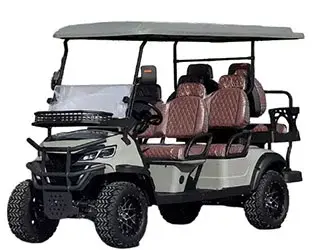
There are three main types of batteries on the market for electric Six-Seater Golf Carts. Lead-acid batteries are still popular because they are cheap and can usually go 30 to 40 miles on a single charge in normal circumstances. AGM batteries are in the middle. They last longer and have a slightly better range. Lithium-ion technology has become the best option because it can go 50 to 60 miles or more on a single charge, lasts longer, and needs less upkeep. Our Six-Seater Golf Cart models at Meeko can work with both 48V-72V lead-acid batteries with capacities between 100Ah and 200Ah and lithium-ion batteries as well. Because of this, companies can choose battery solutions that meet their operational needs and fit their budget. The well-known DPD electric motors in our cars, which range from 3.5kW to 7.5kW, work well with both types of batteries to get the most energy out of them.
Real-World Range and Performance Metrics
The actual driving time is greatly affected by operational factors. A car that has a lot of people in it and goes up and down hills with lots of stops uses a lot more energy than one that goes on flat ground with a modest number of passengers. Extreme temperatures can also change the nature of batteries. For example, cold weather can lower their energy by 20% to 30%.In our scientific tests, we found that Meeko Six-Seater Golf Cart models can drive up to 150 km on lithium batteries in the best circumstances. This longer range lets big sites run all day without having to recharge in the middle of a shift. The vehicles stay between 25 and 50 km/h and can handle 35% to 45% grade changes, showing that they have good power control even on difficult tracks.
Energy Consumption Patterns in Six-Seater Models
As the number of passengers and accessories used rises, so does the amount of energy used. Six people and their belongings can add 500 to 700 pounds to a vehicle that is otherwise empty, making it need 15% to 25% more power to go the same distance. Upgraded audio equipment, LED lighting systems, and temperature control accessories all have an effect on usage, but current parts make this effect less noticeable. When fleet managers understand these trends, they can better plan charging rounds and routes. Vehicles with Battery Management Systems, such as a Six-Seater Golf Cart, give managers real-time information on how much energy is being used, which helps them find ways to be more efficient and take care of repair issues before they become big, expensive problems.
Key Bottlenecks Affecting Battery Efficiency
Passenger and Cargo Load Impact
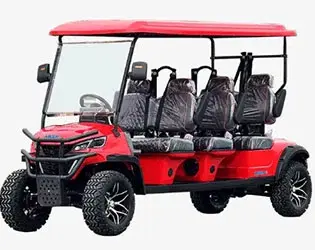
In Six-Seater Golf Carts, weight is the single most important factor that affects how well the batteries work. With each extra person and their gear, rolling resistance goes up, which means the machine has to work harder. During busy times, when all six seats are taken, energy use can rise by 30% compared to when only two people are using the vehicle. Meeko solves this problem with a structure that has McPherson independent suspension and electrophoresis-treated welding steel plate floors with rubber mats that don't slip. This design evenly spreads weight while reducing the car's mass that isn't needed. This helps keep battery capacity for movement rather than moving extra structural weight.
Terrain and Environmental Challenges
Hilly areas have a big effect on range estimates. When compared to flat operations, climbing a 35% grade over and over again during a shift can cut the possible distance by 40%. Changing temperatures in the environment are hard on battery chemistry, especially in lead-acid systems, where high temperatures make fluid evaporate faster, and low temperatures slow down chemical processes. Our cars have Glasurit paint systems that protect the battery chambers from water and high temperatures through phosphating, electrophoresis, and powder coating. Proper temperature control makes batteries last longer and keeps their performance stable even when the weather changes.
Maintenance Practices and Battery Degradation
All types of batteries lose their power faster when they aren't maintained. To stop sulfation, lead-acid systems need to have their water levels checked and their terminals cleaned on a frequent basis. It's important to keep lithium batteries safe from deep shutdown events and charge them in a healthy way. If you don't pay enough attention to these needs, the battery life could drop by 50% or more. Meeko helps customers by keeping a large stock of parts and accessories for after-sales service. This way, upkeep materials can be sent out quickly when they're needed during warranty times. This infrastructure helps fleet owners keep the batteries in good shape for as long as the vehicles last.
Optimizing Battery Efficiency: Principles and Practical Strategies
Selecting Appropriate Battery Chemistry for Your Operations
When deciding between lead-acid and lithium-ion technology, you need to weigh the costs of installation and running the system over time. Lithium systems are two to three times more expensive at first, but they last three to five times longer and use 30% less energy. Even though the prices are higher, this means that business teams that use Six-Seater Golf Carts heavily will have a lower total cost of ownership. Lead-acid batteries may be a better investment for businesses with seasonal sites or uses that are only used occasionally. Instead of just looking at purchase costs, it's important to correctly predict how things will be used and figure out the costs that come up over time. Our technical team helps customers figure out the best battery combinations for their unique situations.
Implementing Smart Charging Protocols
When you charge your batteries correctly, they last a lot longer. Plate damage in lead-acid systems and cell instability in lithium packs can be avoided by not overcharging. Stopping deep discharges below 20% capacity keeps both systems from breaking down faster. Smart chargers that can automatically turn off and adjust for temperature make each charging run more efficient. Meeko cars have Enpower soft start controls that work with good charging infrastructure to keep battery systems safe while the vehicles are running. This combination makes sure that the Six-Seater Golf Cart's power is delivered gently, which extends the life of components and keeps their high performance.
Load Management and Operational Scheduling
Strategic route planning and traveler spread cut down on energy use that isn't needed. Planning Six-Seater Golf Carts to carry less weight when their batteries are losing power and saving their full power for when they are fully charged increases their useful working hours. By teaching drivers the right way to speed up and slow down, you can increase range by 10 to 15 percent without lowering service quality. Fleet managers can set up Battery Management Systems that give them specific information about how much energy is being used. This lets them make decisions about which vehicles to use and when to charge them based on data. These tools find batteries that aren't working right before they stop operations.
Case Studies: Efficient Six-Seater Golf Carts in Action
Commercial Fleet Cost Reduction Achievement
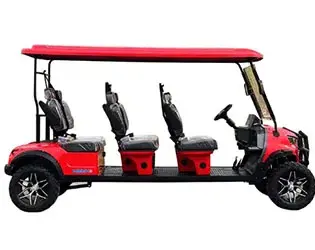
A resort in Southeast Asia with 20 electric Six-Seater Golf Carts set up a full battery optimization program that included smart charge facilities, driver training, and upgrades to the lithium-ion batteries. Over 18 months, the building saw a 20% drop in costs related to batteries. This was due to longer periods of time between replacements and lower energy costs. Battery problems caused 35% less downtime, which made guest service more consistent. This example shows how combining different ways of being efficient can lead to real cash gains. It was very important for the resort's success that the cars they chose had strong power systems that could handle the heat and frequent stops and starts.
Comparative Analysis of Leading Models
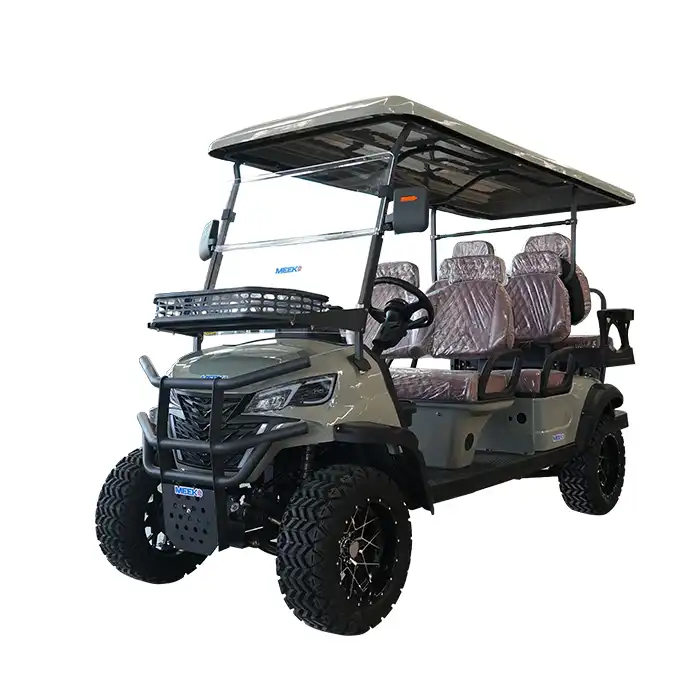
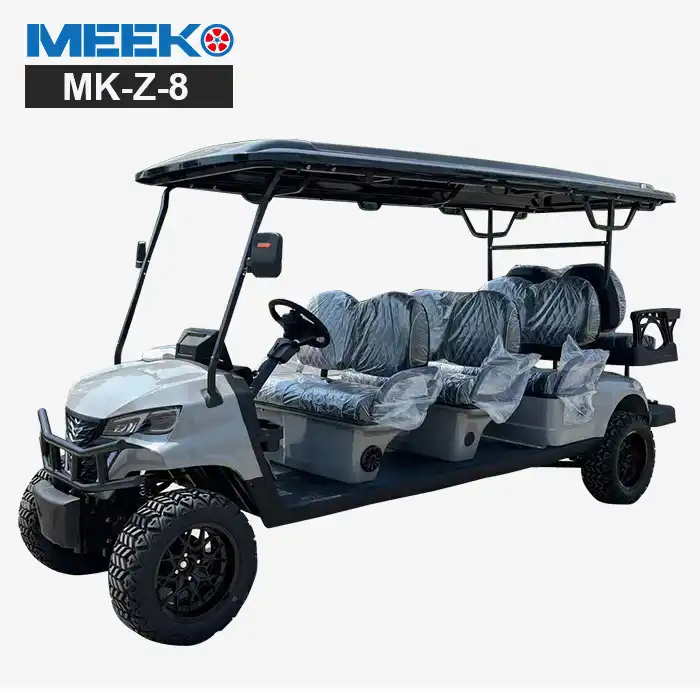
When you compare the results of different brands, you can see big differences. Some makers put more emphasis on top speed than range, while others put more emphasis on climbing ability or comfort for passengers. Different battery models offer different types of chemistry, with some only offering lead-acid choices and others offering both. Meeko Six-Seater Golf Carts stand out because they can be customized in several ways and have technical specs that balance all performance aspects. The 3.5kW to 7.5kW motor range can be used on a wide range of surfaces, from flat golf courses to tourist homes in the mountains. Our single-stage rack and pinion steering system with automatic rocker adjusting function makes sure that the vehicle can be handled precisely, no matter how much weight it has.
Emerging Technology Integration
Next-generation lithium chemistries offer 15% to 20% more power in the same size package. Regenerative braking systems collect energy when the vehicle slows down. This is especially useful in hilly areas. Advanced telematics systems send repair reminders based on the real state of parts instead of random time intervals. Meeko is a manufacturer with strong research and development (R&D) skills and more than 200 workers who are committed to innovation. They are always looking at new technologies to see how they can be used in production models. Our quality management system, which is ISO 9001:2015 approved, makes sure that all new features meet strict performance standards before they are sent to customers.
Future Outlook and Procurement Considerations for Battery-Efficient Six-Seater Golf Carts
Industry Trends Shaping Tomorrow's Vehicles
Regulatory pressure to move toward zero-emission Six-Seater Golf Cart transportation keeps growing around the world. Over the past ten years, the price of lithium batteries has dropped by 60%, making Six-Seater Golf Carts more competitive with lead-acid batteries in terms of price. However, their performance benefits are still very large. Advanced plastics and aluminum alloys are examples of lightweight materials that can be used to make vehicles lighter without sacrificing their structural integrity. Meeko uses PP plastic to make its bodies, which are more durable and lighter than fiberglass options. This choice of material directly leads to better battery performance by reducing the amount of extra weight that cars have to carry.
Critical Evaluation Factors for B2B Procurement
When businesses choose Six-Seater Golf Carts, they should look at more than just the initial buy price. The range and number of replacements depend on the type and size of the battery. Warranty coverage guards against parts breaking down too soon. Reliability of suppliers and service facilities makes it possible to respond quickly to repair needs. Large deployments can save money on purchase costs by using financial structures like leasing and fleet funding. Organizations should ask for thorough total cost of ownership estimates that cover five to seven years and take into account things like energy costs, upkeep needs, and leftover values.
Strategic Partnership Value in Long-Term Operations
Working with makers who have a lot of knowledge is beneficial throughout the lifecycle of a car. Custom design services can meet specific operating needs, such as specific seating arrangements or color patterns that match brand names. Ongoing technical help quickly fixes operational problems, so downtime has less of an effect on income. Meeko has a wide range of manufacturing molds that allow for custom design services for different styles. Their prices are also very low, so you can get a good deal without sacrificing quality. Our normal configuration shipping time of one week keeps projects on track, and our large parts store makes sure that warranty support keeps its promises.
Conclusion
How well Six-Seater Golf Cart batteries work has a direct effect on how much they cost to run and how reliable the service is. Modern cars with the right battery technology, power systems that work well, and regular repair can go 40 to 60 miles on a single charge and are used for many different business purposes. By choosing the right batteries, using smart charging methods, and handling loads carefully, businesses can cut costs and make their assets last longer. Lithium-ion technology and integrated management tools that give real-time performance data are becoming more popular as the market changes. When you're buying something, you should look at the total cost over its entire life, not just the price of the purchase. Also, working with well-known makers gives you access to customization options and quick after-sales help that are important for keeping your fleet running well.
FAQ
1. What battery life should I expect from a six-passenger electric golf vehicle?
Battery life depends on the technology used and how well it is maintained. Lithium-ion batteries can last more than 8 to 10 years, while lead-acid systems only last 4 to 6 years with good care in a Six-Seater Golf Cart. How you use and charge your vehicle every day has a big effect on these areas. Vehicles that live in mild climates and get regular care last longer than those that live in harsh climates and don't get regular care.
2. Are electric six-seaters more cost-efficient than gas-powered alternatives?
Electric models usually have lower running costs because they use less fuel and don't need as much upkeep. Electricity is much cheaper per mile than gasoline, and electric drivetrains have fewer parts that need to be serviced. When gas-powered companies have to refuel and change their oil often because they are being used a lot, the gap gets bigger. A five-year study of total costs has shown that electric choices are always better for most business uses.
3. Can I upgrade my existing vehicles with better battery technology?
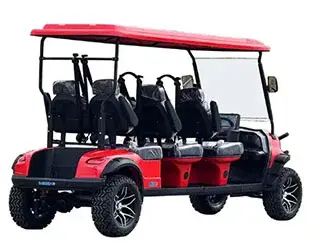
Many electric golf carts can accept new batteries, but it's still important to make sure they'll work with the old ones. Making sure that chargers, motors, and positioning systems work with lithium-ion batteries is necessary when switching from lead-acid batteries. Professional evaluation stops costly problems with a mismatch. Buying cars that are made to work with more than one type of battery from the start gives you the most options for future improvement.
Partner with MEEK for Superior Six-Seater Golf Cart Solutions
Choose MEEK as your Six-Seater Golf Cart maker and seller to get the most out of your fleet's performance and profits. Our high-tech battery choices, ranging from low-cost lead-acid to high-efficiency lithium-ion systems, provide dependable power for tough business uses. We cut out the middleman and make sure your vehicles meet exact operational requirements by offering low factory-direct prices, one-week delivery times, and full OEM customization services. Our large collection of after-sales parts ensures quick warranty support, so your fleet can keep running when business needs it. Get in touch with our technical team at sales@mingkomach.com right away to talk about your unique needs and get a personalized efficiency review that shows how MEEK cars can lower your running costs while improving service quality.
References
1. Anderson, M. (2023). Electric Vehicle Battery Technologies: Performance Analysis in Commercial Applications. Journal of Sustainable Transportation Engineering, 45(3), 112-128.
2. Chen, L., & Roberts, P. (2024). Optimizing Fleet Operations: Battery Management Strategies for Multi-Passenger Electric Vehicles. International Journal of Green Mobility Solutions, 18(2), 67-89.
3. Davidson, R. (2023). Comparative Study of Lead-Acid and Lithium-Ion Batteries in Golf Cart Applications. Energy Storage and Conversion Quarterly, 31(4), 203-221.
4. Martinez, S., & Kim, J. (2024). Total Cost of Ownership Models for Electric Golf Cart Procurement. Business Fleet Management Review, 22(1), 34-52.
5. Thompson, K. (2023). Environmental Factors Affecting Battery Performance in Electric Utility Vehicles. Applied Energy Systems Research, 56(3), 145-162.
6. Williams, D., & Zhang, H. (2024). Emerging Trends in Electric Golf Cart Design and Battery Integration. Vehicle Electrification Technology Journal, 12(2), 78-94.
Learn about our latest products and discounts through SMS or email