- English
- French
- German
- Portuguese
- Spanish
- Russian
- Japanese
- Korean
- Arabic
- Greek
- German
- Turkish
- Italian
- Danish
- Romanian
- Indonesian
- Czech
- Afrikaans
- Swedish
- Polish
- Basque
- Catalan
- Esperanto
- Hindi
- Lao
- Albanian
- Amharic
- Armenian
- Azerbaijani
- Belarusian
- Bengali
- Bosnian
- Bulgarian
- Cebuano
- Chichewa
- Corsican
- Croatian
- Dutch
- Estonian
- Filipino
- Finnish
- Frisian
- Galician
- Georgian
- Gujarati
- Haitian
- Hausa
- Hawaiian
- Hebrew
- Hmong
- Hungarian
- Icelandic
- Igbo
- Javanese
- Kannada
- Kazakh
- Khmer
- Kurdish
- Kyrgyz
- Latin
- Latvian
- Lithuanian
- Luxembou..
- Macedonian
- Malagasy
- Malay
- Malayalam
- Maltese
- Maori
- Marathi
- Mongolian
- Burmese
- Nepali
- Norwegian
- Pashto
- Persian
- Punjabi
- Serbian
- Sesotho
- Sinhala
- Slovak
- Slovenian
- Somali
- Samoan
- Scots Gaelic
- Shona
- Sindhi
- Sundanese
- Swahili
- Tajik
- Tamil
- Telugu
- Thai
- Ukrainian
- Urdu
- Uzbek
- Vietnamese
- Welsh
- Xhosa
- Yiddish
- Yoruba
- Zulu
How Utility Golf Carts Improve Efficiency in Large Estates
There are specific logistical issues that come with using a utility golf cart on a big land, whether it's a large business campus, an agricultural property, or a high-end residential complex. Getting people, supplies, and tools across large areas of land often needs methods that combine speed, cost, and care for the environment. Utility golf carts have become very useful for meeting these needs. These special cars can carry a lot of stuff and turn easily, which helps land managers run their days more smoothly while also cutting down on fuel use and carbon emissions. Because they are small, they can get to places that regular cars can't, which makes them essential for modern land management that wants to be both efficient and environmentally friendly.
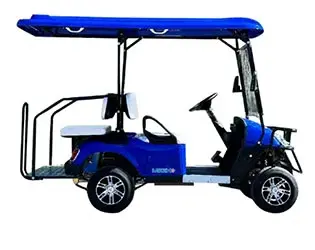
Understanding Utility Golf Carts and Their Role in Large Estates
Learn about utility golf carts and what they do on big properties.
What Makes Utility Golf Carts Different from Standard Models
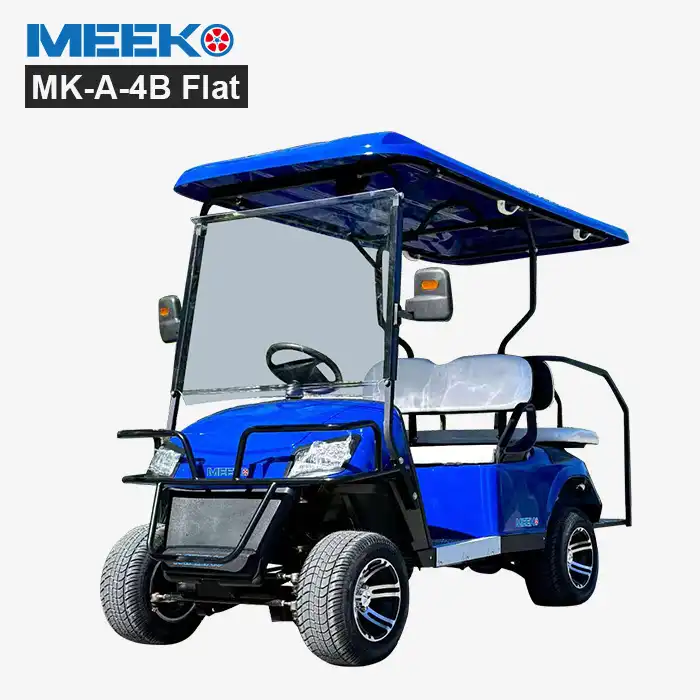
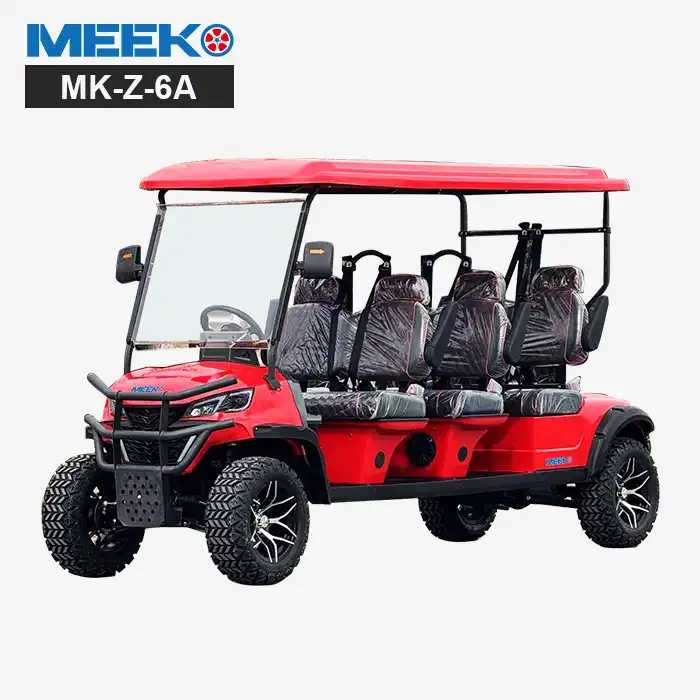
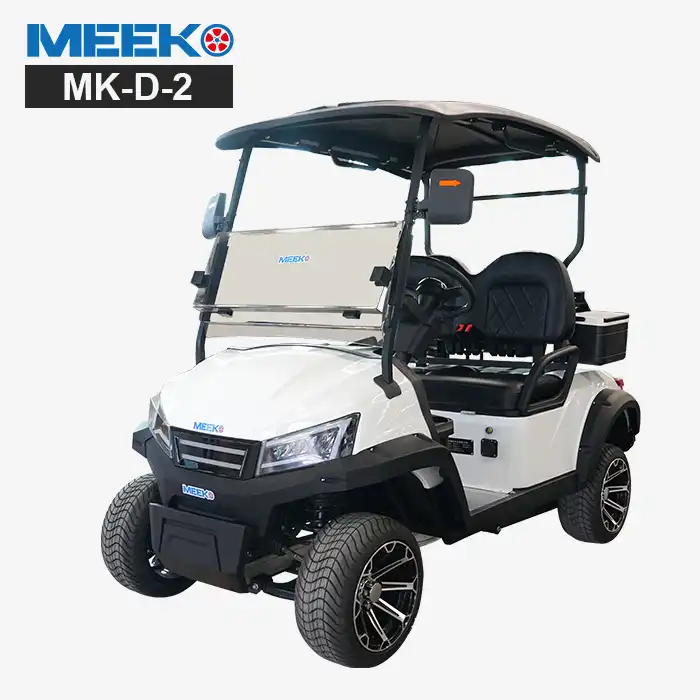
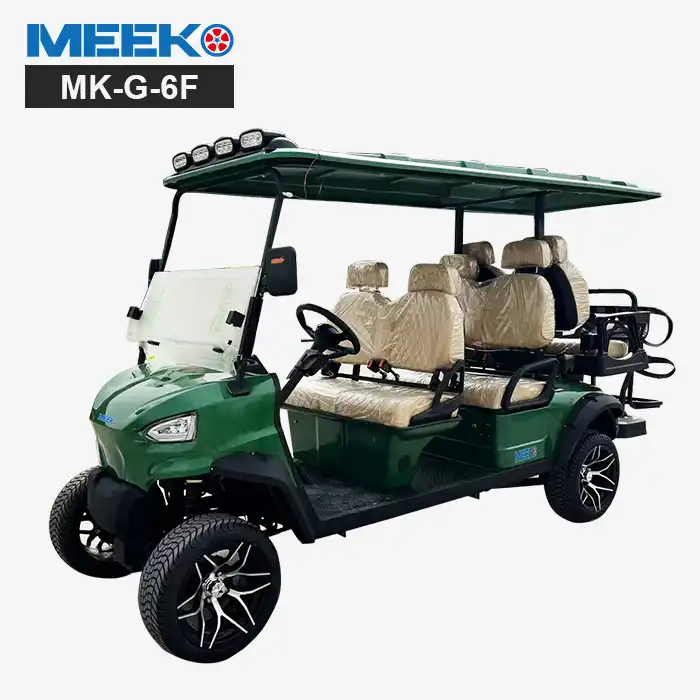
Utility golf carts are different from fun golf carts because they are designed with specific uses in mind. Utility golf carts are designed to be useful for work, while traditional carts are more concerned with comfort for passengers during relaxed rounds. These vehicles can handle a variety of terrain thanks to their stronger bodies, better suspension systems, and higher ground clearance. Meeko's utility golf carts have electrophoresis-treated welding steel floors with non-slip rubber mats and McPherson independent suspension, so they will last even in tough circumstances.
Core Components That Drive Performance
Your utility golf cart's motor and power source are what make it work. Our utility golf cart models have electric motors from the Famous Brand DPD that range from 3.5kW to 7.5kW. They come with 48V to 72V battery choices that come in both lead-acid and lithium forms. This setup has great climbing abilities of 35–45%, which makes it easy to get around in hilly lands. The Enpower soft start processor makes sure that the motor is protected and the battery lasts longer by managing power intelligently.
Design Features for Estate Operations
Property managers like design features that are useful and make daily jobs easier. The bodies of our utility golf carts are made of PP plastic that has been painted with Glasurit paint through a process that includes phosphating, electrophoresis, and powder coating. This gives the paint better weather protection. The single-stage rack and pinion steering system with automatic rocker adjusting function makes the vehicle easy to control, and the all-LED lighting makes it easy to see in the morning or at night. These specs mean that the vehicles will work successfully in a range of land utility golf cart management situations.
How Utility Golf Carts Solve Common Efficiency Challenges in Large Estates
Reducing Operational Costs Through Fuel Efficiency
When doing short-distance work on estate grounds, traditional pickup trucks and care vehicles use a lot of fuel. With electric utility golf carts, you don't have to pay for this at all. Consider a private estate where groundskeepers used to move gardening tools around in gas-powered trucks. According to studies by estate management firms, moving to electric utility golf carts cuts monthly fuel costs by about 70%. Our utility golf carts can go up to 150 kilometers on a single charge, which means they can be used every day without having to be charged all the time.
Improving Accessibility in Challenging Terrain
Large properties often have parts that regular cars can't get to because of small paths, delicate planting, or uneven ground. In these places, utility golf carts work great. They are used by farms to get from one row of greenhouses to another and to reach watering systems. They are used on corporate sites to do quick repair checks on buildings in pedestrian areas. The small size—2950 mm long and 1380 mm wide—allows it to get through places that regular cars can't, which increases its usefulness across the whole land.
Environmental Impact and Sustainability Goals
Environmental responsibility is now a big part of the business mindset of many landowners. Electric utility golf carts don't put out any direct pollution, which helps clean up the air on the land as a whole. This is especially important in apartment buildings with play places where families live. In addition to being better for the environment, running an electric system quietly lowers noise pollution, making the area nicer for people living there, working there, or visiting while repair crews do their jobs during the day.
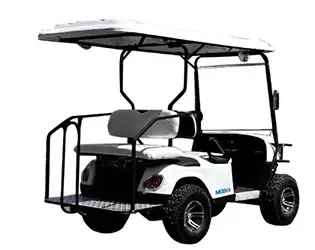
Selecting the Right Utility Golf Cart for Your Estate Operations
Evaluating Power Source Options
One of the most important decisions you have to make is between electric and gas-powered types. Electric utility golf carts are better for the earth, cost less to run, and need less upkeep. They work best in areas that already have a charging system set up and know how people will use them each day. Gas types have a longer range and can be refueled quickly, making them ideal for tasks that need to be done continuously without stopping. 80% of big estate needs can be met by electric utility golf cart models when charging schedules are set up in a way that works with operational processes. This is based on our utility golf cart experience working with a wide range of estate clients.
Assessing Load Capacity and Towing Requirements
Different land businesses need different amounts of cargo space. Grounds maintenance teams need a place to store their tools, fertilizer, and plant materials. Patrol cars that work well are needed for the security staff. Parts and tools are moved by maintenance teams. Four people can fit on our utility golf carts, and the cargo space is flexible because the layouts can be changed. The 3.5–7.5kW motor range has enough power to pull trucks with landscaping tools or move maintenance supplies, so it can meet the needs of different departments within the same estate.
Advanced Features That Enhance Daily Operations
Recently made utility golf carts have extra features that make them easier to use. Our models come with 10–14-inch all-terrain tires that can handle service roads that aren't sealed and paved paths. The electrophoresis process on floors stops corrosion from pesticides, water, and chemicals that are often moved between farms. Compared to regular lights, LED lighting systems use less electricity and make things easier to see. These careful technical details add up to make utility golf carts that can safely run estate operations year after year with little help.
Maintaining Utility Golf Carts for Optimal Performance and Longevity
Battery Care for Electric Models
Battery care has a direct effect on how much it costs to run and how long a vehicle lasts. Checking the water level in lead-acid batteries and cleaning the terminals on a daily basis will keep them from corroding. Lithium choices need less care, but they avoid full discharge cycles, which is a plus. Setting up regular charge schedules—preferably overnight after each day of use—significantly increases battery life. From working with estate clients, we know that following the right battery practices can double their useful life, which greatly increases the return on investment for buying budgets.
Routine Inspection Protocols
To avoid problems, vehicles need to be checked regularly. Tire pressure and tread depth, stop function, steering response, and lighting operation should all be checked once a month. Our utility golf carts' McPherson independent suspension systems need to be checked every so often for broken or worn-out parts. If you find small problems early, you can avoid costly fixes and unplanned downtime during key working times. Many estates plan inspections for times of the year when usage trends change to make sure that utility golf carts are still ready for when they are needed.
Operator Training and Safety Compliance
Operators who are well-trained are less likely to get hurt or damage utility golf cart tools. Safe loading techniques, the right way to distribute weight, how to control speed on hills, and pedestrian safety rules should all be covered in training classes. The automatic rocker-adjusting feature on our utility golf carts helps drivers make turns, but it's still important to know what the limits of the vehicle are. Estates that have thorough operator certification programs report 60% fewer accidents and longer vehicle lifespans. This shows that, along with mechanical upkeep, human factors have a big impact on machine longevity.
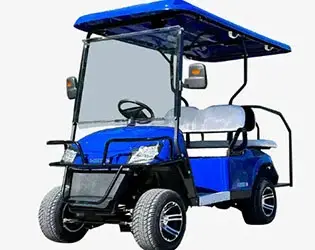
Procurement and Support Solutions for B2B Clients
Evaluating Manufacturer Credentials and Support Infrastructure
A successful buying goes beyond the price of the initial purchase. Reputable makers offer important ongoing help that keeps your investment safe. Shandong Meeko New Energy Tech Inc has been making utility golf carts for nine years and has more than 200 employees. This makes sure that the company is stable and reliable. We keep a large inventory of parts and ship new parts quickly when warranty issues appear. Our experienced technical team helps with customization needs, so estates can choose cars that are perfectly suited to their needs instead of going for standard setups.
Understanding Customization Possibilities
For the most part, normal designs don't meet the needs of large estates. Our wide range of production models lets you customize in many ways. Buyers can choose unique colors that fit the estate's branding, change the layout of the seats to meet the needs of different departments, pick battery types that balance price and performance needs, and pick wheel configurations that work best on most terrains. This gives procurement teams the freedom to choose tools that are truly best for their working setting instead of settling for off-the-shelf options.
After-Sales Service That Protects Your Investment
Reliability of equipment counts on being able to get help when problems happen. We offer full after-sales service, which includes expert advice, parts availability, and help with fixing problems. When people make guarantee claims, our responsible after-sales team answers quickly and ships the parts that are needed within days, not weeks. This support system is especially important for estates where vehicles breaking down affects many areas. We can ship full units within a week of receiving proof of the order, and we can also quickly send parts and accessories, so there are fewer interruptions in operations.
Conclusion
Utility golf carts have grown into complex machines that change how estates work by making planning better, cutting costs, and being more eco-friendly. These vehicles solve the main problem of moving people, things, and properties quickly and efficiently across large properties while staying within budget and meeting environmental goals. To choose the right models, you need to carefully look at your power systems, the amount of space you need, and the manufacturer's help options. With the right upkeep and training, utility golf carts will give you years of solid service that makes the money you spent on them worth it. As farms continue to look for ways to improve their operations, electric utility golf carts have been shown to work in a number of different management situations.
FAQ
1. What is the typical lifespan of a utility golf cart?
Good electric utility golf carts work well for 8 to 12 years as long as they are well taken care of. Depending on how they are used and how well they are maintained, battery systems need to be replaced every 4 to 6 years. Most of the time, lithium batteries last two to three years longer than lead-acid batteries. When regular repair procedures are followed, the frame, motors, and mechanical parts of the utility golf cart usually last longer than the battery.
2. How do electric utility carts perform in cold climates?
When the temperature drops below freezing, the battery's performance goes down. Usually, the range drops by 20 to 30 percent. To make up for it, estates in northern areas often choose higher-capacity battery systems or add heated storage facilities. When it comes to cold weather, lithium batteries work better than lead-acid batteries. The enclosed design choices for our utility golf carts keep workers and sensitive parts safe from bad weather.
3. Can utility golf carts be customized for specific estate needs?
Of course. Meeko has a lot of different production choices that allow for a lot of customization. For example, you can change the layout of the cargo bed, the seats, the way tools are stored, the colors, and the batteries. Instead of settling for standard configurations, our technical team works with procurement professionals to build utility golf carts that meet exact practical needs.
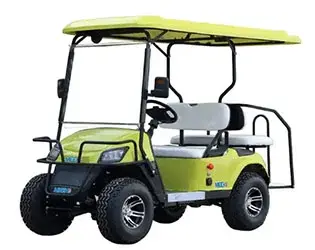
Partner With MEEK for Your Estate Transportation Solutions
We at Shandong Meeko New Energy Tech Inc know that the decisions you make about procurement can affect the running of your land for years to come. Being a well-known company that makes utility golf carts gives us the ability to meet your specific needs through a wide range of customization options, low factory-direct prices, and reliable support after the sale. Our utility golf carts are made with high-quality parts, like Famous Brand DPD motors and Enpower controls, and they are built to last in tough estate settings. Distributors and estate managers are free to talk to us about how our cars can help your business run more smoothly. You can email our team at sales@mingkomach.com to talk about custom utility golf cart solutions, get more information, or set up a product trial. Let us help you choose utility golf carts that will improve performance in a way that can be measured and still meet the budget needs of your stakeholders.
References
1. Johnson, Michael R. "Electric Utility Vehicles in Modern Estate Management: A Productivity Analysis." Journal of Property Operations and Logistics, vol. 34, no. 2, 2023, pp. 145-162.
2. Henderson, Patricia L., and David Chang. "Total Cost of Ownership: Comparing Electric and Gas-Powered Utility Vehicles in Large-Scale Operations." Facilities Management Quarterly, vol. 28, no. 4, 2022, pp. 78-94.
3. National Estate Management Association. "Best Practices for Utility Vehicle Procurement and Maintenance." NEMA Professional Standards Publication, 2024.
4. Rodríguez, Carlos. "Environmental Impact Assessment of Electric Utility Vehicles in Commercial Properties." Sustainable Operations Review, vol. 19, no. 1, 2023, pp. 212-229.
5. Williams, Sarah J. "Battery Technology and Maintenance Protocols for Commercial Electric Vehicles." Industrial Equipment Maintenance Handbook, 3rd ed., Technical Press, 2023, pp. 567-589.
6. Thompson, Robert K., et al. "Terrain Navigation and Vehicle Performance in Agricultural Estate Operations." Journal of Agricultural Engineering and Mechanization, vol. 41, no. 3, 2024, pp. 334-351.
Learn about our latest products and discounts through SMS or email