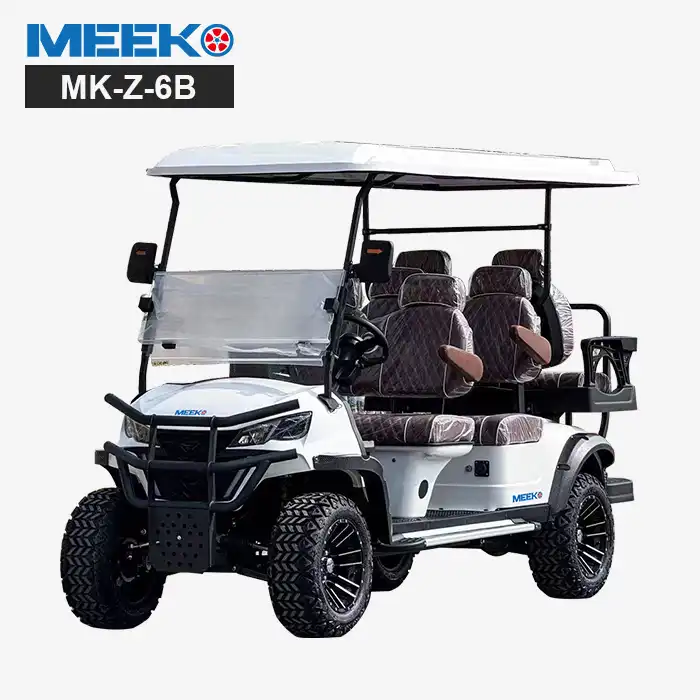
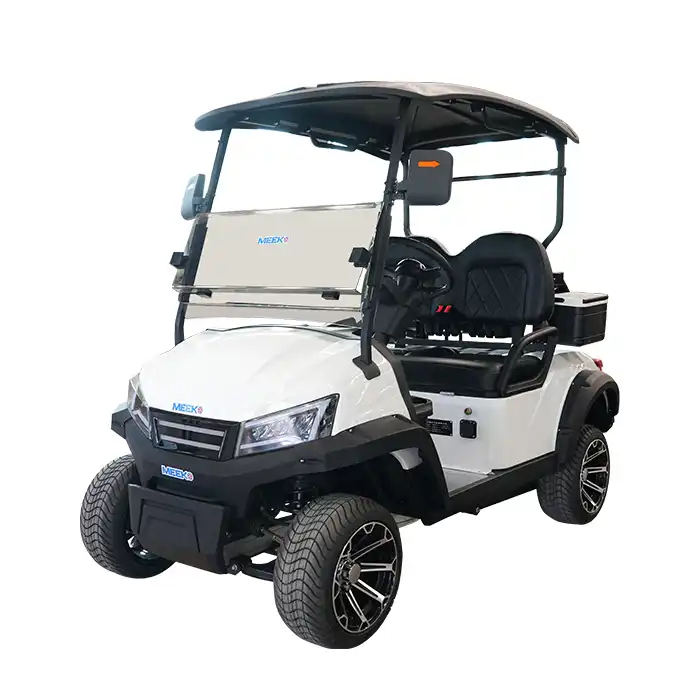
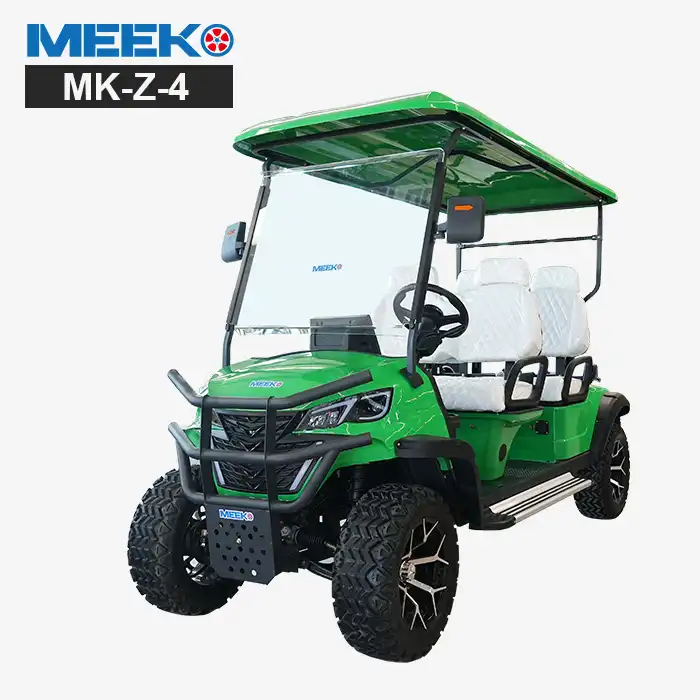
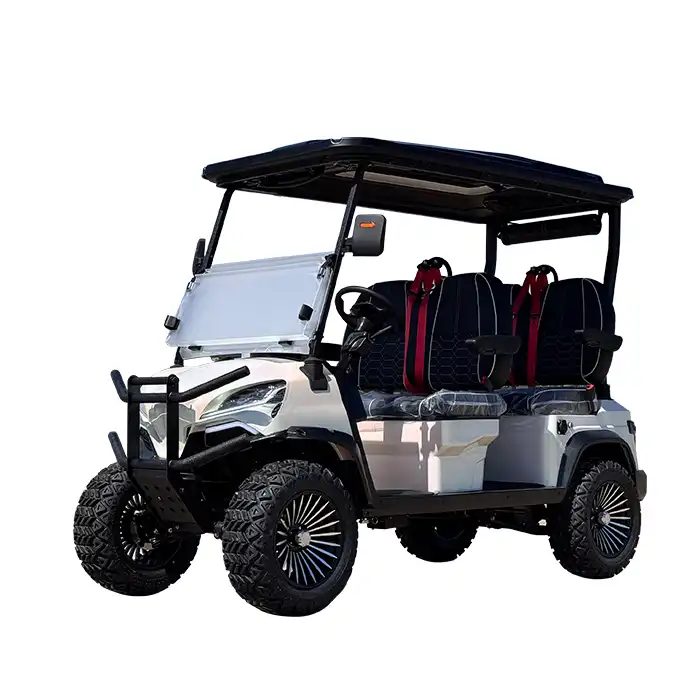
Finding the best electric golf cart requires understanding the unique demands of both golf course operations and community transportation. The ideal electric golf cart combines reliable battery performance, durable construction, and versatile features that adapt to diverse terrains and user needs. Modern electric golf carts excel in efficiency, offering quiet operation and minimal maintenance while delivering consistent performance across various applications. Whether you're managing a golf course fleet or establishing community transportation, selecting the right electric cart involves evaluating power systems, safety features, comfort elements, and long-term value propositions that ensure optimal return on investment.
Key Performance Dimensions Defining the Best Electric Golf Cart
Electric golf cart performance is determined by three key factors: motor efficiency, battery technology, and structural durability. These components work together to produce cars that exceed stringent operational criteria while remaining cost-effective over long service durations. Motor efficiency refers to how successfully an electric golf cart transfers stored energy into forward motion. High-quality electric motors provide smooth acceleration, stable speed control, and dependable hill-climbing capabilities, which are required for different terrain navigation. Advanced motor controllers improve power distribution, extending battery life while ensuring responsive performance under varying load circumstances. Battery technology represents the heart of any electric golf vehicle. Lithium-ion batteries have revolutionized electric cart performance, offering longer ranges, faster charging times, and extended lifespans compared to traditional lead-acid alternatives. Quality battery systems deliver 8-12 hours of continuous operation on a single charge, supporting full-day usage without performance degradation. Structural integrity ensures long-term reliability and safety across diverse operating environments. Reinforced chassis construction, corrosion-resistant materials, and robust suspension systems enable electric golf carts to handle challenging terrain while protecting passengers and cargo. These engineering considerations directly impact maintenance costs and operational lifespan, making them critical factors in procurement decisions.
Essential Safety and Comfort Features for Course and Community Use
Professional-grade electric golf carts stand out from basic recreational ones because to their safety measures. Understanding these characteristics enables procurement managers to select vehicles that meet regulatory standards while protecting users in a variety of operational settings. Speed control systems are critical for ensuring safety in community and course situations. Programmable speed limiters enable administrators to specify maximum speeds for specific regions, ensuring pedestrian safety while preserving operational efficiency. Advanced braking systems, including regenerative braking technology, improve stopping power while recovering energy, extending battery life. Systems for lighting and visibility guarantee safe operation in low light, the early morning, and the nighttime. LED turn signals, taillights, and headlights offer excellent visibility with low battery consumption. In crowded areas, reflective striping and hazard warning systems improve safety visibility even more. User pleasure and operational adaptability are directly impacted by comfort features. Diverse users can be accommodated while enduring outside circumstances thanks to ergonomic seats with weather-resistant upholstery. The whole user experience is improved by adjustable steering columns, roomy foot sections, and practical storage compartments, which promote regular use and favorable reviews. Weather protection options, including windshields, enclosures, and roof systems, extend operational capabilities across varying weather conditions. These features enable year-round usage while protecting passengers and extending vehicle component lifespan through reduced exposure to environmental elements.
Cost Analysis and Long-Term Value - A B2B Perspective
Procurement decisions require comprehensive cost analysis that extends beyond initial purchase prices to encompass total ownership expenses. Electric golf carts offer compelling financial advantages when evaluated through long-term operational lenses. Operating costs favor electric vehicles significantly over gas-powered alternatives. Electricity costs typically range from $0.50 to $1.50 per equivalent gallon of gasoline, depending on local utility rates. Electric motors require minimal maintenance, eliminating oil changes, air filter replacements, and spark plug services that add recurring expenses to gas cart ownership. Battery replacement represents the primary long-term cost consideration for electric golf carts. Modern lithium-ion batteries typically last 5-7 years under normal usage conditions, with replacement costs ranging from $1,500 to $3,000 depending on capacity and specifications. However, improved battery longevity and decreasing costs make this investment increasingly attractive. Financing options enable strategic fleet acquisition without significant upfront capital requirements. Many manufacturers offer competitive lease programs, volume discounts, and flexible payment terms that align with operational budgets. These arrangements allow organizations to access modern electric cart technology while preserving working capital for other priorities. Maintenance scheduling becomes more predictable with electric golf carts due to simplified mechanical systems. Regular maintenance involves battery care, tire rotation, and basic cleaning procedures that require less specialized knowledge and equipment compared to gas engine service requirements.
Market Leaders and Brand Considerations for Procurement Decisions
Selecting established manufacturers ensures access to proven technology, reliable support networks, and consistent parts availability. Leading brands have invested heavily in research and development, creating electric golf carts that meet stringent quality and performance standards. Established manufacturers offer comprehensive warranty programs that protect procurement investments while demonstrating confidence in product reliability. These warranties typically cover major components for 2-4 years, with battery warranties extending up to 6 years under normal usage conditions. Distribution networks play crucial roles in successful fleet deployment and ongoing support. Manufacturers with extensive dealer networks provide local service capabilities, reducing downtime and transportation costs when maintenance or repairs become necessary. This geographic coverage ensures consistent support regardless of operational location. Customization capabilities distinguish premium manufacturers from basic suppliers. Leading companies offer extensive modification options, including specialized seating configurations, cargo attachments, utility beds, and custom paint schemes that align with organizational branding requirements. Innovation leadership drives continuous improvement in electric golf cart technology. Progressive manufacturers invest in autonomous features, advanced battery management systems, GPS tracking capabilities, and smartphone integration that enhance operational efficiency while future-proofing fleet investments.
How to Choose the Best Electric Golf Cart for Your Course or Community: A Decision-Making Framework?
Successful electric golf cart selection requires systematic evaluation of operational requirements, performance specifications, and budget constraints. This structured approach ensures optimal vehicle selection while avoiding common procurement pitfalls. Usage assessment forms the foundation of effective selection processes. Golf courses require vehicles capable of handling varied terrain, carrying golf bags and equipment, and operating quietly to avoid disrupting play. Community applications prioritize passenger comfort, safety features, and reliability for transportation services.
Here are the essential evaluation criteria for electric golf cart selection:
- Range Requirements: Assess daily usage patterns to determine necessary battery capacity and charging infrastructure needs
- Terrain Capabilities: Evaluate ground conditions, inclines, and surface types to select appropriate suspension and traction systems
- Passenger Capacity: Determine optimal seating configurations based on typical usage scenarios and space constraints
- Cargo Needs: Consider storage requirements for equipment, supplies, or personal belongings during operation
- Maintenance Access: Evaluate local service capabilities and parts availability to ensure reliable ongoing support
These criteria provide comprehensive frameworks for comparing different electric golf cart options while ensuring selected vehicles meet specific operational requirements. Budget considerations should encompass total cost of ownership rather than focusing solely on purchase prices. Lower-priced vehicles may carry hidden costs through higher maintenance requirements, shorter lifespans, or limited warranty coverage that ultimately increase overall expenses. Testing and demonstration opportunities allow hands-on evaluation of candidate vehicles under actual operating conditions. Many manufacturers provide trial programs or demonstration units that enable thorough assessment before making final procurement decisions.
Frequently Asked Questions
Q1: How long do electric golf cart batteries typically last?
A: Modern lithium-ion batteries in electric golf carts typically last 5-7 years under normal usage conditions. Proper charging practices, regular maintenance, and avoiding deep discharges can extend battery life significantly. Lead-acid batteries generally last 3-4 years but require more frequent maintenance and have shorter daily ranges.
Q2: Can electric golf carts handle steep hills and rough terrain?
A: Quality electric golf carts equipped with appropriate motors and gear ratios can climb grades up to 25-30 degrees. Models designed for challenging terrain feature reinforced suspensions, larger tires, and enhanced traction control systems that enable reliable operation on hills, gravel paths, and uneven surfaces.
Q3: What safety certifications should I look for when purchasing electric golf carts?
A: Look for electric golf carts that meet ANSI/ACMA standards for low-speed vehicles, UL certification for electrical components, and DOT compliance if the carts will operate on public roads. Additional safety features should include seat belts, speed limiters, emergency brakes, and proper lighting systems for enhanced visibility.
Partner with Meeko for Your Electric Golf Cart Needs
Meeko stands as a trusted best electric golf cart manufacturer with nearly a decade of experience delivering customized solutions for golf courses and communities worldwide. Our comprehensive manufacturing capabilities enable personalized designs that meet specific operational requirements while maintaining competitive pricing that fits any budget. Our extensive R&D capabilities and 200+ employee team ensure consistent innovation and quality control throughout the manufacturing process. We specialize in OEM and ODM services, offering diverse manufacturing molds that enable personalized design services for various styles, colors, batteries, wheels, and seating configurations.
Meeko's direct factory approach eliminates middleman costs, delivering significant savings without compromising quality or performance. Our fast delivery commitment ensures orders ship within one week of confirmation, minimizing downtime during fleet expansion or replacement projects. Comprehensive after-sales support distinguishes Meeko from other suppliers. We maintain extensive inventories of parts and accessories for popular models, ensuring quick resolution of maintenance needs during warranty periods. Our experienced technical team provides ongoing design consultation and modification services that adapt to changing operational requirements. Experience the difference that quality manufacturing and dedicated customer service make in electric golf cart ownership. Contact us at sales@mingkomach.com to discuss your specific requirements and receive personalized recommendations for your golf course or community transportation needs. Visit meekocarts.com to explore our complete product range and customization options.
Conclusion
Selecting the best electric golf cart requires balancing performance, safety, comfort, and cost considerations within a comprehensive evaluation framework. Modern electric golf carts offer compelling advantages over traditional gas-powered alternatives, including lower operating costs, reduced maintenance requirements, and enhanced environmental sustainability. Successful procurement involves assessing operational requirements, evaluating manufacturer capabilities, and considering long-term value propositions that extend beyond initial purchase prices. Quality manufacturers like Meeko provide the expertise, customization capabilities, and ongoing support necessary for successful electric golf cart deployment across diverse applications.
References
1. Golf Course Industry Association. "Electric Vehicle Adoption Trends in Golf Course Operations." Annual Industry Report, 2023.
2. National Golf Foundation. "Sustainability Practices and Equipment Preferences in Modern Golf Course Management." Research Publication, 2023.
3 .American Society of Golf Course Architects. "Infrastructure Planning for Electric Vehicle Integration in Golf Course Design." Technical Guidelines, 2023.
4. Community Transportation Association of America. "Best Practices for Electric Vehicle Deployment in Community Settings." Policy Guidelines, 2023.
5. International Association of Golf Administrators. "Cost Analysis of Electric versus Gas-Powered Golf Course Equipment." Financial Study, 2023.
6. Battery Industry Research Institute. "Lithium-Ion Technology Applications in Light Electric Vehicles." Technical Analysis, 2023.