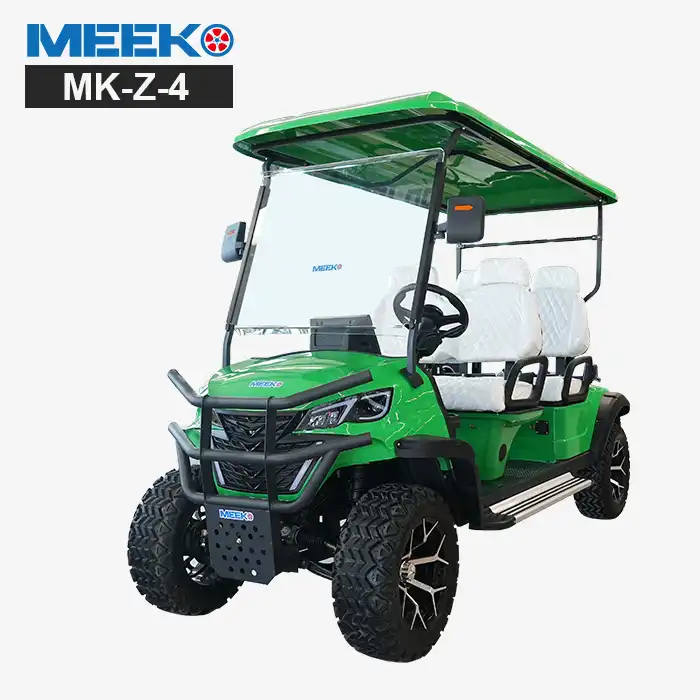
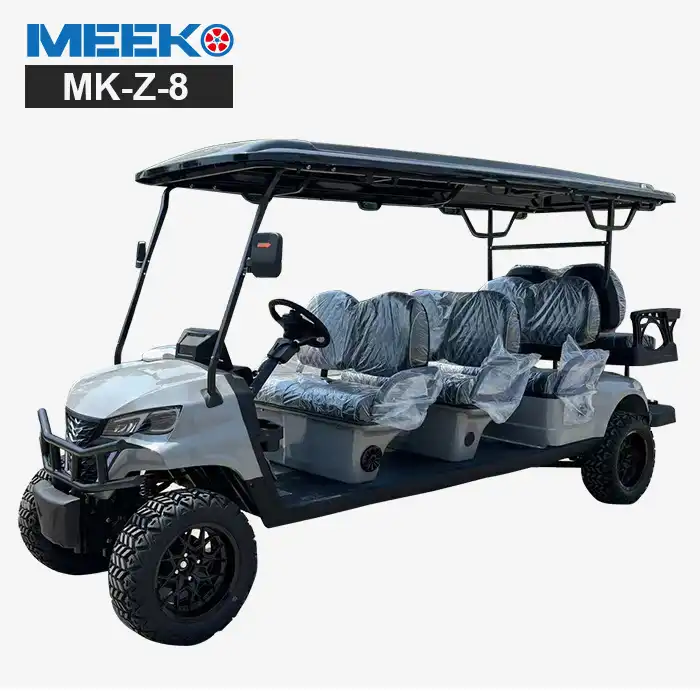
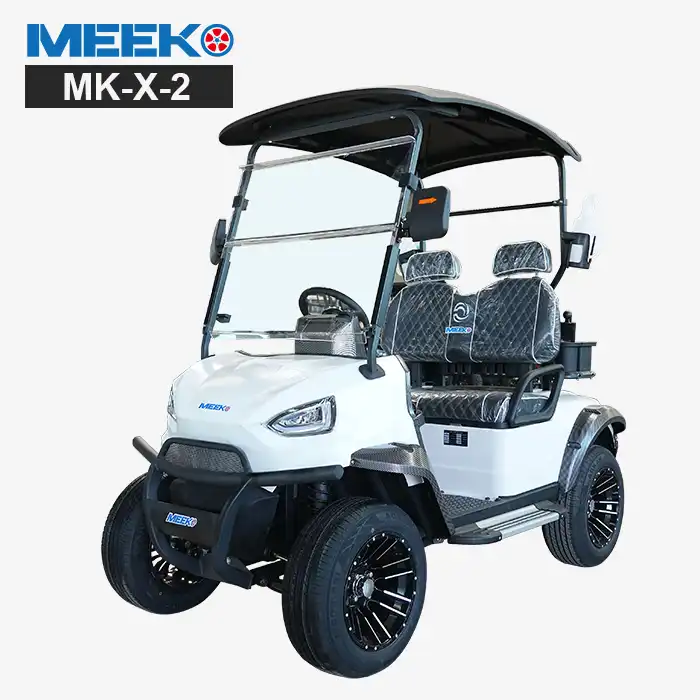
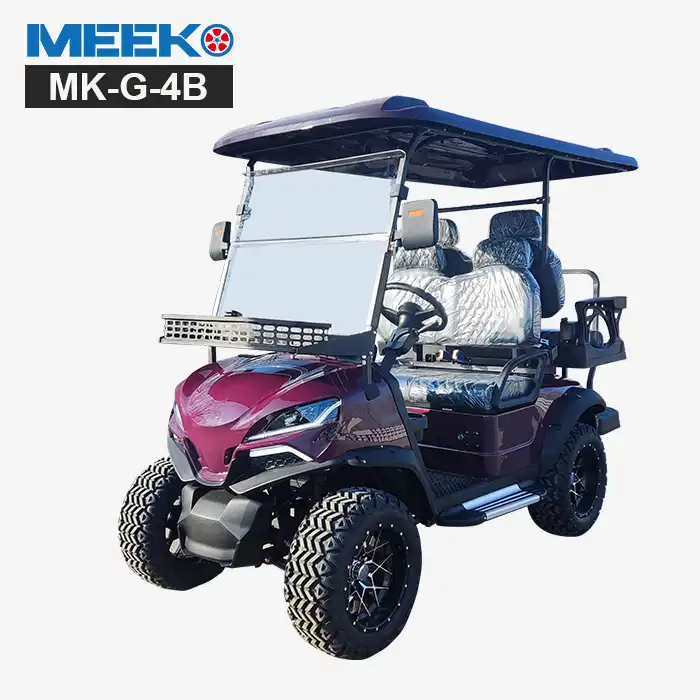
Choosing the best electric golf cart for your budget requires careful consideration of performance, features, and long-term value. Whether you're managing a golf course, resort facility, or industrial campus, the right electric cart combines operational efficiency with cost-effectiveness. Key factors include battery technology, customization options, manufacturer reputation, and total cost of ownership. By evaluating these elements alongside your specific requirements and financial constraints, you can select an electric golf cart that delivers reliable performance while maximizing your investment return.
Understanding the Electric Golf Cart Market Landscape
The electric golf cart market has undergone amazing transformations during the last decade. These flexible vehicles are currently used in a variety of settings other than golf courses, such as resort transportation, industrial facilities, and residential communities. Market data show that the global electric golf cart category is rising, owing to environmental initiatives and operating cost reduction targets. Modern electric carts have upgraded battery systems, increased range capabilities, and additional safety measures to satisfy changing user needs. Manufacturers have responded by creating complete product lines that meet a variety of budgets and operational needs. This market movement opens up options for purchasers to obtain high-quality electric vehicles at competitive prices. Understanding current market trends helps procurement professionals make informed decisions. The shift toward lithium-ion battery technology, increased customization options, and improved manufacturing processes have collectively enhanced product quality while maintaining affordability. These developments particularly benefit businesses seeking reliable electric transportation solutions that align with budget constraints.
Core Budget Considerations When Shopping for Electric Golf Carts
Establishing a realistic budget framework forms the foundation of successful electric golf cart procurement. Total cost analysis extends beyond initial purchase price to encompass ongoing operational expenses, maintenance requirements, and potential upgrade costs. This comprehensive approach ensures accurate financial planning and prevents unexpected expenses during the ownership period. Electric golf cart pricing typically ranges from basic models under $5,000 to premium configurations exceeding $15,000. Entry-level carts provide essential functionality suitable for light-duty applications, while higher-end models offer enhanced performance, extended range, and advanced features. Understanding these price tiers helps buyers identify options that match their operational needs and financial parameters. Financing options can significantly impact budget flexibility. Many manufacturers and dealers offer lease programs, extended payment plans, and bulk purchase discounts that make premium models more accessible. Evaluating these financial instruments alongside traditional purchasing helps optimize cash flow management while securing appropriate equipment.
Essential Performance Features That Determine Value
Performance characteristics directly influence electric golf cart value and operational effectiveness. Battery technology stands as the most critical component, with lithium-ion systems offering superior longevity, faster charging, and reduced maintenance compared to traditional lead-acid alternatives. While lithium batteries command higher upfront costs, their extended lifespan and improved efficiency often justify the additional investment. Range capacity affects daily operational flexibility and productivity. Most electric golf carts provide 20-40 miles per charge under normal conditions, though actual performance varies based on terrain, load weight, and driving patterns. Buyers should assess their typical usage requirements and select models with adequate range margins to accommodate varying operational demands. Speed capabilities and load capacity represent additional performance factors that impact utility and value. Standard electric carts typically reach 12-20 mph, while specialized models can achieve higher speeds for specific applications. Load capacity ranges from 500-1,200 pounds depending on model specifications, influencing suitability for cargo transport and passenger carrying requirements.
Customization Options and Their Budget Impact
Customization capabilities allow buyers to tailor electric golf carts to specific operational requirements while managing costs effectively. Modern manufacturers offer extensive modification options that enhance functionality without necessitating premium model purchases. These customization services enable budget-conscious buyers to achieve desired features through selective upgrades rather than comprehensive package purchases. Popular customization categories include seating configurations, cargo solutions, weather protection, and specialized equipment mounting. Each modification carries distinct cost implications that buyers can evaluate against operational benefits. Strategic customization planning helps optimize feature selection while maintaining budget discipline. Working with manufacturers who provide comprehensive customization services offers several advantages. These partnerships enable access to specialized components, professional installation, and integrated warranty coverage that protects customization investments. The ability to modify standard models according to specific requirements often provides better value than purchasing pre-configured premium units.
Safety Standards and Compliance Requirements
Safety considerations play crucial roles in electric golf cart selection, particularly for commercial and industrial applications. Modern electric carts incorporate advanced safety systems including regenerative braking, LED lighting, and reinforced frame construction. These features enhance operational security while reducing liability risks for business operators. Regulatory compliance requirements vary by location and intended use. Street-legal electric carts must meet specific equipment standards including headlights, turn signals, mirrors, and speed limiters. Understanding local regulations helps ensure selected models satisfy legal requirements while avoiding costly modifications or compliance issues. Warranty coverage provides essential protection for electric golf cart investments. Comprehensive warranties typically cover major components including batteries, motors, and control systems. Extended warranty options offer additional security for businesses requiring maximum uptime and predictable maintenance costs. Evaluating warranty terms alongside purchase price helps assess total value proposition.
Comparing Leading Electric Golf Cart Models
Contemporary electric golf cart markets offer numerous high-quality options across various price ranges. Leading manufacturers have developed diverse product portfolios that address different operational requirements and budget constraints. Comparative analysis helps identify models that provide optimal value for specific applications. Entry-level electric carts from reputable manufacturers typically feature reliable lead-acid battery systems, basic seating configurations, and standard safety equipment. These models suit applications requiring basic transportation functionality without advanced features. Mid-range options often incorporate improved battery technology, enhanced comfort features, and expanded customization possibilities. Premium electric golf carts provide advanced performance capabilities, sophisticated battery systems, and comprehensive feature packages. While these models command higher prices, their enhanced durability and expanded functionality can justify additional investment for demanding applications. Understanding the feature-to-price relationship across different model categories helps guide selection decisions.
Maintenance Planning and Long-term Ownership Costs
Effective maintenance planning significantly impacts electric golf cart ownership costs and operational reliability. Regular maintenance requirements include battery care, brake inspections, tire rotations, and electrical system checks. Establishing routine maintenance schedules helps prevent costly repairs while extending vehicle lifespan. Battery maintenance represents the most critical ongoing requirement for electric golf carts. Proper charging practices, regular cleaning, and periodic capacity testing help maximize battery life and performance. Understanding battery care requirements helps buyers budget for replacement costs and optimize operational efficiency. Access to quality service support and genuine replacement parts affects long-term ownership satisfaction. Manufacturers with established service networks and comprehensive parts inventory provide better ownership experiences compared to suppliers with limited support capabilities. Evaluating service availability during the selection process helps ensure continued operational reliability.
Frequently Asked Questions
Q1: What is the average lifespan of electric golf cart batteries?
A: Lead-acid batteries typically last 4-6 years with proper maintenance, while lithium-ion batteries can exceed 8-10 years. Battery lifespan depends on usage patterns, charging habits, and environmental conditions. Regular maintenance and proper charging practices significantly extend battery life and performance.
Q2: Are electric golf carts street legal in the United States?
A: Street legality varies by state and local jurisdiction. Many areas permit electric golf carts on roads with speed limits under 35 mph, provided they meet specific equipment requirements including headlights, turn signals, mirrors, and seat belts. Always verify local regulations before street operation.
Q3: How much can I save by purchasing directly from a manufacturer?
A: Direct manufacturer purchases typically save 15-30% compared to dealer pricing by eliminating middleman markup. Additional savings come from bulk order discounts, customization options, and direct technical support. Direct relationships also provide better access to warranty service and replacement parts.
Partner with Meeko for Your Electric Golf Cart Investment
Meeko stands as your trusted best electric golf cart manufacturer with nearly a decade of industry experience and proven expertise in delivering quality electric vehicles. Our comprehensive manufacturing capabilities enable us to provide customized solutions that match your exact requirements while maintaining competitive pricing that fits your budget.
Our direct-from-factory approach eliminates intermediary costs, allowing you to access premium electric golf carts at wholesale prices. With over 200 skilled employees and advanced manufacturing facilities, we maintain strict quality control throughout production while offering rapid delivery within one week of order confirmation. Our extensive parts inventory ensures ongoing support for all our electric vehicle models.
Ready to explore how Meeko can enhance your operations with the best electric golf cart solutions? Our experienced team provides personalized consultation to match your specific needs with optimal vehicle configurations. Contact us at sales@mingkomach.com to discuss your requirements and receive detailed quotations. Visit meekocars.com to discover our complete product range and customization capabilities.
Conclusion
Selecting the best electric golf cart for your budget requires balancing performance requirements, customization needs, and long-term operational costs. Success depends on understanding market options, evaluating total ownership expenses, and partnering with reputable manufacturers who provide comprehensive support. By focusing on essential features, maintenance requirements, and manufacturer reliability, you can secure an electric golf cart investment that delivers lasting value and operational efficiency for your specific applications.
References
1. National Golf Cart Manufacturers Association. "Electric Golf Cart Industry Standards and Safety Guidelines." Annual Industry Report, 2024.
2. Johnson, Michael R. "Battery Technology Advances in Electric Vehicle Applications." Journal of Sustainable Transportation, Vol. 15, 2024.
3. Transportation Research Institute. "Cost-Benefit Analysis of Electric vs. Gas-Powered Utility Vehicles." University Transportation Center, 2024.
4. American Society of Golf Course Architects. "Sustainable Transportation Solutions for Golf Course Operations." Professional Guidelines Manual, 2024.
5. Wilson, Sarah T. "Regulatory Compliance for Low-Speed Electric Vehicles in Commercial Applications." Industrial Safety Quarterly, Issue 3, 2024.
6. Electric Vehicle Maintenance Association. "Best Practices for Electric Golf Cart Fleet Management." Technical Bulletin Series, 2024.