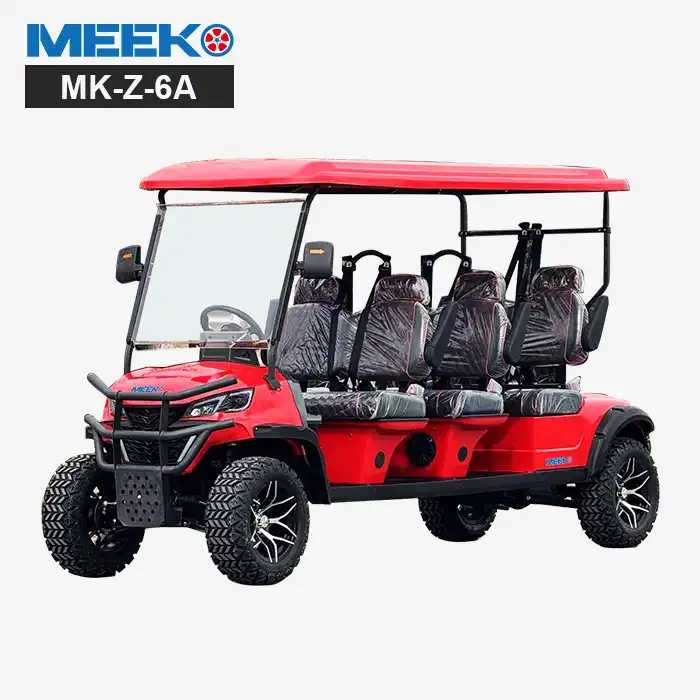
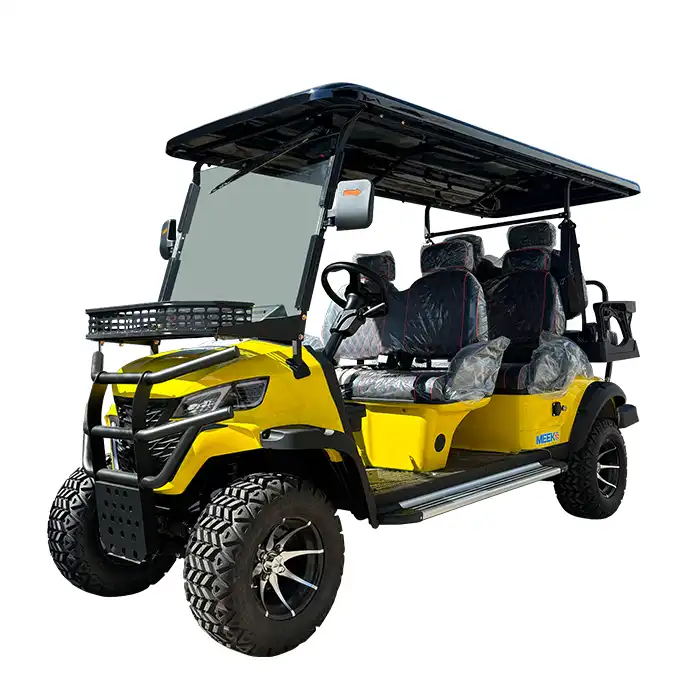
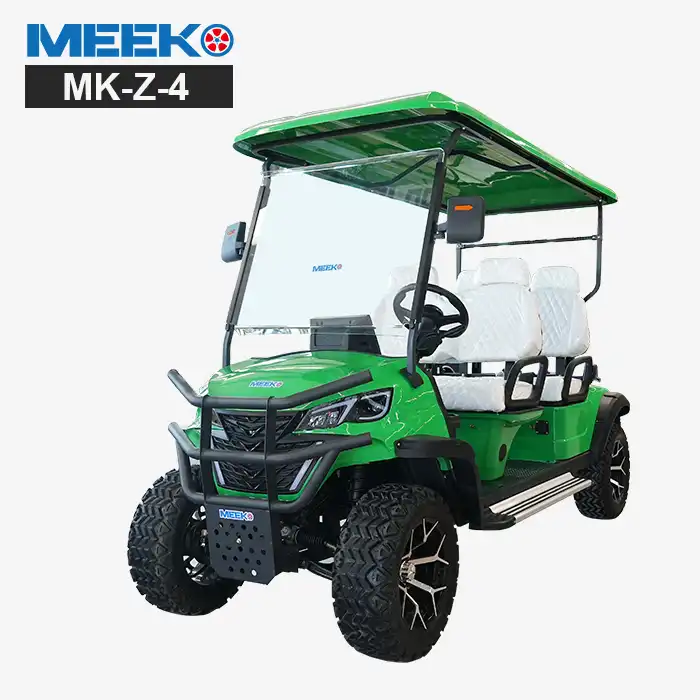
When searching for the best golf carts for your business or personal use, the choice between electric and gas-powered models represents one of the most crucial decisions you'll face. Electric golf carts offer quiet operation, lower maintenance costs, and environmental benefits, making them ideal for golf courses and residential communities. Gas carts provide superior power, longer range, and faster refueling capabilities, excelling in demanding terrain and heavy-duty applications. Understanding your specific needs, operational environment, and budget constraints will guide you toward the optimal solution for your requirements.
Understanding the Core Differences Between Electric and Gas Golf Carts
The fundamental distinction between electric and gas golf carts lies in their power sources and operational characteristics. Electric models utilize rechargeable battery systems, typically lithium-ion or lead-acid configurations, delivering consistent torque through electric motors. These carts operate silently, produce zero direct emissions, and require minimal mechanical maintenance compared to their gas counterparts. Gas-powered golf carts employ internal combustion engines, usually single or twin-cylinder configurations, burning gasoline to generate power. These engines deliver higher horsepower output, enabling faster speeds and better performance on steep inclines or rough terrain. The mechanical complexity of gas engines demands regular maintenance schedules, including oil changes, air filter replacements, and spark plug servicing. Performance characteristics vary significantly between the two technologies. Electric carts typically achieve speeds of 15-20 mph, while gas models can reach 20-25 mph. Battery-powered vehicles excel in stop-and-go applications, delivering instant torque from zero RPM. Gas carts demonstrate superior sustained power output, making them suitable for continuous heavy-duty operations where consistent performance matters most.
Evaluating Use Cases and Buyer Needs for Optimal Golf Cart Selection
It takes careful consideration of your intended uses and operational needs to choose the right kind of golf cart. This assessment is essential for optimizing the value of your investment since different surroundings and use cases favor particular technologies. Electric models are usually preferred by golf courses because they operate quietly and don't interfere with players' ability to focus. The overall golfing experience is improved by the calmer atmosphere created by the lack of motor noise. Electric carts also remove exhaust pollutants, upholding air quality regulations that are crucial for outdoor recreation areas. Industrial and commercial applications often benefit from gas-powered carts when heavy lifting, towing, or all-terrain capabilities are essential. Construction sites, large warehouses, and outdoor maintenance operations frequently require the robust power and extended range that gas engines provide. These environments also offer convenient fuel access, making refueling logistics straightforward. Terrain considerations play a decisive role in cart selection. Electric models perform excellently on flat or gently sloping surfaces, typical of most golf courses and paved pathways. However, steep hills, loose gravel, or muddy conditions may challenge battery-powered systems, particularly as charge levels decrease. Gas carts maintain consistent power output regardless of terrain demands, making them superior choices for challenging landscapes.
Critical Comparison Metrics for B2B Procurement Managers
Business buyers must evaluate multiple financial and operational factors when selecting between electric and gas golf carts. The total cost of ownership extends far beyond initial purchase prices, encompassing fuel costs, maintenance expenses, and depreciation rates over the vehicle's lifespan. Electric carts typically command higher upfront prices due to battery technology costs, with quality lithium-ion systems representing significant investments. However, operational expenses favor electric models through lower fuel costs and reduced maintenance requirements. Electricity costs substantially less than gasoline per mile of operation, while electric motors require minimal servicing compared to internal combustion engines. Gas carts often feature lower initial purchase prices, making them attractive for budget-conscious buyers. Nevertheless, ongoing fuel expenses and regular mechanical maintenance can accumulate significant costs over time. Oil changes, filter replacements, and engine repairs create recurring expenses that electric cart owners avoid entirely. Reliability considerations influence procurement decisions, particularly for businesses requiring consistent daily operations. Electric carts demonstrate fewer mechanical failure points, as electric motors contain fewer moving parts than gas engines. Battery degradation represents the primary long-term concern for electric models, while gas carts face various engine-related maintenance issues throughout their service lives.
Performance Analysis: Electric vs Gas Golf Cart Capabilities
Real-world performance characteristics significantly impact user satisfaction and operational efficiency. Understanding these differences helps buyers align their choices with specific performance requirements and expectations. Electric golf carts deliver impressive acceleration due to instant torque availability, providing smooth and responsive operation. Modern lithium-ion battery systems offer 36-48 volt configurations, delivering consistent power output throughout most of the charge cycle. Range capabilities typically span 25-40 miles per charge, depending on terrain, passenger load, and driving habits. Charging infrastructure requirements represent important considerations for electric cart adoption. Standard 110V outlets accommodate basic charging needs, though 220V systems reduce charging time significantly. Complete charging cycles typically require 6-8 hours using standard chargers, making overnight charging the preferred approach for most users. Gas-powered carts provide extended range capabilities, limited only by fuel tank capacity and fuel availability. Most gas models achieve 150-200 miles per tank, eliminating range anxiety common with battery-powered alternatives. Refueling takes mere minutes, allowing continuous operation without lengthy downtime periods. Weight-carrying capacity often favors gas models, as their engines generate sufficient power for heavy loads without performance degradation. Electric carts may experience reduced range and slower acceleration when carrying maximum passenger or cargo loads, particularly on inclined surfaces.
Environmental Impact and Sustainability Considerations
Environmental consciousness increasingly influences purchasing decisions across industries, making sustainability factors relevant for modern golf cart selection. Organizations prioritizing green initiatives often evaluate environmental impacts alongside traditional performance metrics. Electric golf carts produce zero direct emissions during operation, contributing to improved local air quality. This advantage proves particularly valuable in enclosed or semi-enclosed environments where exhaust fumes could accumulate. Golf courses, retirement communities, and recreational facilities benefit from cleaner air quality that electric operation provides. The environmental impact of electric carts depends partly on local electricity generation methods. Regions utilizing renewable energy sources maximize the environmental benefits of electric vehicle adoption. Even areas relying on fossil fuel power generation typically demonstrate lower overall emissions through electric vehicles due to power plant efficiency advantages over individual internal combustion engines. Battery disposal and recycling represent important environmental considerations for electric cart ownership. Responsible disposal practices ensure that battery materials enter recycling streams rather than landfills. Many manufacturers now offer take-back programs for end-of-life batteries, facilitating proper recycling and material recovery.
Maintenance Requirements and Long-term Ownership Costs
Understanding maintenance obligations helps buyers prepare for long-term ownership expenses and operational planning. The maintenance requirements differ substantially between electric and gas golf carts, affecting both costs and downtime schedules. Electric cart maintenance focuses primarily on battery care, tire rotation, and basic mechanical inspections. Battery maintenance involves regular charging, terminal cleaning, and voltage monitoring to ensure optimal performance and longevity. Proper battery care can extend service life to 4-6 years for lead-acid systems or 8-10 years for lithium-ion configurations. Gas cart maintenance encompasses traditional automotive service requirements, including regular oil changes, air filter replacements, spark plug servicing, and fuel system maintenance. These services typically occur every 125-150 hours of operation or annually, whichever comes sooner. Engine tune-ups, carburetor adjustments, and emission system maintenance add complexity and cost to gas cart ownership. Parts availability and service accessibility vary between cart types and manufacturers. Gas carts often utilize standard automotive components, making replacement parts readily available through multiple suppliers. Electric cart components may require specialized sourcing, though reputable manufacturers maintain extensive parts inventories to support their products.
Why Choose Meeko for Your Golf Cart Needs?
Selecting the right golf cart manufacturer can make the difference between a satisfactory purchase and an exceptional long-term investment. Meeko stands out among best golf carts suppliers through our comprehensive approach to customer satisfaction and product quality. Our OEM service capabilities enable personalized design solutions tailored to your specific requirements. With diverse manufacturing molds and extensive customization options, we create golf carts that match your exact specifications for style, functionality, and performance. Whether you need specific color schemes, battery configurations, or specialized seating arrangements, our experienced design team brings your vision to reality.
Competitive pricing remains central to our value proposition. We understand that businesses and individuals need quality golf carts at affordable prices, which is why we offer direct factory pricing that eliminates middleman markups. This approach delivers significant savings while maintaining the highest quality standards throughout our manufacturing process. Fast delivery capabilities ensure that your operations don't face unnecessary delays. Once we receive your order, our streamlined production system typically delivers within one week, minimizing downtime and keeping your projects on schedule. This rapid turnaround time reflects our efficient manufacturing processes and commitment to customer satisfaction.
Comprehensive after-sales support protects your investment through extensive parts and accessories inventory. We maintain stock for the most popular makes and models, ensuring quick shipment when warranty coverage applies. Our dedicated support team addresses technical questions, maintenance guidance, and replacement part needs throughout your cart's service life. Ready to explore premium electric golf cart solutions that combine performance, reliability, and exceptional value? Contact us at sales@mingkomach.com to discuss your specific requirements and discover why businesses worldwide choose Meeko as their trusted best golf carts manufacturer. For detailed product specifications and additional information, please visit our website at meekocars.com.
Frequently Asked Questions
Q1: How long do electric golf cart batteries typically last?
A: Electric golf cart battery lifespan varies by type and usage patterns. Lead-acid batteries generally last 4-6 years with proper maintenance, while lithium-ion batteries can provide 8-10 years of reliable service. Factors affecting battery life include charging habits, temperature exposure, and frequency of use.
Q2: Can gas golf carts be used indoors safely?
A: Gas golf carts should not operate in enclosed spaces due to carbon monoxide emissions and fire hazards. Electric carts are the preferred choice for indoor applications, warehouses, or covered facilities where ventilation may be limited.
Q3: Which type of golf cart offers better resale value?
A: Both electric and gas golf carts can maintain good resale value depending on brand reputation, maintenance history, and market demand. Well-maintained electric carts with newer battery systems often command premium prices, while gas carts with documented service records also retain value effectively.
Conclusion
Choosing between electric and gas golf carts ultimately depends on your specific operational needs, budget considerations, and performance requirements. Electric carts excel in quiet environments, offer lower operating costs, and provide environmental benefits that align with sustainability goals. Gas carts deliver superior power, extended range, and rapid refueling capabilities ideal for demanding applications. Successful cart selection requires careful evaluation of your intended use cases, maintenance capabilities, and long-term cost projections. Both technologies offer distinct advantages that serve different market segments effectively. By understanding these differences and aligning them with your requirements, you can make an informed decision that maximizes value and operational efficiency for years to come.