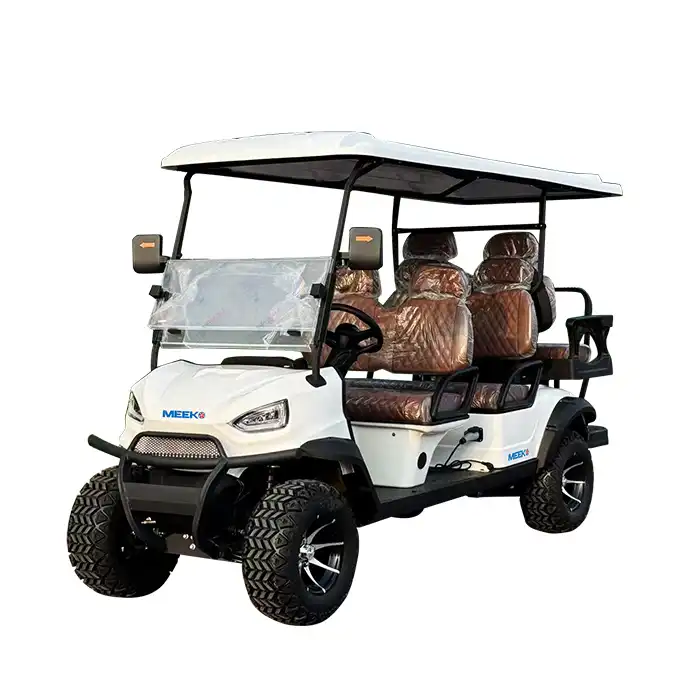
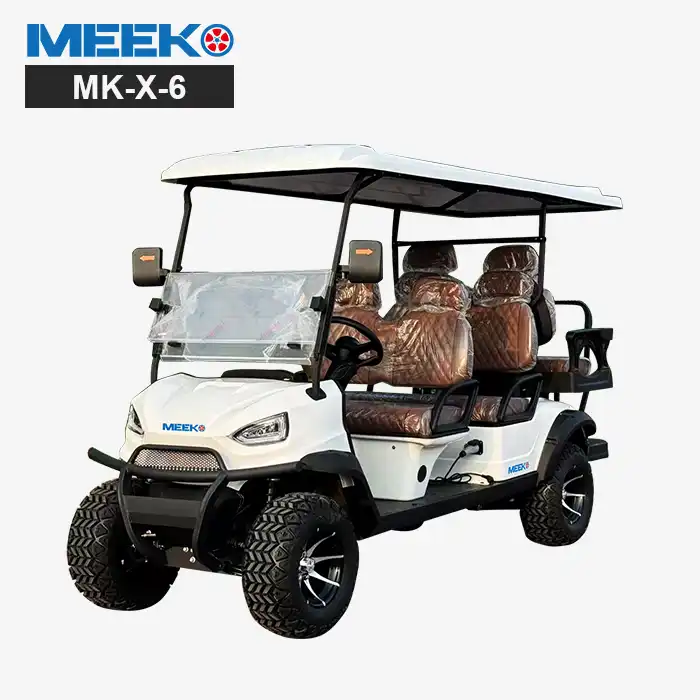
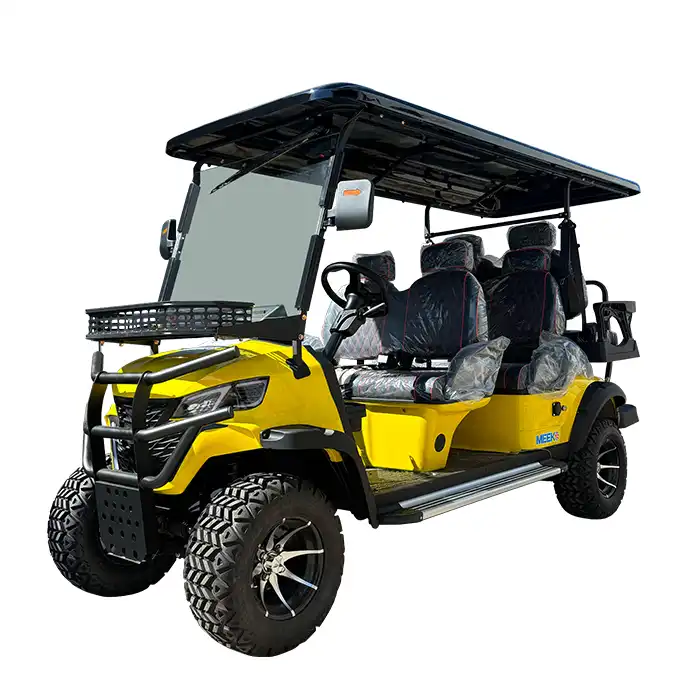
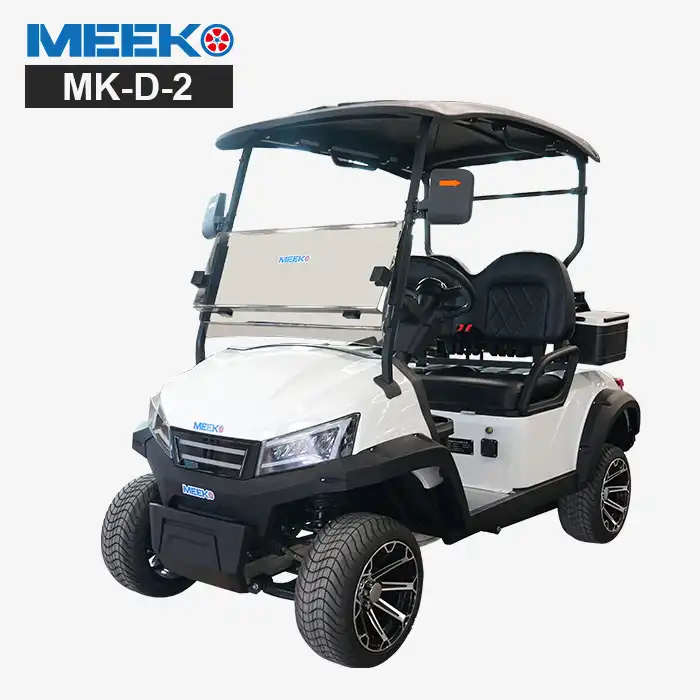
Selecting a 4 person street legal golf cart for family use requires careful consideration of safety features, legal compliance, performance specifications, and practical functionality. These versatile vehicles offer an eco-friendly alternative for neighborhood transportation, allowing families to navigate residential areas while adhering to local traffic regulations. Understanding key factors such as battery life, safety equipment, comfort features, and regulatory requirements ensures you make an informed decision that meets your family's specific mobility needs.
Understanding Street Legal Golf Cart Requirements
Street legal golf carts must meet specific federal and state safety standards to operate legally on public roads. The National Highway Traffic Safety Administration mandates that low-speed vehicles (LSVs) include essential safety equipment such as headlights, taillights, turn signals, mirrors, seat belts, and a vehicle identification number. These requirements distinguish street legal models from standard golf course vehicles. Most jurisdictions restrict these vehicles to roads with speed limits of 35 mph or less. The maximum speed for street legal golf carts typically ranges between 20-25 mph, making them suitable for residential neighborhoods, retirement communities, and designated low-speed zones. Registration and insurance requirements vary by state, with some requiring standard vehicle registration while others offer simplified processes for low-speed vehicles. Understanding your local regulations prevents costly compliance issues and ensures safe operation. Many manufacturers provide guidance on meeting regional requirements, but verifying specific rules with local Department of Motor Vehicles offices remains essential for legal operation.
Safety Features and Family Protection
When selecting family transportation, safety concerns become crucial. Several safety features are built into contemporary electric golf carts to keep passengers safe both in regular use and in an emergency. Automotive-grade lighting systems, dependable braking systems, and appropriately fitted seat belts for every passenger are essential safety components. With strengthened frames, impact-resistant windshields, and improved suspension systems that increase stability during twists and abrupt stops, advanced versions provide further protection. Visibility enhancements such as LED lighting packages, backup cameras, and extended mirrors significantly improve operational safety. These features help drivers navigate residential traffic, parking situations, and low-light conditions more effectively. Some manufacturers integrate smart safety technologies including speed governors, automatic braking assistance, and proximity sensors. Child safety considerations require special attention when evaluating family-oriented models. Look for vehicles with secure seating configurations, child-proof locks, and adequate restraint systems suitable for younger passengers. The seating layout should provide comfortable accommodation for family members of different ages and sizes.
Performance and Battery Technology
Electric powertrains dominate the street legal golf cart market due to their quiet operation, environmental benefits, and lower maintenance requirements. Battery technology directly impacts vehicle performance, operational range, and long-term ownership costs. Lithium-ion batteries represent the current technology standard, offering superior energy density, longer lifespan, and faster charging compared to traditional lead-acid alternatives. A quality lithium battery system typically provides 30-50 miles of range per charge, depending on terrain, passenger load, and driving conditions. Charging times vary from 4-8 hours using standard household outlets, with some systems supporting faster charging options. Motor specifications affect acceleration, hill-climbing capability, and overall performance. Most family-oriented models feature motors ranging from 3-10 horsepower, providing adequate power for residential transportation while maintaining efficiency. Consider your typical usage patterns, including passenger loads and terrain challenges, when evaluating motor requirements. Regenerative braking systems capture energy during deceleration, extending battery range and reducing wear on traditional brake components. This technology proves particularly beneficial in hilly areas where frequent braking occurs.
Comfort and Convenience Features
Family comfort directly impacts vehicle usability and passenger satisfaction. Ergonomic seating, weather protection, and storage capacity significantly influence daily operation experience. Seating configurations vary among manufacturers, with options including bench seating, individual bucket seats, and flip-fold designs that maximize passenger capacity or cargo space as needed. Quality upholstery materials resist weather exposure and provide comfortable support during extended use. Adjustable seating positions accommodate drivers of different heights and preferences. Weather protection options range from basic canopy tops to fully enclosed cabins with doors and windows. Climate considerations in your area influence the appropriate level of weather protection. Enclosed models offer year-round usability but increase vehicle cost and complexity. Storage solutions enhance practical utility through cargo beds, under-seat compartments, and accessory mounting points. Families benefit from adequate storage for groceries, recreational equipment, and personal items during neighborhood trips.
Maintenance and Long-Term Ownership
Regular maintenance ensures reliable operation and extends vehicle lifespan. Electric golf carts require less maintenance than gas-powered alternatives, but routine care remains essential for optimal performance. Battery maintenance involves monitoring charge levels, cleaning terminals, and following manufacturer charging protocols. Proper battery care significantly impacts lifespan and performance, with quality lithium systems lasting 5-7 years under normal usage conditions. Tire maintenance, brake inspections, and electrical system checks should occur regularly according to manufacturer recommendations. Parts availability and service support influence long-term ownership satisfaction. Established manufacturers typically provide comprehensive parts networks and authorized service centers, ensuring timely repairs and maintenance support. Consider warranty coverage, which varies from basic 1-year protection to comprehensive 4-year programs covering major components. Total ownership costs include initial purchase price, insurance, registration fees, electricity costs, and maintenance expenses. Electric models generally offer lower operating costs compared to gas alternatives, with minimal fuel expenses and reduced maintenance requirements.
Customization and Brand Selection
Customization options allow families to tailor vehicles to specific preferences and requirements. Leading manufacturers offer extensive personalization programs covering aesthetic and functional modifications. Popular customization options include custom paint schemes, upgraded seating materials, enhanced lighting packages, and performance modifications. Functional accessories such as cargo boxes, bike racks, and weather enclosures expand vehicle utility for family activities and daily transportation needs. Brand reputation influences reliability, resale value, and long-term satisfaction. Established manufacturers with proven track records typically offer superior build quality, comprehensive warranties, and extensive dealer networks. Research customer reviews, reliability ratings, and manufacturer history when evaluating different brands. Emerging manufacturers may offer competitive pricing and innovative features but consider long-term support capabilities and parts availability. Balance initial cost savings against potential future service challenges when selecting lesser-known brands.
Frequently Asked Questions
Q1: How much does a quality 4 person street legal golf cart cost?
A: Prices typically range from $8,000 to $15,000 for new models, depending on features, battery technology, and customization options. Used vehicles may cost $4,000 to $8,000, though battery condition significantly affects value in electric models.
Q2: Can I drive a street legal golf cart on highways?
A: No, street legal golf carts are restricted to roads with speed limits of 35 mph or lower. Highway operation is prohibited due to speed and safety limitations of low-speed vehicle classifications.
Q3: What type of driver's license is required for operating a street legal golf cart?
A: Most states require a standard driver's license for street legal golf cart operation. Some jurisdictions allow operation with learner's permits under adult supervision, but specific requirements vary by location.
Choose Meeko for Your Family Golf Cart Needs
Selecting the right 4 person street legal golf cart manufacturer ensures quality, reliability, and comprehensive support throughout your ownership experience. Meeko New Energy Tech stands out as a trusted supplier with nearly a decade of manufacturing expertise and commitment to customer satisfaction. Our comprehensive customization capabilities allow families to design vehicles that meet specific requirements, from color schemes and seating configurations to battery options and safety enhancements. As a direct manufacturer, we eliminate middleman costs while maintaining strict quality control throughout the production process. Our experienced technical team collaborates with customers to create personalized solutions that balance functionality, safety, and affordability.
Quality assurance remains central to our manufacturing philosophy, with rigorous testing protocols ensuring each vehicle meets safety standards and performance expectations. Our responsive after-sales support team maintains extensive parts inventory and provides prompt assistance for maintenance needs and warranty claims. Fast delivery capabilities typically fulfill orders within one week of confirmation, minimizing wait times for eager families. Whether you need a single family vehicle or fleet procurement for larger organizations, our flexible approach accommodates diverse requirements while maintaining competitive pricing. We welcome international customers and provide comprehensive support for shipping, documentation, and regulatory compliance. To explore our complete range of street legal golf carts and discuss your specific needs, Contact us at sales@mingkomach.com or visit meekocars.com for detailed product information.
Conclusion
Choosing a 4 person street legal golf cart for family use involves balancing safety, performance, comfort, and regulatory compliance. Key considerations include understanding local legal requirements, evaluating safety features, assessing battery technology and range capabilities, and selecting appropriate comfort and convenience options. Proper research of manufacturers, warranty coverage, and long-term support ensures satisfactory ownership experience. The investment in a quality street legal golf cart provides families with efficient, environmentally friendly neighborhood transportation while meeting safety standards and regulatory requirements.
References
1. National Highway Traffic Safety Administration. "Federal Motor Vehicle Safety Standards for Low Speed Vehicles." Department of Transportation Safety Regulations, 2023.
2. Johnson, Michael R. "Electric Vehicle Battery Technology: Advances in Lithium-Ion Systems for Light Duty Transportation." Journal of Sustainable Transportation, Vol. 15, No. 3, 2023.
3. American Association of Motor Vehicle Administrators. "State Regulations for Low Speed Vehicle Operation and Registration Requirements." AAMVA Policy Guidelines, 2023.
4. Thompson, Sarah K. "Safety Performance Analysis of Street Legal Golf Carts in Residential Communities." Transportation Safety Research Quarterly, Vol. 28, No. 2, 2023.
5. Green Transportation Institute. "Environmental Impact Assessment of Electric Golf Cart Usage in Urban Communities." Sustainable Mobility Report, 2023.
6. Martinez, Carlos A. "Consumer Guide to Low Speed Vehicle Ownership: Maintenance, Costs, and Regulatory Compliance." Automotive Consumer Research, 2023.