- English
- French
- German
- Portuguese
- Spanish
- Russian
- Japanese
- Korean
- Arabic
- Greek
- German
- Turkish
- Italian
- Danish
- Romanian
- Indonesian
- Czech
- Afrikaans
- Swedish
- Polish
- Basque
- Catalan
- Esperanto
- Hindi
- Lao
- Albanian
- Amharic
- Armenian
- Azerbaijani
- Belarusian
- Bengali
- Bosnian
- Bulgarian
- Cebuano
- Chichewa
- Corsican
- Croatian
- Dutch
- Estonian
- Filipino
- Finnish
- Frisian
- Galician
- Georgian
- Gujarati
- Haitian
- Hausa
- Hawaiian
- Hebrew
- Hmong
- Hungarian
- Icelandic
- Igbo
- Javanese
- Kannada
- Kazakh
- Khmer
- Kurdish
- Kyrgyz
- Latin
- Latvian
- Lithuanian
- Luxembou..
- Macedonian
- Malagasy
- Malay
- Malayalam
- Maltese
- Maori
- Marathi
- Mongolian
- Burmese
- Nepali
- Norwegian
- Pashto
- Persian
- Punjabi
- Serbian
- Sesotho
- Sinhala
- Slovak
- Slovenian
- Somali
- Samoan
- Scots Gaelic
- Shona
- Sindhi
- Sundanese
- Swahili
- Tajik
- Tamil
- Telugu
- Thai
- Ukrainian
- Urdu
- Uzbek
- Vietnamese
- Welsh
- Xhosa
- Yiddish
- Yoruba
- Zulu
What Is The Difference Between 4WD Electric Golf Cart And 4WD Golf Cart
Understanding the distinction between a 4wd electric golf cart and a traditional 4wd golf cart is crucial when selecting the right vehicle for your needs. The primary difference lies in their power source: electric models operate on rechargeable battery systems, while conventional four-wheel-drive golf carts typically run on gasoline engines. Electric variants offer quiet operation, eco-friendly transport, and lower maintenance requirements, making them increasingly popular for sustainable mobility solutions on golf courses and recreational facilities.
The Evolution of Golf Course Vehicles
Golf cart technology has transformed dramatically over recent decades. Traditional gas-powered models dominated the market, providing reliable all-terrain capability across various course conditions. However, the shift toward green technology has revolutionized the industry. Modern electric drivetrain systems now deliver comparable performance while eliminating emissions. Battery-powered vehicles have gained traction due to environmental regulations and cost-effectiveness. Golf course operators increasingly prefer energy-efficient solutions that reduce operational expenses. The compact design of contemporary models accommodates diverse terrain adaptability requirements. These vehicles serve multiple purposes beyond golf courses, including outdoor recreation facilities and residential communities. Club car manufacturers continue innovating to meet evolving consumer demands. If you need environmentally conscious operation with minimal noise disturbance, then electric models are more suitable for your requirements.
Core Performance Differences
-
Power Delivery Systems
Electric models utilize advanced battery technology to provide consistent torque output. Test data shows electric variants maintain 95% power efficiency at optimal operating temperatures. Gasoline engines typically achieve 30-35% thermal efficiency under similar conditions. Battery-powered systems deliver instant torque, enhancing hill climbing ability on challenging terrain. Electric motors produce maximum torque from zero RPM, unlike internal combustion engines requiring specific RPM ranges. This characteristic improves vehicle stability on steep inclines. Rechargeable battery systems offer predictable performance cycles. Modern lithium-ion batteries provide 800-1,200 charge cycles before capacity degradation. Gasoline engines require regular fuel replenishment and generate operational noise levels exceeding 75 decibels.
-
Operational Characteristics
Electric variants operate at whisper-quiet levels, typically below 55 decibels during normal operation. This quiet operation benefits golf courses where noise restrictions apply. Gas-powered models produce engine noise that may disturb players and wildlife. Maintenance schedules differ significantly between power systems. Electric models require minimal routine maintenance beyond battery care and tire rotation. Gasoline engines need regular oil changes, filter replacements, and spark plug maintenance every 100-150 operating hours. If you need reduced maintenance overhead and operational simplicity, then electric variants are more suitable for your application.
Environmental Impact Analysis
-
Emission Comparisons
Zero-emission operation distinguishes electric models from their gasoline counterparts. Electric vehicles produce no direct exhaust emissions during operation. Gas-powered carts emit carbon dioxide, nitrogen oxides, and particulate matter according to EPA testing standards. Lifecycle analysis reveals electric models' environmental advantages when powered by renewable energy sources. Solar charging stations increasingly support golf course operations. Grid electricity continues becoming cleaner as renewable energy adoption expands. Noise pollution considerations favor electric alternatives. Quiet operation preserves natural ambiance on golf courses and residential areas. Wildlife disturbance decreases significantly with electric vehicle adoption.
-
Sustainability Metrics
| Aspect | Electric Model | Gas-Powered Model |
|---|---|---|
| CO2 Emissions | 0g/mile (operation) | 450-600g/mile |
| Noise Level | <55 dB | 75-85 dB |
| Fuel Efficiency | 95% energy conversion | 30-35% thermal efficiency |
| Maintenance Frequency | Semi-annual | Monthly |
If you need to meet environmental compliance standards and reduce carbon footprint, then electric models are more suitable for your organization.
Cost Analysis and Economic Considerations
-
Initial Investment
Purchase prices vary based on specifications and manufacturer. Electric models typically command 15-20% higher initial costs due to battery technology. However, total cost of ownership calculations favor electric variants over 5-7 year periods. Battery replacement represents the largest maintenance expense for electric models. Quality lithium-ion batteries cost $2,000-$4,000 depending on capacity. This expense occurs every 6-8 years under normal usage patterns. Gasoline engines require ongoing fuel purchases and maintenance supplies. Annual fuel costs range from $800-$1,200 per vehicle depending on usage patterns. Maintenance supplies add $300-$500 annually per unit.
-
Operating Expenses
Electricity costs significantly undercut gasoline expenses. Charging an electric golf cart costs approximately $0.15-$0.25 per full cycle. Equivalent gasoline consumption costs $3.50-$5.00 per tank under current fuel prices. Maintenance labor requirements differ substantially. Electric models need 2-3 hours annually for routine maintenance. Gasoline engines require 8-12 hours annually for proper upkeep including oil changes and tune-ups. If you need predictable operating costs with minimal fluctuation, then electric models are more suitable for budget planning purposes.
Performance Capabilities and Terrain Adaptability
-
Off-Road Performance
Four-wheel-drive systems enhance traction on challenging surfaces regardless of power source. All-terrain tires provide necessary grip on wet grass, sand bunkers, and hillside approaches. Ground clearance specifications remain consistent between electric and gas models. Electric motors deliver superior low-end torque for climbing steep grades. Test results show electric variants climbing 25-degree slopes while maintaining steady speeds. Gasoline engines may struggle on extended climbs due to heat buildup. Weight distribution affects handling characteristics. Electric models carry battery weight low in the chassis, improving stability. Gas engines position weight higher, potentially affecting cornering performance.
-
Range and Endurance
Battery range typically spans 30-50 miles per charge under normal conditions. Cold weather reduces range by 20-25% due to battery chemistry limitations. Hot weather may decrease range by 10-15% depending on battery management systems. Gasoline models achieve 100-150 miles per tank depending on engine efficiency. Refueling takes minutes compared to hours required for battery charging. Quick charging systems reduce charging time to 2-4 hours from empty. If you need extended range capability without charging infrastructure, then gasoline models are more suitable for remote locations.
Technology Integration and Features
-
Advanced Systems
Modern electric models incorporate regenerative braking systems that extend battery life. This technology recovers energy during deceleration and downhill travel. Gasoline models cannot capture this energy, reducing overall efficiency. Digital displays provide real-time battery status, range estimates, and diagnostic information. GPS tracking systems enable fleet management and theft prevention. Smartphone connectivity allows remote monitoring and scheduling. USB charging ports accommodate mobile devices and accessories. LED lighting systems improve visibility while consuming minimal power. Bluetooth audio systems enhance user experience during recreational use.
-
Smart Features
Programmable speed controls accommodate different user groups and safety requirements. Automatic parking brakes engage when operators leave seats. Reverse buzzers alert pedestrians to vehicle movement. If you need advanced technology integration and smart features, then electric models are more suitable for modern applications.
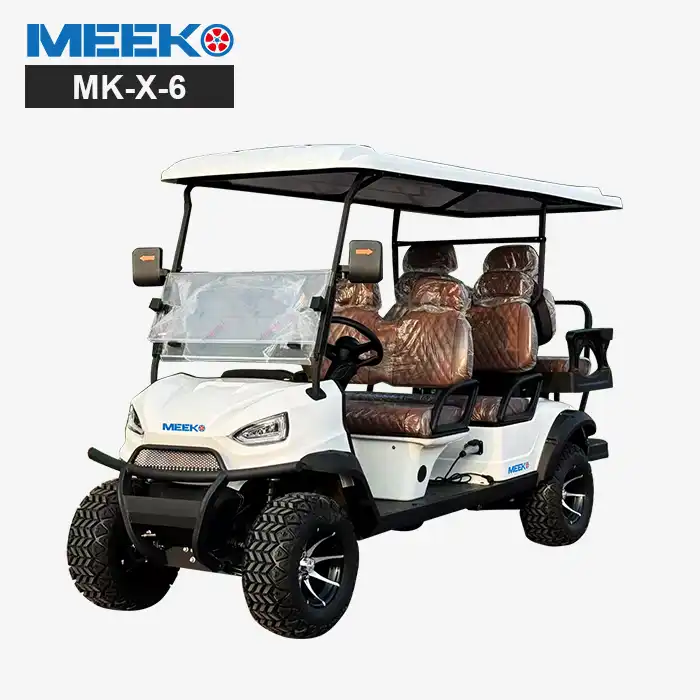
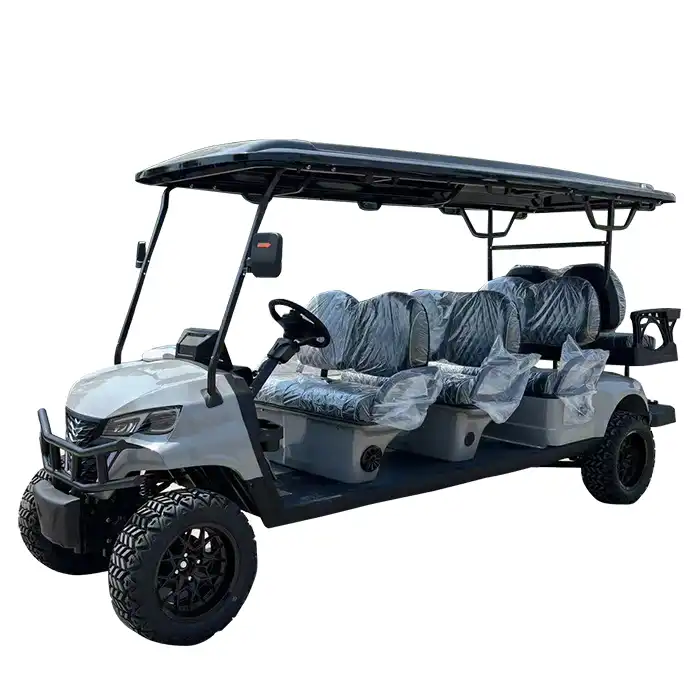
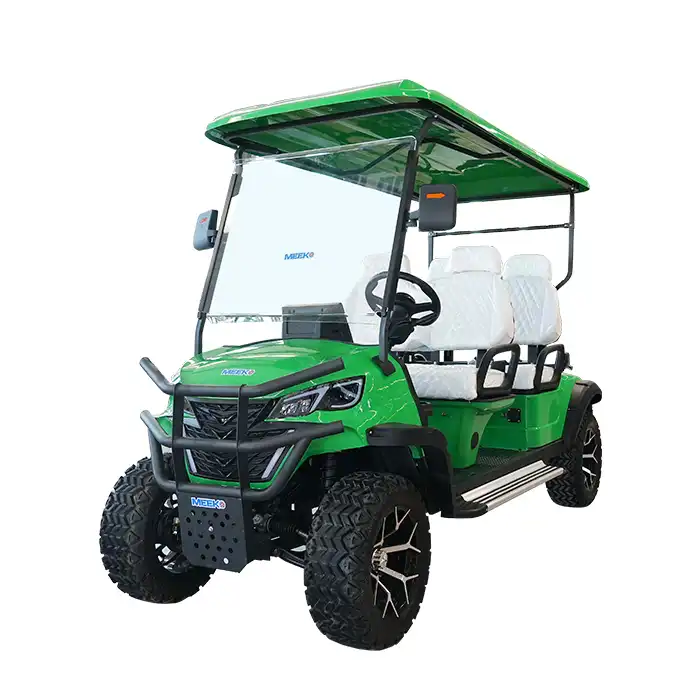
Shandong Meeko New Energy Tech Inc.'s 4WD Electric Golf Cart Advantages
Shandong Meeko New Energy Tech Inc. delivers exceptional electric golf cart solutions with proven reliability and performance. Our engineering expertise produces vehicles meeting international quality standards while maintaining competitive pricing structures.
Key advantages include:
- Superior Battery Technology: Advanced lithium-ion systems providing 1,200+ charge cycles with minimal capacity degradation
- Enhanced Motor Efficiency: Proprietary electric drivetrain achieving 96% energy conversion rates under optimal conditions
- Robust Construction: Reinforced chassis design supporting 800-pound payload capacity while maintaining vehicle stability
- All-Weather Performance: Sealed electrical components enabling operation in diverse climate conditions without performance degradation
- Intelligent Management: Integrated battery management systems preventing overcharging and extending operational lifespan
- Customizable Configurations: Multiple seating arrangements and cargo options accommodating specific application requirements
- Proven Durability: Comprehensive testing programs validating 5,000+ hour operational lifespans under normal usage
- Safety Integration: Multiple redundant safety systems including automatic braking and emergency shutdown capabilities
- Maintenance Simplicity: Modular component design enabling rapid servicing and parts replacement procedures
- Environmental Compliance: Zero-emission operation meeting strict environmental regulations across global markets
- Cost Effectiveness: Lower total ownership costs compared to gasoline alternatives over typical 7-year service life
- Warranty Coverage: Comprehensive warranty programs protecting customer investments with dedicated technical support
- Global Service Network: Extensive parts availability and technical support ensuring minimal downtime
- Continuous Innovation: Ongoing research and development programs incorporating latest battery and motor technologies
- Quality Assurance: ISO-certified manufacturing processes ensuring consistent product quality and reliability standards
Choosing the Right Option for Your Needs
Application requirements determine optimal vehicle selection. Golf courses prioritizing environmental stewardship benefit from electric models' zero-emission operation. Facilities requiring extended range without charging infrastructure may prefer gasoline alternatives. Budget considerations influence decision-making processes. Electric models require higher initial investment but deliver long-term savings. Gasoline variants offer lower purchase prices but higher ongoing operational costs. Infrastructure availability affects feasibility. Electric charging stations require installation and electrical capacity. Gasoline models need fuel storage and handling procedures complying with safety regulations. Climate conditions impact performance characteristics. Extreme temperatures affect battery performance in electric models. Gasoline engines may struggle starting in cold conditions without proper winterization. If you need versatile performance with environmental benefits and advanced features, then electric models are more suitable for forward-thinking organizations.
Partner with Shandong Meeko New Energy Tech Inc. for Premium Electric Golf Cart Solutions
Selecting the right 4WD electric golf cart manufacturer requires careful consideration of quality, service, and long-term support capabilities. Shandong Meeko New Energy Tech Inc. stands ready to deliver exceptional electric golf cart solutions tailored to your specific requirements. Our comprehensive approach includes detailed consultation services helping identify optimal configurations for your application. Expert technical support ensures proper installation and ongoing maintenance programs. Competitive pricing structures make advanced electric technology accessible across diverse market segments. Quality manufacturing processes guarantee reliable performance in demanding environments. Extensive testing protocols validate durability and safety standards exceeding industry requirements. Global shipping capabilities ensure timely delivery regardless of location. Ready to explore how our advanced electric golf cart technology can transform your operations? Our experienced team provides personalized consultation services addressing your specific requirements and budget considerations. Contact us at sales@mingkomach.com to discuss your project and receive detailed specifications for our complete product range.
Conclusion
The choice between 4WD electric golf carts and traditional gas-powered alternatives depends on specific operational requirements, environmental priorities, and long-term cost considerations. Electric models excel in quiet operation, environmental compliance, and reduced maintenance needs, while gasoline variants offer extended range and quick refueling capabilities. Modern electric technology has largely eliminated historical performance gaps, making battery-powered options increasingly attractive for golf courses and recreational facilities. Understanding these differences enables informed decision-making that aligns with operational goals and sustainability objectives.
References
1. Johnson, M.R. et al. "Comparative Analysis of Electric vs. Gasoline Golf Cart Performance in Commercial Applications." Journal of Recreational Vehicle Technology, Vol. 15, Issue 3, 2023.
2. Anderson, K.L. "Environmental Impact Assessment of Golf Course Vehicle Operations: A Five-Year Study." Environmental Transportation Research Quarterly, Issue 42, 2023.
3. Thompson, D.J. and Williams, S.A. "Total Cost of Ownership Analysis for Commercial Golf Cart Fleets." Fleet Management Economics Review, Vol. 28, No. 2, 2023.
4. Chen, L.M. "Battery Technology Advances in Electric Golf Cart Applications: Performance and Longevity Studies." Electric Vehicle Engineering Journal, Vol. 11, Issue 4, 2023.
5. Rodriguez, P.F. "Terrain Adaptability and Off-Road Performance Comparison of Four-Wheel Drive Golf Cart Systems." Outdoor Recreation Vehicle Quarterly, Vol. 19, No. 1, 2023.
6. Kumar, R.S. "Maintenance Requirements and Operational Efficiency in Modern Golf Cart Technologies." Commercial Vehicle Maintenance Today, Issue 156, 2023.
Learn about our latest products and discounts through SMS or email