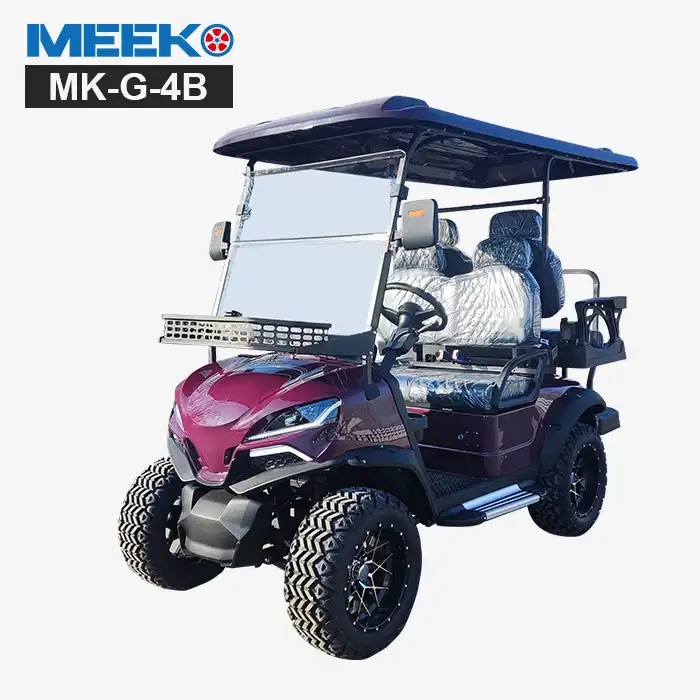
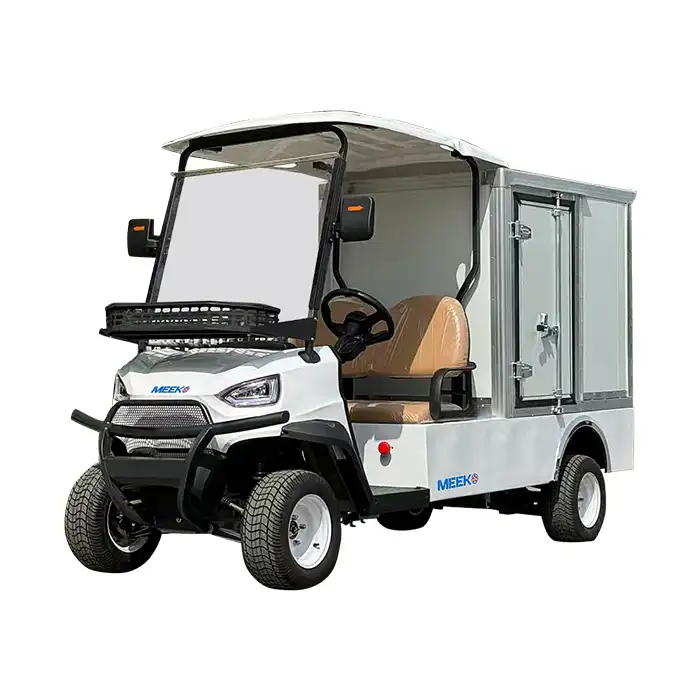
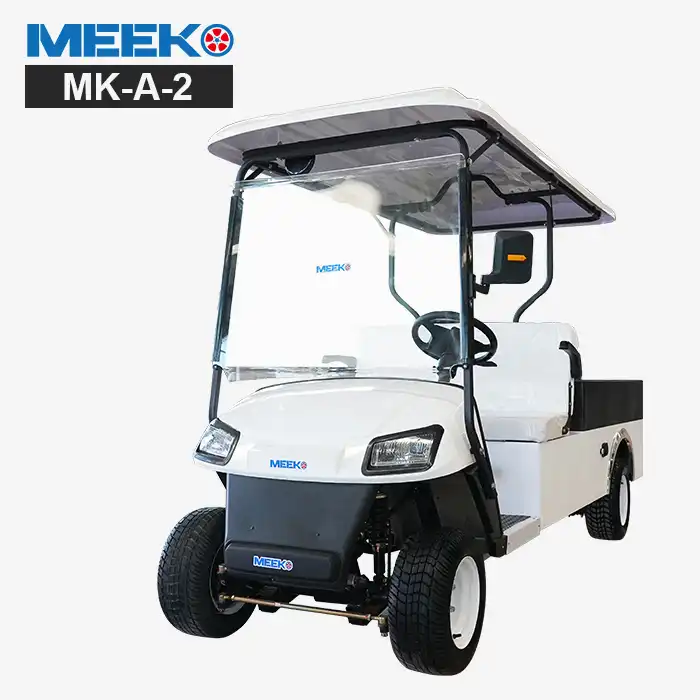
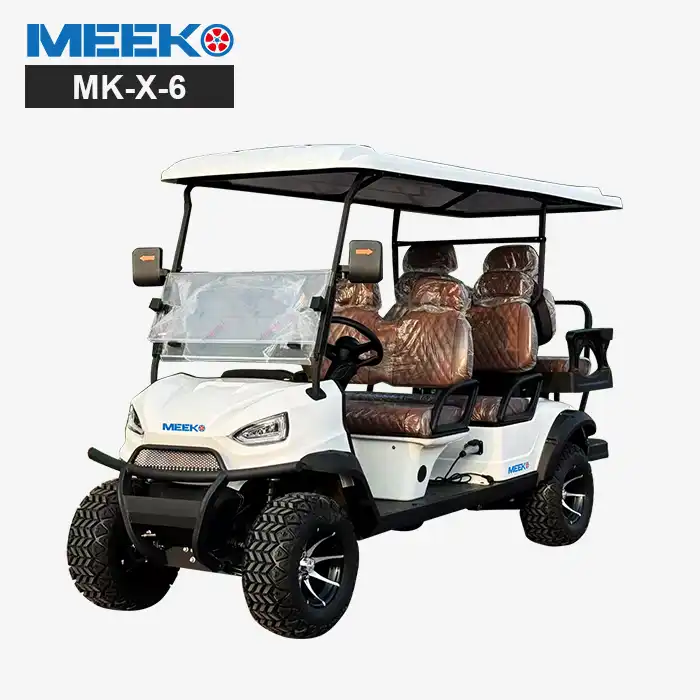
A golf car off road vehicle transforms from a simple fairway cruiser into a rugged workhorse capable of conquering diverse terrains. The rising demand for off-road golf cars stems from their versatility in industrial applications, recreational adventures, and commercial operations. Unlike standard golf carts designed for smooth surfaces, off-road-ready vehicles incorporate specialized engineering that enables them to navigate challenging environments while maintaining reliability and safety. The essential features that define these capable machines include reinforced suspension systems, aggressive tire treads, enhanced ground clearance, and robust frame construction that withstands the rigors of rough terrain navigation.
Understanding the Core Components of an Off-Road Golf Car
The foundation of any capable off-road golf car lies in its fundamental design philosophy. These vehicles prioritize durability and performance over the lightweight construction typical of traditional golf carts. The chassis receives substantial reinforcement through high-strength materials that resist bending and cracking under stress. The choice of powertrain is essential to off-road capability. When maneuvering through mud or ascending steep inclines, electric motors' quick power is vital. Thanks to developments in battery technology, there is now enough range for long off-road trips without sacrificing engine output. Gas-powered substitutes are appropriate for isolated areas without access to charging infrastructure because of their longer operating range and speedy refueling benefits. The suspension architecture differs dramatically from standard golf cart setups. Independent suspension systems absorb impacts from rocks, roots, and uneven surfaces while maintaining wheel contact for optimal traction. Heavy-duty shock absorbers and reinforced springs handle the increased stress of off-road operation without compromising ride quality for passengers or cargo.
Top 5 Essential Features That Make a Golf Car Off Road-Ready
Understanding the critical components that enable off-road performance helps buyers make informed decisions when selecting vehicles for demanding applications. These features work together to create a cohesive system capable of handling challenging terrain. Here are the core features that define off-road capability:
- Advanced Suspension Systems: Independent front and rear suspension with heavy-duty springs and gas-charged shock absorbers provide superior wheel articulation and impact absorption. This system maintains tire contact with uneven surfaces while protecting the vehicle structure from damage. The enhanced suspension travel allows navigation over obstacles that would stop conventional golf carts.
- High-Traction Tire Design: Aggressive tread patterns with deep lugs and wide contact patches deliver exceptional grip on loose surfaces like gravel, sand, and mud. The tire construction features reinforced sidewalls that resist punctures from sharp rocks and debris. Proper tire selection can dramatically improve performance in specific terrain types.
- Increased Ground Clearance: Lift kits and modified chassis designs raise the vehicle's lowest point above common obstacles. This clearance prevents damage to critical components like the differential, battery pack, or exhaust system when traversing rocky terrain or deep ruts.
- Reinforced Frame Construction: Heavy-duty materials like powder-coated steel or corrosion-resistant aluminum provide structural integrity under stress. The frame design distributes loads effectively while maintaining flexibility to absorb impacts without cracking or permanent deformation.
- Enhanced Safety Features: Roll cages, safety harnesses, and improved lighting systems address the increased risks of off-road operation. These features protect occupants during rollovers while ensuring visibility in challenging conditions or low-light environments.
These essential features combine to create vehicles that excel in demanding environments while maintaining the convenience and efficiency that make golf cars attractive for various applications.
How to Upgrade Your Golf Car for Off-Road Performance?
Converting existing golf cars for off-road use requires careful planning and professional execution. The upgrade process begins with a comprehensive assessment of the current vehicle's condition and structural integrity. Not all golf cars make suitable candidates for off-road conversion due to frame limitations or component compatibility issues. Suspension modifications typically represent the most impactful upgrade. Installing heavy-duty springs and shock absorbers improves ride quality while enabling navigation over rough terrain. Lift kits increase ground clearance but may affect the vehicle's center of gravity and stability. Professional installation ensures proper alignment and component compatibility. Tire and wheel upgrades provide immediate performance improvements. Selecting appropriate tread patterns for specific terrain types maximizes traction while maintaining reasonable tire life. Wider wheels and larger diameter tires improve stability and obstacle clearance but may require fender modifications or lift kit installation. Powertrain enhancements can include motor upgrades for electric vehicles or engine modifications for gas-powered units. These changes may affect warranty coverage and require professional tuning to ensure reliability. Battery upgrades for electric vehicles can extend range and improve performance under load. Regular maintenance becomes even more critical for off-road vehicles. Increased exposure to dirt, water, and debris accelerates component wear. Establishing preventive maintenance schedules helps identify potential issues before they result in costly repairs or safety hazards.
Choosing the Right Off-Road Golf Car for Business Applications
Business purchasers must evaluate off-road golf cars based on specific operational requirements and environmental conditions. Industrial facilities often require vehicles capable of navigating unpaved surfaces, construction zones, or outdoor storage areas. Agricultural operations need vehicles that handle muddy fields and uneven terrain while carrying tools and supplies. Payload capacity affects vehicle selection significantly. Heavy-duty models accommodate larger loads while maintaining stability and performance. Consider both passenger seating and cargo space requirements when evaluating different configurations. Some applications benefit from flatbed designs that maximize cargo versatility. Climate considerations influence vehicle selection and specification. Cold weather operations may require enclosed cabs and heating systems. Hot climates benefit from ventilation systems and UV-resistant materials. Wet conditions demand enhanced weatherproofing and corrosion protection. Total cost of ownership includes initial purchase price, maintenance expenses, and operational costs. Electric vehicles typically offer lower operating costs but may require charging infrastructure investments. Gas-powered vehicles provide operational flexibility but incur ongoing fuel expenses. Fleet management considerations include parts availability, service support, and technician training requirements.
Frequently Asked Questions
Q1: What terrain types can off-road golf cars handle effectively?
A: Off-road golf cars navigate various challenging surfaces including gravel roads, sandy beaches, muddy fields, rocky trails, and steep inclines up to 25 degrees. The specific terrain capability depends on tire selection, ground clearance, and powertrain configuration. Properly equipped vehicles handle most industrial and recreational environments effectively.
Q2: How do maintenance requirements differ for off-road golf cars?
A: Off-road vehicles require more frequent maintenance due to increased exposure to dirt, moisture, and debris. Suspension components need regular inspection and lubrication. Tire wear accelerates on abrasive surfaces. Battery terminals and electrical connections require protection from moisture. Establishing preventive maintenance schedules helps prevent costly repairs.
Q3: Can standard golf cars be converted for off-road use?
A: Many golf cars can receive off-road modifications, but conversion success depends on the existing frame strength and component compatibility. Basic upgrades include tire changes and minor suspension modifications. Extensive conversions may require professional assessment to ensure safety and reliability. Factory-built off-road models often provide better long-term value.
Partner with Meeko for Your Golf Car Off Road Solutions
Meeko stands as a trusted golf car off road manufacturer with extensive experience serving diverse business applications. Our comprehensive customization capabilities enable tailored solutions that meet specific operational requirements while maintaining exceptional quality standards. The mature technical team collaborates closely with clients to design vehicles that excel in challenging environments.Our manufacturing flexibility supports both individual purchases and large fleet orders. The extensive mold library enables personalized design services covering various styles, colors, battery configurations, and seating arrangements. This customization capability ensures vehicles match specific application requirements rather than forcing operational compromises.
Competitive pricing structures provide exceptional value without sacrificing quality or performance. Direct factory relationships eliminate middleman markups while ensuring authentic parts and comprehensive warranty coverage. The dedicated after-sales team maintains extensive inventory for popular models, enabling rapid parts delivery when maintenance or repairs become necessary. Quality assurance processes manage every manufacturing aspect from material selection through final testing. This comprehensive approach ensures reliable performance in demanding off-road applications where vehicle failure can disrupt operations or create safety hazards. Contact us at sales@mingkomach.com to discuss your golf car off road supplier requirements and explore our customization options. Visit meekocars.com for detailed product specifications and technical information.
Conclusion
Off-road golf cars represent a significant evolution from traditional fairway vehicles, incorporating specialized features that enable reliable operation in challenging environments. The essential components including robust suspension systems, aggressive tire designs, enhanced ground clearance, and reinforced construction work together to create capable vehicles suitable for diverse business applications. Whether upgrading existing vehicles or purchasing purpose-built models, understanding these critical features ensures informed decision-making that aligns with operational requirements and budget constraints.
References
1. Johnson, M. "Electric Vehicle Design Principles for Off-Road Applications." Industrial Transportation Quarterly, 2023.
2. Smith, R. and Williams, K. "Suspension Systems in Utility Vehicles: Performance Analysis." Automotive Engineering Review, 2022.
3. Thompson, A. "Tire Technology and Terrain Adaptation in Low-Speed Vehicles." Materials and Manufacturing Processes, 2023.
4. Davis, L. "Safety Considerations for Off-Road Utility Vehicle Operations." Occupational Safety and Health Journal, 2022.
5. Anderson, P. "Cost-Benefit Analysis of Electric vs. Gas-Powered Utility Vehicles." Fleet Management Today, 2023.
6. Brown, S. "Frame Design and Material Selection for Heavy-Duty Golf Cars." Vehicle Engineering and Technology, 2022.