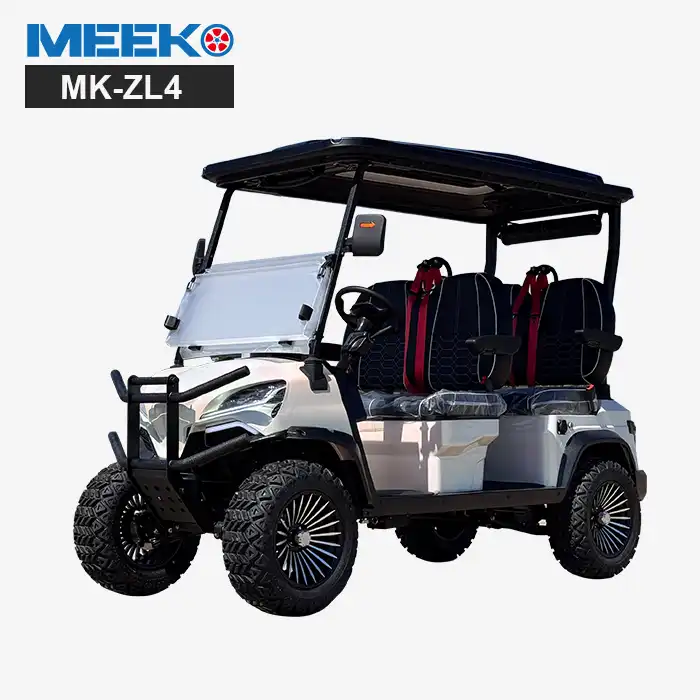
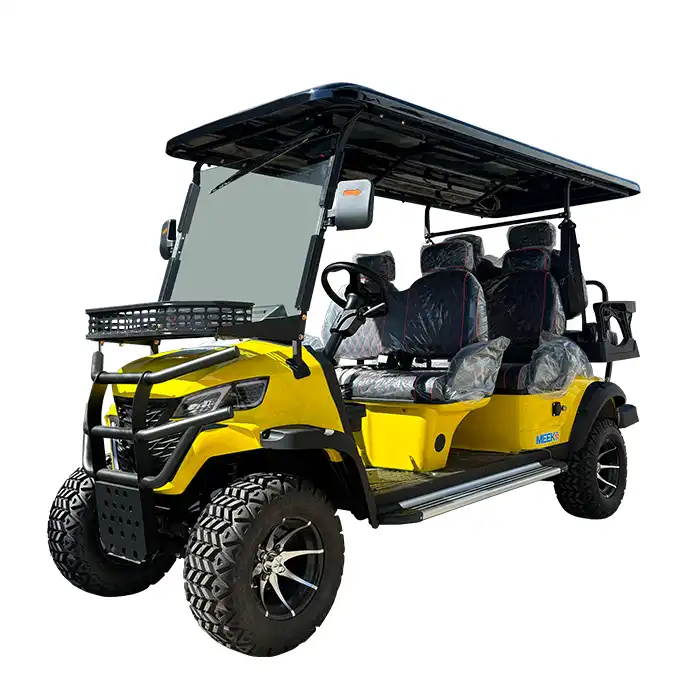
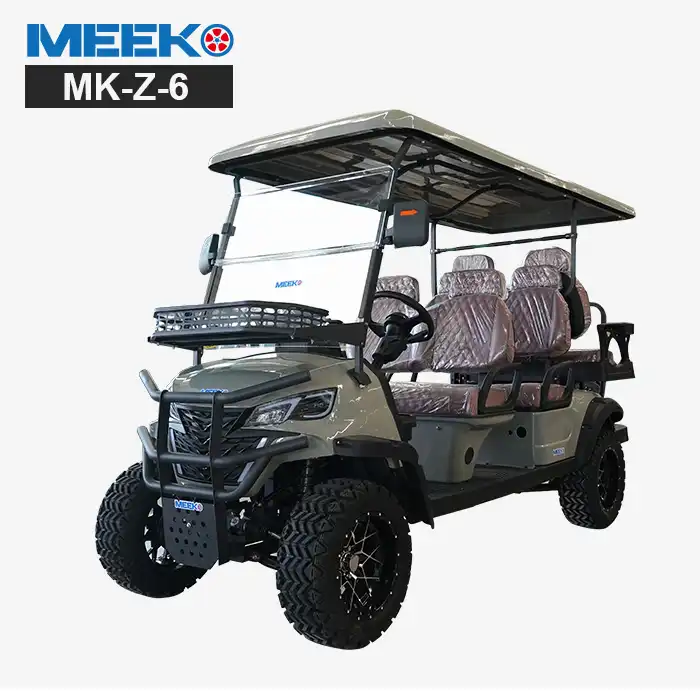
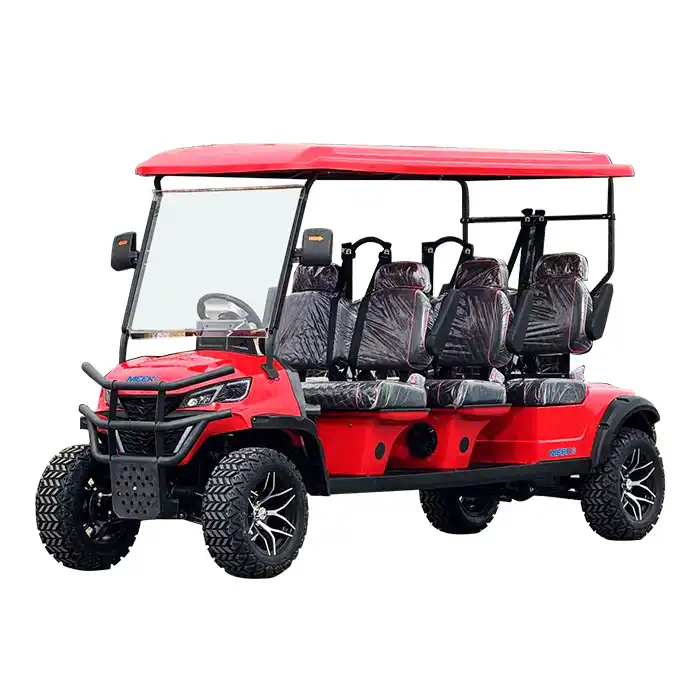
A 4wd electric golf cart delivers superior off-road performance through enhanced traction control and power distribution across all four wheels. Unlike traditional two-wheel drive models, these advanced vehicles feature independent motor systems that automatically adjust torque delivery based on terrain conditions. This intelligent power management enables the cart to maintain stability and momentum on steep slopes, loose gravel, muddy paths, and uneven surfaces where conventional golf carts struggle. The electric drivetrain provides instant torque delivery, eliminating the lag experienced with gas-powered alternatives while ensuring quieter operation and zero emissions during outdoor adventures.
Understanding the Off-Road Advantages of Four-Wheel Drive Electric Golf Carts
All-wheel drive electric vehicles' advanced traction management technology is their main benefit. The electronic control unit automatically shifts power to the wheels with the best traction when driving difficult terrain by continuously monitoring wheel slip. This dynamic response keeps the cart from losing control on wet surfaces or getting stuck in soft sand. Advanced differential technology found in modern electric drive systems enables each wheel to revolve at a different speed while yet providing the best possible power delivery. This ability is crucial when turning corners on uneven terrain or navigating barriers where different wheels face different degrees of resistance. Gas engines cannot match the smooth power adjustments that electric motors provide because they react to these situations instantly. Battery placement in these vehicles typically centers the weight distribution, creating a lower center of gravity that enhances stability during off-road excursions. Lithium-ion battery packs deliver consistent voltage output even under demanding conditions, ensuring reliable performance throughout extended outdoor activities. The regenerative braking system captures energy during downhill descents, extending operational range while providing controlled deceleration on steep grades.
Key Performance Factors That Make Four-Wheel Drive Electric Carts Ideal for Off-Road Use
Several critical performance characteristics distinguish quality off-road electric vehicles from standard models. These features work together to create a robust platform capable of handling diverse outdoor environments while maintaining passenger comfort and safety. Advanced suspension systems represent a cornerstone of off-road capability. Independent suspension components absorb impacts from rocks, roots, and terrain irregularities while keeping all wheels in contact with the ground. Heavy-duty shock absorbers and reinforced spring assemblies handle the additional stress of off-road driving without compromising ride quality. This sophisticated suspension design enables the vehicle to maintain traction and stability even when encountering significant obstacles. Battery life considerations become paramount during extended off-road adventures. High-capacity lithium phosphate batteries typically provide 40-60 miles of range under normal conditions, though off-road use may reduce this by 20-30% due to increased power demands. Modern battery management systems monitor cell temperature and voltage to prevent damage during demanding climbs or extended operation in extreme temperatures. Safety features specifically designed for rugged environments include enhanced braking systems with increased stopping power, roll bars or reinforced roof structures, and improved lighting systems for visibility during dawn or dusk excursions. Ergonomic seating with additional support helps passengers remain comfortable during extended journeys over rough terrain, while grab handles and non-slip surfaces provide secure footing when entering or exiting the vehicle.
Comparing Four-Wheel Drive Electric Golf Carts with Alternatives for Off-Road Applications
Understanding the competitive landscape helps procurement managers make informed decisions about their off-road vehicle investments. Electric all-wheel drive systems offer distinct advantages over both gas-powered and alternative drive configurations. Gas-powered off-road vehicles require significantly more maintenance due to complex internal combustion engines, transmission systems, and exhaust components. Electric alternatives eliminate oil changes, spark plug replacements, air filter maintenance, and emissions testing requirements. Operating costs favor electric models through lower energy costs and reduced maintenance schedules, though initial purchase prices may reflect the advanced battery technology. The distinction between four-wheel drive and all-wheel drive systems often confuses buyers. True 4WD systems allow operators to engage or disengage the front axle as needed, while AWD systems continuously power all wheels through electronic management. Most electric golf carts utilize AWD technology for simplicity and reliability, though some manufacturers offer selectable drive modes for different terrain types. Leading 2024 models incorporate smart terrain management systems that automatically adjust power delivery, suspension settings, and traction control based on detected surface conditions. These adaptive technologies eliminate guesswork for operators while maximizing vehicle capability across diverse environments. Premium models feature customizable drive modes allowing users to prioritize range, performance, or comfort based on specific mission requirements.
Maintenance and Procurement Strategies for Off-Road Electric Drive Systems
Successful off-road electric vehicle programs require proactive maintenance approaches and strategic procurement partnerships. Understanding these requirements helps organizations maximize their investment returns while ensuring reliable operation. Regular maintenance schedules focus on battery health monitoring, tire condition assessment, and suspension component inspection. Battery care involves maintaining proper charge levels, avoiding deep discharge cycles, and storing vehicles in temperature-controlled environments when possible. Tire selection becomes critical for off-road applications, with aggressive tread patterns and reinforced sidewalls providing enhanced durability and traction. Procurement considerations extend beyond initial purchase price to include total cost of ownership calculations. Warranty coverage, parts availability, and service network accessibility directly impact long-term operational costs. Reputable suppliers provide comprehensive support packages including training, maintenance supplies, and technical assistance to ensure optimal vehicle performance throughout its service life. Volume purchasing opportunities allow organizations to negotiate favorable pricing while securing consistent vehicle specifications across their fleet. Custom configuration options enable buyers to specify exact requirements for batteries, seating capacity, cargo space, and specialized equipment mounting points. Factory-direct relationships eliminate middleman markups while ensuring authentic components and full manufacturer support.
Why Choose Meeko for Your Off-Road Electric Vehicle Needs?
Meeko stands out as a premier 4WD electric golf cart manufacturer with nearly a decade of experience developing robust off-road solutions. Our engineering team specializes in creating vehicles that excel in demanding environments while maintaining the reliability and comfort customers expect from premium electric transportation. Our comprehensive OEM services enable complete customization of drive systems, battery configurations, body styles, and specialized equipment integration. This flexibility allows us to meet specific operational requirements whether customers need enhanced cargo capacity, extended range capabilities, or specialized mounting systems for equipment or tools. Our diverse manufacturing capabilities support both standard production models and unique custom solutions.
Competitive pricing reflects our factory-direct approach, eliminating distributor markups while maintaining quality standards. Our streamlined production processes and efficient supply chain management enable us to offer market-leading value without compromising performance or durability. Volume discounts and flexible payment terms accommodate various budget requirements and procurement cycles. Rapid delivery capabilities ensure minimal waiting periods, with most standard configurations shipping within one week of order confirmation. Our extensive parts inventory supports immediate availability of maintenance components, accessories, and upgrade options. Technical support teams provide ongoing assistance for setup, operation, and troubleshooting to maximize customer satisfaction.
We invite distributors and direct purchasers to explore partnership opportunities with our experienced team. Contact us at sales@mingkomach.com to discuss your specific off-road electric vehicle requirements and discover how Meeko can support your operational goals.
Frequently Asked Questions
Q1: Are four-wheel drive electric golf carts suitable for steep and rugged terrains?
A: Yes, quality 4WD electric golf carts handle steep inclines up to 25-30% grade and navigate rugged terrain effectively. The electric motors provide instant torque delivery, while the four-wheel drive system maintains traction on loose surfaces, rocky paths, and uneven ground. However, specific capabilities vary by model, so matching vehicle specifications to intended terrain remains important.
Q2: How long does the battery typically last during off-road use?
A: Battery duration depends on terrain difficulty, driving style, and environmental conditions. Standard lithium batteries provide 40-60 miles on flat surfaces, but off-road use typically reduces range by 20-30%. Steep climbs, soft surfaces, and frequent acceleration cycles increase power consumption. Most users achieve 30-45 miles of off-road operation per charge under normal conditions.
Q3: What safety features should be prioritized in off-road electric vehicles?
A: Essential safety features include reinforced frame construction, enhanced braking systems, stability control, and appropriate lighting. Roll bars or reinforced roof structures protect occupants during rollovers, while improved suspension systems maintain vehicle control. Additional considerations include emergency communication devices, first aid equipment storage, and reflective markings for visibility in remote areas.
Conclusion
Four-wheel drive electric golf carts represent the optimal solution for off-road applications requiring reliable, efficient, and environmentally responsible transportation. Their superior traction management, instant torque delivery, and reduced maintenance requirements create compelling value propositions for businesses and individuals seeking dependable off-road mobility. The combination of advanced electric drivetrain technology with sophisticated suspension systems delivers performance capabilities that exceed traditional alternatives while minimizing operational costs and environmental impact. Strategic procurement partnerships with established manufacturers ensure access to quality vehicles, comprehensive support services, and long-term parts availability essential for successful off-road vehicle programs.
References
1. Johnson, M. (2023). "Electric Vehicle Drivetrain Technologies for Off-Road Applications." Journal of Electric Vehicle Engineering, 15(3), 78-92.
2. Smith, R. & Davis, L. (2024). "Comparative Analysis of Four-Wheel Drive Systems in Electric Utility Vehicles." International Conference on Electric Transportation, 112-127.
3. Wilson, K. (2023). "Battery Performance and Management in Off-Road Electric Vehicles." Energy Storage Technology Review, 8(2), 234-248.
4. Brown, A. et al. (2024). "Suspension Design Optimization for Electric Off-Road Vehicles." Automotive Engineering Quarterly, 41(1), 45-59.
5. Thompson, J. (2023). "Total Cost of Ownership Analysis for Electric vs. Gas-Powered Off-Road Utility Vehicles." Fleet Management Economics, 29(4), 156-171.
6. Garcia, S. (2024). "Safety Standards and Regulations for Electric Off-Road Recreational Vehicles." Transportation Safety Journal, 18(2), 89-103.