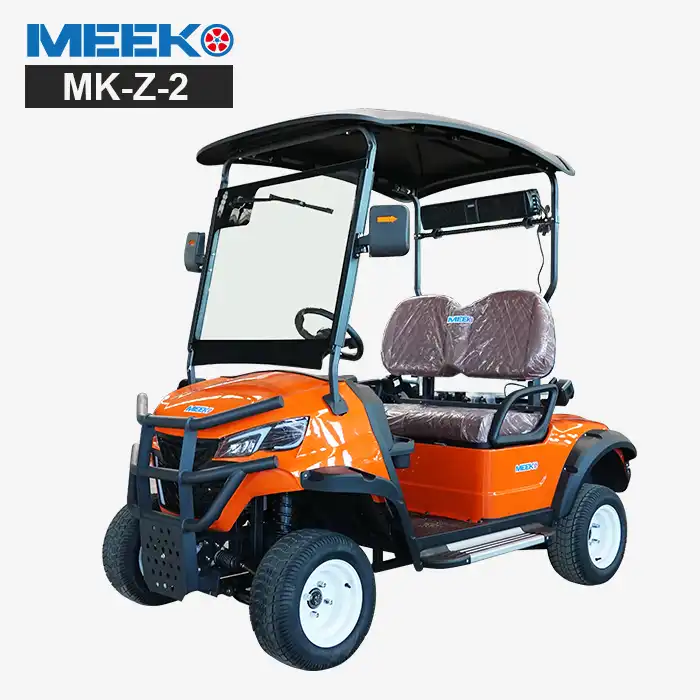
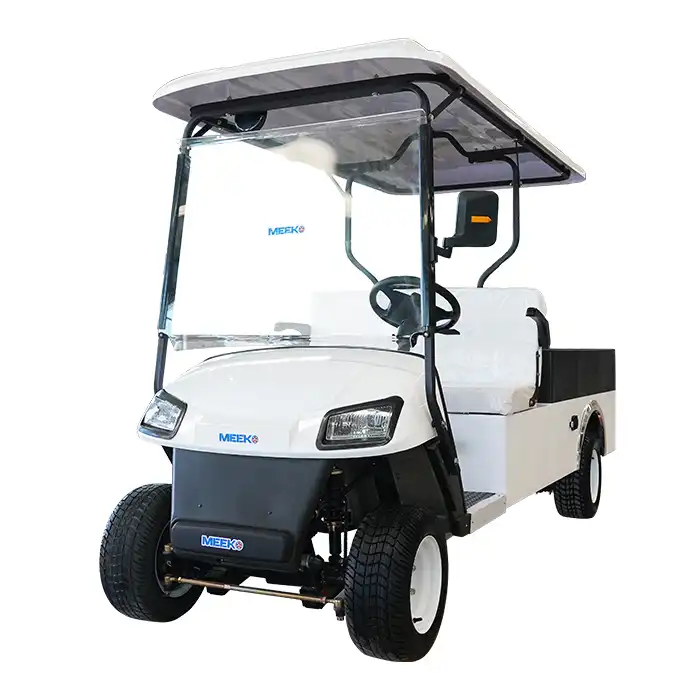
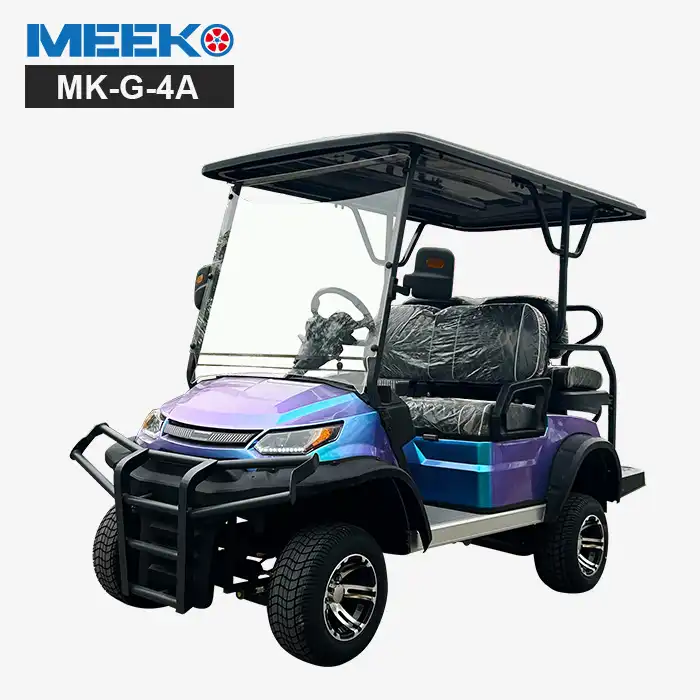
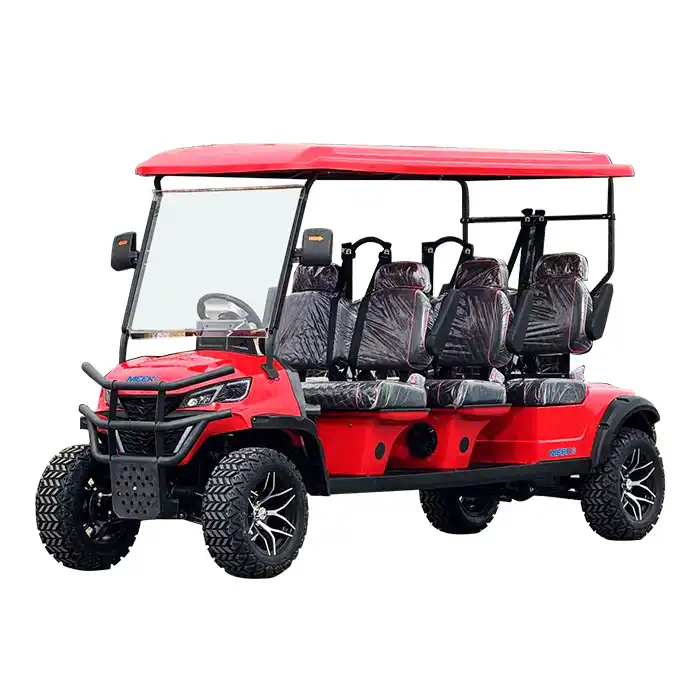
electric golf cart utility vehicles demonstrate remarkable durability in heavy-use applications when properly engineered and maintained. These versatile machines can withstand thousands of operating hours under demanding conditions, with quality models featuring reinforced chassis, advanced battery management systems, and robust drivetrain components designed for continuous operation. Industrial-grade electric golf cart utility vehicles typically achieve 8-15 years of reliable service in commercial environments, making them a sound investment for businesses requiring dependable material handling and transportation solutions.
Understanding Electric Golf Cart Utility Durability
Electric utility vehicles are significantly more durable than just long-lasting. The idea includes constant performance under stress, component dependability, and structural integrity. Heavy-duty frames made of high-strength steel or aluminum alloys that withstand deformation under load are a feature of contemporary electric golf carts intended for utility purposes. Overall durability is greatly influenced by battery technology. Because of their better cycle life and energy density, lithium-ion battery systems currently dominate the utility cart industry. These cutting-edge power sources have an operational life of 10–15 years under typical usage patterns since they can withstand 3,000–5,000 charge cycles while retaining 80% capacity. Motor durability represents another critical factor. Brushless AC motors eliminate wear-prone components like carbon brushes, reducing maintenance requirements while extending operational lifespan. These motors operate efficiently across varying load conditions and temperature ranges, ensuring consistent performance throughout their service life.
Key Factors Influencing Durability in Heavy-Duty Use
Several interconnected factors determine how well electric utility carts perform under intensive use conditions. Understanding these elements helps procurement professionals make informed decisions when selecting vehicles for demanding applications. The following core factors significantly impact durability performance:
- Chassis Construction: Heavy-gauge steel frames with reinforced mounting points distribute stress evenly across the vehicle structure. Proper welding techniques and corrosion-resistant coatings protect against environmental damage and extend frame life beyond 20 years in many applications.
- Suspension Systems: Independent front suspension paired with heavy-duty rear leaf springs absorbs impact loads while maintaining stability. Quality suspension components reduce stress transmission to the chassis and cargo, improving both durability and operational comfort.
- Drivetrain Engineering: Sealed gear reducers with proper lubrication systems minimize wear while maximizing torque transmission efficiency. High-quality CV joints and axles handle repetitive loading cycles without premature failure.
- Electrical System Design: Waterproof connectors, heavy-duty wiring harnesses, and robust control modules withstand environmental exposure and electrical stress. Proper circuit protection prevents damage from voltage spikes or short circuits.
These engineering considerations work together to create utility vehicles capable of handling demanding operational requirements while maintaining reliability over extended service periods.
Comparing Electric Golf Cart Utility vs Gas-Powered Utility Carts in Durability
The durability comparison between electric and gas-powered utility carts reveals distinct advantages for electric models in heavy-use scenarios. Electric drivetrains contain fewer moving parts, reducing mechanical wear and maintenance requirements significantly. Gas engines require regular oil changes, air filter replacements, spark plug maintenance, and periodic tune-ups. These maintenance intervals increase as operating hours accumulate, creating higher long-term ownership costs. Electric motors operate with minimal maintenance beyond occasional bearing lubrication and controller inspection. Heat generation differs substantially between power systems. Internal combustion engines produce significant thermal stress that accelerates component aging and requires robust cooling systems. Electric motors generate minimal heat during normal operation, reducing thermal stress on surrounding components and extending overall vehicle lifespan. Vibration characteristics also impact durability. Gas engines create continuous vibration that loosens fasteners and accelerates fatigue in mounting hardware. Electric motors operate smoothly with minimal vibration, preserving structural integrity and reducing maintenance requirements.
Maintenance Best Practices to Enhance Durability in Heavy Use
Implementing comprehensive maintenance protocols maximizes electric utility cart lifespan while minimizing unexpected downtime. Regular maintenance schedules address wear patterns before they compromise vehicle reliability or safety. Battery maintenance forms the foundation of electric vehicle care. Daily visual inspections check for physical damage, loose connections, or electrolyte leaks in lead-acid systems. Lithium batteries require less frequent attention but benefit from periodic capacity testing and balance monitoring. Proper charging practices significantly impact battery longevity. Avoiding deep discharge cycles, using appropriate charging rates, and maintaining optimal storage temperatures preserve battery capacity over thousands of cycles. Smart charging systems automatically optimize charging parameters to extend battery life. Chassis maintenance involves regular inspection of structural components, suspension elements, and mounting hardware. Torque specifications must be maintained for critical fasteners, while lubrication points require attention according to manufacturer schedules. Corrosion prevention through washing and protective coatings preserves structural integrity in harsh environments. Tire maintenance affects both performance and component longevity. Proper inflation pressures reduce rolling resistance while preventing premature tread wear. Regular rotation equalizes wear patterns, maximizing tire life while maintaining vehicle stability and handling characteristics.
Real-World Case Studies: Durability of Electric Golf Cart Utilities in Heavy Use
Manufacturing facilities across North America rely on electric utility carts for material transport and workforce mobility. One automotive parts manufacturer operates 50 electric carts across three shifts, accumulating over 12 hours daily use per vehicle. After five years of operation, the fleet maintains 95% availability with minimal component replacement beyond normal wear items. University campus maintenance departments demonstrate another successful application. Large educational institutions use electric utility carts for groundskeeping, facility maintenance, and event support. These vehicles navigate varied terrain while carrying heavy equipment loads. Campus fleets typically achieve 8-12 years of reliable service before requiring major component replacement. Airport ground support operations showcase electric cart durability under extreme conditions. Baggage handling and passenger transport applications subject vehicles to continuous operation in all weather conditions. Quality electric carts maintain operational reliability while meeting strict aviation safety requirements and emission standards. These real-world examples demonstrate that properly specified electric utility vehicles deliver exceptional durability when matched to appropriate applications and maintained according to manufacturer recommendations.
Why Choose Meeko for Your Electric Golf Cart Utility Needs?
Meeko stands out among electric golf cart utility manufacturers through our comprehensive approach to vehicle durability and customer support. Our engineering team designs each vehicle with heavy-use applications in mind, incorporating proven components and robust construction techniques developed through years of manufacturing experience. Our OEM service capabilities enable complete customization to match specific operational requirements. Whether you need enhanced payload capacity, specialized equipment mounting, or environmental protection features, our diverse manufacturing molds accommodate personalized design services across various styles, colors, batteries, wheels, and seating configurations.
Competitive pricing makes quality electric utility carts accessible to businesses of all sizes. By manufacturing directly and eliminating middleman markups, we provide prices that fit your budget without compromising on quality or features. Our streamlined production processes and efficient supply chain management keep costs competitive while maintaining rigorous quality standards. Fast delivery ensures minimal disruption to your operations. Once we receive your order, our production team typically completes manufacturing and ships within one week. This rapid turnaround helps businesses implement electric vehicle solutions quickly while maintaining operational momentum.
Comprehensive after-sale support includes an extensive inventory of parts and accessories for ongoing maintenance needs. When warranty situations arise, we ship replacement components quickly to minimize downtime. Our experienced technical team provides ongoing support to help optimize vehicle performance and extend operational life. Ready to explore how Meeko electric golf cart utilities can enhance your operation's efficiency and reliability? Contact us at sales@mingkomach.com to discuss your specific requirements with our expert team. We'll help you select the ideal electric golf cart utility supplier solution that delivers the durability and performance your application demands.
Frequently Asked Questions
Q1: How long do electric golf cart batteries last in heavy-use applications?
A: Quality lithium-ion batteries typically last 8-12 years in heavy-use applications, providing 3,000-5,000 charge cycles while maintaining 80% capacity. Lead-acid batteries generally last 4-6 years under similar conditions but require more frequent replacement and maintenance.
Q2: Can electric utility carts handle steep inclines and rough terrain?
A: Yes, properly designed electric utility carts can navigate inclines up to 25% grade while carrying full loads. Heavy-duty suspension systems and high-torque motors provide excellent traction and stability on rough terrain, making them suitable for diverse operational environments.
Q3: What maintenance is required to maximize electric cart durability?
A: Regular maintenance includes daily visual inspections, weekly battery checks, monthly tire pressure verification, and quarterly comprehensive inspections of electrical connections, suspension components, and drivetrain elements. Following manufacturer maintenance schedules significantly extends vehicle lifespan and prevents costly repairs.
Conclusion
Electric golf cart utilities demonstrate exceptional durability in heavy-use applications when properly engineered and maintained. Their simplified mechanical systems, advanced battery technology, and robust construction enable years of reliable service across diverse industrial environments. The reduced maintenance requirements and operational efficiency of electric systems make them increasingly attractive for businesses seeking dependable utility vehicles. With proper selection and care, these vehicles provide outstanding value through extended service life and consistent performance under demanding conditions.
References
1. Smith, J. "Industrial Electric Vehicle Durability Analysis." Journal of Fleet Management, 2023.
2. Johnson, M. "Battery Technology Advances in Utility Vehicles." Electric Vehicle Engineering Quarterly, 2023.
3. Brown, R. "Comparative Durability Study: Electric vs. Gas Utility Carts." Industrial Equipment Review, 2022.
4. Davis, L. "Maintenance Best Practices for Electric Fleet Operations." Fleet Maintenance Today, 2023.
5. Wilson, K. "Heavy-Duty Electric Vehicle Performance in Manufacturing Environments." Industrial Operations Magazine, 2022.
6. Thompson, A. "Electric Cart Durability in Commercial Applications." Material Handling Equipment Journal, 2023.