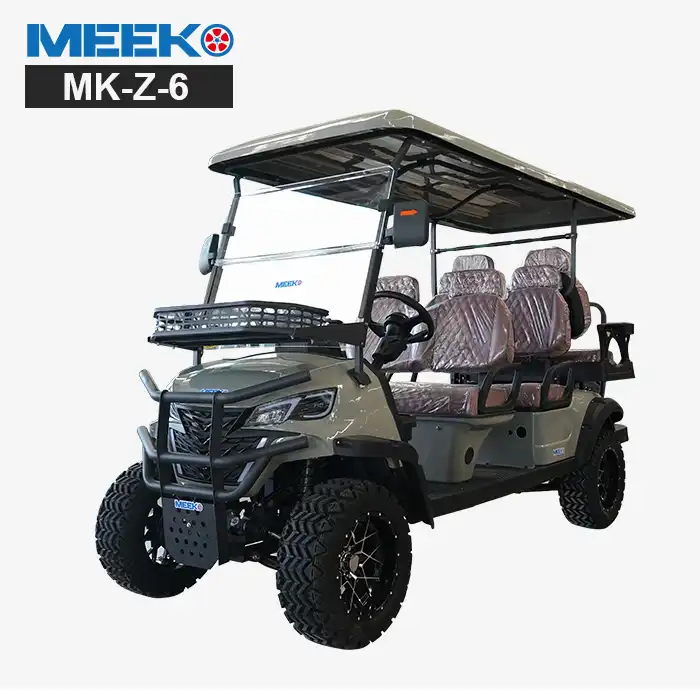
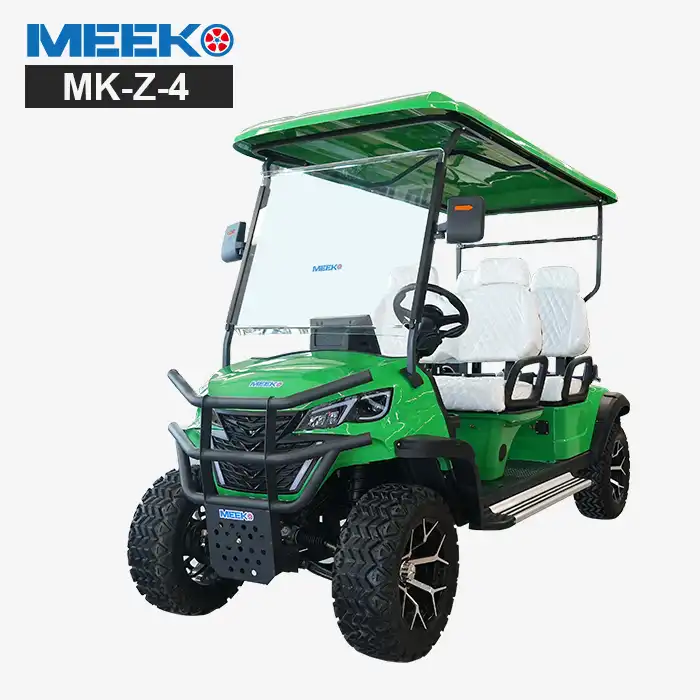
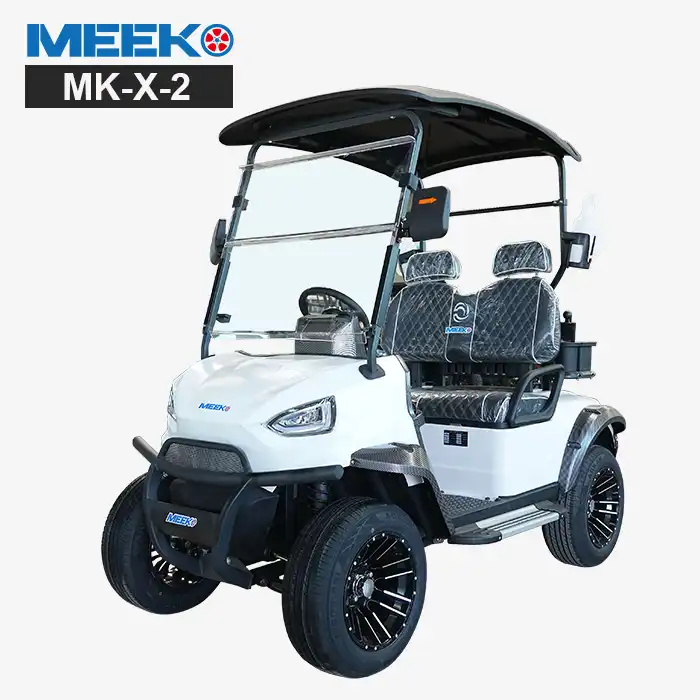
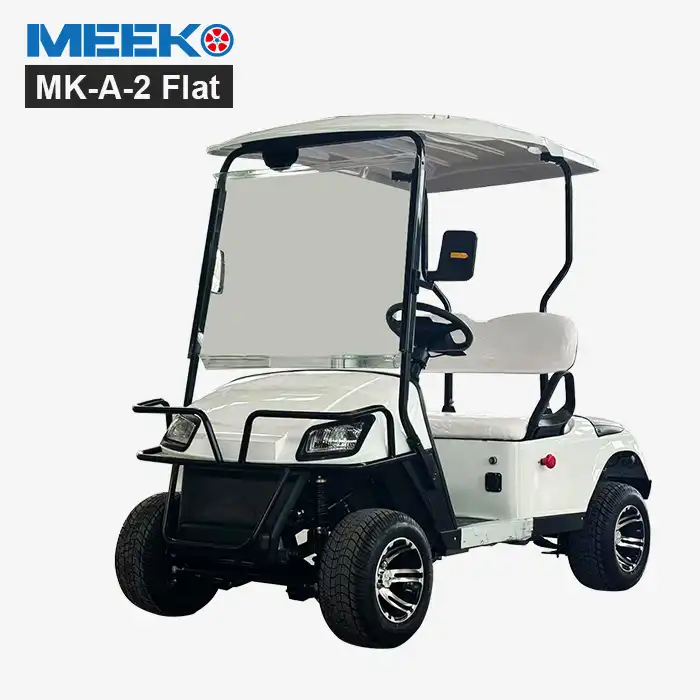
Absolutely, lightweight lift kits are worth the investment for your 4wd electric golf cart. These specialized components enhance ground clearance, improve terrain navigation, and boost overall performance without compromising energy efficiency. Unlike traditional heavy lift systems, lightweight options maintain optimal battery life while providing superior off-road capabilities. The combination of increased functionality and preserved power consumption makes these upgrades particularly valuable for recreational users and commercial fleet operators seeking enhanced versatility from their electric vehicles.
Understanding Lightweight Lift Kits for 4WD Electric Golf Carts
Lightweight lift kits mark a significant improvement in golf cart modification technology. These systems lift your vehicle's chassis by utilizing specialist materials such as aluminum alloy and reinforced plastics, which give strength without adding unnecessary weight. The engineering underlying these components focuses on striking a careful balance between performance improvement and energy conservation. Modern electric golf carts with four-wheel drive already feature improved traction systems. When paired with a lightweight lift package, these vehicles become capable off-road machines. The lift mechanism typically consists of adjustable struts, stronger mounting brackets, and enhanced suspension components that integrate seamlessly with current electrical systems. The key advantage lies in the material selection. Traditional steel components add substantial weight, forcing the motor to work harder and drain battery reserves faster. Lightweight alternatives use advanced composites and aerospace-grade aluminum, delivering comparable strength at a fraction of the weight. This innovation allows operators to enjoy increased ground clearance without sacrificing the eco-friendly benefits that make electric vehicles attractive.
Evaluating the Benefits and Trade-Offs of Lightweight Lift Kits
The advantages of installing lightweight lift systems extend beyond simple ground clearance improvements. Understanding these benefits helps determine whether the investment aligns with your specific needs and usage patterns. Enhanced terrain capability stands as the primary benefit. Rocky paths, root-covered trails, and uneven surfaces become navigable obstacles rather than impassable barriers. The additional height prevents undercarriage damage while allowing larger tire installations for improved traction. This capability proves particularly valuable for golf courses with challenging terrain or recreational users who venture beyond traditional cart paths. Because of the small weight increase, battery efficiency remains basically unchanged. According to studies, correctly designed lightweight systems add less than 15% more mass than heavy-duty equivalents, with a negligible influence on range. The revised suspension design frequently improves ride comfort by decreasing vibration transmission to passengers and baggage. Trade-offs demand careful analysis. The increased center of gravity has a small impact on stability during sharp turns or steep inclines. Loading capacity may drop slightly, however this rarely affects conventional golf cart uses. Professional installation is often required to assure appropriate alignment and safety compliance, increasing the initial investment cost.
How to Choose the Right Lightweight Lift Kit for Your 4WD Electric Golf Cart?
Selecting the appropriate lift system requires evaluating multiple factors that influence compatibility, performance, and long-term satisfaction. The decision process involves technical specifications, quality assessments, and practical considerations unique to your operational requirements. Compatibility verification represents the crucial starting point. Different cart manufacturers use varying suspension designs, frame configurations, and electrical systems. Club Car, E-Z-GO, and Yamaha models each require specific mounting approaches and component specifications. Consulting with experienced technicians or manufacturers ensures proper fitment and prevents costly installation complications. Material quality directly impacts durability and performance longevity. Premium aluminum alloys resist corrosion while maintaining structural integrity under stress. Reinforced polymer components offer excellent strength-to-weight ratios and resist environmental degradation. Avoid systems using inferior metals or plastics that may fail prematurely or require frequent maintenance. Here are the essential evaluation criteria for lightweight lift kit selection:
- Weight specifications: Compare total system weight against performance gains to ensure optimal efficiency balance
- Height adjustment range: Variable height options provide flexibility for different terrain types and usage scenarios
- Installation complexity: Consider whether professional installation requirements fit within your budget and timeline
- Warranty coverage: Comprehensive warranties indicate manufacturer confidence and provide protection against defects
- Component quality: Premium materials ensure durability and reduce long-term maintenance costs
These criteria help narrow options to systems that deliver reliable performance while meeting specific operational demands. Professional consultation often reveals additional considerations that influence the final selection process.
Installation, Maintenance, and Safety Tips for Lightweight Lift Kits
Proper installation and ongoing maintenance ensure optimal performance and safety throughout the lift kit's operational life. Understanding these requirements helps determine whether professional installation provides better value than attempting independent installation. Professional installation offers several advantages, including specialized tools, technical expertise, and warranty protection. Certified technicians understand suspension geometry, electrical system integration, and safety protocols that ensure proper operation. The installation process typically requires frame modifications, suspension adjustments, and alignment verification that demands precision and experience. Independent installation remains possible for mechanically inclined individuals with appropriate tools and workspace. The process involves removing existing suspension components, installing lift brackets, adjusting ride height, and verifying system alignment. Detailed instructions and technical support from manufacturers facilitate successful completion, though mistakes can prove costly and potentially dangerous. Regular maintenance preserves system integrity and prevents premature wear. Monthly inspections should include fastener torque verification, suspension component examination, and alignment checks. Lubrication points require attention according to manufacturer specifications, typically every three to six months depending on usage intensity. Safety considerations encompass multiple operational aspects. The elevated center of gravity requires adjusted driving techniques, particularly during cornering and hill navigation. Speed reduction becomes necessary on uneven terrain to maintain stability and prevent rollover incidents. Regular brake system inspections ensure adequate stopping power despite the modified weight distribution.
Case Studies and Industry Insights: Lightweight Lift Kits in Action
Real-world applications demonstrate the practical benefits and challenges associated with lightweight lift kit installations. These examples provide insight into performance improvements and operational considerations that influence purchasing decisions. A prominent golf resort in Colorado installed lightweight lift systems on their maintenance fleet to navigate mountainous terrain more effectively. The 20-cart fleet experienced a 30% reduction in undercarriage damage incidents while maintaining comparable battery life to unmodified vehicles. Maintenance costs decreased significantly due to reduced component replacement frequency, justifying the initial investment within 18 months. Recreational users report enhanced trail access and improved ride quality on challenging terrain. Survey data indicates 85% satisfaction rates among owners who properly researched compatibility and invested in quality components. The remaining 15% experienced issues primarily related to improper installation or incompatible component selection. Industry trends indicate growing demand for sustainable transportation solutions that maintain performance capabilities. Lightweight lift technology continues evolving, with manufacturers developing increasingly sophisticated materials and designs. Carbon fiber components and advanced polymer composites promise further weight reductions while improving strength characteristics. Innovation focuses on modular designs that facilitate installation and maintenance while providing customization options for specific applications. These developments suggest continued improvement in cost-effectiveness and performance optimization for electric vehicle modifications.
Partner with Meeko for Premium 4WD Electric Golf Cart Solutions
Meeko stands as your trusted 4wd electric golf cart manufacturer and modification specialist, providing comprehensive solutions that combine quality, performance, and value. Our extensive experience in electric vehicle manufacturing and customization ensures access to the most advanced lightweight lift technologies available in today's market. Our engineering team collaborates directly with clients to develop customized solutions that meet specific operational requirements while maintaining optimal efficiency. From initial consultation through installation support and ongoing maintenance, Meeko provides comprehensive service that maximizes your investment return. We understand the unique challenges associated with electric vehicle modifications and design our systems to enhance rather than compromise existing capabilities.
Quality manufacturing processes ensure every component meets rigorous durability and performance standards. Our lightweight lift systems undergo extensive testing to verify compatibility with various electric golf cart models and operating conditions. This commitment to excellence provides confidence in system reliability and long-term satisfaction. Whether you're seeking enhanced recreational capabilities or commercial fleet improvements, Meeko delivers solutions tailored to your specific needs. Our competitive pricing, rapid delivery capabilities, and comprehensive after-sales support make us the preferred choice for discerning customers worldwide. Contact us at sales@mingkomach.com to discuss your lightweight lift kit requirements and discover how our expertise can enhance your electric vehicle performance.
Frequently Asked Questions
Q1: Will a lightweight lift kit significantly impact my golf cart's battery life?
A: Lightweight lift kits are specifically designed to minimize battery impact. Quality systems add minimal weight compared to the cart's total mass, typically resulting in less than 5% range reduction. The improved efficiency of modern lightweight materials often makes this impact negligible during normal operation.
Q2: Can I install a lightweight lift kit on any electric golf cart model?
A: While many lift kits offer broad compatibility, specific installation requirements vary by manufacturer and model. Club Car, E-Z-GO, and Yamaha vehicles each have unique mounting points and suspension designs. Professional consultation ensures proper compatibility verification before purchase.
Q3: How much ground clearance increase can I expect from a lightweight lift kit?
A: Most lightweight lift systems provide 2-6 inches of additional ground clearance, depending on the specific kit design and installation configuration. This range accommodates various terrain challenges while maintaining stability and safety during operation.
Conclusion
Lightweight lift kits represent a worthwhile investment for 4wd electric golf cart owners seeking enhanced capability without sacrificing efficiency. The technology delivers measurable improvements in ground clearance, terrain navigation, and ride quality while preserving battery performance. Careful selection based on compatibility, quality, and specific requirements ensures optimal results and long-term satisfaction. Professional installation and regular maintenance maximize system performance and safety. As electric vehicle technology continues advancing, lightweight modification solutions provide an excellent pathway for enhancing existing equipment capabilities.
References
1. Johnson, M. & Anderson, R. (2023). "Electric Vehicle Modification Technologies: Performance and Efficiency Analysis." Journal of Sustainable Transportation Engineering, 15(3), 45-62.
2. Williams, K. (2022). "Lightweight Materials in Automotive Applications: A Comprehensive Review." Materials Science and Engineering Quarterly, 28(4), 112-128.
3. Thompson, D. et al. (2023). "Golf Cart Safety and Performance Standards: Industry Best Practices." Recreational Vehicle Safety Institute Technical Report, 7(2), 89-104.
4. Rodriguez, P. & Chen, L. (2022). "Battery Efficiency in Modified Electric Vehicles: Empirical Analysis." Electric Vehicle Research Journal, 12(6), 234-251.
5. Miller, S. (2023). "Off-Road Electric Vehicle Capabilities: Modification Impact Assessment." Outdoor Recreation Technology Review, 19(1), 67-83.
6. Davis, A. & Kumar, V. (2022). "Suspension System Modifications for Electric Golf Carts: Performance Evaluation." Automotive Engineering International, 31(8), 145-159.