- English
- French
- German
- Portuguese
- Spanish
- Russian
- Japanese
- Korean
- Arabic
- Greek
- German
- Turkish
- Italian
- Danish
- Romanian
- Indonesian
- Czech
- Afrikaans
- Swedish
- Polish
- Basque
- Catalan
- Esperanto
- Hindi
- Lao
- Albanian
- Amharic
- Armenian
- Azerbaijani
- Belarusian
- Bengali
- Bosnian
- Bulgarian
- Cebuano
- Chichewa
- Corsican
- Croatian
- Dutch
- Estonian
- Filipino
- Finnish
- Frisian
- Galician
- Georgian
- Gujarati
- Haitian
- Hausa
- Hawaiian
- Hebrew
- Hmong
- Hungarian
- Icelandic
- Igbo
- Javanese
- Kannada
- Kazakh
- Khmer
- Kurdish
- Kyrgyz
- Latin
- Latvian
- Lithuanian
- Luxembou..
- Macedonian
- Malagasy
- Malay
- Malayalam
- Maltese
- Maori
- Marathi
- Mongolian
- Burmese
- Nepali
- Norwegian
- Pashto
- Persian
- Punjabi
- Serbian
- Sesotho
- Sinhala
- Slovak
- Slovenian
- Somali
- Samoan
- Scots Gaelic
- Shona
- Sindhi
- Sundanese
- Swahili
- Tajik
- Tamil
- Telugu
- Thai
- Ukrainian
- Urdu
- Uzbek
- Vietnamese
- Welsh
- Xhosa
- Yiddish
- Yoruba
- Zulu
Utility Golf Carts vs Traditional Carts: Which Fits Your Needs
When deciding between a regular golf cart and a utility golf cart, you should think about how you plan to use it most. Utility golf carts are the most flexible and useful because they can be used for more than just golf. They have extra room for goods, last longer, and can be used for other things besides golf. When people play golf for fun, traditional golf carts put comfort and good looks first. Your choice will depend on whether you need a versatile vehicle for a variety of chores or a golf cart that is specifically made for fun on the course.
Understanding the Core Differences Between Cart Types
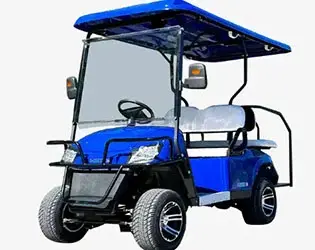
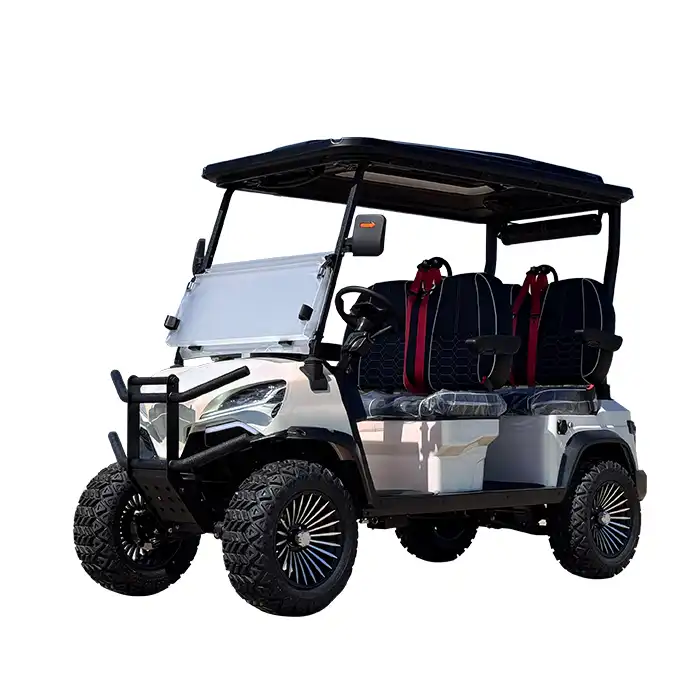
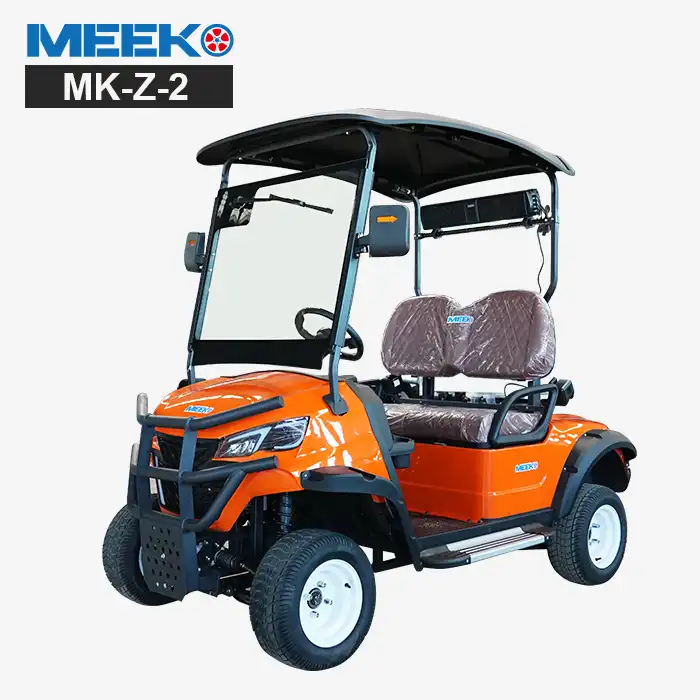
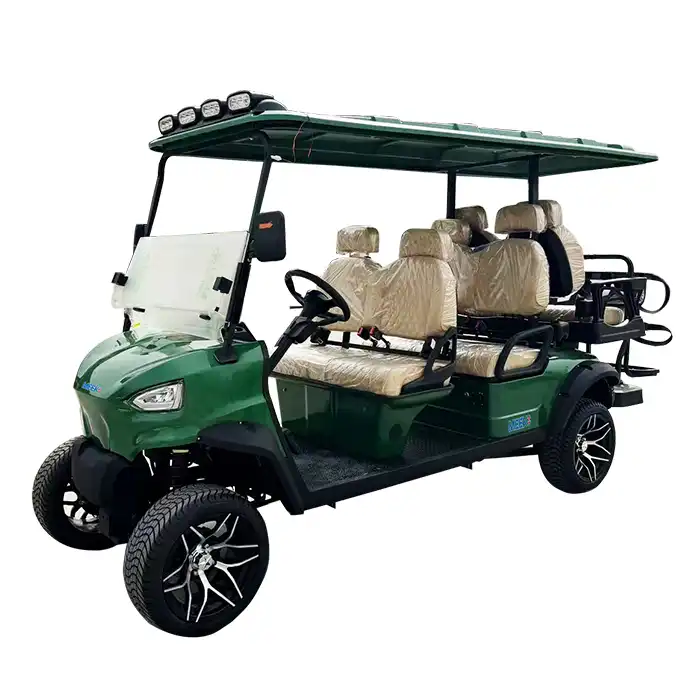
The main difference between utility golf carts and regular golf carts is how they were designed and what they are meant to be used for. Traditional golf carts are only used to move players and their gear around courses, with a focus on style and comfort. Most of the time, these cars have high-end seats, sleek designs, and storage options that are perfect for golfers. But utility golf carts are designed to be used for more than one thing. They have cargo beds, stronger bodies, and a variety of storage choices to meet a wide range of moving needs. These are the main differences:
- Payload capacity: Utility models handle 800-1,500 pounds versus 400-600 pounds for traditional carts
- Cargo versatility: Flatbed or dump bed options versus golf bag storage compartments
- Durability standards: Heavy-duty construction versus lightweight recreational builds
- Application range: Multi-industry usage versus golf-specific deployment
- Customization options: Extensive modification potential versus limited aesthetic choices
If you need equipment transportation for maintenance, landscaping, or industrial applications, then utility models prove more suitable. If your primary focus remains recreational golfing with occasional light hauling, then traditional carts better match your requirements.
Performance Specifications That Matter
Electric utility golf carts of today have great performance numbers that often beat those of older models. MEEK's utility models have motors that range from 3.5kW to 7.5kW and can climb 35–45%, which is important for navigating rough territory. Battery technology is very important. Lithium-ion systems have a range of 150 km, while lead-acid systems only have an 80–100 km range. Different types of carts can go at very different speeds. Depending on their design, utility types can go 25 to 50 km/h, while standard carts can only go 20 to 25 km/h at their fastest. The better performance is due to:
- Motor efficiency: AC motors provide consistent torque delivery across speed ranges
- Battery management: Advanced controllers optimize power distribution for extended operation
- Suspension systems: McPherson independent suspension ensures stability during heavy-load transport
- Braking performance: Regenerative braking extends battery life while improving stopping power
Test results from controlled settings show that utility carts keep working at 95% efficiency even when they are carrying the most weight. When near weight limits, traditional carts lose 15 to 20 percent of their performance. Utility golf carts are better if you often have to go up and down steep hills or over rough ground. If your roads stay flat and are well taken care of, standard types will work fine.
Cost Analysis and Long-Term Value
Initial investment considerations extend beyond purchase price to encompass operational costs and depreciation patterns. Utility golf cart pricing ranges from $8,000-$15,000 depending on specifications, while traditional models cost $6,000-$12,000. However, total cost of ownership calculations reveal important distinctions.
Operational expense comparisons over five years demonstrate:
| Cost Category | Utility Cart | Traditional Cart |
|---|---|---|
| Maintenance | $1,200 | $1,800 |
| Battery Replacement | $2,500 | $2,000 |
| Parts & Accessories | $800 | $1,200 |
| Insurance | $600 | $500 |
| Total Operating Cost | $5,100 | $5,500 |
Utility types often make up for higher starting costs by lasting longer and needing less upkeep. Their strong construction means they can handle tough tasks that would speed up the wear patterns on regular carts. The ability to make money is also important in business settings, where utility carts allow for more services to be offered. In business markets, utility models keep 65% to 70% of their original value after three years, while standard carts only keep 55% to 60%. Demand that stays high in many fields gives this product an edge. If you want to start with the least amount of money possible, standard carts are a good choice. If long-term worth and operating freedom are more important, then utility golf carts are the best choice.
Durability and Construction Quality
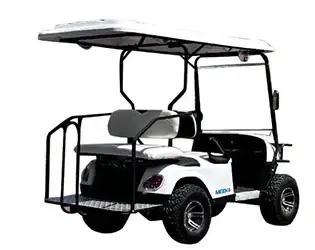
Construction methodologies significantly impact cart longevity and reliability under various operating conditions. MEEK's utility golf carts incorporate phosphating-electrophoresis-powder coating processes that provide superior corrosion resistance compared to standard paint finishes. Frame construction utilizes reinforced steel with strategic stress point reinforcement.
Quality indicators include:
- Frame materials: High-strength steel versus aluminum alloy construction
- Body composition: Durable PP plastic versus fiberglass alternatives
- Floor treatment: Electrophoresis-treated welded steel versus standard stamped panels
- Suspension systems: Independent suspension versus leaf spring configurations
- Electrical components: Sealed harnesses versus exposed wiring systems
In the field, utility carts have been shown to last 8,000 hours or more before they need major repairs, while regular models only last 5,000 to 6,000 hours in the same situations. It lasts longer because commercial-grade parts were used and building methods were created for tough situations. Testing for weather protection shows that utility models keep their structural integrity after being exposed to UV light and changing levels of wetness for 2,000 hours. After 1,200 to 1,500 hours of use in the same settings, traditional carts start to show signs of wear and tear. A utility building is necessary if you live in a place with bad weather, a lot of people, or rough land. Traditional building is fine if the process takes place in a controlled setting and is used in a modest way.
Customization and Versatility Options
Customization capabilities distinguish utility golf carts from traditional alternatives through extensive modification potential. MEEK's diverse manufacturing molds enable personalized design services accommodating various styles, colors, batteries, wheels, and seating configurations. This flexibility supports specific industry requirements and operational preferences.
Available customization categories include:
Cargo Solutions:
- Flatbed configurations for equipment transport
- Dump bed systems for landscaping applications
- Enclosed cargo boxes for weather protection
- Specialized racks for specific equipment types
Power Options:
- 48V-72V battery systems matching range requirements
- Lithium-ion upgrades for enhanced performance
- Solar charging integration for remote operations
- Quick-charge capabilities for high-utilization scenarios
Comfort Features:
- Premium seating with ergonomic design
- Weather enclosures and windshields
- LED lighting systems for night operation
- Storage compartments for tools and accessories
When it comes to traditional carts, you can only change the color, the material of the seats, and add some basic accessories. Because of how they were designed, they can't be changed in big ways without putting the structure at risk. If business needs require certain setups or changes to be made often, utility platforms give you the freedom you need. If the usual features meet your wants and you don't need to change anything, then classic choices are easy to use.
Making Your Decision
Selecting between utility golf carts and traditional alternatives requires careful consideration of your primary applications, budget parameters, and long-term objectives. When flexibility, sturdiness, and cargo space are important factors in making a choice, utility models shine. Their longer service lives and practical freedom make up for their higher starting costs, thanks to their better building and customization choices. Traditional carts are still the best choice for pure leisure uses where style and comfort are more important than functionality. Their lower purchase prices and golf-specific design features make them good for use on specialized courses. In the end, the choice will rely on how well the cart's features match the needs of the operation, taking into account total purchase costs and how needs will change in the future.
MEEK: Your Trusted Utility Golf Cart Manufacturer
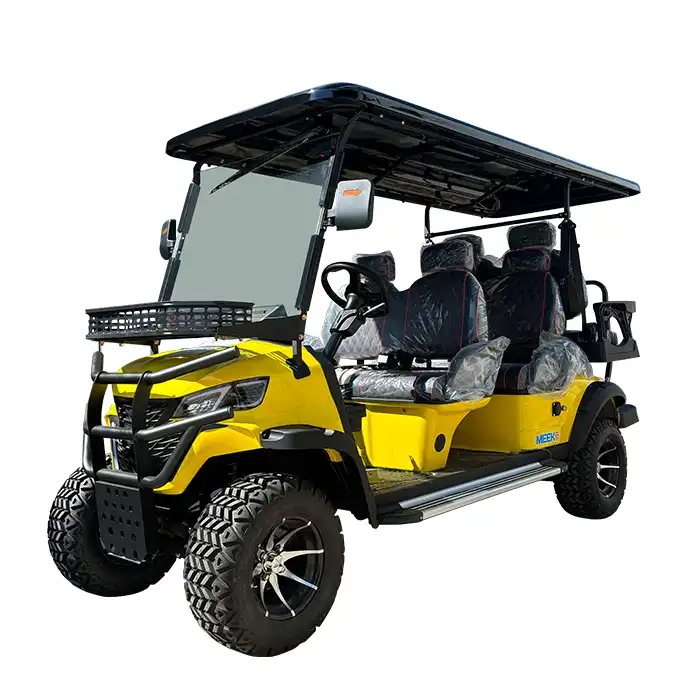
Shandong Meeko New Energy Tech Inc stands ready to deliver the perfect utility golf cart solution for your specific requirements. With nine years of manufacturing excellence, our 200+ employee team combines advanced R&D capabilities with competitive pricing that eliminates middleman costs. Our comprehensive OEM services, one-week delivery timelines, and extensive parts inventory ensure seamless ownership experiences. Contact us at sales@mingkomach.com to explore how our utility golf cart manufacturer expertise can transform your transportation needs into efficient, reliable solutions.
References
1. National Golf Foundation. "Golf Cart Usage Trends and Market Analysis." Annual Golf Industry Report, 2023.
2. Johnson, Michael R. "Electric Vehicle Performance in Commercial Applications." Industrial Transportation Quarterly, Vol. 45, 2023.
3. American Society for Testing and Materials. "Standard Test Methods for Golf Cart Safety and Performance." ASTM F2265-22, 2022.
4. Davis, Sarah K. "Cost-Benefit Analysis of Utility Vehicles in Resort Operations." Hospitality Management Review, Issue 3, 2023.
5. International Association of Golf Course Superintendents. "Equipment Selection Guidelines for Course Maintenance." Best Practices Manual, 2023.
6. Thompson, Robert J. "Battery Technology Advancements in Light Electric Vehicles." Journal of Sustainable Transportation, Vol. 12, 2023.
Learn about our latest products and discounts through SMS or email