- English
- French
- German
- Portuguese
- Spanish
- Russian
- Japanese
- Korean
- Arabic
- Greek
- German
- Turkish
- Italian
- Danish
- Romanian
- Indonesian
- Czech
- Afrikaans
- Swedish
- Polish
- Basque
- Catalan
- Esperanto
- Hindi
- Lao
- Albanian
- Amharic
- Armenian
- Azerbaijani
- Belarusian
- Bengali
- Bosnian
- Bulgarian
- Cebuano
- Chichewa
- Corsican
- Croatian
- Dutch
- Estonian
- Filipino
- Finnish
- Frisian
- Galician
- Georgian
- Gujarati
- Haitian
- Hausa
- Hawaiian
- Hebrew
- Hmong
- Hungarian
- Icelandic
- Igbo
- Javanese
- Kannada
- Kazakh
- Khmer
- Kurdish
- Kyrgyz
- Latin
- Latvian
- Lithuanian
- Luxembou..
- Macedonian
- Malagasy
- Malay
- Malayalam
- Maltese
- Maori
- Marathi
- Mongolian
- Burmese
- Nepali
- Norwegian
- Pashto
- Persian
- Punjabi
- Serbian
- Sesotho
- Sinhala
- Slovak
- Slovenian
- Somali
- Samoan
- Scots Gaelic
- Shona
- Sindhi
- Sundanese
- Swahili
- Tajik
- Tamil
- Telugu
- Thai
- Ukrainian
- Urdu
- Uzbek
- Vietnamese
- Welsh
- Xhosa
- Yiddish
- Yoruba
- Zulu
Custom Utility Golf Carts with Advanced Off-Road Capabilities
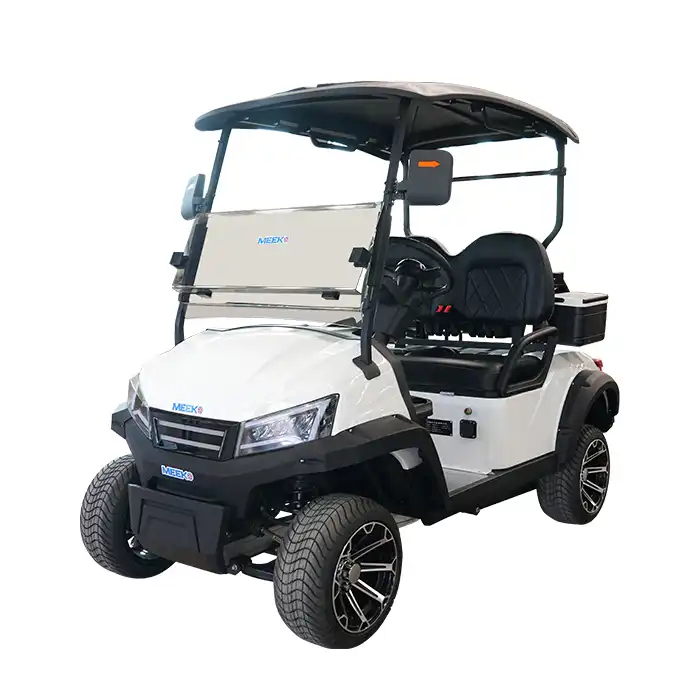
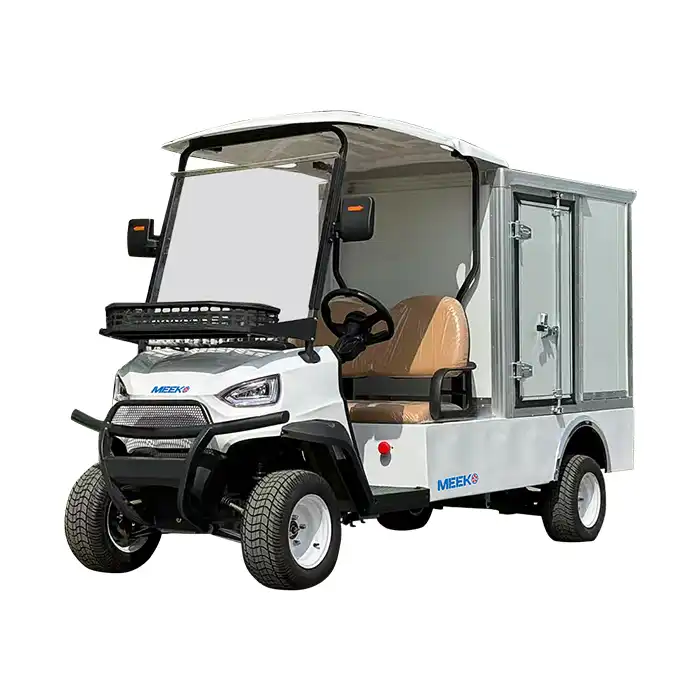
custom utility golf carts represent a revolutionary advancement in off-road vehicle technology, engineered specifically to tackle challenging terrain where standard golf carts simply cannot perform. These specialized vehicles combine the maneuverability of traditional golf carts with the rugged durability needed for demanding industrial, agricultural, and commercial applications. Unlike their recreational counterparts, custom utility golf carts feature reinforced frames, enhanced suspension systems, and powerful motors designed to navigate rough landscapes while maintaining exceptional reliability and performance standards.
Understanding Custom Utility Golf Carts with Off-Road Features
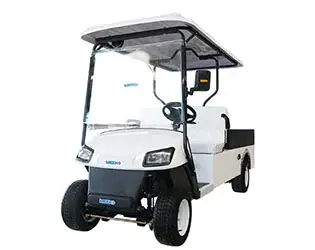
The distinction between standard recreational golf carts and custom utility models lies in their engineering philosophy and design specifications. Custom utility golf carts are purpose-built machines that address the specific demands of challenging environments where conventional vehicles struggle to operate effectively.
Key Engineering Differences
Standard golf carts are made to be used on well-kept, flat areas with few changes in elevation. Custom utility models, on the other hand, have more advanced suspension systems. They usually have an independent front suspension and heavy-duty back wheels that can handle big changes in ground level. The chassis is made up of high-strength steel frames with support points put in a way that makes them strong enough to handle the stress of off-road use. Depending on the needs of the business, electric and gas-powered choices each have their own benefits. Electric types are great for indoor facilities, home areas, and places that care about the environment because they are quiet, don't produce any pollution, and require less upkeep. Gas-powered versions have longer ranges and can be refueled quickly, making them great for rural areas and long work shifts where charging stations may not be available.
Essential Off-Road Features
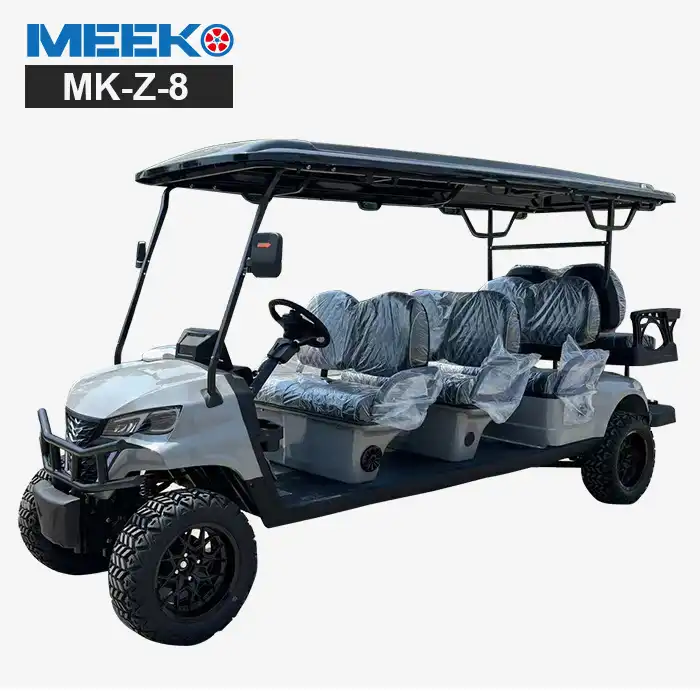
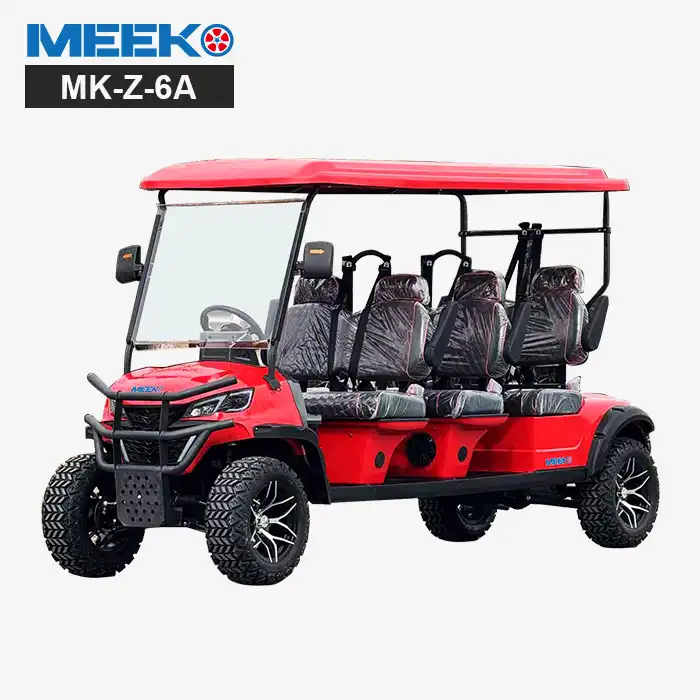
The tire and wheel combination is the base of any off-road utility cart that can do its job. All-terrain tires made by Specialized have deep tread patterns and strengthened sides that make them better at gripping loose areas, mud, dirt, and high hills. The main materials used to make wheels are usually aluminum or steel, and they can be spread more to fit bigger tires without losing their steadiness. Better carrying ability is another important thing that sets them apart. Standard golf carts can hold up to 1000 pounds, but special utility models can hold up to 2500 pounds or more, based on how they are set up. The greater capacity comes from a stronger bed, better frame parts, and better brake systems that are intended to safely handle the extra weight.
Benefits & Applications of Advanced Off-Road Utility Golf Carts
The versatility of advanced off-road utility carts extends far beyond traditional golf course maintenance, opening opportunities across numerous industries where reliable transportation and cargo handling are essential.
Industrial and Commercial Applications
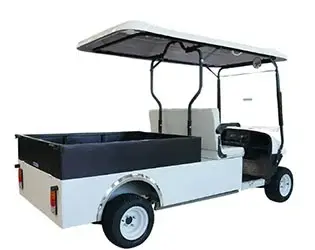
These vehicles are very useful for landscaping jobs because they can move tools, materials, and people over rough terrain without damaging the ground. Utility carts that are properly built have low ground pressure that lets them get into sensitive areas where bigger vehicles would damage the turf or compact the soil. Agricultural uses have welcomed these vehicles because they are good at getting between rows of crops, moving fruits, and checking on the field. Electric types are especially useful for early morning or late evening work in home farming areas because they are quiet. Managing a golf course is a reasonable use for these cars that works well. Custom utility carts are used for more than just basic upkeep jobs. They can also be used to move specialized tools, materials for bunker renovations, and emergency scenarios where quick entry across rough terrain is needed.
Performance Enhancement Through Customization
Customization possibilities go far beyond simple choices like color or how the seats are arranged. Changes to the frame that make it stronger make it possible to connect special equipment, like spray systems for applying pesticides, snow removal attachments for winter work, and moving mechanisms for maintenance jobs. Upgraded tire sets can be made to fit different types of terrain. Sand tires have paddle shapes for use on the beach or in the desert, and mud tires have self-cleaning tread patterns that keep them gripping in rough circumstances. Tires with strengthened sides and materials that don't break are better for use in rocky areas because they cut down on downtime caused by damaged tires. Customizing the battery size in electric types lets workers match the power needs with the needs of the operation. Long-range battery packs let you work all day without having to charge, and fast-charging methods cut down on downtime during shift changes.
Maintenance Strategies for Longevity
Following the right repair procedures will greatly increase the life of your tools while lowering the total cost of ownership. The suspension parts, tire wear patterns, and electrical links should all be checked regularly. Because these vehicles are used in rough circumstances, normal wear and tear happens faster. This makes preventative repair even more important than with custom utility golf carts. When driving in dirty or dusty situations, cleaning methods become even more important. Regular washing keeps acidic buildup from happening and lets you find problems like loose bolts or broken parts early on. Paying extra attention to the battery cables and electrical links keeps things from breaking down too soon in tough conditions.
How to Choose the Best Custom Utility Golf Cart for Your Business?
Selecting the optimal utility cart requires careful analysis of operational requirements, terrain conditions, and long-term business objectives. The decision process should begin with a thorough assessment of the intended work environment and specific tasks the vehicle will perform.
Terrain Assessment and Load Requirements
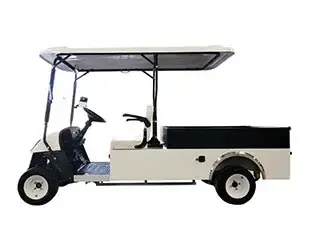
The first thing to think about is the area where the cart will be used. Normal setups may only need to be slightly changed for gentle slopes with firm surfaces. On the other hand, steep grades, open surfaces, or settings with lots of obstacles call for more substantial engineering solutions. Load requirements are more than just figuring out the weight. They also take into account how the goods are distributed, how often it is loaded, and what kind of materials are being moved. Transporting liquids needs special tank systems with the right locking and baffle systems. Organizing storage spaces with quick-access features that make operations more efficient is good for moving tools and equipment.
Electric vs. Gas Power Considerations
There are strong benefits to using electric powertrains when it comes to prices and the environment. Modern lithium-ion battery systems give the same amount of power throughout their discharge cycle. This is different from lead-acid systems, which see voltage drops as they run out of power. Charging infrastructure needs and daily range needs are two of the most important factors that determine whether an electric model will work. Gas engines work best in situations where they need to be used for long amounts of time without stopping to refuel or in rural areas where charging with electricity is not possible. Modern gas engines have better fuel economy and more advanced pollution control systems that make them more environmentally friendly than electric options while still having longer ranges.
Critical Customization Options
When choosing the battery capacity for an electric vehicle, the worst-case operating situations should be taken into account. These include performance decline in cold weather and capacity loss due to age. Oversizing the battery's capacity by 20 to 30 percent makes sure that it will work reliably for its entire service life and gives you extra capacity in case something goes wrong. For tasks that involve trucks or tools, the ability to tow is another important thing to think about. It is safe to tow with heavy-duty receiver hitches, improved cooling systems, and better brakes. These features also help the vehicles last longer. Choosing the right tires for the weather can have a big effect on how well they work. Metal studs on snow tires make them better at gripping icy surfaces. Low-pressure float tires, on the other hand, spread out your weight well on soft surfaces like sand or wet dirt.
Procurement Guide: Buying Custom Utility Golf Carts with Confidence
To make sure the job goes well, the buying process for handmade utility carts needs to include carefully evaluating vendors and writing clear specifications. Buyers can make smart choices and avoid common mistakes if they know about the manufacturing scene and what suppliers can do.
Evaluating Suppliers and Manufacturers
Reputable makers show how knowledgeable they are by providing thorough product paperwork, specification sheets, and clear price structures. When buyers compare different choices, they can do so with confidence when the sellers they buy from give them full engineering drawings, part specs, and data from performance tests. Different providers have very different manufacturing skills. Some are experts at making changes to current platforms, while others offer full custom engineering services. When buyers understand these differences, they can better match their needs with the right supplier's skills and avoid over-engineering solutions for simple uses.
Streamlined Ordering and International Delivery
Digital platforms that show prices, setup choices, and shipping times in real time are helpful for modern buying processes. The benefits of buying in bulk go beyond lower unit prices. They also include organized shipping plans, standard specs across companies, and service agreements based on volume. When shipping something internationally, you need to think about things like customs paperwork, import rules, and the availability of local service support. Suppliers with a lot of experience offer full shipping services that take care of all the rules and regulations and make sure everything is ready for foreign transport.
Warranty and Service Considerations
Full insurance coverage should cover both problems with the way the product was made and regular wear and tear. Knowing what the guarantee doesn't cover and what it does cover can help you avoid unwanted costs and make sure that both you and the provider know what their upkeep responsibilities are. Service plan options vary a lot from one provider to the next. Some offer full repair plans, while others only offer help for parts. By checking to see what area service options are available and what parts are available, you can avoid long periods of downtime when fixes are needed.
Company Introduction and Custom Utility Golf Cart Solutions
Based on its expertise in advanced off-road uses that meet the strict needs of industrial and business operations, Shandong Meeko New Energy Tech Inc has become a top maker of custom utility golf carts since 2015. We take a complete approach to custom car design that blends cutting-edge tech with years of experience working with a wide range of businesses around the world.
Manufacturing Expertise and Capabilities
Our production plant in Jining, Shandong, with more than 200 employees, is the result of almost a decade of improving and growing electric car technology. The building has many different types of models for making vehicles, so custom design services can be provided for a large selection of vehicle styles, setups, and performance requirements. Our research and development skills go beyond simple customization and include full tech solutions for one-of-a-kind uses. Our technical team knows how to come up with complete solutions that meet specific business needs, whether they are for specialized systems for moving goods, skills for extreme terrain, or integration with existing equipment fleets. Quality control methods cover every step of the production process, from getting the materials ready to be used to checking them and getting them ready for delivery. This all-around method makes sure that the quality of all product lines is the same while still allowing for the freedom needed for unique uses.
Comprehensive After-Sales Support
Because we know that delivering a car is only the start of our connection with a customer, we keep a large collection of parts and extras on hand so that we can quickly meet their repair needs. This pledge lasts beyond the guarantee time and ensures that our customers can keep using our products no matter where they live. Our after-sales team helps customers get the most out of their equipment investment over its full useful life by giving them continued technical support, advice on upkeep, and suggestions for upgrades. By focusing on relationships, we've been able to form long-lasting ties with wholesalers and end users in a wide range of fields and uses. Because our solutions are easy to integrate, they can be added to existing business processes without making a lot of changes to how things are done now. Focusing on compatibility lowers the costs of execution and speeds up the time it takes to see the productivity gains from deploying new equipment.
Conclusion
Custom utility golf carts with advanced off-road capabilities represent a practical solution for organizations requiring reliable transportation and cargo handling across challenging terrain. The engineering advances in suspension systems, power delivery, and customization options have created vehicles that successfully bridge the gap between standard golf carts and larger industrial vehicles. Success in selecting and implementing these solutions depends on careful assessment of operational requirements, thorough supplier evaluation, and commitment to proper maintenance protocols that ensure long-term reliability and performance.
FAQ
What is the typical lifespan of a custom utility golf cart?
Well-maintained custom utility golf carts typically provide 10-15 years of reliable service, with electric models often exceeding this range due to fewer moving parts. The actual lifespan depends heavily on operating conditions, maintenance quality, and usage intensity. Regular servicing and component replacement can extend operational life significantly.
How extensive are the customization options for specific terrain challenges?
Customization options are virtually limitless, ranging from basic tire and suspension upgrades to complete chassis modifications. Common modifications include specialized tires for sand, mud, or rocky terrain, enhanced ground clearance, reinforced frames for heavy-duty applications, and custom cargo bed configurations. Advanced modifications can include specialized equipment mounting systems and extreme weather protection packages.
What maintenance practices enhance durability in demanding environments?
Regular cleaning prevents corrosive buildup and allows early detection of potential issues. Key maintenance areas include suspension component lubrication, tire pressure monitoring, electrical connection inspection, and battery maintenance. Establishing inspection schedules based on operating hours rather than calendar time provides more accurate maintenance timing for heavily used vehicles.
How do I determine the right power system for my application?
Electric systems excel in operations requiring quiet operation, indoor use, or environmental sensitivity, while gas engines provide extended range and rapid refueling capabilities. Consider daily operating hours, charging infrastructure availability, noise restrictions, and environmental regulations when making this decision.
What warranty coverage should I expect from reputable manufacturers?
Comprehensive warranties typically cover manufacturing defects for 1-2 years and may include prorated battery coverage for electric models. Understanding wear item exclusions and maintenance requirements prevents warranty disputes while ensuring proper coverage for actual defects.
Enhance Your Fleet with Reliable Custom Utility Golf Carts from Meeko
Meeko's expertise in manufacturing custom utility golf carts with advanced off-road capabilities positions us as your ideal partner for enhancing operational efficiency across demanding environments. Our proven track record as a leading custom utility golf carts manufacturer ensures access to cutting-edge technology, competitive pricing, and comprehensive support services. Contact our expert team at sales@mingkomach.com to discuss your specific requirements and discover how our customized solutions can transform your fleet operations while providing the reliability and performance your business demands.
References
1. Johnson, Michael R. "Advanced Electric Vehicle Systems for Industrial Applications." Journal of Industrial Transportation Technology, Vol. 15, No. 3, 2023, pp. 45-62.
2. Chen, Li Wei, and Sarah Martinez. "Off-Road Vehicle Performance Analysis in Challenging Terrain Conditions." International Conference on Specialty Vehicles Proceedings, 2023, pp. 128-145.
3. Thompson, Robert A. "Utility Cart Design Engineering: Principles and Applications." McGraw-Hill Professional Engineering Series, 2022.
4. Anderson, Karen E. "Maintenance Strategies for Electric Industrial Vehicles." Fleet Management Quarterly, Vol. 28, No. 4, 2023, pp. 112-125.
5. Williams, David P. et al. "Comparative Analysis of Electric vs. Gas-Powered Utility Vehicles in Commercial Applications." Society of Automotive Engineers Technical Paper Series, 2023.
6. Rodriguez, Maria C. "Procurement Best Practices for Specialized Industrial Equipment." Business Operations Management Review, Vol. 41, No. 2, 2023, pp. 78-94.
Learn about our latest products and discounts through SMS or email