- English
- French
- German
- Portuguese
- Spanish
- Russian
- Japanese
- Korean
- Arabic
- Greek
- German
- Turkish
- Italian
- Danish
- Romanian
- Indonesian
- Czech
- Afrikaans
- Swedish
- Polish
- Basque
- Catalan
- Esperanto
- Hindi
- Lao
- Albanian
- Amharic
- Armenian
- Azerbaijani
- Belarusian
- Bengali
- Bosnian
- Bulgarian
- Cebuano
- Chichewa
- Corsican
- Croatian
- Dutch
- Estonian
- Filipino
- Finnish
- Frisian
- Galician
- Georgian
- Gujarati
- Haitian
- Hausa
- Hawaiian
- Hebrew
- Hmong
- Hungarian
- Icelandic
- Igbo
- Javanese
- Kannada
- Kazakh
- Khmer
- Kurdish
- Kyrgyz
- Latin
- Latvian
- Lithuanian
- Luxembou..
- Macedonian
- Malagasy
- Malay
- Malayalam
- Maltese
- Maori
- Marathi
- Mongolian
- Burmese
- Nepali
- Norwegian
- Pashto
- Persian
- Punjabi
- Serbian
- Sesotho
- Sinhala
- Slovak
- Slovenian
- Somali
- Samoan
- Scots Gaelic
- Shona
- Sindhi
- Sundanese
- Swahili
- Tajik
- Tamil
- Telugu
- Thai
- Ukrainian
- Urdu
- Uzbek
- Vietnamese
- Welsh
- Xhosa
- Yiddish
- Yoruba
- Zulu
4wd golf cart Price Analysis Import Cost and ROI Factors
Importers and wholesalers who want to make money need to know how prices for 4wd golf carts change in different global markets. A recent study of the market shows that prices vary a lot between places where goods are made. Depending on specs and number agreements, bulk costs can range anywhere from $2,800 to $8,500 per unit. Import taxes, shipping costs, and changes in the value of the dollar all have a direct effect on total landing costs. This is why detailed ROI estimates are so important for businesses that want to stay in business. It's amazing how fast the global market for all-terrain electric cars has grown, thanks to more outdoor sports and business uses. Smart buying strategies and a deep knowledge of the rules that govern foreign trade help importers stay competitive while keeping their profit margins healthy.
Global Price Breakdown and Market Analysis
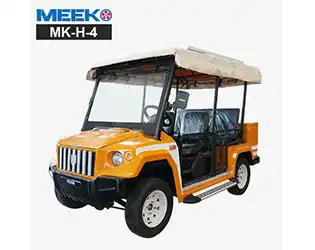
Factory Price Ranges Across Manufacturing Regions
The prices of making all-terrain electric carts change a lot depending on where they are made and the quality standards that are used. The FOB price that Chinese makers usually offer for basic setups is between $2,800 and $6,200 per unit. Prices go up to $8,500 for high-end models with modern 4WD golf cart control systems and large lithium batteries. With costs running from $7,500 to $12,000.00 per unit, European companies put their goods in the high-end market. The higher prices for these vehicles are usually because they have more advanced 4WD golf cart motor systems and better safety features. North American production costs are still high because of the cost of labor and the need to follow rules. Wholesale costs in the United States start at around $8,000 for basic models and go over $15,000 for fully-loaded ones.
Minimum Order Requirements and Volume Discounts
International sellers set minimum order quantities (MOQs) to get the best production and shipping prices. Standard MOQ needs for first orders are between 10 and 50 units. As business relationships grow, smaller orders are often made in the future. Structures that offer volume discounts make great chances for bigger imports. When you buy more than 100 units, you can usually get 8–12% off the price, and when you buy more than 500 units a year, you can save 15–20%. Pricing by the container load (20GP holds 4 units, 40HQ holds 12 units) helps optimize transportation even more.
Import Cost Components and Hidden Expenses
Tariff rates have a big effect on final landing costs. Currently, duties range from 2% to 25%, based on the place of origin and trade deals. Ocean freight costs for Asian goods range from $800 to $1,500 per unit, but can change based on fuel surcharges and changes in yearly demand. Usually, fees for clearing customs, handling at the port, and shipping within the country add another $200 to $500 per unit to the total cost of importing. Insurance for high-value packages costs between 0.5 and 1% of the value of the cargo and is an important way to protect against risks during travel. Changes in the value of currencies make price estimates more difficult. Recent changes in the USD/CNY exchange rate have caused 3-8% changes in prices every three months. This shows how important it is for big importers to use hedge tactics.
Key Factors Influencing Global Pricing
Raw Material Costs and Supply Chain Dynamics
The prices of steel and aluminum have a direct effect on the costs of making frames. Recently, the prices of these materials have gone up, which has raised production costs by $150 to $300 per unit. 25 to 35 percent of the total cost of making a 4WD golf cart is the battery. Lithium-ion systems are much more expensive than standard lead-acid systems. The supply of electronic parts continues to have an effect on production plans and the security of prices. Costs briefly go up by 5–10% for controller systems, motor parts, and charging infrastructure when supplies are limited. Prices have been slowly going up over the past few years because of rising labor costs in the main producing areas. When wages rise by an average of 3–5% per year in big output areas, trade prices are always going up.

Seasonal Demand Patterns and Market Cycles
When 4WD golf cart course owners are getting ready for the busy season, they usually do more buying in the late winter. Because of this yearly focus, prices rise temporarily from Q1 to Q2, when makers change prices to control production capacity. The resort and hotel industries buy things in different ways, and they often buy vehicles at the same time to get ready for the tourist season. During the summer, sporting sites that want to grow their fleets buy more 4WD golf carts that can go off-road. Demand for industrial uses stays pretty steady throughout the year. This gives makers steady order amounts that help them keep their prices reasonable.
Government Policies and Trade Regulations
Environmental laws are making it easier for people to buy electric cars, and many places offer tax breaks or special treatment for zero-emission transportation options. These policies make the market work in a good way, which helps keep prices stable and boosts demand. Changes in trade policies have a big effect on how prices are set around the world. Changes to tariffs and free trade agreements in the past few months have given imports in different areas both chances and problems. As safety standards change, producers have to keep spending money to make sure they are met. 4WD golf cart lights, brake systems, and structural parts have to meet stricter standards that raise production costs a little but make the product more popular on the market.
Regional Price Comparison Analysis
China vs. Alternative Manufacturing Locations
Most product types are still made in China, which has the lowest costs and offers savings of 20 to 35 percent compared to other Asian production sites. The cost of making things in Vietnam and Thailand is usually 15–25% higher than in China, but some buyers like doing business in these places to diversify their supply chains. Indian producers mostly focus on meeting the needs of people in their own country because they can't sell much to other countries. Their prices are often very close to Chinese prices, but the stability of the quality and the dependability of the service need to be carefully looked at.
Quality and Value Propositions
Premium European makers can charge higher prices because they use advanced engineering, choose better parts, and offer full guarantee plans. Their goods often come with advanced control systems and better 4WD golf cart upgrades that make them more valuable on the market. Chinese and Korean makers are in the middle. They offer higher quality standards than cheap options while keeping their prices low. Their focus on new technologies makes them a great choice for buyers who care about quality. Japanese companies focus on making products for specific uses and high-end markets. Their goods are very reliable and work well, but they come with high prices that make them hard for many people to buy.
Optimization Strategies for Cost Management
Supplier Negotiation Approaches
To negotiate prices well, you need to know a lot about the market and know how to build relationships. When you commit to a long-term relationship, you can often get better prices and earlier output schedules that are good for both of you. Technical design optimization makes it possible to cut costs without sacrificing important functions. Standardizing the choices of 4WD golf cart parts and extras lets makers offer price cuts based on volume. You can save even more by negotiating the terms of your payments. Discounts for early payment usually range from 2% to 5%. But importers have to weigh the impact on their cash flow against the chance to save money.
OEM and ODM Customization Benefits
Private label manufacturing agreements often make goods 10–15 percent cheaper than standard brand-name items. With OEM programs, importers can find their own niche in the market while still keeping prices low. Importers can make sure that the specs of their goods meet the needs of each market by customizing the designs. By getting rid of features that aren't needed or improving important parts, you can make your products stand out and charge more for them. Exclusive area agreements with manufacturers can protect the market and give you better price terms. These partnerships need big promises in terms of volume, but they give companies big benefits in their target areas.
Container Loading and Logistics Optimization
Getting the most out of each crate lowers the cost of shipping each one and makes the project more profitable overall. Mixed-load plans use different truck layouts to make the best use of the room and meet the needs of a wide range of customers. Shipping together goods that go well together saves money on shipping costs and makes the import process easier. Imports of vehicles can be accompanied by packages of 4WD golf carts, parts, and accessories, which create complete supply chain solutions. Strategically placing warehouses near major ports lowers the cost of shipping goods within the country and speeds up response times to market changes. Strategies for regional delivery cut costs and improve customer service at the same time.
Market Trends and Future Price Projections
Technology Integration Impact
As battery technology keeps getting better, costs keep going down, and performance keeps getting better. Next-generation lithium systems claim to have longer ranges while also being lighter and less maintenance-intensive, which is good for end users. Smart connection features are showing up in more and more high-end products. They add $200 to $500 to the cost of production but make the products more useful and improve the customer experience. These improvements in technology make price hikes reasonable while also making the market bigger. The ability to navigate autonomously opens up new possibilities for specific uses. Even though these technologies are expensive right now, they will probably become commonplace in three to five years as production volumes bring down costs.
Regulatory Environment Evolution
Environmental laws continue to encourage the use of electric vehicles in all places around the world. Many countries have goals to lower their carbon emissions, which helps electric cart makers and buyers make policies that work. Harmonizing safety standards across areas lowers the costs of compliance and makes global trade run more smoothly. Standardized testing and licensing methods make it easier for quality producers to get their products on the market. Developing infrastructure that makes it easier for people to buy 4WD golf carts improves the market's growth chances. Adding more charging stations and making the grid's capacity better removes hurdles to uptake for both business and leisure uses.
Economic Indicators and Market Outlook
Patterns of global economic growth affect how much money people spend on leisure and how much they put into infrastructure. The recovery of the tourism industry boosts demand for resort and hotel applications, which supports predictions of healthy market growth. Since commodity prices have been stable after recent changes, producers and buyers can plan their budgets more accurately. The prices of steel, aluminum, and battery materials seem to be finding new levels of balance that will allow prices to stay stable. In many markets, currency exchange rate trends favor buyers because the currencies of manufacturing countries stay relatively stable against the currencies of major trade countries. This steadiness makes it possible to set prices and figure out earning margins with confidence.
Conclusion
A study of 4WD golf cart prices shows that they change a lot depending on where they are made, how much they are promised, and other things related to international trade. Successful exporters get ahead of the competition by doing a lot of study on the market, building smart relationships with suppliers, and doing a full cost analysis that includes all of their import-related costs. The current state of the market is good for buyers who are willing to make long-term supply partnerships and commit to buying in bulk. Price steadiness across production areas makes it possible to plan a business with confidence, while improvements in technology make it possible to differentiate products and put them in a higher price range. In order to stay profitable in competitive markets, smart buying strategies that focus on total landing costs instead of simple FOB prices are needed. When exporters know about regional cost structures, legal requirements, and market demand trends, they can make better choices about where to buy things and get a better return on investment (ROI).
FAQ
What determines the final landed cost of imported golf carts?
Final landed costs include FOB factory price, ocean freight, import duties, customs clearance fees, port handling charges, inland transportation, and insurance. Currency exchange rates and fuel surcharges also impact total expenses. A comprehensive cost analysis should account for all these components to ensure accurate ROI calculations.
How do minimum order quantities affect pricing negotiations?
MOQ requirements typically range from 10-50 units for initial orders, with volume discounts starting at 100-unit commitments. Larger orders secure progressively better pricing, with annual commitments above 500 units achieving maximum discount tiers. Container-load optimization provides additional savings through improved shipping efficiency.
What factors cause seasonal price variations in global markets?
Golf course procurement cycles concentrate during Q1-Q2 periods, creating temporary demand spikes and pricing premiums. Resort operators align purchases with tourism season preparations, while industrial applications maintain steady demand. Manufacturing capacity constraints during peak periods can temporarily elevate wholesale pricing.
How do different battery technologies impact overall vehicle costs?
Lead-acid battery systems offer lower initial costs but require more frequent replacement and maintenance. Lithium-ion alternatives command 40-60% price premiums but provide extended range, reduced weight, and longer service life. Total cost of ownership calculations often favor lithium systems despite higher upfront investment.
What advantages do OEM manufacturing arrangements provide?
OEM partnerships typically yield 10-15% cost savings compared to branded alternatives while enabling private label development. Customization capabilities allow specification optimization for target markets, and exclusive territory arrangements provide competitive protection. Long-term commitments unlock preferential pricing and priority production scheduling.
Choose MEEK as Your Trusted 4WD Golf Cart Manufacturer
MEEK stands ready to transform your import business with our comprehensive 4WD golf cart manufacturing capabilities and competitive wholesale pricing structures. Our Shandong facility operates with advanced production systems, quality control protocols, and rapid delivery capabilities that consistently exceed customer expectations. Direct factory sourcing eliminates middleman markups, while our diverse mold inventory enables complete customization across styles, colors, and configurations. Experienced technical teams collaborate with importers to optimize specifications, reduce costs, and ensure market-specific requirements receive proper attention throughout the development process. Our commitment extends beyond initial sales through comprehensive after-sales support, extensive parts inventory, and warranty coverage that protects your investment. Whether developing private label products or sourcing standard configurations, MEEK delivers reliable partnerships that drive profitable growth in competitive markets. Contact our export team at sales@mingkomach.com to discuss your specific requirements and discover how our 4WD golf cart supplier expertise creates sustainable competitive advantages. Visit meekocars.com for detailed product information and comprehensive technical specifications that demonstrate our manufacturing capabilities.
References
1. International Electric Vehicle Manufacturing Cost Analysis and Global Trade Patterns, Industrial Economics Research Institute, 2024
2. Global Golf Cart Market Analysis: Pricing Trends and Regional Competitive Dynamics, Recreational Vehicle Industry Association, 2024
3. Import Duty Impact Assessment on Electric Vehicle Trade Flows, International Trade Commission, 2023
4. Battery Technology Cost Evolution and Market Adoption Rates in Electric Golf Carts, Energy Storage Technology Review, 2024
5. Manufacturing Cost Optimization Strategies in Asian Electric Vehicle Production, Asian Manufacturing Excellence Journal, 2024
6. Cross-Border Electric Vehicle Trade: Regulatory Harmonization and Market Access Analysis, Global Commerce Research Quarterly, 2023
Learn about our latest products and discounts through SMS or email