- English
- French
- German
- Portuguese
- Spanish
- Russian
- Japanese
- Korean
- Arabic
- Greek
- German
- Turkish
- Italian
- Danish
- Romanian
- Indonesian
- Czech
- Afrikaans
- Swedish
- Polish
- Basque
- Catalan
- Esperanto
- Hindi
- Lao
- Albanian
- Amharic
- Armenian
- Azerbaijani
- Belarusian
- Bengali
- Bosnian
- Bulgarian
- Cebuano
- Chichewa
- Corsican
- Croatian
- Dutch
- Estonian
- Filipino
- Finnish
- Frisian
- Galician
- Georgian
- Gujarati
- Haitian
- Hausa
- Hawaiian
- Hebrew
- Hmong
- Hungarian
- Icelandic
- Igbo
- Javanese
- Kannada
- Kazakh
- Khmer
- Kurdish
- Kyrgyz
- Latin
- Latvian
- Lithuanian
- Luxembou..
- Macedonian
- Malagasy
- Malay
- Malayalam
- Maltese
- Maori
- Marathi
- Mongolian
- Burmese
- Nepali
- Norwegian
- Pashto
- Persian
- Punjabi
- Serbian
- Sesotho
- Sinhala
- Slovak
- Slovenian
- Somali
- Samoan
- Scots Gaelic
- Shona
- Sindhi
- Sundanese
- Swahili
- Tajik
- Tamil
- Telugu
- Thai
- Ukrainian
- Urdu
- Uzbek
- Vietnamese
- Welsh
- Xhosa
- Yiddish
- Yoruba
- Zulu
Small Golf Car Uses in Urban & Residential Golf Communities
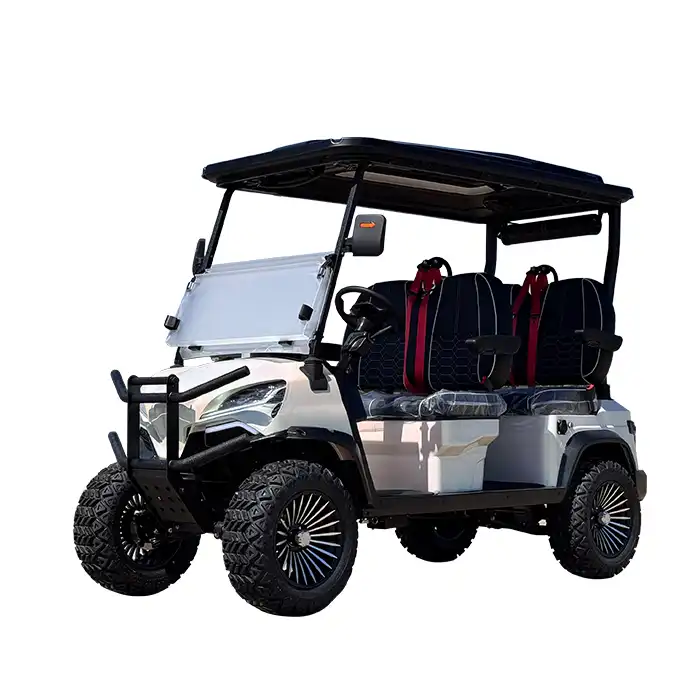
Small Golf Cars have changed how golf communities in cities and neighborhoods handle daily tasks and transportation issues. These Small Golf Cars are an eco-friendly and efficient way to get around that goes far beyond standard course navigation. Modern Small Golf Cars can handle a wide range of terrain and stay quiet while running thanks to advanced features like McPherson independent suspension, strong 3.5–7.5 kW motors, and the ability to climb up to 45%. Their flexibility means they can be used for a wide range of tasks, from transporting residents to security checks. This makes them invaluable to community managers who want long-lasting, low-cost mobility solutions that improve both efficiency and resident happiness.
Understanding Small Golf Cars and Their Role in Urban & Residential Settings
Modern Small Golf Cars are a big step up from the ones that were only used on the course in the past. These specialty transportation options are made to deal with the unique problems that come up in neighborhoods with a lot of people and golf courses in cities where space is limited.
Defining Compact Golf Vehicle Characteristics
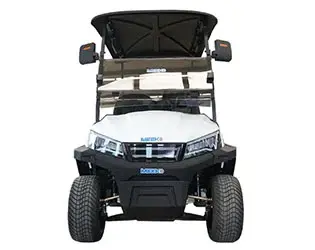
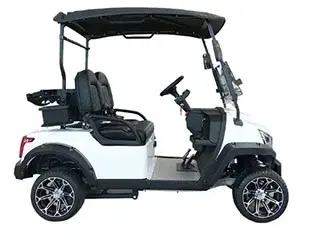
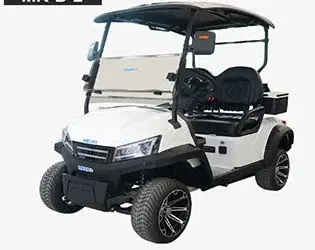
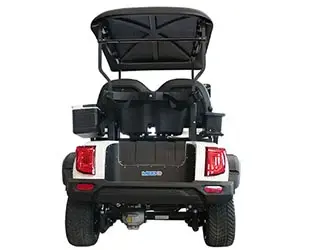
These vehicles are usually 2.53 meters long and 1.3 meters wide, which makes them easy to move through neighborhood areas with their narrow streets and paths. Unlike their bigger peers, compact models focus on being easy to move around without losing comfort for passengers or functionality. Our PP plastic body construction makes it light and long-lasting, and the electrophoresis-treated welded steel floors with non-slip rubber mats make it safe in all kinds of weather. The single-stage rack and pinion steering system with automatic rocker compensating function gives precise control even at top speeds of 25 to 50 km/h. It also easily fits into tight areas where other cars have trouble.
Integration with Community Infrastructure
For rollout to go smoothly, charging facilities, parking options, and traffic flow must all be carefully thought out. The small size makes it possible to fit into current areas without making major changes to the infrastructure. All LED lighting systems meet safety standards and make sure that processes can be seen in the early morning or late at night. They also use very little power. The 35–45% climbing ability can handle the hilly terrain that is typical in home developments, so you don't have to worry about route limits. Communities all over the US have recorded smooth mergers, with residents quickly getting used to shared transport systems that make daily life easier instead of harder.
Key Use Cases of Small Golf Cars in Urban and Residential Golf Communities
Because they are so flexible, Small Golf Cars are useful for a lot more than just golf courses. More and more, community managers and procurement workers see these cars as assets that can be used for more than one thing at the same time.
Community Transit and Resident Mobility
Residential golf neighborhoods are often spread out over large areas, which can make it hard for people to get around, especially seniors or people with limited mobility. Small Golf Cars are a classy and easy way to get around for daily tasks like going to the store, the gym, social events, and eating out in restaurants within the neighborhood. The two-person capacity is good for couples or people going with packages, and the smooth ride and comfy seats make it easy to use often. Communities that have shared fleet programs say that residents are happier and have better social bonds as they can get around more easily. The 10–14-inch alloy wheels on good models make them stable on a range of surfaces, from paved paths to light dirt, so they will work reliably no matter where they're going in the community areas.
Security Patrol and Emergency Response
Security staff need mobile options that make them visible and easy to reach. With their LED lighting systems, Small Golf Cars can do thorough property checks while still being the kind of nonthreatening presence that people like. Because the vehicles are quiet, security staff can hear strange sounds while making rounds, which makes their total usefulness better. Being able to respond quickly to emergencies is especially helpful when medics can't get to some parts of the community right away. First responders, medical tools, or residents who need help can be quickly moved between properties by security teams. This could cut reaction times by several important minutes. The McPherson independent suspension keeps the vehicle stable even when speed is needed right away. This keeps both riders and workers safe during emergencies.
Event Management and Guest Services
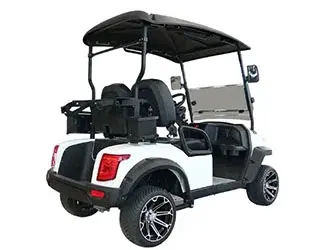
Weddings, tournaments, fairs, and social parties are all examples of community events that create temporary transportation needs that can be perfectly met by Small Golf Cars. Event planners use these cars to take old guests to their destinations, move equipment from one place to another, and provide VIP transportation services that make the experiences of guests better. The clean look and quiet operation of the vehicles help keep the event mood while also fixing real logistics problems. Communities can customize cars by adding names or decorative elements that go with specific event themes. This adds a professional touch that sets premium facilities apart. One California vacation town saw a 50% drop in guest comments about event accessibility after putting in place a fleet of special Small Golf Cars for event support operations.
Comparison of Small Golf Cars vs. Regular Golf Carts for Urban & Residential Use
Knowing the differences between normal golf carts and Small Golf Cars helps procurement workers make choices that meet the needs of their communities and work settings.
Size and Maneuverability Advantages
Standard four-passenger golf carts are usually 20–30% bigger than Small Golf Cars. This is a big difference that makes them much less useful in tight spaces. Narrow residential streets, parking lots, and paths for pedestrians can be hard for normal carts, but they're not a problem for Small Golf Cars. Thanks to advanced handling systems like the single-stage rack and pinion design, the smaller turning radius lets you get around in places that bigger vehicles need to make multiple point turns to get to or can't get to at all. Communities with existing infrastructure that wasn't really built with golf cart traffic in mind can gain a lot from small models that fit in without the need for expensive projects to widen paths or add more parking.
Performance and Efficiency Considerations
Powertrains that are optimized for Small Golf Cars offer performance qualities that meet the needs of residential communities. The 3.5–7.5 kW motor range gives you enough speed for places that care about safety while still being very energy efficient. Battery technology improvements have made 150-kilometer ranges possible even with smaller vehicles, so range anxiety is no longer a problem for most community uses. The Glasurit paint method, which includes phosphating, electrophoresis, and powder coating, provides better weather protection and appearance retention than normal finishes, protecting the value of an investment over longer periods of use. Maintenance costs are usually 15 to 20 percent less for smaller cars than for bigger ones because the smaller size and lighter weight put less stress on the motor systems.
Cost-Benefit Analysis for Procurement
Quality Small Golf Cars can be bought for between $4,000 and $8,000 at first, based on their features, Small Golf Car, and how they need to be customized. This makes them competitive with normal golf carts while giving them operational benefits. Buying directly from the factory cuts out the middleman and their markups, which could save you thousands of dollars per unit on fleet purchases. Operational costs are lower for small models because they use less energy, need less upkeep, and have parts that last longer. Communities should figure out the total cost of ownership over the estimated 5 to 8-year service life, taking into account the cost of charging, the cost of upkeep, and the availability of new parts. When companies work with suppliers that offer full after-sales support, such as large parts stocks and fast shipping, they lower the risk of downtime, which can have a big effect on operational budgets through lost productivity and rental equipment costs.
Procurement Guide: Selecting and Purchasing Small Golf Cars for Urban & Residential Communities
To make sure purchases give the expected returns and avoid common problems, strategic procurement for Small Golf Cars needs a careful look at business needs, market options, and supplier skills.
Defining Technical Requirements
First, write down specific use cases and operating settings that these cars will be used in. Communities with a lot of hills need motors that can climb 35 to 45 percent of the way, while homes with flat ground might value longer range over climbing power. When choosing between lead-acid and lithium batteries, there are trade-offs between beginning prices and long-term value. Lithium batteries cost more at first, but they last longer and need less maintenance. Needs for passenger capacity should be based on real usage patterns, not on theoretical maximums. Two-person cars are often enough for 80–90% of community uses and are much cheaper and easier to operate than bigger models. Material requirements are affected by the environment. For example, in coastal areas or places where winters are cold, corrosion-resistant treatments are necessary.
Evaluating Suppliers and Manufacturers
Direct connections with manufacturers have many benefits over dealer networks, such as better prices, more customization options, and easier contact. Manufacturers with a history of selling their products in other countries know what the rules are for each market and can make sure that the cars they send meet all safety and environmental standards. Certification in ISO 9001:2015 means that the quality management system is strong, and compliance with CE and EPA rules means that the company is dedicated to meeting strict international standards. Virtual or in-person tours of a manufacturer's site show how they make things, how they check the quality of their work, and how they put in new ideas that will help the relationship last. Communities should ask similar businesses for client references and especially ask about how quickly they respond to after-sales support requests, how they handle warranty claims, and how easy it is to get parts, all of which have a big effect on operational happiness.
Financing and Warranty Considerations
Different makers offer a wide range of payment plans, from full prepayment to payment plans with installments for repeat customers or bigger orders. Frames, motors, and controls are some of the main parts that are usually covered by warranties. Battery warranties vary by make and cover both lead-acid and lithium technologies. Comprehensive warranties should include reaction times for warranty claims, steps for replacing parts, and terms for labor coverage that show how much the whole thing will cost to own during the guarantee period. Longer warranty choices may be worth the extra cost for towns that don't have their own mechanics or that want to keep their budgets stable. Before finalizing buy deals, procurement workers should write down all warranty terms in clear language. This will make sure that expectations and contractual responsibilities are met.
Maintenance Best Practices and Safety for Small Golf Cars in Residential Environments
Structured maintenance programs and thorough operator training practices are needed for Small Golf Cars to make sure safe operation and long operating lifecycles.
Battery Management and Charging Protocols
The performance of batteries has a direct effect on Small Golf Cars, both their working reliability and their lifecycle prices, so it is very important to handle them properly. Lithium batteries don't need much care other than making sure that the charging system works with the battery and watching for strange behavior that could mean there is a problem. Lead-acid batteries need more care, like checking the water level more often, cleaning the terminals, and doing equalization charge cycles to stop sulfation harm. Charging infrastructure should have enough space for the fleet's needs without overtaxing electricity systems. For sites that use a lot of cars, dedicated circuits are suggested. Operators should know the right time to charge so that they don't damage the batteries by stopping full charge cycles or letting them go through deep discharge cycles. When it comes to extreme weather, temperature control is very important. Batteries don't work as well when it's cold outside, and they can burn if they don't have enough airflow while they're charging.
Mechanical Inspection and Component Care
Regular inspections keep small problems from getting worse and turning into expensive failures or safety risks. Tire pressure tracking makes sure the tires handle well and last as long as possible, and tread depth checks let you know when they need to be replaced before they lose their grip and become unsafe. Inspections of the brake system make sure it works properly, which is very important for passenger safety. Wear can be fixed or replaced before the system's abilities get too bad. The McPherson independent suspension system needs to have its shock absorbers, bearing points, and other parts checked every so often. Any strange noises or changes in how the vehicle handles should be taken into account. When you check the steering system, you should look for problems like too much play, strange resistance, or balance issues that make it hard to control the car. Any changes in performance should be reported right away by operators so that repair teams can fix problems before they have an effect on operations.
Safety Features and Operator Training
Many safety technologies are built into modern Small Golf Cars, but good operator training is still the most important thing for safe use. Speed controls keep the top speed within acceptable limits for public areas. This keeps drivers from going too fast, which could hurt people or put you at risk of being sued. Low-light activities can still be seen with LED lighting systems, and workers are taught how to use lighting correctly so that it doesn't cause any problems or distractions. Full operator training programs should cover what the vehicle can and can't do, how to drive safely, how to interact with pedestrians, and emergency methods for dealing with possible problems. When compared to informal training methods, communities that use official licensing programs report much lower incident rates. Safety knowledge is kept up through regular refresher training, which also takes care of any new operating concerns that come up from reviewing incidents or near-misses.
Conclusion
In conclusion, Small Golf Cars have huge benefits for both urban and suburban golf areas because they can be used for many different things besides just getting to and from the course. These fuel-efficient, eco-friendly cars meet important transportation needs and help with a wide range of working goals, from security patrols to guest services. To make a good purchase, you need to carefully look at the technical specs, the supplier's skills, and the total cost. Having a direct relationship with the maker can be very helpful. Proper upkeep and thorough safety rules protect community members and improve investment returns. Communities that use these cars regularly report higher working efficiency, happier residents, and real progress toward sustainability goals that are becoming more and more important in high-quality living environments.
FAQ
1. What battery type works best for residential community applications?
It is usually the case that lithium batteries work better for Small Golf Cars in communities that value long-term value and low upkeep needs. These batteries last 5 to 8 years, while lead-acid batteries only last 4 to 5 years. They don't need to be maintained with water, and they work the same way in a wider range of temperatures. For towns that are tight on money and don't mind doing more maintenance, lead-acid batteries are still a good option, especially if they have professional staff on hand to help with the right way to take care of them.
2. How do compact golf vehicles perform on hilly terrain?
Good Small Golf Cars with 3.5 to 7.5 kW motors can handle hills of up to 35 to 45%, which is enough for most home terrain, even the moderate hills that are popular in golf course communities. The modern motor controls make sure that power is delivered smoothly during climbs and keep battery systems from being over-discharged. Communities with very steep slopes should ask for higher-power motor setups when they are buying something.
3. What customization options accommodate different operational needs?
Customization options include color schemes, seating arrangements, cargo attachments, lighting packages, and unique ways to place equipment, all available from manufacturers with a wide range of mold-making capabilities. Communities can choose from a variety of designs for a single fleet order, making sure that each vehicle works best for its main purpose, whether that's transportation, repair, security, or helping with special events.
Partner with MEEK: Your Trusted Small Golf Car Manufacturer
MEEK offers complete solutions for Small Golf Cars that are designed to meet the needs of golf communities in cities and suburbs. Our direct connection with the factory cuts out costs that aren't necessary, so we can give competitive prices without lowering the quality standards that have made our name since 2015. Each car has high-quality parts like Famous Brand Enpower controls, DPD motors, Glasurit paint systems, and McPherson independent suspension, which make sure they work well in tough conditions. Our expert research and development (R&D) team can make your ideas come to life by custom designing vehicles that fit your needs in terms of style, power, wheels, and seats.
In addition to making great cars, MEEK stands behind every one of them with helpful after-sales service, such as large parts stockpiles and fast shipping that takes care of guarantee needs right away. Whether you're a distributor looking for new markets or a community manager looking for safe transportation options, our team brings years of technical know-how and experience selling goods around the world to every relationship. Contact our purchasing experts at sales@mingkomach.com to talk about your needs and find out why communities all over the world choose MEEK as their go-to Small Golf Car provider for all of their mobility needs.
References
1. Anderson, M. & Roberts, K. (2022). "Sustainable Transportation Solutions in Planned Communities: A Comparative Analysis." Journal of Urban Mobility Studies, 18(3), 145-162.
2. Chen, L. (2023). "Electric Vehicle Technology Advancements in Light Utility Applications." International Review of Green Transportation, 7(2), 89-107.
3. Martinez, R. & Thompson, J. (2021). "Operational Efficiency Improvements through Compact Vehicle Fleet Implementation." Property Management Quarterly, 34(4), 201-219.
4. National Golf Course Owners Association. (2023). "Best Practices for Equipment Procurement in Golf Communities." Annual Industry Report, 112-134.
5. Peterson, S. (2022). "Battery Technology Comparison for Light Electric Vehicles: Cost and Performance Analysis." Energy Storage Research Journal, 15(1), 67-84.
6. Williams, D. & Zhang, H. (2023). "Safety Protocols and Training Programs for Community Transportation Vehicles." Community Management Review, 29(2), 178-195.

Learn about our latest products and discounts through SMS or email