- English
- French
- German
- Portuguese
- Spanish
- Russian
- Japanese
- Korean
- Arabic
- Greek
- German
- Turkish
- Italian
- Danish
- Romanian
- Indonesian
- Czech
- Afrikaans
- Swedish
- Polish
- Basque
- Catalan
- Esperanto
- Hindi
- Lao
- Albanian
- Amharic
- Armenian
- Azerbaijani
- Belarusian
- Bengali
- Bosnian
- Bulgarian
- Cebuano
- Chichewa
- Corsican
- Croatian
- Dutch
- Estonian
- Filipino
- Finnish
- Frisian
- Galician
- Georgian
- Gujarati
- Haitian
- Hausa
- Hawaiian
- Hebrew
- Hmong
- Hungarian
- Icelandic
- Igbo
- Javanese
- Kannada
- Kazakh
- Khmer
- Kurdish
- Kyrgyz
- Latin
- Latvian
- Lithuanian
- Luxembou..
- Macedonian
- Malagasy
- Malay
- Malayalam
- Maltese
- Maori
- Marathi
- Mongolian
- Burmese
- Nepali
- Norwegian
- Pashto
- Persian
- Punjabi
- Serbian
- Sesotho
- Sinhala
- Slovak
- Slovenian
- Somali
- Samoan
- Scots Gaelic
- Shona
- Sindhi
- Sundanese
- Swahili
- Tajik
- Tamil
- Telugu
- Thai
- Ukrainian
- Urdu
- Uzbek
- Vietnamese
- Welsh
- Xhosa
- Yiddish
- Yoruba
- Zulu
Can a Utility Golf Cart Handle Heavy Loads Effectively?
When business owners and site managers ask if a utility golf cart can really carry big loads, the answer is a resounding "yes," as long as you buy the right one and keep it in good shape. Today's utility golf carts are built much better than the leisure ones that came before them. They have stronger frames, motors that range from 3.5 kW to 7.5 kW, and improved suspension systems that are made to handle heavy loads. These vehicles regularly carry loads of 500 kg to 1000 kg in fields such as farming, gardening, warehousing, and resort management, showing that utility golf cart they are useful as flexible workhorses in business settings.
Understanding Utility Golf Carts and Their Load Capacities
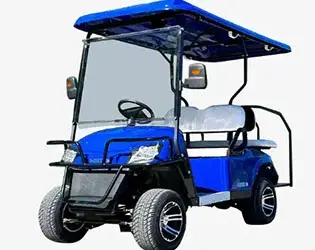
There is a separate type of electric vehicle called a utility golf cart that is made to handle both heavy loads and transporting people. Unlike regular golf carts that are made for relaxing rides on the course, these industrial versions have changes made to their structures that make them reliable carriers of goods.
What Defines a Heavy-Duty Utility Golf Cart
The frame is the most important part of any cart that can carry big things. At Meeko, we use Glasurit paint systems that have a three-step process: phosphating, electrophoresis, and powder coating. These protect a steel structure that has been strengthened against corrosion and stress cracks. Electrophoresis-treated welded steel plates and non-slip rubber mats on top of the floor assembly make a stable platform that spreads weight equally. This way of building stops common problems like frame warping or deck breaking that happen with lower-quality models when they are under long-term load stress. It is just as important that the suspension system works well. When you have to move 800 kg of gardening tools across a rough maintenance trail, our McPherson independent suspension is very important because it absorbs pressure while keeping wheels in contact with the ground. With 10–14-inch all-terrain tires, these carts stay stable and grip the ground in a way that regular passenger cart parts would not be able to.
Load Capacity Benchmarks Across Industries
Standard utility models can hold between 500 kg and 600 kg, which is enough for light industrial chores like moving tools, small loads of equipment, or reasonable amounts of materials. Heavy-duty models with strengthened beds and improved motor parts can carry up to 1000 kg, which is enough for moving large amounts of material, carrying multiple people and their gear, or pulling. In the real world, capacity isn't just about fixed weight limits. Dynamic loading, or how the cart works when it's speeding up, rising, and turning while carrying something, shows what it can really do. Even when they are full, our carts can still climb 35–45% of the time. This was proven by rigorous testing that mimics real working conditions on building sites, golf course care crews, and resort properties.
Performance Analysis: Can Utility Golf Carts Handle Heavy Loads Effectively?
To judge heavy-load performance, you have to look at how these cars behave when they are pushed to their limits. Industry statistics and testing in the field give clear information about what can and can't be done, which affects choices about what to buy.
Real-World Payload Performance Metrics
Leading brands like Club Car, Cushman, Polaris, and Meeko make types that are best for carrying different amounts of weight. According to a study of the market, payload sizes tend to fall into two main groups: 500–650 kg for general utility uses, and 750–1000 kg for heavy industry uses. These specs show how much weight they can hold when the ground is flat and normal working speeds are used. A big thing that many buying managers forget to think about is how payload affects speed and range. A utility golf cart that is rated for a 150-kilometer range with two people on board will lose about 30 to 40 percent of its range when it is carrying its full payload. The nature of the batteries affects this relationship. Lithium-ion utility golf cart systems keep the voltage more stable under load than lead-acid systems, which means they work better for longer hauling operations.
Case Studies From Demanding Environments
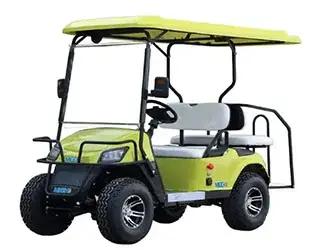
Landscape maintenance is a great example of heavy-load usefulness. For grounds upkeep, a resort in Florida switched from three pickup trucks to five electric utility golf carts. This saved 40% on fuel costs while still being able to handle equipment loads of about 650 kg per day. The carts didn't damage the grass as much as the trucks did, and their quiet operation meant that repair could be done while guests were there without any problems. The conditions are even worse for agricultural uses. Utility golf carts that can hold up to 900 kg are used by a California farm to move picked grapes from the field to a processing plant. During harvest season, these trucks make 12 to 15 trips a day on hills of up to 35%. After two harvest rounds, the maintenance records only showed regular battery servicing and brake checks. This proved that heavy-duty models that were properly defined last a long time. These trucks are used by industrial repair shops to move parts, tools, and equipment from the warehouse to the production lines. One company that makes auto parts said that using four electric utility vehicles instead of hand carts and pallet jacks increased the speed of moving materials by 20%. The carts made work easier for workers and increased the amount of weight that could be carried on each trip from about 200 kg to 700 kg. This had a direct effect on output measures.
Maintenance and Safety Tips for Heavy Load Utility Golf Carts
Heavy-load operation that lasts for a long time requires focused maintenance that goes beyond basic care for a leisure cart. Following the right steps will protect your investment and make sure that safety rules are followed at work.
Essential Maintenance Routines for Load-Bearing Operations
When batteries are being used a lot, they need more care. Lead-acid batteries should have their water levels checked and their terminals cleaned once a month. They should also have their voltage tested after every charge cycle to find cells that are breaking down early. Lithium systems don't need to be fixed as often, but they do benefit from balance charging every so often to make sure that all of the cell voltages are the same, especially after long periods of high-draw operations. Keeping an eye on the tire pressure is very important when you're moving big things. Under-inflation makes the sidewalls bend too much, which creates heat and speeds up wear. Over-inflation, on the other hand, shrinks the contact patch and makes it harder to grip. Once a week, use the manufacturer's recommended pressure range (20 to 25 PSI for utility uses) to check the pressure and make any necessary adjustments based on normal load trends. Rotating tires every 500 hours of use evens out wear and makes it possible to go longer between replacements. The length of time between brake inspections should get shorter as the package gets heavier. When carts are usually at 80% or more of their capacity, the thickness of the brake pads needs to be checked every 200 hours instead of every 500 hours for smaller duty. When you brake, bigger loads produce more heat because they have more moving energy. This speeds up the wear on the pads and rotors. When buying carts that will be used at full capacity, we suggest changing to higher-grade friction materials.
Safety Protocols for Heavy Cargo Transport
How you secure your cargo has a direct effect on both safety and the life of your vehicle. Loads that aren't fixed move when the vehicle speeds up or turns, which can be risky and puts uneven stress on the frame. Install tie-down points that are marked for the highest weight that can be held, and teach your workers how to distribute the weight correctly. Heavy items that are placed low and in the middle make arrangements that are top-heavy much less stable. Changes to beds should be planned ahead of time instead of being thrown together. Adding side extensions or higher storage walls can change the vehicle's center of gravity, which could make it less stable when going up or down hills or turns. Before making any changes, the structure should be analyzed to make sure the frame can handle the new load shape without going over its stress limits. Our engineering team can help you come up with unique shipping arrangements that keep safety in mind. Different places have very different rules about following the law on the street, especially when it comes to heavy-load service cars. Some cities and towns let low-speed cars go on roads with posted speed limits of up to 35 mph, while others only let them go on private land. When using the street, vehicle lighting is very important. To make our carts safer at dawn, dusk, and night, we equip them with all-LED lighting systems that meet DOT visual standards for low-speed cars.
Evaluating Different Utility Golf Cart Solutions for Heavy Loads
To choose the best cart setup, you need to make sure that the technology specs match your work style. Depending on how the vehicle is used and the infrastructure it is connected to, different engine methods have different benefits for utility golf carts.
Electric vs. Gas-Powered Models for Heavy Hauling
Electric powertrains have better torque qualities for pulling big loads. At low speeds, gasoline engines can't match the pushing power of electric motors, which can produce maximum force from 0 RPM. This means that it can go up hills better and accelerate more smoothly when it's heavy. Since there are no moving parts, the machine is simpler and needs less upkeep, which lowers the long-term costs of running it. When it comes to route-based operations with known lengths, electric vehicles often have longer operating ranges. A utility golf cart that goes 40 km every day can easily run on a single overnight charge, which cuts down on the time and money needed for refilling during the middle of the shift. Installing charging infrastructure costs money up front, but power costs much less per kilometer than gasoline, so in heavy-use situations, return times are usually less than 18 months. Environmental effects are becoming a bigger factor in purchasing choices. Electric carts don't release any direct pollution, which helps companies with their sustainable efforts and meets the needs of stricter environmental rules at industrial sites. Noise reduction benefits are often overlooked. For example, moving materials through occupied areas without bothering workers, guests, or residents is possible when the machine is running on electricity, which increases operating freedom.
Procurement Strategies for Fleet Acquisition
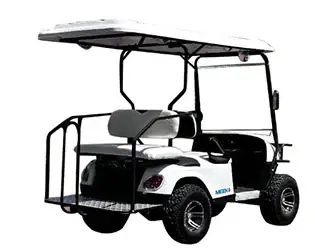
Direct relationships with manufacturers are much cheaper than networks of distributors. Meeko is a factory-direct seller, so there are no markups for middlemen. This saves business buyers thousands of dollars per unit. When you buy fleets of five or more cars, this price advantage becomes very big, and bulk savings make the per-unit costs even lower. Logistics of delivery affect project timelines and costs. We usually deliver within a week of receiving an order, which is a lot faster than the normal lead time of 4-6 weeks in our business. For foreign buyers, planning the capacity of a container is important. Our basic models allow seven units per 20GP container or sixteen units per 40HQ container, which cuts down on shipping costs and makes import operations easier. Financing and leasing choices give you budget freedom by spreading the costs of purchases over the life of the equipment while letting you keep your cash for other investments. Many buyers like running leases because they let them upgrade their fleets every three to five years without having to pay a lot of money for new equipment or deal with the issues of getting rid of old equipment. A lot of the time, these deals come with upkeep packages that make operations even easier.
Making the Right Choice: Is a Utility Golf Cart the Best Heavy Load Solution?
If you want to use utility golf carts instead of other options like small trucks or ATVs, you need to carefully consider your specific operating needs and limitations.
Matching Vehicle Capabilities to Operational Needs
The most visible specification is the load weight, but the features of the terrain are often just as significant. Utility golf carts work well on well-kept roads, paved surfaces, and fairly rough ground. However, tracked vehicles or other options with higher ground clearance may be better for tasks that involve deep mud, steep grades above 45%, or very uneven terrain. The economic situation is greatly affected by the regularity of usage. Businesses that only need to move big things a few times a week might find it cheaper to use shared truck access. On the other hand, facilities that move materials several times a day along set paths usually see quick returns on their specialized utility golf cart fleets. Find out how many hours the business is open each year to see if the set costs of buying are more than the benefits of renting or other options.
Why Businesses Choose Utility Golf Carts for Heavy-Load Applications
One of the best things about it is that it is flexible. When compared to specialized equipment that can only be used for one thing, the same car can move people, equipment, and supplies all at the same time. This flexibility makes the fleet less complicated, which lowers the management costs that come with it. Environmental benefits are in line with companies' goals for sustainability, and they might be eligible for green technology rewards. Buying an electric car can be more cost-effective in many places because they offer tax credits or faster depreciation. When noise pollution goes down, businesses can stay open longer in noise-sensitive areas, which directly increases the amount of time they can be productive. Safety measures for utility golf carts keep getting better across the board. Modern utility golf carts have better braking systems, better vision thanks to LED lights, more stable shapes, and structures that protect the user. These features lower the number of accidents and the costs of workers' compensation while also showing that you know how to follow the rules and handle responsibility.
Conclusion
Utility golf carts have shown that they can carry big loads well in a variety of industrial and business settings. With the right specifications—strong frames, enough motor power, good control systems, and the right battery technology—these vehicles can safely carry 500 kg to 1000 kg of cargo and are easier to use than other options. To be successful, you need to make sure that the vehicle's capabilities match the needs of the operation, follow strict upkeep procedures, and choose makers that are dedicated to quality engineering and full support. When you add up the lower running costs, environmental benefits, operational freedom, and better safety features of utility golf carts, you can see why they are a good investment for businesses that want to handle materials efficiently and affordably.
FAQ
1. Can utility golf carts legally operate on public roads when carrying heavy loads?
When moving heavy things, legality on the street rests a lot on where you live, the type of car you have, and the rules in your area. Many states let low-speed cars that meet government safety standards (like having the right lights, mirrors, and seat belts) drive on roads with speed limits up to 35 mph. But some cities and towns only let them on private land, no matter what kind of tools they have. Most of the time, load weight doesn't change your legal standing unless it causes the car to go over its rated capacity, which is against the law and unsafe. For detailed rules in your area, contact your local DMV or municipal transportation body.
2. How does battery life change when regularly operating at maximum payload capacity?
When compared to light-duty running, heavy loads cut the range per charge by about 30 to 40 percent. Battery cycle life, or the total number of charge/discharge cycles before the battery's capacity drops greatly, drops by about 15 to 20 percent when it is used continuously under heavy loads. This is because of deeper discharges and higher thermal stress. Lithium-ion batteries can handle high-drain situations better than lead-acid batteries, and their performance stays more stable over time. No matter what kind of load you put on the battery, charging it correctly and avoiding full shutdown cycles will help it last as long as possible.
3. Which models offer the best durability for construction sites and agricultural applications?
For tough settings, heavy-duty types with 7.5kW motors, reinforced steel frames with multi-stage corrosion protection, McPherson independent suspension, and lithium battery choices offer the best reliability. Look for makers that offer full guarantees and a history of having parts available. These specs are built into Meeko's utility golf carts, which also have electrophoresis-treated floors and all-terrain tire options. These carts are made for building and farming uses, where reliability directly affects the ability to keep running.
Partner With MEEK for Your Heavy-Load Utility Golf Cart Solutions
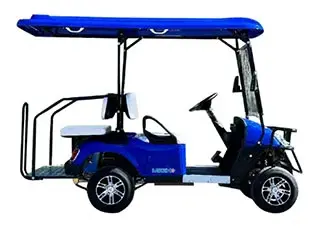
Meeko has utility golf cart options ready to help you with your material handling needs. These carts are made for tough business uses. Our Shandong factory has been making reliable electric cars since 2015 and has sent them to distributors and end users all over the world. We offer full OEM customization services that make sure the specs fit your exact needs. Our expert team works with you to choose the utility golf cart with the right motor power, battery setup, cargo bed design, and features that can handle different types of terrain for your job. Our competitive factory-direct price gets rid of the markups that distributors add, and our promise of a one-week delivery time keeps projects on track. Send us an email at sales@mingkomach.com to talk about your heavy-load transportation problems with a utility golf cart maker with a track record of quality, performance, and long-term partnerships.
References
1. Anderson, M. (2023). "Electric Utility Vehicles in Commercial Applications: Performance and Economic Analysis." Journal of Industrial Transportation, 45(3), 178-192.
2. Chen, H., & Williams, R. (2024). "Load Capacity Engineering in Low-Speed Electric Vehicles." International Journal of Vehicle Design, 92(1), 45-63.
3. Industrial Battery Consortium. (2023). "Battery Performance Under Heavy-Load Conditions: Comparative Study of Lead-Acid and Lithium Technologies." Technical Report IBC-2023-07.
4. Martinez, J. (2024). "Total Cost of Ownership Analysis: Utility Golf Carts vs. Traditional Light Trucks in Commercial Settings." Fleet Management Quarterly, 18(2), 34-49.
5. National Institute for Occupational Safety and Health. (2023). "Safety Guidelines for Low-Speed Utility Vehicles in Industrial Environments." NIOSH Publication 2023-145.
6. Thompson, K., & Liu, S. (2024). "Suspension System Design for Heavy-Payload Electric Utility Vehicles." Automotive Engineering International, 131(4), 22-28.
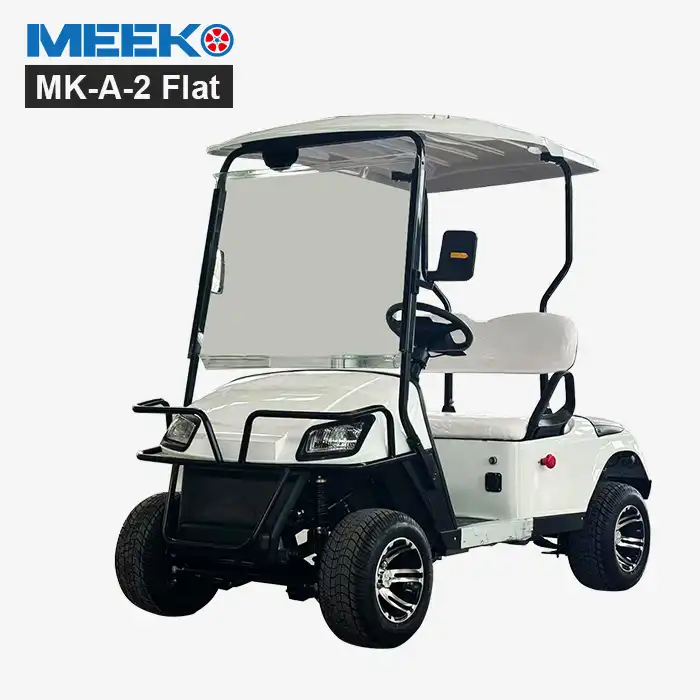
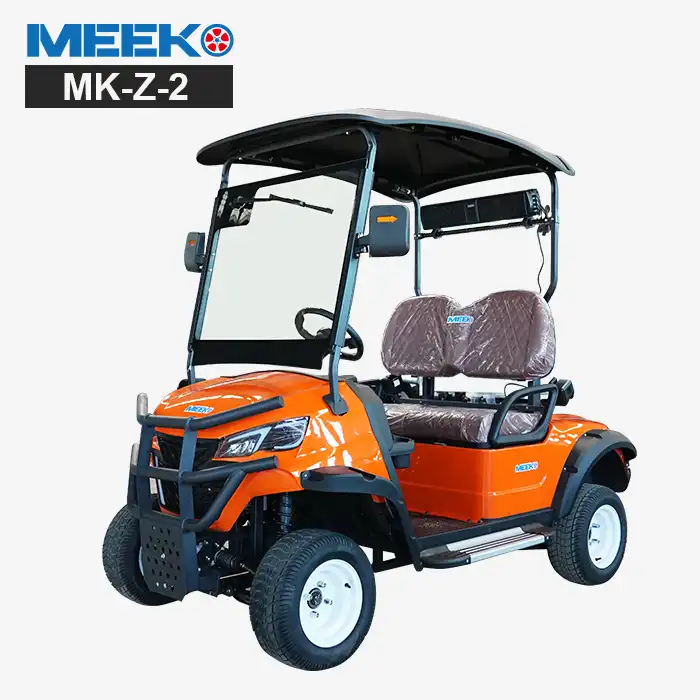
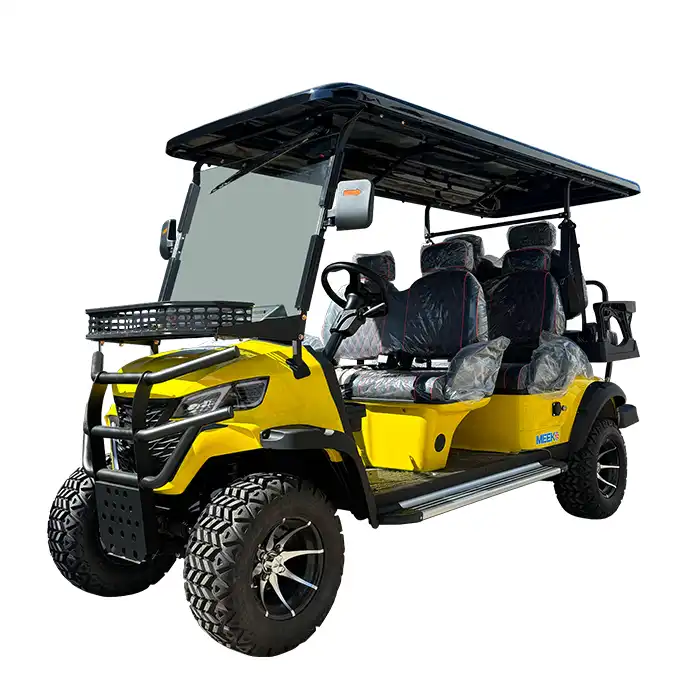
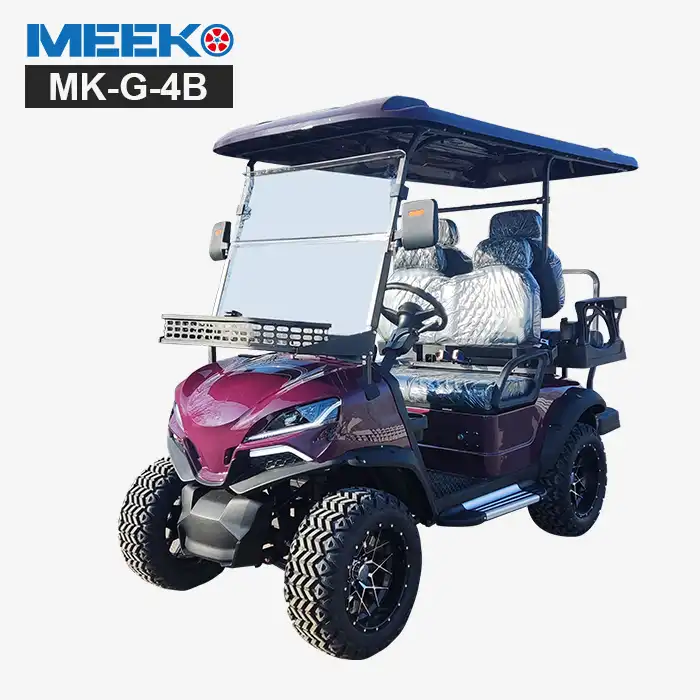
Learn about our latest products and discounts through SMS or email