- English
- French
- German
- Portuguese
- Spanish
- Russian
- Japanese
- Korean
- Arabic
- Greek
- German
- Turkish
- Italian
- Danish
- Romanian
- Indonesian
- Czech
- Afrikaans
- Swedish
- Polish
- Basque
- Catalan
- Esperanto
- Hindi
- Lao
- Albanian
- Amharic
- Armenian
- Azerbaijani
- Belarusian
- Bengali
- Bosnian
- Bulgarian
- Cebuano
- Chichewa
- Corsican
- Croatian
- Dutch
- Estonian
- Filipino
- Finnish
- Frisian
- Galician
- Georgian
- Gujarati
- Haitian
- Hausa
- Hawaiian
- Hebrew
- Hmong
- Hungarian
- Icelandic
- Igbo
- Javanese
- Kannada
- Kazakh
- Khmer
- Kurdish
- Kyrgyz
- Latin
- Latvian
- Lithuanian
- Luxembou..
- Macedonian
- Malagasy
- Malay
- Malayalam
- Maltese
- Maori
- Marathi
- Mongolian
- Burmese
- Nepali
- Norwegian
- Pashto
- Persian
- Punjabi
- Serbian
- Sesotho
- Sinhala
- Slovak
- Slovenian
- Somali
- Samoan
- Scots Gaelic
- Shona
- Sindhi
- Sundanese
- Swahili
- Tajik
- Tamil
- Telugu
- Thai
- Ukrainian
- Urdu
- Uzbek
- Vietnamese
- Welsh
- Xhosa
- Yiddish
- Yoruba
- Zulu
Import 4WD Electric Golf Cart Supplier Checklist for Buyers
Choosing the right provider for your 4wd electric golf cart will have a direct effect on how well it works, how well it meets regulations, and how much money you make in the long run. When buying these specialized cars from other countries, buyers have to think about a lot of things, from the technical specs to the reliability of the supplier and the help they offer after the sale. This thorough checklist will help you find your way through the complicated world of global sourcing. It will also help B2B procurement workers rate sellers in a methodical way while avoiding common mistakes. If you know how to evaluate makers, you can be sure that the companies you work with will provide quality, value, and responsibility, whether you're providing a resort, a rental fleet, or a city government agency. In this guide, we'll look at how the market works, technical factors, the process of vetting suppliers, and the best ways to buy things so that you can make smart choices.
Understanding the 4WD Electric Golf Cart Market and Import Considerations
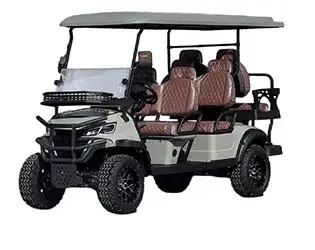
Over the past ten years, the market for 4WD Electric Golf Carts has grown a lot. This is because these vehicles are used in a lot of different places, like golf courses, resorts, corporate sites, and city halls. Unlike most two-wheel drive cars, these do really well on rough ground where steadiness and grip are very important. As demand has grown, makers around the world have reacted by bringing new battery technologies, advanced powertrain technologies, and customizable setups. In the competitive environment, there are both well-known names and new companies from places like China, where production skills have grown a lot. Buyers gain from this competition because it leads to higher standards of quality and a more reasonable price.
Navigating Regulatory Compliance
When bringing electric cars into a different country, you need to be very aware of the approval rules that are different for each market. European safety standards are met by CE certification, and quality management system compliance is shown by ISO 9001 approval. The US market needs certain electrical part approvals and safety standards for vehicles based on their intended use and top speed. Buyers should make sure that possible suppliers have up-to-date licenses that are relevant to the markets they want to sell to. Vehicles that don't comply may be held up or rejected at ports of entry by customs. Tariffs and import taxes also have a big effect on total landed costs, so it's important to know the classification numbers and rates that apply before signing a supplier deal.
Assessing Supply Chain Logistics
Because of their size, weight, and battery parts, electric cars are hard to transport over long distances. Figuring out how much space a container has is very important. For example, knowing that a 20GP container can hold about four units and a 40HQ container can hold about twelve units helps buyers get the best shipping deals. Working with providers who know about foreign logistics and the right way to file export documents lowers the risks and problems that can come up during transit and customs.
Supplier Evaluation Checklist: Essential Criteria for Importers
A good procurement process starts with a careful review of the suppliers. We suggest a methodical technique that 4WD Electric Golf Cart looks at many aspects of a supplier's skills and dependability.
Manufacturing Credentials and Facility Assessment
Real producers show what they can do by having production sites, quality control systems, and technical know-how that can be checked. Shandong Meeko New Energy Tech Inc.'s manufacturing process includes all the steps needed to make something, from getting the materials ready to checking the end product. We've grown to over 200 workers since we started doing business in 2015, which shows that our business is growing steadily and that our processes are fully developed. During production, our state-of-the-art facility uses advanced quality control measures to make sure that every unit that leaves our plant is the same. Buyers should ask to be shown around the building, either online or in person, so they can see how things are made. Look for well-organized workflows, up-to-date tools, and regular quality checks. Manufacturing certifications like ISO 9001 show that quality control systems are well-established, and CE certification shows that products meet safety standards. These credentials aren't just paperwork; they show that you've put money into systems and processes that regularly make reliable goods.
After-Sales Support Infrastructure
After-sales service is what sets good providers apart from average ones. Complete support includes guaranteed coverage, access to spare parts, expert help, and quick contact. We keep a large stock of parts and extras for our models so that customers can get them quickly when they need them during warranty times. Our skilled after-sales team takes care of technical questions and fixes problems, so your business doesn't have to deal with too much downtime. When looking at different sources, make sure you get full protection information for things like motors, controllers, batteries, and building parts. Make it clear how long it will take to respond to questions about technical help and promises to ship parts. Suppliers who already have a lot of foreign customers have shown that they can help clients in different time zones and languages.
Customization Capabilities and Order Flexibility
Because business operations are so different, there is a need for customized designs that meet the special needs of operations. Our wide range of mold-making lets us offer custom design services for a wide range of car styles, color schemes, battery types, wheel choices, and seating arrangements. This level of personalization includes branding options, unique cargo beds, and the ability to add accessories. Talk to possible providers about their minimum order numbers, production wait times, and how they handle design changes. Some makers have high MOQ requirements that make their products unsuitable for small businesses or testing the market for the first time. Meeko can handle both large fleet orders and smaller purchases. This is because we know that business partnerships start with trial orders and then move on to larger purchases.
Evaluating 4WD Electric Golf Cart Models for Your Terrain and Usage
To choose the right vehicle type, you need to make sure that the technical specs match your work setting and how you normally use the vehicle. 4WD Electric Golf Cart systems have clear benefits in some situations, but they also come with some problems, like using a lot of energy and being hard to maintain.
Terrain-Specific Performance Analysis
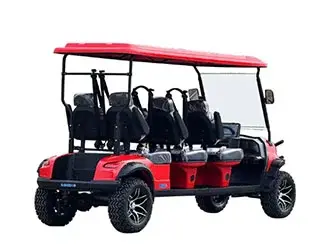
Four-wheel drive setups work best on slopes, loose ground, 4WD Electric Golf Cart and rough terrain, where two-wheel drive cars have trouble staying on the road. The way the power is distributed to all four wheels keeps the forward motion going even when some wheels lose their grip. The fact that our vehicles can climb 35% to 45% shows that they have real all-wheel traction, which lets them work reliably on resort slopes, building sites, and other difficult terrains. If the buyer will mostly be driving on flat, paved roads, they might not need four-wheel drive, so two-wheel drive types are a better value. But operations that have to deal with different types of ground gain a lot from four-wheel drive's improved handling and traction security. Also, think about how the weather changes with the seasons. When it's wet, there's light snow, or the ground is dirty, four-wheel drive systems work much better.
Battery Technology Trade-offs
Choosing the right battery affects how well the car works, how much it costs to run, and how often it needs to be serviced. Lithium iron phosphate (LiFePO4) batteries are the most common type used in electric vehicles today because they have a long cycle life, stable discharge, and a safety rating. These batteries give the same power throughout all of their discharge cycles, so they keep working well until they need to be charged again. Their 2,000-cycle lifespan is much longer than that of lead-acid options, which makes up for their higher starting costs by allowing for longer periods of time between replacements. Lead-acid batteries are good for businesses that want to save money on capital costs and already have charging and upkeep systems in place. These batteries need to have their water levels checked and charged so that they are equalized on a regular basis, but they can still be used by following simple care steps. Their shorter cycle life (usually 300 to 500 full discharge cycles) means that they need to be replaced more often.
Safety Features and User Protection
Operational safety includes many parts of a car working together to keep drivers and passengers safe. There is better vision with all-LED lighting systems than with regular ones, and they use less power and last longer. Our single-stage rack and pinion steering system with an automatic rocker compensating feature lets you turn precisely at different speeds and on different surfaces. The McPherson independent suspension system makes the car safer and more comfortable by keeping the tires on the ground when turning corners and going over barriers. This constant contact makes the brakes work better and the driving more predictable. The PP plastic body makes it durable while keeping the weight down, and the non-slip rubber floor mats make it safer to enter and leave the machine and use it.
Procurement Process and Transactional Best Practices for Buyers
Finding good suppliers is only one part of successful procurement. Other parts include deal structures, payment security, and transportation organization. International purchasing of a 4WD Electric Golf Cart brings up issues that aren't usually present in domestic buying.
Supplier Verification and Due Diligence
Before agreeing to large orders, buyers should do a lot of research on the provider. Ask for proof that your business is registered, a license to make things, and permission to sell. Third-party verification services can prove that a business is real and running. Read reviews from past customers and ask for contact information from foreign buyers in similar businesses. At Meeko, we accept these kinds of questions and keep the lines of communication open during the whole review process. Our track record since 2015 and the fact that we've grown to over 200 workers show that our business is stable and our customers are happy. To build trust in our skills, we offer plant tours, direct contact with our technical teams, and the chance to watch the production line.
Payment Terms and Transaction Security
To protect both sides' interests, international deals need to be carefully set up. Letters of credit, which are bank-backed promises of payment based on document compliance, and deposit-plus-balance structures are common ways to pay. In these structures, buyers pay part of the amount up front, and the rest is due before or upon shipment. Trade guarantee programs that are available on B2B sites offer extra safety measures. Talk to your sellers about payment terms in an open way. Keep in mind that well-known, long-standing makers may be able to offer more flexible terms than smaller, newer businesses. We set payment terms based on the size of the order and the history of the relationship with the customer. This way, we can balance security with ease of access for approved buyers.
Shipping Logistics and Customs Preparation
Transportation costs are a big part of the cost of importing cars. Optimizing containers lowers the cost of sending each unit. The size of our trucks lets us load four units per 20GP container or twelve units per 40HQ container efficiently. Buyers should work with freight forwarders who have experience importing vehicles and know what paperwork is needed, how the port works, and how customs rules work. Correct customs paperwork keeps delays and extra costs from happening. This paperwork includes business invoices, packing lists, bills of lading, certificates of origin, and any other documents that are needed for the products. The right harmonized system code division decides the duty rates that apply, so correctness is very important for estimating costs. We provide all the necessary export paperwork and work closely with our clients' transportation partners to make sure that customs clearance goes smoothly.
Maintaining Long-Term Supplier Relationships and Cart Performance
When a buy goes well, it's the start of a relationship with a seller, not the end. Ongoing cooperation makes sure that your 4WD Electric Golf Carts keep running well, that parts are always available, and that people can get new products.
Routine Maintenance and Performance Monitoring
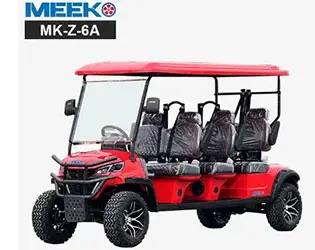
Electric cars need regular upkeep to keep the 4WD Electric Golf Cart working well and last as long as possible. Monitoring the health of the battery is still very important. Avoiding full drain cycles and keeping the temperature in a reasonable range are good for lithium batteries. Electrical links and cooling systems in motor systems need to be checked every so often. Our technical support team helps customers get the most out of their vehicles by giving them advice on maintenance and repairs. Setting upkeep times based on how often something is used instead of set dates on a calendar makes the best use of resources. Fleets that are used a lot should have checks more often, while fleets that are only used sometimes should have less intense tracking. Keep track of your system's performance and repair tasks so you can find trends that point to worn-out parts or system degradation before they happen.
Warranty Management and Technical Support
For warranty management to work well, problems must be clearly documented, providers must be contacted quickly, and records of car service history must be kept in order. When problems happen, technical teams can quickly figure out what's wrong by reading thorough accounts that include working conditions, symptoms, and any attempts to fix the problem. We keep our contact lines open and quickly ship replacement parts for parts that are still under warranty so that customer operations aren't affected by downtime as much as possible. Misunderstandings can be avoided by knowing the scope of the guarantee policy. Normal coverage includes flaws in the way the product was made and parts breaking down while it's being used normally. It doesn't cover damage caused by crashes, misuse, or illegal changes. When choosing a provider, make sure you carefully read the guarantee terms to make sure that major parts like motors, controllers, and battery systems are covered for a long enough time.
Strategic Partnership Development
Long-term connections with suppliers are good for both parties because they allow for volume commitments, early access to new products, and easier buying. Buyers get better prices, more flexible schedules for production, and help with customizing their orders. Suppliers get steady amounts of income and useful comments from customers that help them make better products. We see our ties with customers as partnerships where both of us gain from success. By making production more efficient and making it easier to get materials, volume agreements allow for better prices. Customers can better plan fleet changes when they know about new models and improvements in technology early on. This collaborative method builds relationships that last for years after the first buy.
Conclusion
When you import 4WD Electric Golf Carts, you have to carefully check out each supplier's technical skills, manufacturing qualifications, customer service after the sale, and security measures for transactions. This guide gives B2B buyers a complete way to evaluate possible business partners and make smart purchasing choices. Procurement pros can easily handle the challenges of foreign buying by looking at market trends, technical requirements, seller qualifications, and relationship management strategies. Doing detailed research pays off in the long run with reliable vehicle performance, quick help, and good working relationships with suppliers that can change as business needs do.
FAQ
1. How can buyers verify supplier authorization and legitimacy?
Buyers should ask possible providers for proof that they are registered as a business, have manufacturing licenses, and have export credentials. Third-party identification services make sure that a business is legal and able to run. By visiting manufacturing sites, either in person or online, you can see firsthand how they work. Reading customer reviews and calling reference accounts can help you figure out how reliable a company is and how good its service is. Certification documents, like ISO 9001 and CE certificates, should have proof numbers that can be used by granting bodies to do their own checks.
2. What is the expected lifespan of lithium battery-powered vehicles?
Lithium iron phosphate batteries can usually handle 2,000 to 3,000 full charge cycles before they lose a lot of power. On average, this means that they will work for four to six years with modest daily use. How long something actually lasts varies a lot on how much it is used, how it is charged, and the surroundings. Avoiding full recharge cycles, keeping temperatures in a reasonable range, and using the right charging tools can all make batteries last a lot longer. Lead-acid batteries usually last between 300 and 500 cycles, which means they need to be replaced less often.
3. What maintenance differences exist between 4WD and 2WD models?
4WD Electric Golf Cart systems have extra mechanical parts like front differentials, transfer cases, and longer parts of the engine that need to be inspected and oiled on a regular basis. In comparison to easier two-wheel drive systems, these ones need more thorough repair procedures. But the better traction and stability make the upkeep needed for activities that go through rough ground worth it. Checking the differential fluid levels, engine parts, and front axle links on a regular basis keeps the system working well and stops it from wearing out too quickly.
Partner with MEEK for Reliable 4WD Electric Golf Cart Solutions
Shandong Meeko New Energy Tech Inc is ready to be your reliable 4WD Electric Golf Cart provider. They combine high-quality production with service that puts the customer first. Our full OEM skills let us make designs that are exactly what your business needs, and our competitive factory-direct price cuts out the middleman. We send orders quickly—usually within a week of confirmation—and keep a large inventory of parts to ensure the long-term dependability of our fleet. During the design process, our experienced technical team works with you to make sure that the configurations you choose are perfect for the area and how they will be used. Email us at sales@mingkomach.com right now to talk to our specialized foreign sales team about your buying needs.
References
1. Chen, W., & Zhang, L. (2023). "Electric Golf Cart Market Analysis: Global Trends and Regional Dynamics in Commercial Fleet Procurement." International Journal of Sustainable Transportation Technologies, 18(4), 245-267.
2. Morrison, R.K. (2024). "Four-Wheel Drive Systems in Light Electric Vehicles: Performance Advantages and Maintenance Considerations." Journal of Electric Vehicle Engineering, 12(2), 89-108.
3. United States International Trade Commission. (2023). "Harmonized Tariff Schedule: Classification and Duty Rates for Electric Utility Vehicles." USITC Publication 5234, Washington, DC.
4. Anderson, P.J., & Liu, H. (2023). "Lithium Iron Phosphate Battery Technology in Commercial Electric Vehicles: Lifecycle Analysis and Total Cost of Ownership." Battery Technology Quarterly, 31(3), 156-178.
5. International Organization for Standardization. (2022). "Quality Management Systems for Electric Vehicle Manufacturers: ISO 9001 Implementation Guidelines." ISO Technical Report 9001-EV.
6. Bradley, T.H., & Kumar, S. (2024). "B2B Procurement Strategies for Imported Electric Vehicles: Risk Mitigation and Supplier Relationship Management." Supply Chain Management Review, 28(1), 34-52.
Learn about our latest products and discounts through SMS or email