- English
- French
- German
- Portuguese
- Spanish
- Russian
- Japanese
- Korean
- Arabic
- Greek
- German
- Turkish
- Italian
- Danish
- Romanian
- Indonesian
- Czech
- Afrikaans
- Swedish
- Polish
- Basque
- Catalan
- Esperanto
- Hindi
- Lao
- Albanian
- Amharic
- Armenian
- Azerbaijani
- Belarusian
- Bengali
- Bosnian
- Bulgarian
- Cebuano
- Chichewa
- Corsican
- Croatian
- Dutch
- Estonian
- Filipino
- Finnish
- Frisian
- Galician
- Georgian
- Gujarati
- Haitian
- Hausa
- Hawaiian
- Hebrew
- Hmong
- Hungarian
- Icelandic
- Igbo
- Javanese
- Kannada
- Kazakh
- Khmer
- Kurdish
- Kyrgyz
- Latin
- Latvian
- Lithuanian
- Luxembou..
- Macedonian
- Malagasy
- Malay
- Malayalam
- Maltese
- Maori
- Marathi
- Mongolian
- Burmese
- Nepali
- Norwegian
- Pashto
- Persian
- Punjabi
- Serbian
- Sesotho
- Sinhala
- Slovak
- Slovenian
- Somali
- Samoan
- Scots Gaelic
- Shona
- Sindhi
- Sundanese
- Swahili
- Tajik
- Tamil
- Telugu
- Thai
- Ukrainian
- Urdu
- Uzbek
- Vietnamese
- Welsh
- Xhosa
- Yiddish
- Yoruba
- Zulu
How Durable Are 4x4 Off-Road Golf Carts for Daily Use?
When thinking about buying off-road utility vehicles, reliability is the most important thing to think about. When built with strong frames, good control systems, and all-terrain tires, a 4x4 Off-Road Golf Cart meant to be used every day will last a very long time. These vehicles can keep working on rough terrains, like muddy farm roads and rocky building sites. The four-wheel-drive setup spreads power out evenly, which reduces stress on parts and improves grip. If you keep these carts in good shape and make sure they're made to high standards, they will work well for years and cost less than regular two-wheel-drive carts.
Understanding the Durability of 4x4 Off-Road Golf Carts
What Makes These Vehicles Built to Last
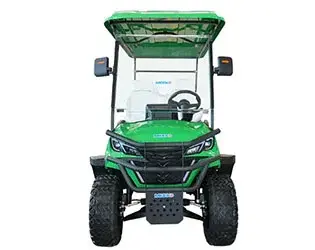
Building a sturdy off-road utility vehicle is the first thing that makes it last. At Meeko, we use Glasurit paint systems along with phosphating, electrophoresis, and powder coating methods that provide many layers of rust protection. This isn't just about how it looks; these treatments go deep into the metal and stop rust from forming, which usually shortens the life of vehicles in wet or seaside areas. Electrophoresis is used on bonded steel plates to treat the frame. This makes a molecular link that normal painting can't do. This process makes sure that the metal underneath stays safe even if small scratches happen during normal use. Impact damage doesn't affect the PP plastic body panels, and they're still light, which improves total economy without losing structural integrity.
Powertrain Components Engineered for Endurance
The DPD electric motor, which has a power range from 3.5kW to 7.5kW, provides steady speed without the complicated mechanics of combustion engines. Electric drivetrains don't have as many moving parts because they don't have timing belts, pistons, or valves that can break. The Enpower soft-start driver keeps the motor safe during the first few seconds of acceleration, stopping electrical spikes that wear out windings over time. The choice of battery technology has a big effect on how long you think it will last. When compared to lead-acid options, lithium-ion choices (48V to 72V) offer longer discharge cycles and faster charges. Lead-acid batteries are cheaper at first, but lithium batteries usually last three to five years 4x4 Off-Road Golf Cart longer in challenging situations. This makes them more cost-effective for tasks that need to be done every day.
Key Factors Affecting the Daily Use Durability of 4x4 Off-Road Golf Carts
Terrain Challenges and Mechanical Stress
Wear patterns are different on different materials. Seals and bearings get contaminated by sand, so strong cleaning systems are needed. Rocky ground puts suspension parts and tire sidewalls through a lot of pressure. When it's muddy, electrical cables and safety systems that are exposed to water can be damaged. Knowing your main working setting helps you choose the right safety features when you're buying them. The ability to slope is very important for longevity. Meeko carts can go up 35% to 45% grades, but running them close to full capacity all the time wears out the engine parts faster. A cart made for steep slopes has stronger gears and better cooling systems, which means it will last longer even if it has to deal with rough terrain every day.
Safety Features That Protect Investment Integrity
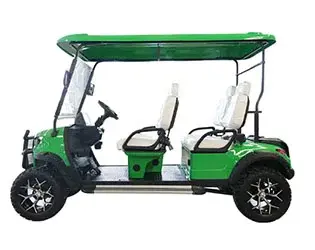
When compared to gas lighting, LED lighting systems use less power and give off better light. This matters because the electricity load has a direct effect on how far a battery lasts and how long it lasts. LED units also handle vibrations better, which means they need to be replaced less often and have less downtime for upkeep. The steel floor that has been treated with electrophoresis and has non-slip rubber mats serves two purposes. When liquids are spilled or tracked in, the treated steel doesn't rust, and the rubber surface keeps the floor pan from being damaged when big things are moved. This mixture keeps the floors from wearing down, which happens a lot in service vehicles that are used in factories.
Comparing 4x4 Off-Road Golf Carts: Durability Perspectives Across Types and Brands
Electric Versus Gas-Powered Considerations
With electric types, you don't have to do as much upkeep. There will be no oil changes, spark plugs, air filters, or cleaning of the fuel system. The benefits for the environment are in line with modern business sustainability efforts. However, the real benefits come from less downtime and a lower total cost of ownership. Electric drivetrains are quiet, so they can be used in places where noise is a problem, like spas or private areas. Gas-powered options can be refueled quickly and may have a longer range in rural areas where there isn't any charging infrastructure. However, combustion engines have hundreds of extra wear points, such as valve trains, fuel pumps, and exhaust systems, that all need to be serviced on a regular basis. Because it's more complicated, it costs more to maintain and is more likely to break down during important activities.
Evaluating Build Quality and Engineering Standards
Marketing products can't show pledges to quality 4x4 Off-Road Golf Cart that can be seen in the manufacturing process. Meeko's ISO 9001:2015 approval makes sure that all of its production units meet the same high standards. This certification requires written instructions for choosing materials, putting things together, and checking the quality. This gets rid of the variation that leads to early fails in facilities that aren't qualified. European safety and environmental standards are some of the strictest in the world. Getting CE approval shows that a product meets these standards. ROHS compliance makes sure that dangerous materials like lead and mercury are not used in electrical parts. This protects both people and the environment and shows that the manufacturers are thinking about how the materials will hold up over time. The difference between entry-level and professional-grade utility vehicles is often hard to see at first, but it's clear after 500 hours of use. Professional models have marine-grade wire cables, sealed bearings in the wheel hubs, and stainless steel bolts in places where corrosion is likely to happen. These are all small details that keep the cheaper models from slowly breaking down over time.
Practical Tips on Procuring Durable 4x4 Off-Road Golf Carts for Business Use
Verifying Supplier Capabilities and Support Infrastructure
Buyers should think about how long a seller has been in business and how much they can produce. Since it started in 2015, Meeko has grown to have over 200 workers, which shows that it is financially stable and has a good reputation in the market. A maker with almost ten years of experience has improved designs based on feedback from users, getting rid of flaws that younger companies haven't yet found. The ability to customize shows that the production process is flexible. Having a variety of molds on hand lets you change the style, color, battery, wheels, and seats without having to wait for expensive retooling. This gives you the freedom to choose the exact setups you need for your operations instead of having to settle for common ones that don't quite work. When problems happen, the system for after-sales help is very important. Meeko keeps a large stock of parts in case of guarantee claims, and orders are usually shipped within a week of being received. This quick method helps both direct buyers and distributors, and it keeps business operations running smoothly during long periods of downtime.
Customization for Environmental Demands
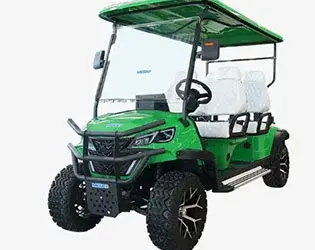
Customizing the specs of a vehicle to its use improves both its performance and its lifespan. Better air filtering and sealed electrical boxes are helpful for operations that happen in dusty places. Coastal areas need more than just normal treatments to protect against rust. In forestry uses, brush guards and reinforced body parts might be more important than features that look good. During the specification process, Meeko's technology team works with buyers to figure out these needs. This consultative method makes sure that customization solves real operating problems instead of adding features that aren't needed and add to the cost without making the system work better. As a result, the vehicles are better suited to their new home from the day they are delivered.
Upgrading and Maintaining Your 4x4 Off-Road Golf Cart for Optimal Durability
Component Upgrades That Extend Functional Lifespan
Battery technology changes quickly, which makes updates a good idea in the middle of a battery's life. Using lithium batteries instead of the original lead-acid cells improves range and cuts down on charging time without changing the motor or controller. The reduced weight makes the vehicle easier to handle and puts less stress on the chassis parts. The choice of tires has a big effect on both performance and wear on parts. When it comes to mud, aggressive tread patterns work best, but they wear out quickly on roads. On the other hand, smoother shapes last longer, but they lose some off-road grip. When you match the tire's specs to the medium it will be used on most of the time (70% of the time), and allow some room for error for other situations, you get the best performance and the longest time between replacements. Upgrades to the suspension meet certain operating needs. For heavy loads, stronger springs and better shock absorbers keep the ride height even when weight is added. Operations that focus on speed over rough ground might give more weight to remote 4x4 Off-Road Golf Cart reservoir springs that better get rid of heat during long-term use.
Avoiding Common Durability Mistakes
Overloading is the most common reason why things break down early. The package that was given includes people, goods, and extras. Going over this limit puts stress on the engine, speeds up tire wear, and can make the brakes less effective. When people install extra truck beds or seats without thinking about how much they will weigh, they often end up needing expensive repairs. Using new parts that don't work with each other or aren't up to par can affect the dependability. Aftermarket parts might fit physically, but they might not be as well-made as OEM parts. Weak spots that fail without warning are caused by bearings made with looser standards, electrical connections made with poor materials, or brake parts that don't have enough friction coefficients. The small savings rarely make up for the lost time and safety risks.
Establishing Maintenance Schedules
Manufacturer suggestions give basic repair times that were found after a lot of testing. When working in harsh conditions like high speeds for long periods of time, full loads, dusty surroundings, or frequent water exposure, these times should be cut by 25 to 50 percent. When operations are tracking hours instead of miles, they should change the gaps to reflect this, since idle time doesn't put as much stress on mechanical parts as active use does. Keeping track of repair tasks is important for guaranteeing claims and increasing the value of your vehicle later on. Detailed service logs show that someone is responsible and helps find problems that keep happening, which could be a sign of deeper issues. Fleet managers use this information to find vehicles that need repair before they break down, which greatly reduces unplanned downtime.
Conclusion
Off-road utility vehicles last a long time because engineers make smart choices, good production methods are used, and operators are responsible. The 4x4 setup spreads out motor stress and makes it easier to drive on rough ground. Meeko uses high-tech methods like electrophoresis finishing, McPherson independent suspension, and professional-grade parts that last longer than cheaper options. When making purchasing choices, it's important to look for stable suppliers that can customize products and have a full support system. Regular repair that is timed to match practical needs keeps things working and greatly extends their useful life. Understanding these factors gives businesses the power to make smart investments that will pay off over the years of heavy daily use.
FAQ
1. Are 4x4 off-road utility vehicles suitable for continuous industrial operation?
When properly defined, these vehicles do a great job meeting the needs of industry. Even during long shifts, the independent suspension, strengthened frame construction, and all-wheel power sharing keep the stress on the parts to a minimum. Electric drivetrains don't need as much upkeep as combustion engines, which makes them perfect for businesses that put uptime first. Choosing the right battery size ensures that the range meets the needs of the daily route without having to be recharged in the middle of a shift.
2. What maintenance schedule preserves maximum durability?
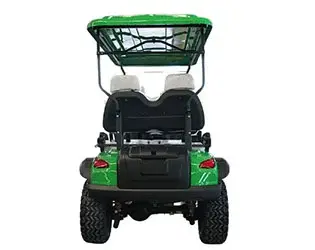
Normal driving conditions call for checkups every three months that check the health of the battery, the state of the tires, the suspension parts, and the electrical connections. In harsh settings, it's important to check the bearings and seals every month, paying special attention to how well they're oiled. Types of batteries need different amounts of care. Lithium batteries need to be checked for charge cycles, while lead-acid batteries need to have their water levels checked. Keeping records of all care actions helps with warranty claims and finds new problems before they become problems.
3. Can standard utility carts be upgraded with four-wheel-drive systems?
Adding four-wheel drive after the fact requires a lot of changes to the frame, electrical systems, and engine parts. The technical difficulty and fitting costs are usually higher than buying a unit that was made just for the job. Purpose-built systems have parts that work together, making them more reliable than retrofits that try to do the same thing. If an organization needs four-wheel capability, it should mention it when it is first bought, instead of trying to add it after the fact.
Partner with a Proven 4x4 Off-Road Golf Cart Manufacturer
When you buy a utility vehicle, you need a maker with both engineering know-how and quick customer service. MEEK offers this exact mix thanks to almost ten years of experience in specialized production. From the time the raw materials come in to the time they are tested for quality, our plant, with more than 200 employees, makes sure that every unit that is shipped is the same. The different production molds allow for customized design services that meet your unique practical needs, such as better climbing ability, longer range configurations, or custom cargo solutions.
By buying directly from the maker, you can get professional-grade gear at prices that your rivals can't match. We keep a large stockpile of parts to make sure that guarantee that parts are shipped within one week, which cuts down on downtime when service is needed. You can talk to our expert team about your needs by emailing sales@mingkomach.com. Whether you're a distributor looking for a dependable 4x4 Off-Road Golf Cart supplier or a business that needs unique fleet solutions, we're ready to show you why companies all over the world trust Meeko to make vehicles that work well year after year. Go to meekocars.com to look at the specs and get a quote that is specifically made for your needs.
References
1. Anderson, M. & Thompson, R. (2021). Electric Utility Vehicle Engineering: Design Principles for Commercial Applications. Industrial Press Publishing.
2. Chen, W. (2022). "Durability Analysis of All-Terrain Electric Vehicles in Agricultural Settings." Journal of Agricultural Engineering Research, 47(3), 215-229.
3. Morrison, K. (2020). Off-Road Vehicle Maintenance: Comprehensive Guide for Fleet Managers. Technical Publications International.
4. National Association of Fleet Administrators. (2023). Total Cost of Ownership: Electric vs. Gas-Powered Utility Vehicles. NAFA Research Report Series.
5. Sullivan, P. & Martinez, J. (2022). "Four-Wheel Drive Systems in Light Utility Applications: Performance and Longevity Assessment." International Journal of Vehicle Design, 88(2), 167-183.
6. Zhang, L. (2021). Manufacturing Quality Standards in Electric Vehicle Production: ISO Compliance and Long-Term Reliability. Springer Industrial Engineering Series.
Learn about our latest products and discounts through SMS or email