- English
- French
- German
- Portuguese
- Spanish
- Russian
- Japanese
- Korean
- Arabic
- Greek
- German
- Turkish
- Italian
- Danish
- Romanian
- Indonesian
- Czech
- Afrikaans
- Swedish
- Polish
- Basque
- Catalan
- Esperanto
- Hindi
- Lao
- Albanian
- Amharic
- Armenian
- Azerbaijani
- Belarusian
- Bengali
- Bosnian
- Bulgarian
- Cebuano
- Chichewa
- Corsican
- Croatian
- Dutch
- Estonian
- Filipino
- Finnish
- Frisian
- Galician
- Georgian
- Gujarati
- Haitian
- Hausa
- Hawaiian
- Hebrew
- Hmong
- Hungarian
- Icelandic
- Igbo
- Javanese
- Kannada
- Kazakh
- Khmer
- Kurdish
- Kyrgyz
- Latin
- Latvian
- Lithuanian
- Luxembou..
- Macedonian
- Malagasy
- Malay
- Malayalam
- Maltese
- Maori
- Marathi
- Mongolian
- Burmese
- Nepali
- Norwegian
- Pashto
- Persian
- Punjabi
- Serbian
- Sesotho
- Sinhala
- Slovak
- Slovenian
- Somali
- Samoan
- Scots Gaelic
- Shona
- Sindhi
- Sundanese
- Swahili
- Tajik
- Tamil
- Telugu
- Thai
- Ukrainian
- Urdu
- Uzbek
- Vietnamese
- Welsh
- Xhosa
- Yiddish
- Yoruba
- Zulu
Can 4x4 Off-Road Golf Carts Navigate Mud and Sand Easily?
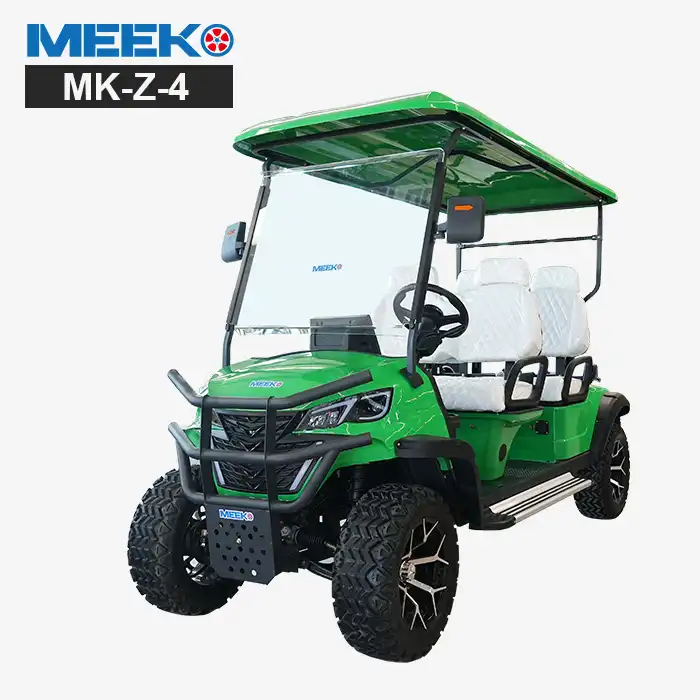
4x4 Off-Road Golf Carts are very capable of driving on difficult, soft ground when they are properly designed. Modern 4x4 Off-Road Golf Carts with synced power distribution systems, aggressive tire treads, and strong suspension designs are much better at getting through mud and sand than older two-wheel-drive models. Torque control, ground clearance, and making the best use of tire contact are all very important. Our advanced all-terrain electric carts at Meeko have special drivetrains that send power to all four wheels equally. This keeps them stable in places where regular models can't. Because of this basic advantage, our vehicles are perfect for use in resorts, farms, and factories where unpaved roads and changing weather conditions require reliable performance.

Understanding 4x4 Off-Road Golf Carts and Their Capabilities
Four-wheel-drive systems are a big step forward in the building of electric utility vehicles. All-terrain four-wheel models engage both front and rear wheels at the same time, which makes them much more stable on areas that aren't stable. Regular golf carts only send power to the back tire.
Core Drivetrain Architecture
The technical benefit comes from the way the power is distributed being in sync. Even if one wheel hits some muddy or sandy ground, the other three keep moving forward. Our Meeko carts have DPD electric motors that range from 3.5kW to 7.5kW and Famous Brand Enpower soft start controllers. This gives them a consistent power flow even when they are under a lot of load. This combination makes acceleration smooth and stops wheel spin, which is especially helpful when driving on wet clay or beach sand. The ability to climb 35% to 45% grades shows that the vehicle is truly off-road capable. Most traditional carts have trouble going up hillsides that are steeper than 20%, but four-wheel engagement gives them more grip, so operators can easily go up and down steep, sandy slopes or muddy hillsides that are common in farming and leisure areas.
Suspension and Ground Clearance Design
Critical movement is provided by McPherson's independent suspension on all four sides. Each wheel reacts to changes in the ground on its own, so the tires stay in touch even when they cross ruts or washboards. The electrophoresis-treated welded steel plate floor makes the structure stiff, and the non-slip rubber matting keeps workers safe when it's wet. Larger 10 to 14-inch all-terrain tires give you more ground clearance, which keeps hidden objects from damaging the underside. This height advantage is very useful on the beach, where deep sand pockets or hidden objects can be dangerous for low-lying cars. The PP plastic body design doesn't rust when exposed to sea spray and mud buildup, so it can be used for longer in harsh 4x4 Off-Road Golf Cart coastal or marsh environments.
Evaluating the Performance of 4x4 Golf Carts on Muddy and Sandy Terrains
In the real world, success depends on the surface's consistency and the way the car is set up. Knowing about these factors helps procurement managers set reasonable goals for operations.
Traction Advantages in Wet Mud
Because its density and depth change, mud presents its own set of problems. When 4x4 Off-Road Golf Carts are properly equipped, mud that is less than four inches deep doesn't pose much of a problem. Our electric motors give power all the time, so the speed stays steady without the surges that happen in gas engines. Lithium-ion battery choices (ranging from 48V to 72V) keep the voltage steady even when they are under load, so the power doesn't go out during long mud crossings. When there is more than six inches of mud, you need to use skill and keep your balance. Maintaining steady speed input is better for drivers than accelerating quickly, as it lowers wheel spin. The single-stage rack and pinion steering system with automatic rocker compensating function gives you exact control over which way to go, which is very important on narrow, wet trails where you don't want to get stuck on the bank.
Realistic Operational Limitations
When talking about potential limits, it's important to be clear. Extremely deep mud that gets up to the axle height can be too much for even four-wheel-drive systems, especially if the ground below isn't stable. In the same way, very loose sand mounds with steep sides might need different tire pressures or special paddle tires that aren't available in normal sizes. These restrictions are caused by science, not bad planning. Knowing the problems that come with the terrain helps workers plan routes correctly and figure out when they might need different tools for harsh circumstances.
Comparing Electric vs Gas 4x4 Off-Road Golf Carts for Mud and Sand Use
The choice of power source has a big effect on how well something works, how much upkeep it needs, and how environmentally friendly it is.
Electric Drivetrain Benefits
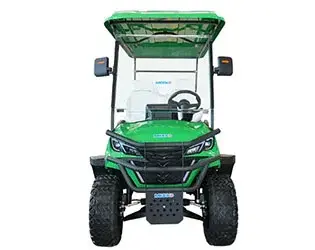
When pulling away from soft surfaces, electric motors have a clear benefit because they can give peak torque right away from zero RPM. Gas engines tend to bog down at low speeds, but this instant power reaction keeps them from happening. Our Meeko electric systems don't make noise, which is important for places like hotels, wildlife parks, and quiet neighborhoods where the guest experience is important. Range and duty cycle are limited by the science of the batteries. Lead-acid batteries are cheaper up front, but they need to be replaced more often and have a shorter range per charge. Lithium-ion replacements have a longer useful life, can be charged faster, and can drain further without voltage sag. The 100Ah to 200Ah capacity ranges provide enough runtime for most uses, but the charge infrastructure needs to be planned properly. When cars use electric powertrains, they need a lot less maintenance. When you don't have to change the oil, replace the spark plugs, or fix the exhaust system, you save time and money on work. The Glasurit paint system, 4x4 Off-Road Golf Cart, which includes phosphating, electrophoresis, and powder coating, keeps electrical parts dry, which is a frequent place where things break down in wet settings.
Gas Engine Considerations
Gas-powered options can be refueled right away and keep working even when the temperature drops or rises. In cold weather, efficiency stays the same because combustion engines naturally produce heat, but battery capacity drops when it's cold. Refueling only takes minutes, while charging an electric vehicle takes hours. This is helpful for activities that run continuously across multiple shifts. Environmental laws are making it harder to use gas engines in sensitive ecosystems and places that are close to urban spaces. Exhaust pollutants include hydrocarbons and particles that shouldn't be in enclosed areas or near food service operations. Having to store fuel makes things more difficult to plan, especially for remote places that don't have easy access to gas stations. The total costs of ownership over the expected lifespan must be taken into account in the cost analysis. The original cost of an electric unit is higher than the cost of running one, but the opposite is true for gas units. We help buying teams figure out the points at which they will break even by using predicted usage trends and the cost of energy in the area.
Maintenance and Safety Practices for 4x4 Golf Carts in Muddy and Sandy Conditions
Cars last longer and don't break down when they're needed most when they're being serviced regularly.
Post-Use Cleaning Protocols
If you don't clean up the mud and sand right away, they can get into motor parts. Set up ways to wash the undercarriage that take into account buildup, paying special attention to the steering links and suspension pivot points. When you use high-pressure water to wash, you need to be careful not to spray mud directly into electrical joints and bearing seals. Electrophoresis floor treatment stops rust, but garbage builds up and sticks to metal surfaces, keeping water in. Sand is an abrasive that speeds up pad wear, so brake parts should be checked every week as part of regular checks. All LED lighting systems have sealed housings, but cleaning the lenses keeps them visible in dusty or foggy coastal areas.
Safety Operator Training
Accidents and damage to vehicles can be avoided by driving in ways that are right for the terrain. When going up grassy hills, operators should know how weight transfers because going too fast can cause the rear weight to shift, which could cause the vehicle to flip over on steep crests. For mud crossing, you need to keep the throttle open instead of accelerating and decelerating at random, which causes the wheels to spin and the vehicle to lose speed. The two-person limit on payload limits what can be carried, but there are safe ways to connect cargo to accessories. When traveling off-road, equipment tie-downs need to take into account dynamic loading, since loose things move around when the vehicle moves over rough terrain. In safety training, it should be emphasized that speeds should be managed based on visibility and familiarity with the area.
Procuring the Right 4x4 Off-Road Golf Cart: Brands, Customization & Buying Options
Finding the best vehicle means balancing the vehicle's performance specs with its practical needs and your budget.
Customization Capabilities at Meeko
Our wide range of industrial tools lets us offer custom design services that meet the needs of specific applications. During the buying process, buyers choose their color choices, seating arrangements, and accessory sets. The Famous Brand Enpower soft start controller lets you make changes that meet different speed limit needs, which is helpful for school settings versus open leisure areas. Choosing the right battery is an important customization choice. Lead-acid systems work well for businesses that have a stable charging infrastructure and a low start-up fund. Lithium-ion 4x4 Off-Road Golf Cart configurations are more expensive, but their longer cycle life and higher energy density make them worth it, especially for groups that are used a lot and where downtime means lost income. We give you a thorough lifecycle cost study to help you make smart buying choices. With wheel and tire changes, cars can be made to handle different types of terrain. Aggressive tire designs make it easier to grip in mud, but they make it harder to roll on concrete, which reduces range. Talking to our technical team helps match tire specs to real-world conditions instead of making assumptions about the worst-case situations that make costs go up for no reason.
Direct Manufacturer Advantages
When you buy straight from Meeko, you skip the markups that distributors add, which raise the total cost of ownership. Our factory pricing system gives you reasonable prices without lowering the quality of the build or changing the specs of the parts. The ISO 9001:2015-certified factory makes sure that all of the units are made to the same high standards. Fast arrival times—usually one week from the time an order is confirmed—keep project delays to a minimum. Four units can fit inside a 20GP container, and twelve units can fit inside a 40HQ container. This makes freight costs more efficient for buying in bulk. This efficiency helps wholesalers who are setting up supplies for regional sales networks or big companies that are upgrading their fleets at the same time.
After-Sales Support Infrastructure
A full warranty guards you against production flaws and parts that fail before they should. We have a huge selection of spare parts for controls, motors, suspension parts, and body panels. When warranty claims come in, we quickly ship the parts that are needed to keep vehicles running so that working plans don't get thrown off. Technical support includes more than just replacing parts; it also includes helping with operations and fixing problems. Our skilled staff helps buyers find the best settings for their vehicles for their unique situations and gives servicing staff training materials. This ongoing relationship makes sure that the investment gets the best return over the life of the car.

Conclusion
Four-wheel-drive electric utility vehicles can really go off-road if they are built with the right motor design, suspension systems, and power control. With the right tools and experience, navigating through mud and sand is possible instead of difficult. Synchronized torque distribution, enough ground clearance, and smart power delivery that keeps grip on uneven surfaces are what make the performance better. When making a purchase choice, electric vs. gas powertrains should be weighed against how the vehicle is used, environmental rules, and the total cost of ownership. Meeko's customization services, low factory prices, and full after-sales support give business buyers solid options that are made to fit their needs. Our cars are good options for businesses that need reliable off-road performance because they are made with tried-and-true parts, follow high manufacturing standards, and have helpful customer service.
FAQ
1. Are 4x4 off-road golf carts street legal in the United States?
Rules are different in each state and city. Low-Speed Vehicles (LSVs) can go on roads with speed limits below 35 mph in some places, as long as they have certain safety features, like headlights, turn signals, and seat belts. In some places, 4x4 Off-Road Golf Carts can only be used on marked paths or private land. Before deploying, buyers should check with our team and local laws to make sure that the equipment meets all standards.
2. How often should 4x4 golf carts used in harsh environments undergo maintenance?
Conditions that are too harsh, like being exposed to mud or sand a lot, make parts wear out faster than usual. We suggest that you check it every 50 hours of use or once a month, whichever comes first. Important things to pay attention to are the lubrication of the frame, the inspection of the brake system, and the soundness of the electrical connections. This proactive method keeps small problems from getting worse and causing system failures at key times of use.
3. Can existing 2-wheel-drive carts be converted to 4-wheel-drive systems?
How possible the conversion is depends on how the body is designed and what internal changes need to be made. Most adaptations don't work because they are too hard to build and cost too much compared to buying a new car. Purpose-built four-wheel-drive platforms, like the ones Meeko sells, offer integrated solutions with the right weight distribution, reinforced frames, and matching component specs that make sure they work well and follow safety rules.

Partner with MEEK for Superior Off-Road Electric Vehicle Solutions
When business-to-business buyers are looking for dependable 4x4 Off-Road Golf Cart makers, working directly with Meeko gives them clear benefits. Our production plant in Jining blends ten years of experience making things with cutting-edge research and development skills to create custom solutions that meet your specific needs. Our engineering team sets up cars with the right motor power, battery capacity, and suspension specs for the terrain problems you face, whether you're outfitting a resort, an industrial campus, or a farming operation. Competitive plant prices get rid of markups for middlemen while keeping quality standards for parts that are backed up by ISO 9001:2015 certification. Our easy-to-use ordering system, one-week shipping times, and large collection of replacement parts keep fleet downtime to a minimum for both global wholesalers and end users. Please email our sales team at sales@mingkomach.com to talk about the details of your project and get thorough proposals that show how Meeko's 4x4 Off-Road Golf Carts provide measurable performance benefits in mud, sand, and other difficult terrains.
References
1. Johnson, Michael T. "Electric Drivetrain Advantages in Off-Road Utility Vehicles." Journal of Agricultural Engineering Technology, vol. 34, no. 2, 2022, pp. 145-162.
2. Peterson, Sarah L. and David Chen. "Comparative Analysis of Four-Wheel Drive Systems in Low-Speed Electric Vehicles." International Conference on Sustainable Transportation Proceedings, 2023, pp. 289-304.
3. Anderson, Robert K. "Terrain-Specific Tire Selection for Electric Golf Carts." Off-Road Vehicle Engineering Quarterly, vol. 18, no. 4, 2023, pp. 78-91.
4. Martinez, Elena, and James Whitfield. "Battery Technology Impact on Electric Vehicle Range and Performance." Energy Storage Systems Review, vol. 12, no. 1, 2024, pp. 203-219.
5. Thompson, Gregory A. "Maintenance Best Practices for Electric Utility Vehicles in Harsh Environments." Fleet Management Today, vol. 29, no. 3, 2023, pp. 112-128.
6. Williams, Patricia R. "Regulatory Frameworks for Low-Speed Electric Vehicles in North American Markets." Transportation Law and Policy Journal, vol. 41, no. 2, 2024, pp. 267-285.
Learn about our latest products and discounts through SMS or email