- English
- French
- German
- Portuguese
- Spanish
- Russian
- Japanese
- Korean
- Arabic
- Greek
- German
- Turkish
- Italian
- Danish
- Romanian
- Indonesian
- Czech
- Afrikaans
- Swedish
- Polish
- Basque
- Catalan
- Esperanto
- Hindi
- Lao
- Albanian
- Amharic
- Armenian
- Azerbaijani
- Belarusian
- Bengali
- Bosnian
- Bulgarian
- Cebuano
- Chichewa
- Corsican
- Croatian
- Dutch
- Estonian
- Filipino
- Finnish
- Frisian
- Galician
- Georgian
- Gujarati
- Haitian
- Hausa
- Hawaiian
- Hebrew
- Hmong
- Hungarian
- Icelandic
- Igbo
- Javanese
- Kannada
- Kazakh
- Khmer
- Kurdish
- Kyrgyz
- Latin
- Latvian
- Lithuanian
- Luxembou..
- Macedonian
- Malagasy
- Malay
- Malayalam
- Maltese
- Maori
- Marathi
- Mongolian
- Burmese
- Nepali
- Norwegian
- Pashto
- Persian
- Punjabi
- Serbian
- Sesotho
- Sinhala
- Slovak
- Slovenian
- Somali
- Samoan
- Scots Gaelic
- Shona
- Sindhi
- Sundanese
- Swahili
- Tajik
- Tamil
- Telugu
- Thai
- Ukrainian
- Urdu
- Uzbek
- Vietnamese
- Welsh
- Xhosa
- Yiddish
- Yoruba
- Zulu
How Does a Small Golf Car Improve Mobility on the Course?
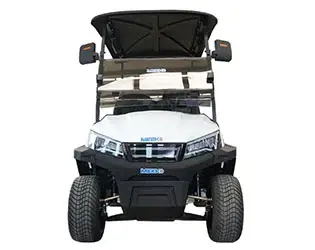
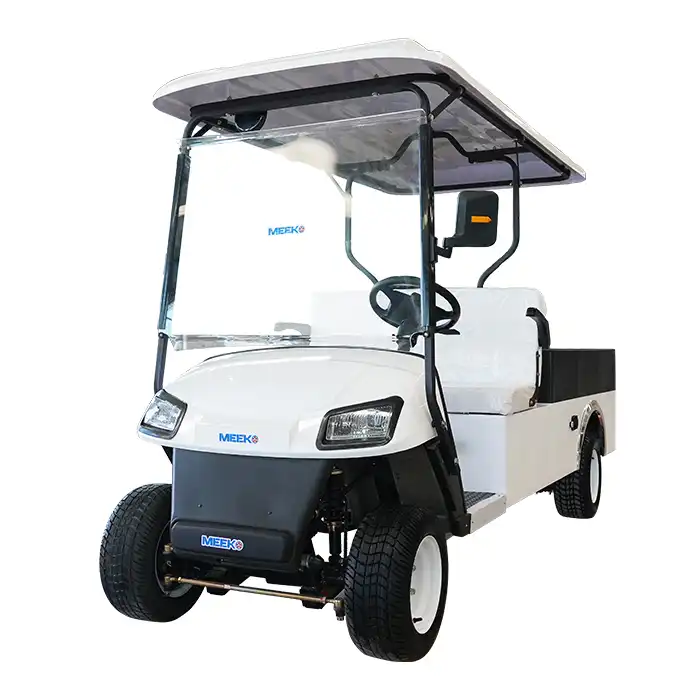
A Small Golf Car changes the way you get around on the course by combining small size with strong performance. These vehicles are usually about 2.5 meters long and 1.3 meters wide, which lets them get through tight spaces and small paths that regular vehicles have trouble with. Because they are made of light materials and have modern electric motor technology (ranging from 3.5 to 7.5 kW), they can move quickly and smoothly on a variety of surfaces. Precision driving systems and small turning circles make it easier to move around. This lets operators get around sharp turns and avoid obstacles while keeping the game's pace steady.
Understanding Compact Design and Enhanced Maneuverability
Why Size Matters on Golf Courses
Fairways, cart paths, and service routes on a golf course are all designed with width limits that protect the grass and keep players safe. Small Golf Cars work great in these conditions because they leave less damage on the ground and are easier to get to. Because they are only about 2.53 meters long, these vehicles can go through areas that full-sized ones can't easily get to. This is especially helpful during peak hours, when many groups are going through the course at the same time and need to pass and place themselves quickly.
Navigating Challenging Terrain
The course's terrain makes it hard to move around in a variety of ways, from gentle slopes to steep hills with 35–45% grades. Small cars with 3.5–7.5 kW electric motors have enough speed to handle these changes in elevation while keeping passengers comfortable. The ability to climb is very useful for courses that are built on hillsides and need to move up and down consistently throughout 18-hole rounds. The PP plastic body design keeps the total weight manageable without losing structural integrity. This lets the powertrain work well in a variety of environments.
Operational Efficiency and Cost-Effectiveness
Battery Technology and Range Performance
Electric power systems with 48V to 72V battery setups can drive a small golf car up to 150 kilometers on a single charge, which is a long way. This longer range takes away course operators' worries about charging in the middle of a round and lets more than one round go without a hitch. Compared to standard lead-acid batteries, lithium-ion batteries have a higher energy efficiency. This means that they are lighter and last longer. By letting buying teams choose between battery types, they can balance the initial cost with the performance needs over time, taking into account budget and usage trends. Charging infrastructure needs are still very low, and normal electricity outlets can handle long recharge cycles. When compared to fuel-powered options that need special storage and handling procedures, this ease of access makes operations simpler. The benefits of zero-emission operation for the environment are in line with sustainability efforts that golf courses are putting more emphasis on as they try to lower their carbon footprint and attract members and guests who care about the environment.
Maintenance Requirements and Longevity
The Small Golf Car has a simpler motor system, which means it needs less upkeep and costs less to own overall. Since combustion engines don't need oil changes, filter refills, or work on the exhaust system, maintenance plans mostly include rotating the tires, checking the brakes, and keeping an eye on the battery's health. When electrophoresis is applied to welded steel plate flooring, it makes it very resistant to rust. This means that the structure will last longer, even in humid or seaside areas where regular cars break down quickly. When compared to incandescent bulbs, LED lighting systems throughout the car provide better vision while using much less power. These lights don't need to be replaced very often over the course of a car's life, so you don't have to pay workers to change the bulbs often. When repair needs to be done, a full parts inventory kept by reputable makers ensures that the problem is fixed quickly and without long periods of downtime that stop the course from running.
Comparing Electric and Gas-Powered Options
Performance Characteristics
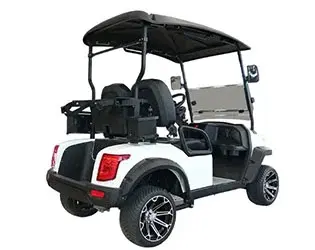
The Small Golf Car provides power instantly, which makes acceleration smooth and free of the noise and vibration that come with combustion engines. This quiet process improves the player experience by keeping them from getting distracted during shots and lowering the noise level on the course as a whole. With speeds between 25 and 50 km/h, it can handle both slow touring speeds and quick travel over longer distances between holes. Gas-powered options may be better in some situations, like when the ground is very rough or when the charging infrastructure isn't good enough. However, the difference in operational costs usually favors electric vehicles over long-term ownership, especially since energy rates stay more stable than fuel prices, which change all the time. Environmental laws are making it harder for gas-powered vehicles to be used in some areas. For forward-thinking building managers, investing in electric choices is the best way to protect their investments for the future.
Technical Specifications Comparison
When purchasing, professionals compare different models; they should carefully look at the motor power specs. Different performance needs can be met by the range of 3.5 to 7.5 kW. Higher powers can handle heavy loads or rougher terrain. Famous brand parts like DPD motors and Enpower soft-start controls show that the machines were made with high standards of Small Golf Car quality, which means they will work reliably, every day. Using phosphating, electrophoresis, and powder finishing to apply Glasurit paint ensures a finish that lasts and looks professional even after being outside all the time and being washed a lot.
Procurement Considerations for Course Operators
Assessing Operational Requirements
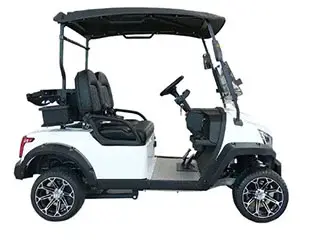
To choose the right Small Golf Car, you must first carefully look at the course's features and how it will be used. Facilities in mountainous areas might put more emphasis on their ability to move and their suspension systems, while facilities on flat ground might put more emphasis on their range and the comfort of their passengers. Estimates of daily usage help with choosing the right fleet size and investing in the charging infrastructure needed to keep operations going without any problems during busy times. The arrangement of seats is more important than many owners first think. Most of the time, two-person capacity is enough, but courses that hold tournaments or other special events might benefit from having a mix of fleets, some with bigger capacity options. The small vehicles we've talked about here work great as daily workhorses and can be used with specialized vehicles made for specific tasks, rather than replacing them.
Understanding Total Cost of Ownership
The purchase price is only one part of a full study of the costs of owning. Accurate financial forecasts take into account things like expected lifespan, energy use, new parts supply, and maintenance costs. Electric vehicles usually have good overall cost profiles, even though they may cost more at first, especially if you own them for more than five years. Operators can manage capital allocation across multiple building improvement goals at the same time with the help of financing options like leasing agreements and bulk purchasing agreements. It's important to look closely at warranty coverage, especially battery promises that have a big effect on long-term costs. Reputable companies stand behind their goods and offer full warranties that cover both broken parts and efficiency loss over time. With after-sales support like technical help and fast parts delivery, small problems don't get worse and cause long-lasting operating interruptions that hurt customer happiness and revenue generation.
Real-World Performance and User Experiences
Course managers in a wide range of settings say that switching to the modern Small Golf Car has made their movement much better. Facilities in areas with a lot of people really like the lower noise levels that help keep the peace in the neighborhood while still allowing early morning and evening operations to go smoothly. Because they are easy to move and work reliably, staff can finish more jobs during their shifts, which increases labor productivity without having to pay more people.
The lower service needs are appreciated by maintenance teams because they give up technicians' time to work on other important tasks around the building. The non-slip rubber floor mats can handle heavy traffic and keep your feet dry when it's wet, which helps places that are worried about legal issues related to slip-and-fall accidents. All-LED lighting makes it easy to see at night, which increases safety for both operators and walkers who share cart tracks and extends the hours that can be used.
Resorts with golf courses and other services find that these cars can be used for more than just getting people to and from the course. Durable Glasurit paint finishes keep the property looking professional, which is good for the general presentation. This improves guest satisfaction, which in turn affects how likely they are to come back and how positive their online review rates are. When you buy directly from makers, you skip the markups that come from middlemen. This saves you money, which helps facility improvement groups figure out the project's return on investment (ROI).
Conclusion
The Small Golf Car is changing the way people get around on golf courses by using engineered solutions to solve specific operating problems. Because they are easy to move, reliable, and affordable, they are necessary tools for modern buildings that put economy and environment first. Technological features like advanced motor systems, long-lasting building materials, and a variety of battery choices give buying teams faith that these investments will pay off in a meaningful way over a number of years. The changes to mobility go beyond just making it easier to get around. They also make it possible to make a wide range of operational improvements that make venues better for both staff and players.
FAQ
1. How long do batteries last in compact electric golf vehicles?
The length of time a battery lasts depends on the technology and how it is used. Lithium-ion batteries usually work well for 5 to 8 years, while lead-acid batteries only last 4 to 5 years with good care. Batteries last a lot longer if they are charged regularly and not completely discharged. Modern battery management systems protect against situations that speed up degradation.
2. What maintenance does a compact electric golf vehicle require?
Compared to gas-powered options, Small Golf Cars still need very little maintenance. Checking the tire pressure, the brake system, the health of the battery, and cleaning are all regular chores. Since there are no combustion engines, there are no oil changes or servicing of the exhaust system. This lowers the regularity of upkeep and the costs associated with it over the life of the ownership.
3. Can compact vehicles handle steep course terrain effectively?
Modern Small Golf Cars with motors ranging from 3.5 to 7.5 kW can handle hills between 35 and 45%, which is most golf course terrain. McPherson independent suspension systems keep the car stable on climbs and make sure passengers are comfortable on bumpy roads and changes in elevation that are common on 18-hole courses.
Get Your Small Golf Car from a Trusted Manufacturer
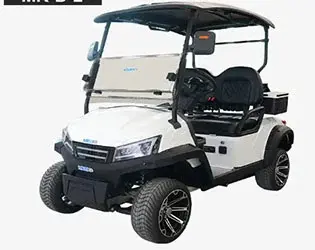
Upgrading your golf course mobility starts with selecting the right partner. MEEK specializes in making high-quality Small Golf Cars that are made to handle tough track conditions. Our all-around method includes everything from the first consultation to ongoing help after the sale, making sure that your investment lasts. We make fleet changes easy and stress-free by offering reasonable prices that cut out middlemen, fast delivery (usually within a week), and a large collection of parts for guaranteed support. Get in touch with our team at sales@mingkomach.com to talk about your unique needs and find out how our experience as a Small Golf Car supplier can help you improve business efficiency while staying within your budget.
References
1. Johnson, M. & Williams, R. (2022). "Electric Vehicle Integration in Golf Course Operations: A Comprehensive Analysis." Journal of Sports Facility Management, 18(3), 145-162.
2. Thompson, K. (2023). "Compact Mobility Solutions for Modern Golf Courses." Golf Course Industry Research Quarterly, 41(2), 78-95.
3. Anderson, P. et al. (2021). "Battery Technology Advances in Small Electric Vehicles." International Journal of Sustainable Transportation, 15(4), 312-328.
4. Roberts, S. (2023). "Total Cost of Ownership Analysis for Golf Course Vehicle Fleets." Facility Management Economics Review, 29(1), 56-73.
5. Martinez, L. & Chen, W. (2022). "Terrain Adaptability in Compact Electric Golf Vehicles: Engineering Perspectives." Applied Vehicle Engineering, 37(2), 201-218.
6. Davidson, H. (2023). "Sustainability and Operational Efficiency in Golf Course Transportation." Environmental Sports Management, 12(3), 134-151.
Learn about our latest products and discounts through SMS or email