- English
- French
- German
- Portuguese
- Spanish
- Russian
- Japanese
- Korean
- Arabic
- Greek
- German
- Turkish
- Italian
- Danish
- Romanian
- Indonesian
- Czech
- Afrikaans
- Swedish
- Polish
- Basque
- Catalan
- Esperanto
- Hindi
- Lao
- Albanian
- Amharic
- Armenian
- Azerbaijani
- Belarusian
- Bengali
- Bosnian
- Bulgarian
- Cebuano
- Chichewa
- Corsican
- Croatian
- Dutch
- Estonian
- Filipino
- Finnish
- Frisian
- Galician
- Georgian
- Gujarati
- Haitian
- Hausa
- Hawaiian
- Hebrew
- Hmong
- Hungarian
- Icelandic
- Igbo
- Javanese
- Kannada
- Kazakh
- Khmer
- Kurdish
- Kyrgyz
- Latin
- Latvian
- Lithuanian
- Luxembou..
- Macedonian
- Malagasy
- Malay
- Malayalam
- Maltese
- Maori
- Marathi
- Mongolian
- Burmese
- Nepali
- Norwegian
- Pashto
- Persian
- Punjabi
- Serbian
- Sesotho
- Sinhala
- Slovak
- Slovenian
- Somali
- Samoan
- Scots Gaelic
- Shona
- Sindhi
- Sundanese
- Swahili
- Tajik
- Tamil
- Telugu
- Thai
- Ukrainian
- Urdu
- Uzbek
- Vietnamese
- Welsh
- Xhosa
- Yiddish
- Yoruba
- Zulu
Best Custom Utility Golf Carts for Heavy-Duty Terrain & Transport
When searching for the best custom utility golf carts for challenging applications, businesses need vehicles that combine exceptional durability with specialized functionality. Custom utility golf carts represent a significant advancement over standard recreational models, offering enhanced payload capacity, rugged construction, and adaptable configurations tailored to demanding industrial environments. These specialized vehicles excel in construction sites, agricultural operations, and facility maintenance where reliable heavy-duty transport capabilities are essential for operational success.
Understanding Custom Utility Golf Carts and Their Benefits
When you look at their tech specs and intended uses, you can tell the difference between regular golf carts for fun and those that are more useful. Standard golf carts can fit two to four people and don't have much space for goods. Utility carts, on the other hand, focus on designing features that are useful for industrial processes.
Enhanced Durability and Construction
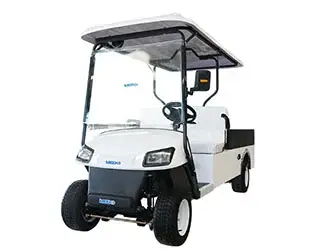
Custom utility golf carts feature reinforced chassis construction designed to withstand harsh operating conditions. Heavy-gauge steel frames provide structural integrity when navigating uneven terrain or carrying substantial loads. These vehicles incorporate enhanced suspension systems that absorb impact from rough surfaces while maintaining stability during material transport operations.
The electrical components receive protective housing to prevent damage from dust, moisture, and vibration exposure common in industrial settings. Weather-resistant wiring harnesses and sealed battery compartments ensure consistent performance regardless of environmental challenges.
Significant Payload Capacity
Industrial utility carts can carry a lot more weight than leisure carts, which is pretty amazing. Many versions can carry up to 2,000 pounds of materials, tools, and equipment, making it easy to move things from one job site to another. Different kinds of goods can fit in beds that can be set up in different ways. This includes bulky items and specialized equipment that need to be transported safely.
Adaptability to Challenging Terrains
For better grip on soft dirt, mud, and high hills that are common in building and farming settings, four-wheel drive systems are recommended. Modern differential systems spread power well so that motion is kept even when barriers or uneven areas are encountered. Specifications for ground clearance let you drive over trash and rough terrain without damaging the car. Different types of tires are made to work best on different surfaces, like concrete floors and outdoor workplaces, by improving grip and longevity.
How to Choose the Best Custom Utility Golf Cart for Heavy-Duty Terrain & Transport?
To choose the best utility vehicles, you need to carefully compare the vehicles' accessible specs to their working needs. Structured research that takes into account both short-term wants and long-term business goals is helpful for making procurement choices.
Power Source Evaluation
Electric motor systems are great for indoor use or places that can't handle noise because they are quiet and don't need much upkeep. When compared to older lead-acid batteries, modern lithium-ion batteries can run for longer periods of time while being lighter. The ability of an electric system to work depends on the charging infrastructure needs and how it is used. Gas-powered engines deliver consistent performance independent of battery charge levels, supporting extended operational periods without interruption. Higher torque output capabilities make gas engines suitable for heavy-load applications and steep terrain navigation. Fuel availability and emission considerations affect gas engine selection in various operational environments.
Drivetrain Configuration Analysis
When the ground is rough, and grip is important for safety, four-wheel drive systems really shine, especially in custom utility golf carts used for demanding outdoor environments. Independent suspension parts improve the ride while keeping the wheels in touch with the ground when the surface isn't flat. There is a better grip when the surface is slippery or loose when the differential locks are in place. It's easier to maintain two-wheel drive setups because they have less complicated motor parts. When used on better surfaces, these methods work well enough and are cheaper for uses that need to stick to a budget. How the weight is distributed affects how well something works in different load situations.
Load Capacity Specifications
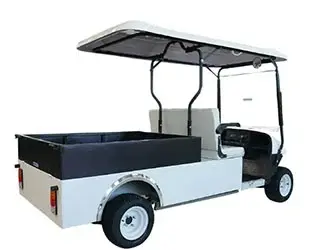
Payload needs are very different depending on the job, from moving small tools to moving big things. Gross vehicle weight ratings show the heaviest loads that a vehicle can safely carry, such as people, goods, and the weight of fuel or batteries. Proper load division keeps the car stable and stops parts from wearing out too quickly. The container bed's size can be changed to fit different types of materials and tools for moving them. Stake sides, tool boxes, and special fixing systems all make it safer for goods to be moved.
Top Features and Innovations in Custom Utility Golf Carts for 2024
Modern development of utility vehicles focuses on incorporating technology that makes operations more efficient while still meeting established standards for durability. These improvements solve problems that factory workers often have while also making things safer and more productive.
Extended Battery Life and Energy Efficiency
The lithium-ion battery technology is a big step forward in the efficiency of electric utility vehicles. When compared to regular lead-acid batteries, these systems give you up to 40% more power while also making your car lighter. Advanced battery management systems keep an eye on how each cell works to get the most out of each charging cycle and make the battery last longer overall. Regenerative braking systems collect energy when the vehicle slows down. This increases the working range while decreasing brake wear. Variable speed controls make the best use of power based on the load and the ground, which increases economy in a wide range of situations.
Durable Four-Wheel Drive Systems
These days, four-wheel drive systems use computer differential settings that change how power is distributed automatically based on how well the wheels can grip the road. With these systems, you don't have to engage them by hand, and they work perfectly on all kinds of ground. Heavy-duty CV joints and strengthened hub systems can handle the stresses that come with using four-wheel drive all the time. When sealed bearing sets are used, they require less upkeep and work reliably in dusty or wet circumstances.
Advanced Cargo Management Solutions
Different hauling needs can be met by modular cargo bed systems that have replaceable designs. Quick-release systems make it easy to switch between different types of loads quickly, without the need for tools or a lot of setup time. Built-in tie-down points make it safe to attach goods, and the strengthened bed construction keeps big or sharp objects from damaging it. Optional hydraulic dump systems make moving materials faster and easier in some situations.
Ergonomic Operator-Focused Design
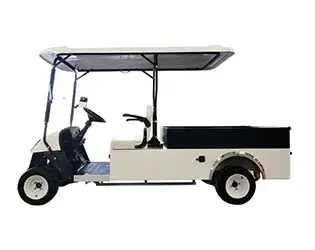
Adjustable sitting systems can fit workers of different sizes and provide enough support for long periods of work. Control layouts that are ergonomic make it easier for people of all skill levels to use the controls without getting tired. Features that improve vision include bigger windshields and mirrors that are placed in a way that makes you more aware of your surroundings. LED lighting systems give off better light while using very little electricity.
Smart Customization and Accessory Integration
Standardized mounting systems on modern utility carts make it easy to add a wide range of accessories, allowing custom utility golf carts to be tailored for specific working needs with tool storage solutions, equipment racks, and unique luggage layouts. Electrical systems have extra power outlets for movable tools and equipment that don't affect how the main features of the car work. Expandable wire connections can connect to more devices without needing a lot of changes.
Integrated Technologies and Connectivity
GPS tracking systems enable fleet management capabilities that monitor vehicle location, usage patterns, and maintenance requirements. Telematics integration provides remote diagnostics that identify potential issues before they result in operational downtime.
Hour meters and usage tracking systems support preventive maintenance scheduling while documenting vehicle utilization for cost accounting purposes. Wireless connectivity enables remote monitoring and fleet optimization capabilities.
Street-Legal Compliance Standards
Street-legal configurations meet Department of Transportation requirements for public road operation, expanding utility vehicle operational flexibility. Required safety equipment includes headlights, turn signals, mirrors, and seat belts that comply with applicable regulations.
Low-speed vehicle classifications enable operation on roads with posted speed limits up to 35 mph in many jurisdictions. Compliance documentation supports registration and insurance requirements for legal road operation.
Maintenance Tips and Operational Best Practices for Longevity
Effective maintenance programs ensure reliable performance while minimizing unexpected downtime and repair costs. Proactive maintenance approaches prevent minor issues from developing into major component failures that disrupt operations.
Battery Management and Electrical System Care
The way lead-acid and lithium-ion batteries are maintained differs significantly, especially in applications such as custom utility golf carts, where battery choice directly impacts performance, uptime, and total cost of ownership. To keep rust from building up, lead-acid systems need to have their water levels checked and their terminals cleaned on a frequent basis. The right way to charge a battery stops sulfation harm, which lowers its capacity and shortens its life. Lithium-ion batteries work better when they are partially discharged before they are fully charged. Temperature tracking stops heat damage that could happen during charging or in very cold or hot weather. Checking connections on a regular basis makes sure that electricity flows smoothly and stops resistance from heating up.
Drivetrain and Suspension Maintenance
Regularly greasing the suspension parts of custom utility golf carts helps prevent premature wear while maintaining smooth ride quality and stable handling performance. Maintenance schedules for grease fittings should follow usage conditions and manufacturer recommendations. Checking and adjusting drive belt tension ensures efficient power transfer and helps avoid early component failure. Differential oil changes keep lubrication effective and remove dirt or debris that accumulates during normal operation.
Preventive Maintenance Scheduling
Systematic repair plans that are based on working hours instead of calendar times take into account the fact that different apps use things in different ways. Recording upkeep tasks helps make sure warranties are followed and find repeated problems that might need design changes. Managing the collection of parts makes sure that important parts are always on hand for both planned maintenance and fixes that need to be done right away. Having relationships with approved service providers makes it possible to get new parts and professional help when needed.
Comparing Custom Utility Golf Carts with Standard Models and Market Alternatives
Understanding the distinctions between various vehicle categories helps procurement professionals make informed decisions that align with operational requirements and budget constraints.
Performance and Customization Differences
Standard custom utility golf carts put the comfort and looks of the people riding in them ahead of their ability to do their job. These vehicles are usually made to be as light as possible, which lowers the cost of production but limits their ability to carry heavy loads and last in harsh conditions. Custom utility versions focus on design features that are useful and help with industrial processes. The higher starting costs are worth it because the improved electrical systems, reinforced construction, and flexible device support make the system work better and last longer.
Electric versus Gas-Powered Variants
Electric utility cars work really well indoors, where noise and pollution levels need to be carefully thought out. Higher original purchase prices are balanced out by lower running costs and less upkeep needs over the life of the car. Alternatives that run on gas provide steady performance regardless of the availability of charging facilities. Gas engines can handle big loads and steady job cycles that are beyond the power of electric vehicles because they can produce more energy.
Four-Wheel Drive versus Two-Wheel Drive Options
Four-wheel drive systems provide superior traction and stability on challenging terrain at the expense of increased mechanical complexity and higher purchase prices. Maintenance requirements increase due to additional drivetrain components, but operational capability improvements often justify these costs in appropriate applications. Two-wheel drive configurations offer simplified maintenance and lower initial costs while providing adequate performance on improved surfaces. Weight distribution affects traction characteristics, with rear-wheel drive typically providing better performance under load.
Leading Brand Comparison
Club Car stays strong in the market thanks to its stable build and large dealer networks that make parts and service easy to get. Their line of business vehicles is built to last and comes with customization choices that work well in industrial settings. E-Z-GO works on combining new technologies with tried-and-true standards of dependability. Their electric car systems have advanced battery management and energy-efficient engine parts that keep costs as low as possible. Polaris uses its knowledge of leisure vehicles to make utility carts that can go off-road better. Their four-wheel drive systems and frame designs work great on rough ground, where other vehicles might have trouble.
Conclusion
Custom utility golf carts represent essential equipment for businesses requiring reliable heavy-duty transport capabilities across challenging terrain conditions. These specialized vehicles deliver enhanced payload capacity, rugged construction, and adaptable configurations that far exceed standard recreational models. Proper selection requires careful evaluation of power sources, drivetrain configurations, and customization options aligned with specific operational requirements. Modern innovations in battery technology, four-wheel drive systems, and integrated connectivity enhance operational efficiency while maintaining proven reliability standards. Effective maintenance programs ensure optimal performance throughout the vehicle's lifespan while minimizing unexpected downtime and repair costs.
FAQ
What distinguishes custom utility golf carts from standard recreational models?
Custom utility golf carts feature reinforced construction, enhanced payload capacity, and specialized configurations designed for industrial applications. These vehicles incorporate heavy-duty components, weather-resistant electrical systems, and modular accessory compatibility that standard recreational models lack. Payload capacities typically range from 800 to 2,000 pounds compared to minimal cargo capability in recreational variants.
How do I determine the appropriate power source for my application?
Electric systems excel in indoor environments and noise-sensitive applications while providing lower operating costs and minimal maintenance requirements. Gas-powered engines deliver consistent performance for extended operational periods and heavy-load applications. Consider charging infrastructure availability, operational duration requirements, and environmental restrictions when selecting power sources.
What maintenance considerations apply to heavy-duty utility cart operation?
Regular battery maintenance, drivetrain lubrication, and suspension component inspection prevent premature component failure. Maintenance schedules based on operating hours rather than calendar intervals account for varying usage patterns. Preventive maintenance programs minimize unexpected downtime while supporting warranty compliance and optimal performance throughout the vehicle's lifespan.
Partner with Meeko for Superior Custom Utility Golf Cart Solutions
Meeko stands ready to transform your heavy-duty transport operations through our comprehensive range of custom utility golf carts designed specifically for challenging industrial applications. Our extensive customization capabilities, competitive pricing, and rapid delivery schedules position us as your ideal custom utility golf carts manufacturer partner. Contact our team at sales@mingkomach.com to explore how our diverse manufacturing capabilities can address your specific operational requirements. Whether you need specialized load configurations, enhanced terrain capabilities, or integrated technology solutions, Meeko delivers reliable performance backed by comprehensive after-sales support and readily available replacement parts.
References
1. Industrial Vehicle Technology Quarterly, "Heavy-Duty Utility Vehicle Performance Standards in Commercial Applications," Manufacturing Industries Research Institute, 2024.
2. Construction Equipment Management Journal, "Optimizing Material Transport Efficiency Through Custom Utility Vehicle Integration," Professional Construction Publishers, 2024.
3. Agricultural Mechanization Review, "Electric Utility Vehicle Applications in Modern Farm Operations and Terrain Management," Agricultural Technology Association, 2024.
4. Facility Maintenance Professional, "Preventive Maintenance Strategies for Industrial Utility Vehicles in Demanding Environments," Facility Management Publications, 2024.
5. Commercial Vehicle Safety Standards, "Regulatory Compliance Guidelines for Custom Utility Golf Cart Operation," Department of Transportation Safety Division, 2024.
6. Fleet Management Economics, "Total Cost of Ownership Analysis for Custom Utility Golf Cart Procurement," Business Vehicle Research Group, 2024.

Learn about our latest products and discounts through SMS or email