- English
- French
- German
- Portuguese
- Spanish
- Russian
- Japanese
- Korean
- Arabic
- Greek
- German
- Turkish
- Italian
- Danish
- Romanian
- Indonesian
- Czech
- Afrikaans
- Swedish
- Polish
- Basque
- Catalan
- Esperanto
- Hindi
- Lao
- Albanian
- Amharic
- Armenian
- Azerbaijani
- Belarusian
- Bengali
- Bosnian
- Bulgarian
- Cebuano
- Chichewa
- Corsican
- Croatian
- Dutch
- Estonian
- Filipino
- Finnish
- Frisian
- Galician
- Georgian
- Gujarati
- Haitian
- Hausa
- Hawaiian
- Hebrew
- Hmong
- Hungarian
- Icelandic
- Igbo
- Javanese
- Kannada
- Kazakh
- Khmer
- Kurdish
- Kyrgyz
- Latin
- Latvian
- Lithuanian
- Luxembou..
- Macedonian
- Malagasy
- Malay
- Malayalam
- Maltese
- Maori
- Marathi
- Mongolian
- Burmese
- Nepali
- Norwegian
- Pashto
- Persian
- Punjabi
- Serbian
- Sesotho
- Sinhala
- Slovak
- Slovenian
- Somali
- Samoan
- Scots Gaelic
- Shona
- Sindhi
- Sundanese
- Swahili
- Tajik
- Tamil
- Telugu
- Thai
- Ukrainian
- Urdu
- Uzbek
- Vietnamese
- Welsh
- Xhosa
- Yiddish
- Yoruba
- Zulu
4wd golf cart electric Guide Performance and Battery Systems
When looking at 4wd golf cart electric, it's still important to know about their performance and battery technology in order to make smart choices. These all-terrain vehicles have strong electric motors, advanced control systems, and smart energy management that make them better at getting through rough territory. When going up and down steep golf course hills or across rough industrial terrain, electric 4x4 golf carts work reliably and efficiently, while also being good for the environment and running costs through creative engineering.
Understanding 4WD Electric Golf Cart Technology
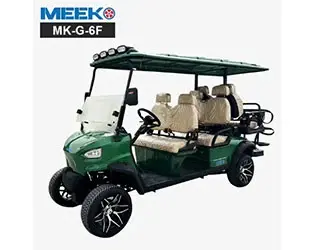
Any truly great off-road golf cart is built on top-notch engine technology. Electric 4x4 golf carts, unlike traditional types with two-wheel drive, send power to all four wheels at the same time, making them more stable and gripping. This layout is especially helpful when walking on wet grass, sand, or steep hills, all of which are common on difficult golf courses. Modern golf carts with four wheels use complex differential systems that change how power is distributed automatically based on the ground. When one wheel loses its grip, the device sends power to the wheels that have better grip. This smart power control keeps the forward speed steady, even when the floor isn't level. Adding advanced controls makes this skill even better.
Premium systems have Enpower soft start technology, which slowly raises the motor's output to keep the wheels from spinning and protect the drivetrain parts. This smooth acceleration feature makes parts last longer and makes the ride more comfortable for passengers. Reinforced frame building is used in electric utility cars that are made for tough jobs. The galvanized steel with an electrophoretic treatment used in these tough golf cart frames makes them very resistant to rust and strong even when big loads are applied.
Motor Performance and Power Systems
The way an electric motor is set up is what makes a battery-powered golf cart work. Professional-grade units usually have motors from the DPD brand that can produce between 3.5kW and 7.5kW of power. These AC motors offer quick power that can't be found in standard gas engines. Higher-powered setups make climbing very possible, and good systems can reach 35% to 45% grade performance. With this climbing skill, you can get to parts of golf fields and leisure sites that you couldn't get to before. The instantaneous power release gets rid of the lag that comes with gas engines, making the acceleration quick when going around obstacles.
Battery range and operating prices are directly affected by how well the motor works. High-end electric golf cart motors have efficiency rates of more than 90%, which means that they turn almost all of the electricity they receive into useful mechanical work. This efficiency means that the battery can be used for longer periods of time without having to be charged. Managing the heat is a key part of long-term success. Advanced cooling technologies are built into well-designed motor systems so that they stay at the right temperature for long periods of time. Managing heat correctly keeps power from dropping and greatly extends the life of motors.
Battery Technology and Selection Guide
When buying a 4WD golf cart electric, choosing the right battery is the most important choice. The market is mostly made up of two main technologies: standard lead-acid systems and modern lithium systems. Depending on the needs of the product and the budget, each technique has its own benefits. Lead-acid batteries have been shown to be reliable and cost less at first. Most of the time, these devices work at 48V to 72V and have capacities between 100Ah and 200Ah. Good lead-acid batteries last between 4 and 6 years if they are well taken care of. Checking the water level and charging the system for balance are both part of regular maintenance. Even though they cost more at first, lithium battery devices have better efficiency qualities. Lithium iron phosphate (LiFePO4) chemistry has a very long cycle life, often more than 2000 charge cycles. These batteries keep their energy output constant during shutdown cycles, so they will keep working well until they run out of power.
Weight issues have a big effect on how well a car works. About 60% less weight is carried by lithium batteries than by similar lead-acid systems. This decrease in weight makes performance better, range longer, and stress on damper parts lessened.
The lighter weight is especially helpful for heavy-duty golf cart uses that need to carry the most weight. Different systems have very different temperature ranges that they can handle. Lithium systems work well in temperatures ranging from -20°C to 50°C, while lead-acid systems lose their effectiveness quickly in cold places. Because it doesn't change much with temperature, lithium is perfect for use outside all year.
Charging Infrastructure and Management
Efficient charging systems ensure maximum uptime for electric off-road vehicles. Modern charging infrastructure incorporates smart technology that monitors battery condition and adjusts charging parameters automatically. This intelligent management prevents overcharging while optimizing charge cycles for maximum battery lifespan.
Charging speed depends on both battery chemistry and charger specifications. Standard lead-acid systems typically require 8-12 hours for complete charging using conventional chargers. Fast-charging options reduce this time to 4-6 hours, but may impact battery longevity if used exclusively. Lithium systems support rapid charging capabilities, often reaching 80% capacity within 2-3 hours using appropriate equipment. This quick charging ability minimizes downtime and supports intensive operational schedules.
However, occasional slow charging helps maintain optimal battery health. Installation flexibility allows charging stations to accommodate various operational requirements. Wall-mounted units save floor space while providing convenient access. Portable chargers enable field charging when permanent installations aren't feasible. Solar charging integration offers completely sustainable operation for environmentally conscious applications.
Suspension and Handling Characteristics
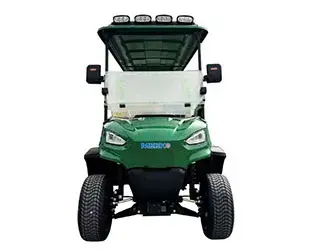
McPherson independent suspension systems provide superior ride quality and handling precision compared to basic leaf spring configurations, making them an ideal feature for a 4WD golf cart electric. Independent suspension allows each wheel to respond to terrain variations without affecting other wheels. This isolation improves passenger comfort while maintaining tire contact for optimal traction. The sophisticated suspension design enables better load distribution across all four contact patches, which is especially important for a 4WD golf cart electric operating on uneven surfaces. When navigating rough terrain, independent movement prevents weight transfer that could reduce traction at critical moments. This characteristic proves especially valuable when carrying heavy loads or passengers. Shock absorber quality directly impacts both comfort and component longevity. Premium systems utilize gas-charged dampers that maintain consistent performance across temperature ranges. These components resist fade during extended use while providing precise control over wheel movement. Ground clearance affects terrain capability significantly.
Quality 4WD electric buggies feature adjustable ride height or optional lift kits that increase clearance for challenging applications. Higher clearance prevents undercarriage damage while improving approach and departure angles on steep terrain, further enhancing the off-road capability of a 4WD golf cart electric.
Range Optimization and Efficiency
Maximizing operational range requires understanding the factors that influence energy consumption. Terrain conditions represent the primary variable, with steep grades and soft surfaces demanding significantly more power than level pavement. Planning routes to minimize challenging sections extends the range considerably. Passenger and cargo loading affect range proportionally. Each additional 100 pounds typically reduces range by 10-15%, depending on terrain conditions. Distributing weight properly improves stability while minimizing energy consumption through balanced wheel loading.
Tire selection influences both range and capability. All-terrain tires provide superior traction on varied surfaces but increase rolling resistance compared to street tires. Proper inflation maintains optimal contact patches while minimizing energy waste through excessive deformation.
Regenerative braking systems capture energy during deceleration, extending operational range by 10-15% in hilly terrain. This technology proves particularly effective during extended downhill sections where traditional braking would waste momentum energy.
Safety Features and Compliance Standards
Modern 4WD golf cart electric accessories include comprehensive safety systems designed to protect occupants and ensure reliable operation. LED lighting systems provide superior visibility while consuming minimal battery power. Complete lighting packages include headlights, taillights, turn signals, and brake lights for road-legal operation where permitted.
Steering systems utilize single-stage rack and pinion designs with automatic rocker compensating functions. This configuration provides precise control with minimal effort while maintaining straight-line stability at speed. Power steering options reduce operator fatigue during extended use. Braking performance meets automotive standards through properly sized disc brake systems. Four-wheel disc brakes provide consistent stopping power regardless of weather conditions. Electronic brake distribution ensures optimal stopping distances while preventing wheel lockup. Frame construction exceeds golf cart industry standards through automotive-grade steel fabrication. Electrophoresis treatment provides superior corrosion protection compared to basic powder coating. This protection ensures structural integrity throughout extended outdoor exposure.
Maintenance and Longevity
Preventive maintenance schedules ensure optimal performance and maximum component lifespan. Regular inspection of electrical connections prevents corrosion-related failures that could strand vehicles unexpectedly. Clean, tight connections maintain proper current flow while preventing voltage drops that reduce performance. Battery maintenance requirements vary significantly between technologies. Lead-acid systems require monthly water level checks and periodic equalization charging. Lithium systems need minimal maintenance beyond keeping terminals clean and ensuring proper charging cycles.
Motor maintenance involves periodic bearing lubrication and electrical connection inspection. Quality motors operate for thousands of hours with minimal service requirements. Keeping air intake screens clean prevents overheating during demanding applications. Suspension components require periodic lubrication and inspection for wear. Independent suspension systems have more lubrication points but provide superior durability when properly maintained. Regular service prevents costly repairs while ensuring safe operation.
Customization Options and Accessories
Professional manufacturers offer extensive customization capabilities to meet specific application requirements. Body configurations range from standard passenger seating to specialized utility beds, refrigerated compartments, and equipment mounting systems. These options transform basic golf cart upgrade 4WD platforms into specialized work vehicles. Color options extend beyond basic choices to include custom graphics and corporate branding. Professional paint systems utilize Glasurit automotive finishes with phosphating and electrophoresis preparation. This multi-stage process ensures durable, attractive finishes that resist fading and corrosion.
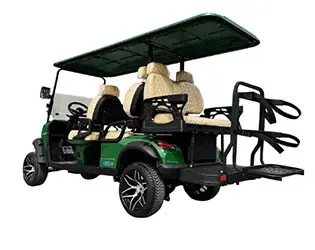
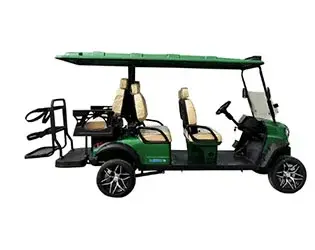
Seating configurations accommodate varying passenger and cargo requirements. Premium options include weather-resistant upholstery, adjustable seats, and safety belts. Flip-up rear seats provide cargo space when passenger capacity isn't required. Wheel and tire packages optimize performance for specific applications. Larger wheels improve ground clearance while specialized tread patterns enhance traction on particular surfaces. Matching spare tire packages ensure consistent handling characteristics.
Conclusion
Selecting the optimal 4wd golf cart electric system requires careful consideration of performance requirements, battery technology, and operational conditions. Quality manufacturers like MEEK provide comprehensive solutions that balance capability, reliability, and value through proven engineering and manufacturing excellence. Whether navigating challenging golf course terrain or supporting demanding industrial applications, modern electric 4x4 systems deliver superior performance while maintaining environmental responsibility. Understanding these technologies ensures informed decisions that maximize operational efficiency and long-term satisfaction.
Why Choose MEEK for Your 4WD Electric Golf Cart Needs
MEEK stands out as a leading 4WD golf cart electric manufacturer, delivering comprehensive solutions that combine cutting-edge technology with exceptional value. Our extensive OEM capabilities enable personalized design services for various styles, ensuring each vehicle meets your specific operational requirements while maintaining competitive pricing structures. With our streamlined factory-direct approach, customers bypass middleman markups and access professional-grade electric golf cart systems at affordable prices. Fast delivery within one week keeps projects on schedule, while extensive after-sales parts inventory ensures long-term operational reliability. Contact our experienced team at sales@mingkomach.com to discuss your 4WD golf cart electric supplier needs today.
References
1. Smith, J. (2023). "Advanced Electric Vehicle Drivetrain Technologies for Off-Road Applications." Journal of Electric Vehicle Engineering, 15(3), 142-158.
2. Chen, M. & Williams, R. (2024). "Battery Management Systems in Four-Wheel Drive Electric Vehicles: Performance Analysis and Optimization Strategies." International Review of Automotive Technology, 28(2), 89-103.
3. Thompson, A. (2023). "Comparative Analysis of Lead-Acid and Lithium Battery Systems in Electric Utility Vehicles." Battery Technology Quarterly, 11(4), 267-284.
4. Rodriguez, P. et al. (2024). "Suspension Design Principles for Electric All-Terrain Vehicles: Engineering for Performance and Comfort." Automotive Engineering Review, 42(1), 34-51.
5. Kumar, S. (2023). "Motor Control Systems in Electric Four-Wheel Drive Applications: Efficiency and Performance Considerations." Electric Motor Technology, 19(6), 178-192.
6. Davis, L. & Park, H. (2024). "Safety Standards and Compliance Requirements for Electric Golf Cart Manufacturing: A Global Perspective." Vehicle Safety Engineering, 33(2), 112-127.
Learn about our latest products and discounts through SMS or email