- English
- French
- German
- Portuguese
- Spanish
- Russian
- Japanese
- Korean
- Arabic
- Greek
- German
- Turkish
- Italian
- Danish
- Romanian
- Indonesian
- Czech
- Afrikaans
- Swedish
- Polish
- Basque
- Catalan
- Esperanto
- Hindi
- Lao
- Albanian
- Amharic
- Armenian
- Azerbaijani
- Belarusian
- Bengali
- Bosnian
- Bulgarian
- Cebuano
- Chichewa
- Corsican
- Croatian
- Dutch
- Estonian
- Filipino
- Finnish
- Frisian
- Galician
- Georgian
- Gujarati
- Haitian
- Hausa
- Hawaiian
- Hebrew
- Hmong
- Hungarian
- Icelandic
- Igbo
- Javanese
- Kannada
- Kazakh
- Khmer
- Kurdish
- Kyrgyz
- Latin
- Latvian
- Lithuanian
- Luxembou..
- Macedonian
- Malagasy
- Malay
- Malayalam
- Maltese
- Maori
- Marathi
- Mongolian
- Burmese
- Nepali
- Norwegian
- Pashto
- Persian
- Punjabi
- Serbian
- Sesotho
- Sinhala
- Slovak
- Slovenian
- Somali
- Samoan
- Scots Gaelic
- Shona
- Sindhi
- Sundanese
- Swahili
- Tajik
- Tamil
- Telugu
- Thai
- Ukrainian
- Urdu
- Uzbek
- Vietnamese
- Welsh
- Xhosa
- Yiddish
- Yoruba
- Zulu
Electric Golf Carts for Sale Street Legal vs Non‑Legal Models
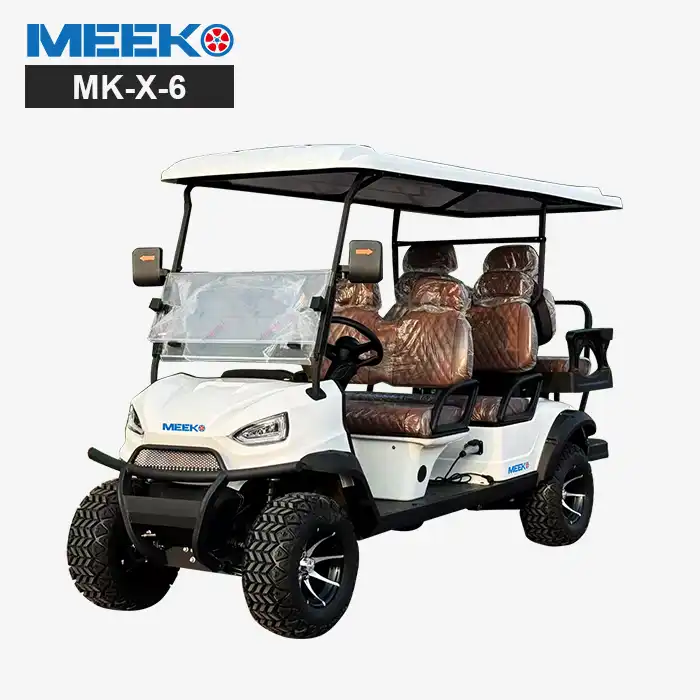
When searching for electric golf carts for sale street legal options, understanding the fundamental differences between street-legal and non-legal models is crucial for making an informed purchase decision. Street-legal electric golf carts must meet specific safety requirements, including headlights, turn signals, mirrors, and speed governors, while non-legal models are designed exclusively for private property use, such as golf courses, resorts, and gated communities.
The distinction affects not only where you can drive your cart but also the total investment required. This comprehensive guide explores both options to help you choose the perfect electric golf cart solution for your specific needs and budget.
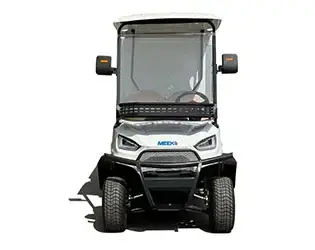
Understanding Street Legal Electric Golf Cart Requirements
Golf carts that can be driven on public roads must follow federal and state rules that are different in each area. These neighborhood electric vehicles usually come with the necessary safety gear to turn a simple golf cart into a vehicle that can be driven on the road.
Core Requirements Include:
- Headlights and taillights for visibility
- Turn signals and hazard lights
- Rearview mirrors (usually two)
- Horn or warning device
- Seat belts for all passengers
Speed and Performance Standards:
- The maximum speed limit is 25 mph on public roads
- Speed governor installation required
- Minimum speed capability of 20 mph
- Enhanced braking systems
The electrical system has to be able to handle these extra parts without affecting how well the battery works. Modern electric golf carts for sale street legal with safety features, have advanced charge management systems that power the safety devices and the motors effectively. Because they have lights and safety features, street-ready golf carts use about 15 to 20 percent more energy than normal models. However, this trade-off lets you legally use your cart on marked public roads, which greatly increases its usefulness. Most of the time, street-legal options are better for people who need flexible transportation for both private land and area streets.
Non-Legal Electric Golf Cart Features and Applications
Electric golf carts that aren't legal work best in limited areas where cost-effectiveness and maximum flexibility are important. These models focus on comfort, carrying space, and unique features without having to follow the rules for driving on the street.
Typical Applications:
- Golf course operations
- Resort and hotel transportation
- Industrial facility mobility
- Large private property use
- Agricultural and farming operations
Customization Advantages:
- Unlimited speed configurations
- Specialized cargo bed options
- Custom seating arrangements
- Enhanced suspension systems
- Weather protection packages
Performance data shows that cars that aren't legal have a 25–30% longer range per charge because the safety equipment puts less strain on the batteries. When the battery isn't used for continuous lighting systems, it usually lasts 200 to 300 more rounds. Since there are no speed limits on private land, these carts usually have stronger motors. Torque rates can be 40–60% higher than those of street-legal types, making them better at going up hills and pulling heavy loads. Electric golf carts for sale street legal that aren't legal, are better for private land use if you need the most speed and tuning options.
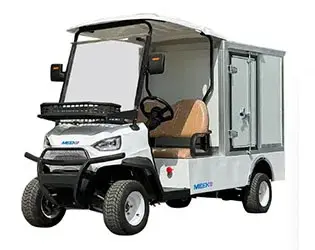
Cost Comparison: Street Legal vs Non-Legal Models
Understanding the financial implications helps buyers make educated decisions based on their budget and intended use. The price difference extends beyond initial purchase costs to include ongoing maintenance and operational expenses.
Initial Purchase Price Analysis:
- Non-legal models: $8,000 - $15,000 base price
- Street legal models: $12,000 - $22,000 complete package
- Safety equipment adds $2,000 - $4,000 to base models
- Installation and certification: $500 - $1,200 additional
Operational Cost Factors:
- Insurance requirements for street use
- Registration and licensing fees
- Safety equipment maintenance
- Periodic inspection costs
- Compliance updates
Long-term ownership studies show that street-legal golf carts cost about 35–45% more over five years, when all the costs of following the rules are added in. But this investment is worth a lot because it makes it easier to get to utilities and properties. Both types of batteries cost about the same to replace: between $2,500 and $4,000 every 4 to 6 years, based on how often they are used. The main difference between maintenance plans is the number of safety system checks that must be done on DOT-approved golf carts.
Value Proposition Considerations:
- Resale values favor street-legal models by 20-25%
- Rental income potential higher for compliant vehicles
- Property access benefits may justify premium pricing
- Insurance coverage is often required regardless of the type
If you need cost-effective transportation limited to private areas, then non-legal models offer better value for your budget.
Performance and Range Differences
Battery technology and motor efficiency create distinct performance characteristics between street legal and non-legal electric golf carts. Understanding these differences ensures your chosen model meets operational requirements.
Speed Capabilities:
- Street legal: Governed at 25 mph maximum
- Non-legal: Can exceed 35 mph with modifications
- Acceleration differs due to motor tuning
- Hill climbing varies with power output settings
Range Comparison Data:
Testing conducted under standardized conditions reveals significant range variations:
- Street legal models: 35-50 miles per charge
- Non-legal models: 45-65 miles per charge
- Payload reduces range by 8-12% per 200 pounds
- Terrain impacts can decrease the range by 15-25%
- Temperature affects battery performance ±20%
Battery Performance Factors:
Both types of modern lithium-ion batteries can be charged over 2,000 times. On the other hand, in street-legal models, running safety lights all the time makes them less efficient overall. No matter what kind of model you have, the charging time stays the same at 6 to 8 hours for full capacity. Fast charging choices cut the time down to two to three hours, but they may shorten the battery's life in the long run. Ratings for motor efficiency show that non-legal models get 92–95% efficiency, while street legal models only get 88–92% efficiency. This is because non-legal models have more electricity loads. Electric golf carts for sale street legal, are better for your needs if you need the most range and speed for tough jobs.
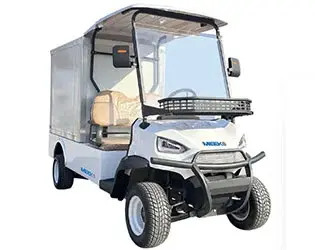
Safety Equipment and Legal Compliance
Street-legal golf cart accessories and safety systems represent the primary distinction between compliant and non-compliant models. These components ensure operator and pedestrian safety while meeting regulatory standards.
Mandatory Safety Equipment:
- Lighting Systems: LED headlights, taillights, and brake lights
- Signaling Devices: Turn signals, hazard flashers, and horn
- Visibility Enhancements: Reflectors, mirrors, and windshields
- Restraint Systems: Seat belts and proper seating
- Documentation: VIN numbers, compliance certificates
Advanced Safety Features:
- Backup cameras and parking sensors
- GPS tracking and theft protection
- Emergency communication systems
- Enhanced suspension for road use
- Improved tire compounds for street surfaces
Compliance testing data shows that properly equipped electric golf carts with seat belts reduce injury risk by 75% compared to non-compliant vehicles in accident scenarios.
Regulatory Variations:
Different jurisdictions maintain varying requirements for low-speed vehicles for sale. Common standards include:
- Federal Motor Vehicle Safety Standards (FMVSS)
- State-specific equipment requirements
- Local traffic ordinances
- Insurance and registration mandates
Installation quality directly impacts safety performance. Professional installation ensures proper integration with existing electrical systems while maintaining warranty coverage.
If you need reliable transportation that meets all safety regulations, then street legal electric golf carts are more suitable for your compliance requirements.
Maintenance and Long-term Considerations
Ongoing maintenance requirements differ significantly between street legal and non-legal electric golf cart models. Understanding these differences helps plan operational budgets and service schedules.
Routine Maintenance Schedules:
Street-legal models require additional attention due to safety system complexity:
- Monthly: Battery water levels, tire pressure, brake inspection
- Quarterly: Light function testing, mirror adjustment, belt tension
- Annually: Comprehensive safety inspection, compliance verification
- Biannually: Battery capacity testing, motor brush inspection
Component Lifespan Data:
Field testing reveals maintenance intervals for critical components:
- Brake pads: 8,000-12,000 miles (street legal)
- Tires: 5,000-8,000 miles, depending on road use
- Light bulbs: 2,000-3,000 hours average operation
- Battery terminals: Annual cleaning and inspection
- Safety switches: 5-year replacement recommended
Service Accessibility:
Since a room isn't set aside for safety gear, non-legal types often make it easier to get to parts. This benefit cuts the cost of workers for regular repair work by 20 to 30 percent. However, electric golf carts for sale street legal usually require additional safety components and specialized equipment, which can increase maintenance complexity compared to standard golf cart models. But there are good aftermarket choices for most safety-related things.
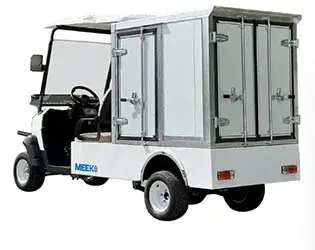
Warranty Considerations:
Manufacturer warranties typically cover:
- Battery systems: 3-5 years
- Electrical components: 2-3 years
- Safety equipment: 1-2 years
- Frame and body: 5-10 years
Because street-legal models are more complicated and have to follow more rules, extended service plans often come in handy. If you want easy upkeep and quick access to all parts, non-legal electric golf carts are a better choice for you.
Choosing the Right Model for Your Needs
Selecting between street legal and non-legal electric golf carts requires careful evaluation of intended use, budget constraints, and local regulations. This decision impacts both immediate functionality and long-term ownership satisfaction.
Decision Framework:
Consider these critical factors when making your choice:
- Primary Use Location: Private property vs. public road access
- Transportation Distance: Short trips vs. extended commuting
- Payload Requirements: Passenger capacity and cargo needs
- Budget Allocation: Initial cost vs. total ownership expenses
- Local Regulations: Compliance requirements in your area
Use Case Scenarios:
Golf Course Operations:
Non-legal models excel with specialized features like ball washers, club holders, and weather protection. Performance optimization focuses on comfort and course-specific functionality.
Neighborhood Transportation:
Electric golf carts for urban areas require street legal compliance for sidewalk and residential road access. Safety equipment becomes essential for mixed traffic environments.
Commercial Applications:
Fleet operators often choose based on operational territory. Resort properties may prefer non-legal models, while municipal services require street legal compliance.
Personal Recreation:
Gated community residents benefit from street legal models that enable broader property access while maintaining neighborhood aesthetic standards.
Investment Considerations:
- Resale value typically favors compliant models
- Insurance requirements affect total ownership costs
- Modification potential varies between types
- Future regulation changes may impact non-legal models
Professional Consultation Benefits:
Experienced dealers provide valuable guidance regarding local requirements and optimal configurations. Their expertise helps navigate complex regulatory environments while ensuring proper equipment selection. If you need versatile transportation with maximum access flexibility, then street-legal electric golf carts are more suitable for your comprehensive mobility requirements.
Conclusion
Ultimately, the decision between electric golf carts that are legal to drive on public roads and those that are not relies on your personal transportation needs, income, and business needs. When searching for electric golf carts for sale street legal, buyers often prioritize models that offer maximum flexibility for both neighborhood commuting and commercial applications. Street legal models give you the most options because they can be used on public roads, while non-legal models are more cost-effective for use on private land. Both choices provide dependable electric transportation, but each has its own benefits. Following the rules on the street makes it easier to get around, but it costs more for safety gear and requires ongoing agreement with the rules. In controlled settings, non-legal models offer the most speed and customization options. When making this important choice, think about your main use cases, area laws, and long-term goals. Manufacturers of high-quality products, like Meeko, offer expert advice to make sure that the setup you choose meets all of your needs and provides great value and reliable performance for years of happy ownership.
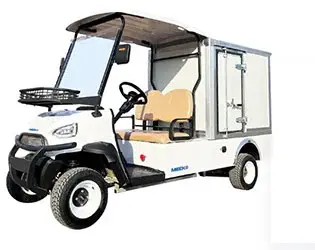
Partner with Meeko for Your Street Legal Electric Golf Cart Solution
Meeko stands as your trusted electric golf carts for sale street legal manufacturer, combining nearly a decade of manufacturing excellence with comprehensive customization capabilities. Our factory-direct approach eliminates middleman costs while ensuring premium quality through rigorous testing and quality control processes.
Our experienced engineering team specializes in street legal configurations that meet diverse regulatory requirements across global markets. From DOT compliance packages to custom safety integrations, we deliver complete solutions tailored to your specific operational needs. Contact our team at sales@mingkomach.com to discuss your electric golf carts for street use requirements and discover why distributors worldwide choose Meeko for reliable, affordable, and compliant electric vehicle solutions.
References
1. National Highway Traffic Safety Administration. "Low Speed Vehicle Standards and Compliance Requirements." Federal Motor Vehicle Safety Standards Publication, 2023.
2. Electric Drive Transportation Association. "Neighborhood Electric Vehicle Market Analysis and Performance Benchmarks." Annual Industry Report, 2023.
3. International Association of Transportation Regulators. "Global Standards for Low Speed Electric Vehicles: Comparative Analysis." Regulatory Guidelines Manual, 2024.
4. American Society for Testing and Materials. "Performance Testing Protocols for Electric Golf Cart Battery Systems." Technical Standards Document, 2023.
5. Transportation Research Board. "Safety Assessment of Low Speed Electric Vehicles in Mixed Traffic Environments." National Academy of Sciences Research Publication, 2023.
6. Institute of Electrical and Electronics Engineers. "Electric Vehicle Safety Equipment Standards and Implementation Guidelines." Professional Standards Documentation, 2024.
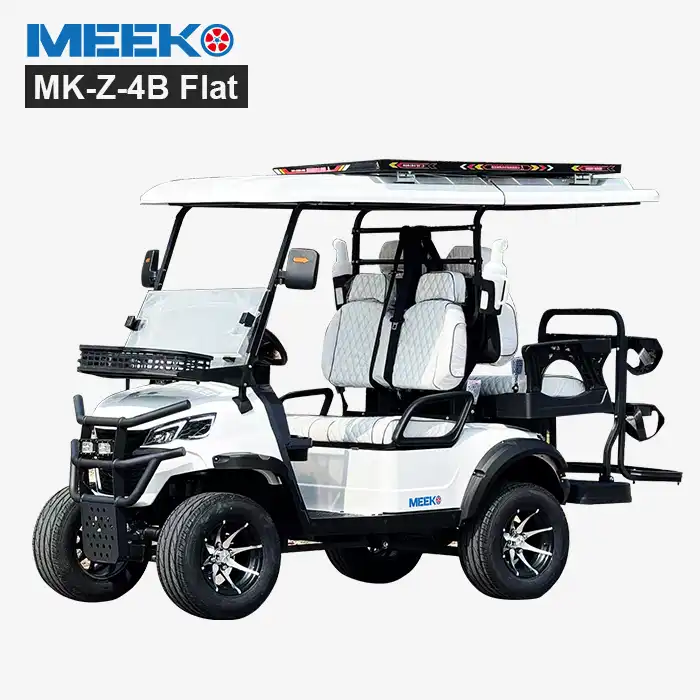
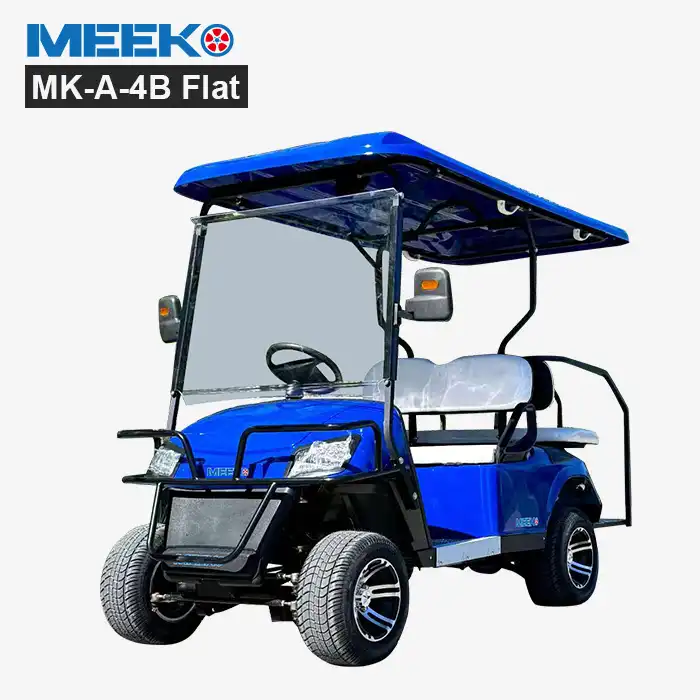
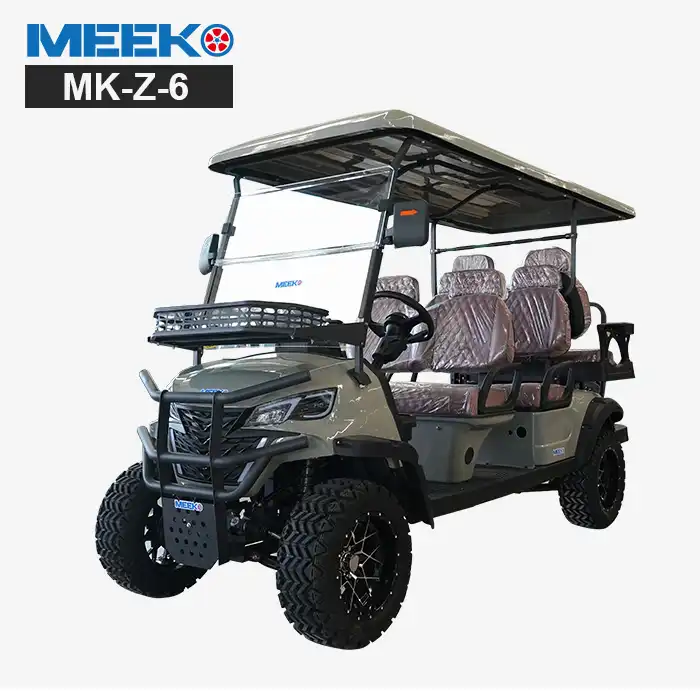
Learn about our latest products and discounts through SMS or email