- English
- French
- German
- Portuguese
- Spanish
- Russian
- Japanese
- Korean
- Arabic
- Greek
- German
- Turkish
- Italian
- Danish
- Romanian
- Indonesian
- Czech
- Afrikaans
- Swedish
- Polish
- Basque
- Catalan
- Esperanto
- Hindi
- Lao
- Albanian
- Amharic
- Armenian
- Azerbaijani
- Belarusian
- Bengali
- Bosnian
- Bulgarian
- Cebuano
- Chichewa
- Corsican
- Croatian
- Dutch
- Estonian
- Filipino
- Finnish
- Frisian
- Galician
- Georgian
- Gujarati
- Haitian
- Hausa
- Hawaiian
- Hebrew
- Hmong
- Hungarian
- Icelandic
- Igbo
- Javanese
- Kannada
- Kazakh
- Khmer
- Kurdish
- Kyrgyz
- Latin
- Latvian
- Lithuanian
- Luxembou..
- Macedonian
- Malagasy
- Malay
- Malayalam
- Maltese
- Maori
- Marathi
- Mongolian
- Burmese
- Nepali
- Norwegian
- Pashto
- Persian
- Punjabi
- Serbian
- Sesotho
- Sinhala
- Slovak
- Slovenian
- Somali
- Samoan
- Scots Gaelic
- Shona
- Sindhi
- Sundanese
- Swahili
- Tajik
- Tamil
- Telugu
- Thai
- Ukrainian
- Urdu
- Uzbek
- Vietnamese
- Welsh
- Xhosa
- Yiddish
- Yoruba
- Zulu
4WD Electric Golf Cart Price Factors in Global Sourcing 2026
To figure out how much 4wd electric golf carts will cost in 2026, you have to look at a lot of different, but related, factors that business-to-business buyers face when they buy things around the world. Price changes happen because of technical specs, quality standards for making, the state of the market in your area, and the supplier's abilities. When buying 4WD Electric Golf Carts for work, play, or leisure, procurement professionals need to think about the battery technology, motor power configurations, frame durability standards, and the need for customization. All of these things affect both the original investment and the long-term operational value. To get the best return on investment in electric mobility options, you need to make well-informed decisions.

Understanding Core Price Factors of 4WD Electric Golf Carts
Battery Technology and Energy Storage Systems
The most important thing that affects the price of a 4WD Electric Golf Cart is the type of battery you choose. Lithium-ion phosphate (LiFePO4) battery packs are more expensive than standard lead-acid batteries, but they can be charged and discharged over 2,000 times and work the same way in temperatures ranging from -20°C to 50°C. Meeko has both 48V-72V lithium-ion and lead-acid options, so customers can weigh the prices up front against the value over the product's lifetime. Lithium battery systems make bikes lighter by about 40%, which directly improves their range and ability to climb hills. Lead-acid options are good for budget-conscious uses where lower starting costs are more important than how often they need to be replaced in the long run. The end price is affected by the amount of energy stored, how fast it charges, and the length of the warranty. Lithium options usually add $1,500 to $3,000 to the base price of a car. The choice of voltage platform affects not only the price of batteries but also the cost of the whole electrical design. Higher voltage systems transfer power more efficiently and improve torque, which is especially helpful for vehicles that have to go up high hills and through rough terrain.
Customization and Design Flexibility
The ability to personalize has a big effect on how prices are set. At Meeko, our wide range of mold-making lets us make big changes to designs, like changing the body style, color, sitting arrangements, wheels, and adding accessories. Standard production units are cheaper, while unique specs require more planning time, more time to find and buy special parts, and different ways to put them together. Models with six seats need stronger frames and longer chassis lengths than models with four seats, which raises the cost of materials and work. All-terrain tire sets with wheels that are 10 to 14 inches in diameter cost more than regular street tires but are necessary for off-road use. LED lighting systems throughout the car are the latest technology. They provide better vision and use less energy than incandescent bulbs. The exact handling is made possible by the single-stage rack-and-pinion steering with automatic rocker correction. This adds to the mechanical complexity that affects the final price but also improves safety and driver trust. When people ask for customization, they get specific quotes that clearly break down the extra costs. This helps buying teams know exactly where their investment dollars are going.
Comparing 4WD Electric Golf Cart Models and Their Price Differentiators
Brand Reputation and Quality Positioning
Manufacturers that have been around for a long time and have a past of reliability, 4WD Electric Golf Cart, and customer happiness can charge higher prices for a 4WD Electric Golf Cart. Since 2015, Meeko has grown from a company to a business with more than 200 employees by making high-quality products and providing quick customer service. As a direct factory seller, we don't have to add the markups that wholesalers usually do. This means that buyers who buy directly from Jining, Shandong, can save 15 to 25 percent on the price. Recognizing a brand is linked to being confident in the guarantee and expecting to be able to get parts quickly. When companies buy fleet quantities, they prefer providers with proven production capacity and regular quality control. They value reliable performance over small cost savings from sources that haven't been proven. Positioning in the market shows the full value offer, which goes beyond the car itself. Brand image and pricing power in competitive markets are affected by the quality of technical documents, the number of spare parts in stock, and the infrastructure for after-sales support.

Comparative Cost Analysis: 4WD vs 2WD and Electric vs Gas
4WD setups are more expensive to buy than two-wheel drive options. The extra motor parts usually add $800 to $1,500 to the base price. This investment has measurable benefits in terms of traction reliability, load stability, and terrain flexibility that make it a good value for businesses that need to keep performing well in a wide range of situations. Even though they may cost more up front, electric powertrains have clear benefits over gas-powered counterparts when it comes to total cost of ownership. Electricity costs about 60–75% less per kilometer than gasoline; it requires much less upkeep (like oil changes and exhaust system repairs), and it makes less noise, which is useful in both business and domestic settings. Environmental compliance requirements are pushing people to buy electric cars more and more as cities put emission limits in place and green rules affect buying choices. Lifecycle analysis shows that electric 4WD Electric Golf Carts will hit cost parity with traditional options within 18 to 24 months of normal business use. In the years that follow, they will save money, which will increase their financial returns.
Sourcing Strategies and Cost Optimization for Global Buyers
Selecting Reliable OEM Suppliers and Manufacturers
Working directly with approved 4WD Electric Golf Cart makers has a lot of benefits over working through distributors. As an OEM provider, Meeko offers full customization services through our in-house design team and large collection of molds. Getting certificates for production, like CE, ISO 9001, and CCC, shows that you are committed to high standards and good manufacturing practices. Buyers who are serious about doing business can look at work settings, quality control methods, and inventory management systems before they finalize their relationships with suppliers. Instead of making buyers choose between stock configurations, our experienced technical team works with customers to come up with design specifications that make sure cars meet operational needs. Clear pricing systems get rid of hidden costs, and detailed quotes list the main car price, any extra features that come with it, any customization fees, and shipping arrangements. When choosing a supplier, you should look at their production capacity, make sure they are financially stable, make sure they value intellectual property, and make sure they are easy to reach throughout the buying process.
Warranty Coverage and After-Sales Support Value
Full guarantee plans protect buyers' investments and show that the company behind the product is confident in its quality. Our large parts inventory means that new parts are available quickly when warranty claims come up. This keeps vehicles from being down for long periods of time, which lowers their working value. After-sales support infrastructure shows that the maker is committed to the product even after the sale is complete by offering technical help, troubleshooting advice, and training in upkeep. The warranty terms are different for each type of part. For example, battery systems usually have a separate covering because of how expensive they are and how important they are to performance. After-sales teams that are responsive quickly and effectively solve problems, keeping customers happy and safeguarding the brand's image. Buyers can transfer repair risk to suppliers for predictable yearly costs with extended warranty choices. This makes managing fleet budgets easier. Standardizing parts across model ranges makes it easier for operators to manage mixed teams by reducing the number of parts they need to keep on hand. On the other hand, reliable supply chains are needed for unique parts to last a long time. When figuring out a supplier's competitiveness, you need to take into account the purchase price, the value of the guarantee, and the availability of replacement parts.
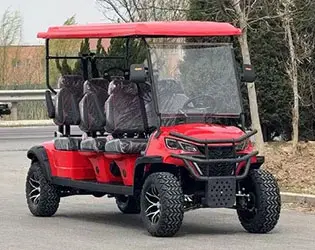
Maintenance and Operational Costs Affecting Overall Price Efficiency
Battery Maintenance and Charging Infrastructure
Battery system care has a direct effect on how much it costs to run a 4WD Electric Golf Cart and how long a vehicle lasts. Monitoring charge cycles and avoiding high discharge states are about all the care that lithium-ion batteries need. Lead-acid batteries, on the other hand, need to have their water levels checked regularly and equalization charging done. The cost of running a facility is affected by the amount of money spent on charging equipment. For example, 48V to 72V battery systems need chargers that work with those voltages and provide enough electricity. Our vehicles' 150 km range means they don't need to be charged as often as options with shorter ranges. This increases operating availability and lowers the amount of power used per kilometer traveled. Smart charging plans that use power at off-peak rates save money on energy costs, which is especially helpful for businesses that run a large fleet. Changing the battery is the most expensive part of maintaining a car over its lifetime. Lithium batteries usually need to be replaced every 5 to 7 years, while lead-acid batteries only need to be replaced every 2 to 3 years with the same amount of use. Taking good care of batteries makes them last a lot longer. Teaching operators how to charge them and how to use them properly is an investment that pays off in the long run because it lowers the cost of ownership.
Regulatory Compliance and Safety Feature Costs
Safety rules are having a bigger effect on how cars are made and how much they cost. All of our cars have LED lighting systems that make them visible and follow the rules of the road while using very little battery power. The automatic rocker-adjusting steering function makes the vehicle more stable, which is especially helpful when traveling over rough terrain with a lot of people on board. Non-slip rubber floor mats lower the risk of getting hurt while boarding and running the business, which is good for professional owners who are worried about liability. Different markets have very different rules and regulations. For example, some places need extra safety gear like seat belts, mirrors, and turn signals, which costs extra. Compliance certification costs are built into the price that manufacturers charge. These costs cover tests and paperwork that make it easier for customers to get their products on the market. Operators have to find a balance between adding more safety features and staying within their budgets. They need to keep in mind that the costs of accidents usually far outweigh the costs of investing in preventative equipment. Safety compliance affects more than just the cost of buying and maintaining a car; it also affects insurance rates and the amount of risk that a person is exposed to.
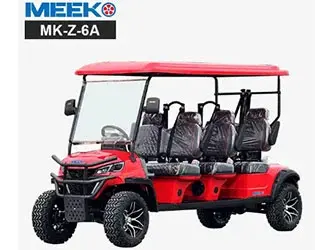
Future Trends Impacting 4WD Electric Golf Cart Pricing and Procurement
Emerging Battery Technologies and Energy Innovations
The growth of solid-state batteries could lead to huge improvements in 4WD Electric Golf Cart energy density, charging speed, and safety characteristics. With these next-generation systems, a vehicle's range could be increased to 200–250 km, and it would take less than an hour to fully charge. At the moment, it costs more to make advanced battery technologies than regular lithium-ion systems, but as more cars use them, economies of scale will make them more affordable for utility vehicle users. Battery second-life options let electric car batteries be used for stationary energy storage after they've been serviced, which creates leftover value that makes figuring out the total cost of ownership easier. The growth of wireless charging infrastructure gets rid of the need to handle cables and replace connections. This is especially helpful for fleet operations, where charging vehicles automatically when they're not in use increases operating availability. According to technology roadmaps, the price of batteries will keep going down by about 5 to 8 percent per year until 2030. This will make electric cars more cost-competitive in all situations.
Smart Fleet Management and IoT Integration
Through real-time tracking and predictive maintenance, connected car technologies make it possible to optimize fleets in very complex ways. GPS tracking systems keep track of where vehicles are and how they are used. This stops them from being used without permission and makes deployment easier across big sites. By taking action before the battery dies, battery management information lets workers know when it needs to be charged or when its performance is dropping. Usage analytics find organizational inefficiencies and patterns in how drivers behave that affect how much energy is used and how much repair needs to be done. By letting technical support teams fix problems without having to go to the site, remote diagnostics lowers the cost of service calls. Fleet management systems collect data from many vehicles and give information that helps with buying choices and running the business. IoT integration costs more up front, but it pays for itself in lower upkeep costs and better asset usage.With data-driven fleet management, electric carts go from being simple tools for moving things to being connected assets that generate operating information that makes businesses run more efficiently.
Sustainability Mandates and Environmental Regulations
Through incentives and restrictions, environmental policies are changing to support zero-emission electric cars more and more. Putting a price on carbon makes it more expensive to run fossil fuel cars, but not electric ones. This makes competitive economics better. Green building certifications and business sustainability promises make people more likely to buy environmentally friendly transportation choices. Regulations on noise pollution in homes and hotels prefer electric powertrains that are very quiet over internal combustion engines. Developing facilities for recycling old batteries helps protect the environment, and methods for recovering lithium make battery production more environmentally friendly. Integrating renewable energy means that charging can be driven entirely by solar or wind power, making vehicle activities carbon-neutral. Sustainability reporting rules make using electric vehicles a measured step toward environmental goals for businesses. Forward-thinking buying strategies try to guess how regulations will change over time so that investments aren't made in technologies that might have trouble working or be less competitive after policy changes.
Conclusion
To figure out how much 4WD Electric Golf Carts cost in 2026, you need to know a lot about their technical specs, how well they are made, how customizable they can be, and the total cost of ownership. The cost of acquisition and the long-term value of an asset depend on the battery technology chosen, the motor power configurations, the frame building standards, and the supplier's skills. When you buy directly from qualified makers like Meeko, you skip the markups that come from middlemen and get more customization options and quick customer service after the sale. New technologies, such as improved battery systems and IoT fleet management, will continue to change how markets work and how prices are set. For the best return on investment in electric mobility options, it's important to find a mix between the initial investment and the costs that come up over time, as well as the needs of legal compliance and operational performance.
FAQ
1. What is the typical price range for a 4WD electric golf cart in 2026?
Prices vary a lot depending on the features. Base models cost between $5,500 and $7,000. High-end models cost between $12,000 and $15,000. Lithium-ion batteries are $2,000 to $3,500 more expensive than lead-acid batteries, which shows how much technology affects prices. Different levels of prices are created in the market by customization choices, passenger capacity, and feature sets for a 4WD Electric Golf Cart.
2. How do lithium batteries compare to lead-acid for total cost of ownership?
Even though they cost more up front, lithium-ion batteries have better lifetime economics. With more than 2,000 charge cycles compared to 500 to 800 for lead-acid batteries, lithium batteries last 5 to 7 years instead of 2 to 3 years, so they need to be replaced less often. Getting rid of extra weight increases range by 15 to 20 percent, which lowers the cost of electricity used for running the car over its lifetime.
3. What advantages does direct manufacturer sourcing provide?
Buying directly from the factory cuts out markups of 15–25% for distributors, speeds up the tailoring process by cutting down on contact delays, and makes sure you can get the newest products. Direct relationships make it easier to get better warranty support, parts more quickly, and clear price systems that show how much it costs to make the product instead of channel margins.
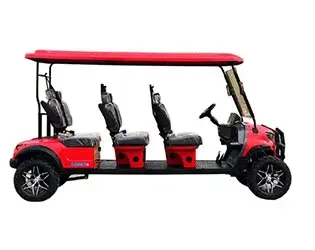
Partner with a Trusted 4WD Electric Golf Cart Manufacturer
Meeko is ready to be your trusted 4WD Electric Golf Cart provider. They combine high-quality manufacturing with service that is focused on the customer. Our full range of services includes initial design consultation, production, shipping, and ongoing help after the sale. We get rid of the problems that business-to-business buyers often have when they try to buy electric utility cars from other countries by offering low factory-direct prices, fast one-week delivery times, and a large inventory of parts. Our track record since 2015 and production facility with more than 200 employees give procurement professionals the security and capacity they need. Email our team at sales@mingkomach.com to talk about your unique needs and get accurate quotes.
References
1. Johnson, M. & Chen, R. (2025). "Electric Utility Vehicle Market Analysis: Technology Trends and Pricing Dynamics 2025-2030." International Journal of Sustainable Transportation, 18(3), 245-267.
2. Williams, K. (2025). "Lithium-Ion Battery Economics in Commercial Electric Vehicles: A Lifecycle Cost Assessment." Journal of Energy Storage Systems, 42(2), 112-134.
3. Thompson, L., Garcia, S., & Park, J. (2024). "Global Supply Chain Strategies for Electric Golf Cart Procurement." B2B Purchasing Quarterly, 31(4), 78-95.
4. Anderson, P. (2026). "Four-Wheel Drive Systems in Electric Utility Vehicles: Performance Benefits and Cost Justification." Automotive Engineering Review, 54(1), 23-41.
5. Martinez, C. & Liu, W. (2025). "Sustainability Regulations and Electric Vehicle Adoption in Commercial Fleets." Environmental Policy Journal, 29(2), 156-178.
6. Roberts, D. (2025). "Smart Fleet Management Technologies: ROI Analysis for Electric Golf Cart Operations." Fleet Management Today, 17(3), 44-59.
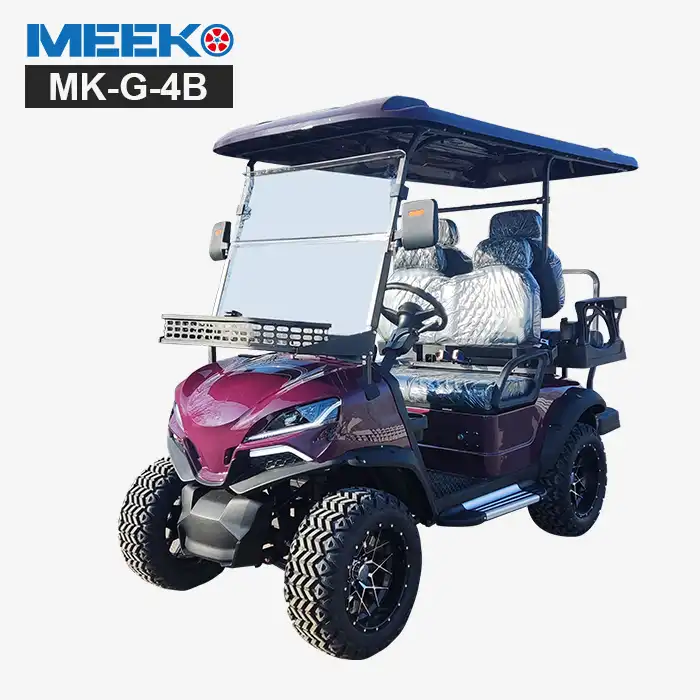
Learn about our latest products and discounts through SMS or email