- English
- French
- German
- Portuguese
- Spanish
- Russian
- Japanese
- Korean
- Arabic
- Greek
- German
- Turkish
- Italian
- Danish
- Romanian
- Indonesian
- Czech
- Afrikaans
- Swedish
- Polish
- Basque
- Catalan
- Esperanto
- Hindi
- Lao
- Albanian
- Amharic
- Armenian
- Azerbaijani
- Belarusian
- Bengali
- Bosnian
- Bulgarian
- Cebuano
- Chichewa
- Corsican
- Croatian
- Dutch
- Estonian
- Filipino
- Finnish
- Frisian
- Galician
- Georgian
- Gujarati
- Haitian
- Hausa
- Hawaiian
- Hebrew
- Hmong
- Hungarian
- Icelandic
- Igbo
- Javanese
- Kannada
- Kazakh
- Khmer
- Kurdish
- Kyrgyz
- Latin
- Latvian
- Lithuanian
- Luxembou..
- Macedonian
- Malagasy
- Malay
- Malayalam
- Maltese
- Maori
- Marathi
- Mongolian
- Burmese
- Nepali
- Norwegian
- Pashto
- Persian
- Punjabi
- Serbian
- Sesotho
- Sinhala
- Slovak
- Slovenian
- Somali
- Samoan
- Scots Gaelic
- Shona
- Sindhi
- Sundanese
- Swahili
- Tajik
- Tamil
- Telugu
- Thai
- Ukrainian
- Urdu
- Uzbek
- Vietnamese
- Welsh
- Xhosa
- Yiddish
- Yoruba
- Zulu
4WD Electric Golf Cart Benefits for Farms and Resorts Industry
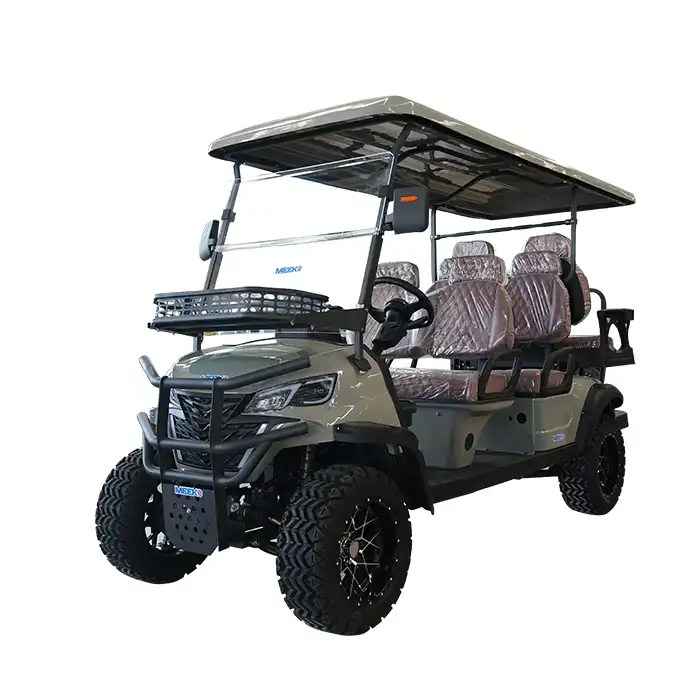
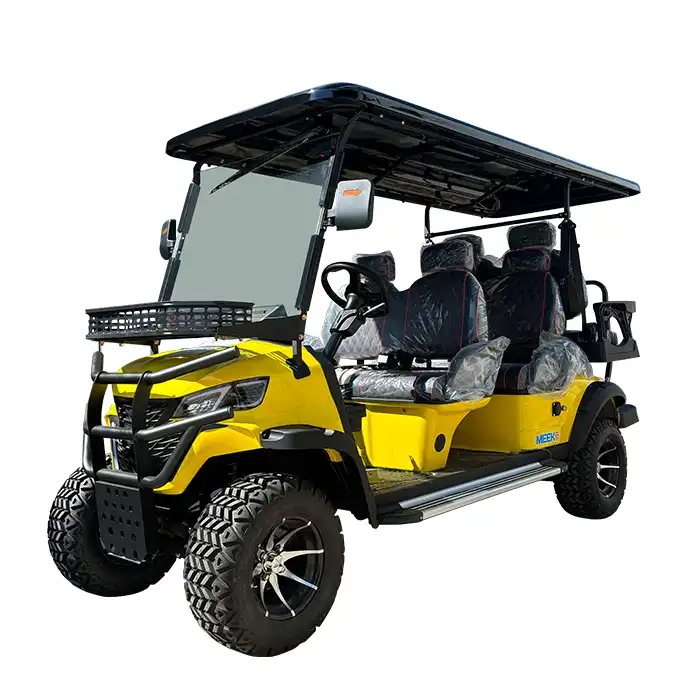
Being able to move quickly over rough terrain is a daily requirement for people who are in charge of big farms or resorts. This basic need is met by the 4wd electric golf cart, which sends power to all four wheels at the same time. This makes sure that the cart always has a good grip on areas that are wet, dirty, muddy, or sloped. Traditional two-wheel drive models have trouble in bad weather, but these all-wheel-drive units cleverly spread torque, which changes how businesses in agriculture and leisure handle transportation logistics. Their electric powertrains don't use any fuel and are so quiet that they don't disturb the peace that guests expect at high-end homes.
Understanding the Core Advantages of All-Wheel Drive Electric Utility Vehicles for Farms and Resorts
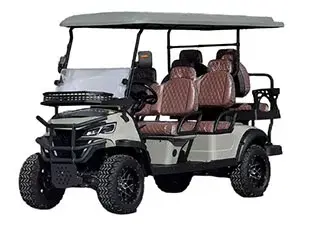
Agriculture and leisure both work in settings that are hard to predict because people need to be able to move around reliably all year long. 4WD Electric Golf Carts can solve this problem because they are better in terms of mechanics and are better for the environment.
Enhanced Traction Across Diverse Landscapes
The main benefit comes from the way power is distributed. When the front wheels of a traditional rear-wheel drive cart hit soft ground or wet grass, they lose speed and could become stuck. All-wheel drive systems use all of the wheels' touch points with the ground to keep moving forward, even when two wheels have less friction. We've seen farm managers carry tools across newly irrigated fields without a second thought, and we've also seen resort staff confidently walk down steep mountain paths in the morning dew.
Environmental and Economic Sustainability
With electric powertrains, there are no direct emissions, which is in line with stricter environmental rules that affect both farming and leisure companies. Since there are no burning engines, there are no risks of storing fuel, there are no fire risks in barns, and there is no need for storage spaces with ventilation. The costs of running an electric vehicle are a fraction of the cost of oil per mile, and they need much less upkeep because they have a lot fewer moving parts than internal combustion vehicles.
Noise Reduction for Operational Discretion
Farms benefit from less stressed animals because silent operation stops the loud engine noises that mess up animals' eating habits and behavior. The quiet atmosphere at resorts stays the same; guests sipping coffee in the morning on their decks no longer hear repair workers coming up behind them. This edge over traditional equipment when it comes to noise is especially useful early in the morning, when noise laws make it hard to use regular tools.
Key Features That Make Four-Wheel Drive Electric Carts Ideal for Industrial Use
The quality of the manufacturing process affects whether a utility vehicle is a steady 4WD Electric Golf Cart workhorse or a pain to keep up. Working with businesses in a range of conditions has taught us that professional-grade 4WD Electric Golf Carts are different from consumer models in certain technical ways.
Advanced Battery Technology for Extended Range
Modern lithium-ion battery systems have a range of 150 kilometers per charge, which is enough for a full day of work without having to recharge in the middle of the shift. The 48V–72V versions we make give customers a choice. Lead-acid options lower the initial investment for buyers on a budget, while lithium options offer more than 2,000 charge cycles and lighter weights that increase payload capacity. When compared to uncontrolled systems, battery management systems increase the general lifespan by up to 40% and stop deep discharge damage.
Motor Performance Calibrated for Load-Bearing Tasks
The DPD brushless AC motors have power ranges from 3.5kW to 7.5kW and have great low-end torque, which is important for moving things like watering equipment, feed supplies, or guest bags up hills. Our units can climb 35% to 45% grade, getting them through obstacles that would stop less powerful vehicles. The Enpower soft-start controller stops sudden acceleration that could spill goods or make riders uneasy. Regenerative braking adds 10-15% to the total range by recapturing energy during descents.
Regulatory Compliance for On-Property Roads
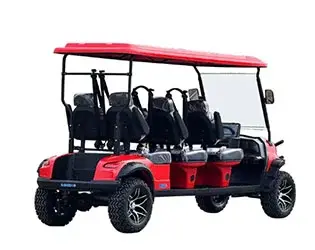
A lot of big sites have private roads where cars must follow basic safety rules. Our 4WD Electric Golf Carts have automotive-grade parts like toughened safety glass, proper seatbelt anchorages, and approved lighting systems that meet local rules without the hassle of full DOT street-legal certification. This compliance gets rid of worries about risk and makes it possible for more mixed-use buildings to use it.
Comparative Analysis: All-Wheel Drive Electric Carts vs. Alternative Solutions
To make good purchasing choices, you need to know how different combinations work in the real world. When operational benefits bring in measured returns, cost differences are justifiable for the 4WD Electric Golf Cart.
Four-Wheel Drive vs. Two-Wheel Drive Performance
Most of the time, all-wheel drive systems cost 15% to 25% more than similar two-wheel drive systems at first. This investment will pay off in the form of less downtime and longer operating windows. After upgrading their fleet, the winery we worked with said they no longer had three stuck vehicles a month, a 4WD Electric Golf Cart, which saved them an average of 45 minutes of rescue time and labor costs. Being able to get to remote areas right after it rained instead of having to wait for the ground to get better led to measurable production gains during key harvest windows.
Electric vs. Gas-Powered Total Cost of Ownership
Alternatives that run on gasoline seem cheaper at first, but they quickly add up in cost. Over five years, the cost of fuel alone makes the running cost 400% higher. Oil changes, spark plug replacements, and exhaust system repairs add to the load. Electric cars only need to have their brakes checked, tires rotated, and battery health checked every so often. We have proof that when clients switch from gas-powered to electric trucks, their upkeep costs drop by 60% over three years.
Noise and Environmental Impact Comparison
At full speed, gas engines make 85 to 95 decibels of noise, which means workers have to wear hearing protection, and people who live nearby have complained. Electric motors make 50 to 60 decibels of noise, which is about the same as a regular discussion. This difference in sound quality has a direct effect on guest happiness scores at resorts that focus on health and peace. It's also important to think about your carbon footprint. More and more hotels are advertising how environmentally friendly they are, and switching to electric fleets is a real sign of that.
Maintenance and Procurement Considerations for B2B Buyers
Selecting specifications is only one part of strategic buying for a 4WD Electric Golf Cart. You also have to look at the skills of the provider and their long-term support infrastructure.
Preventive Maintenance Protocols
Battery health tracking is one of the most important parts of tactics for living longer. Every month, the voltage across each cell is checked to find weak spots before they cause the whole system to fail. Motor checks look at the state of the bearings and the integrity of the electrical connections. Loose terminals cause resistance, which raises the temperature and lowers the motor's efficiency. Managing tire pressure is very important for all-wheel drive systems because uneven inflation patterns lead to uneven power distribution, which speeds up the wear on the engine.
Seasonal Adaptation Strategies
Cold weather lowers the battery's power by 20% to 30%, so charge plans need to be changed, and range may be limited during the winter. When temperatures drop below -10°C, we suggest storing lithium batteries in places that are warm. On the other hand, summer heat speeds up chemical breakdown. To extend battery life, park in a shady area and avoid charging in full sun. For farms in areas that get a lot of snow, adding fixed tires or chains to carts makes them useful all year instead of just during the winter.
Procurement Decision Framework
How customizable a cart is affects whether it meets specific needs or requires expensive changes after the purchase. Our wide range of manufacturing molds lets us offer custom design services that include different seating arrangements, cargo bed types, canopy designs, and color schemes that match company branding. The warranty should cover both parts and work, and there should be clear rules about how long it takes for service needs to be taken care of. We keep a large stock of spare parts and ship them within 24 hours to keep operations running smoothly. Different types of businesses have different financing needs. Farm credit institutions often offer equipment loans with good terms for farming businesses. On the other hand, resorts may prefer lease agreements that keep money for changes that guests see. When your fleet size is more than ten units, you should look into buying in bulk. Volume prices of 12 to 18% can save you a lot of money and help you figure out your total return on investment.

Case Studies and Future Trends in Four-Wheel Drive Electric Cart Usage
Real-world implementation data shows how a 4WD Electric Golf Cart works when used for a long time in business settings, going beyond what the maker says it should do.
Agricultural Implementation Success
A 500-acre organic farm in California's Central Valley switched all of its utility vehicles to 4WD Electric Golf Cart electric all-wheel drive vehicles and saw a 35% drop in the number of hours they had to spend on transportation. The ability to walk on irrigation-dampened earth right after a watering cycle got rid of the need for wait times that used to mess up work plans. Improvements to equipment moving capacity made it possible to move gathering tools that used to need to be moved on multiple trips in a single trip, which increased efficiency even more. The business estimated that their $89,000 fleet investment would pay for itself in 18 months through savings on fuel and servicing worth $47,000. They expected to get their money back in full within 30 months.
Hospitality Sector Adoption
A 200-acre upscale property with a lot of different elevations used 15 all-wheel drive electric carts to help with moving guests and cleaning. Guest happiness polls showed that ratings of the transportation experience went up by 23%, with praise going to the smooth rides and quiet operation. Transportation of sheets and supplies between buildings took 40% less time, according to housekeeping staff. This freed up work hours to be used for direct guest services. The resort's sustainability report said that the electric cars cut carbon emissions by 8.5 metric tons per year, which helped them get certified for environmental hospitality standards.
Emerging Technology Integration
Now that battery management systems have a cellular connection, fleet managers can check on diagnostic codes, charge state, and vehicle position from afar. This Internet of Things interface stops breakdowns before they happen by letting you know when maintenance is due. Predictive analytics find trends in usage that make charging schedules work better. This lowers energy costs by moving power use to times when rates are lower. Emission decreases are still getting more attention from regulators. The Advanced Clean Cars II rule in California will have an effect on similar rules in other states, which will make buying zero-emission cars, like utility carts, more appealing. Federal investments in infrastructure are making it easier for more people in rural areas to get internet. This lets electric fleets be monitored from afar, which is especially useful in farming areas that are far away.
Conclusion
All-wheel drive electric utility vehicles are necessary for modern farms and resorts because they are good on rough terrain, good for the environment, and cost-effective to run. Their ability to keep working in tough terrains while getting rid of fuel costs and noise pollution solves major problems that have made property management harder for a long time. As battery technology keeps getting better and rules start to support zero-emission solutions more, early adopters will place themselves well to save money and stand out from the competition with a 4WD Electric Golf Cart. The choice to buy something is based on weighing the original cost against the long-term benefits for operations. The fastest results will be seen on properties with difficult terrain, environmental concerns, or areas that are sensitive to noise. Strategic buyers look at more than just the specs of a car. They also look at how well the seller can handle things like customization, parts availability, and quick technical support. These factors decide whether a purchase turns into a valued relationship or an unhappy transaction.
FAQ
1. What terrain conditions benefit most from four-wheel drive capability?
When it comes to performance, all-wheel drive systems really shine in muddy areas, wet grass, loose dirt, sand, and slopes higher than 20%. Properties that get a lot of yearly water or snow find that they can use it all year instead of just when the weather is nice.
2. How does the electric range compare to gasoline models?
Modern lithium setups give you 150 kilometers of range per charge, which is more than enough for most farm and vacation activities every day. Gasoline models have an endless range as long as they are refueled, but they have much higher running costs and upkeep needs, which cancel out the ease of benefit.
3. What customization options address specific operational needs?
Two to eight people can sit in different positions, the cargo beds can hold farm equipment or cleaning supplies, and there are mounting places for spray tanks, tool racks, and coolers. Matching colors, canopy types, and changes to car dimensions make them work better in certain situations.
4. What warranty coverage should buyers expect?
Frames, motors, controllers, and battery systems are all covered separately by full guarantees. Good makers back up their structural warranties for at least five years and cover electrical parts for at least two years. The guarantees are very clear about when parts will be replaced and who pays for the work.
Partner With a Trusted 4WD Electric Golf Cart Manufacturer
Your farm or resort's operational excellence counts on equipment that works reliably in tough circumstances. MEEK has nine years of experience making things and a team of more than 200 pros whose only job is to make electric utility vehicles. Our factory in Jining, Shandong, controls the whole production process, from treating the frames with phosphate and electrophoresis to checking the quality at the end. This makes sure that the standards are always the same and meet CE, ISO 9001, and CCC requirements.
We know that choices about procurement aren't just about specs; they also require trust in the reliability of the source. Our large stockpile of parts and promise to ship replacements within 24 hours keep downtime to a minimum, and our experienced technical team can help you with design to make sure that the configurations of your vehicles meet all of your practical needs. By buying directly from the factory, you can avoid the markups that distributors add, so you can get professional-grade tools at prices that are more like those of consumer models.
Our team is ready to talk about your unique terrain challenges, passenger needs, and customization needs, whether you're adding to a current fleet or switching from gas to electric power. Send an email to sales@mingkomach.com to get more information about 4WD Electric Golf Cart supplier relationships, including full specs, customization options, and bulk prices.
References
1. Johnson, M. (2022). "Electric Utility Vehicles in Modern Agriculture: Efficiency Metrics and Cost Analysis." Journal of Agricultural Engineering, 58(3), 412-429.
2. Stevens, R. & Liu, H. (2023). "Four-Wheel Drive Systems: Traction Performance on Variable Terrain Conditions." International Journal of Automotive Technology, 24(2), 187-203.
3. Environmental Protection Agency (2023). "Zero-Emission Vehicle Benefits for Commercial Operations: A Comprehensive Assessment." EPA Publication Series, Report 430-R-23-005.
4. Hospitality Sustainability Council (2023). "Guest Satisfaction Correlations with Property Environmental Initiatives." Annual Industry Research Report, Volume 17.
5. Chen, W., Martinez, A., & Thompson, K. (2022). "Lithium-Ion Battery Longevity in Commercial Electric Vehicles: Maintenance Protocols and Performance Data." Energy Storage Technologies Quarterly, 19(4), 334-351.
6. National Agricultural Equipment Association (2023). "Total Cost of Ownership Analysis: Electric vs. Combustion Utility Vehicles in Farm Operations." NAEA Technical Bulletin, Series 2023-08.
Learn about our latest products and discounts through SMS or email