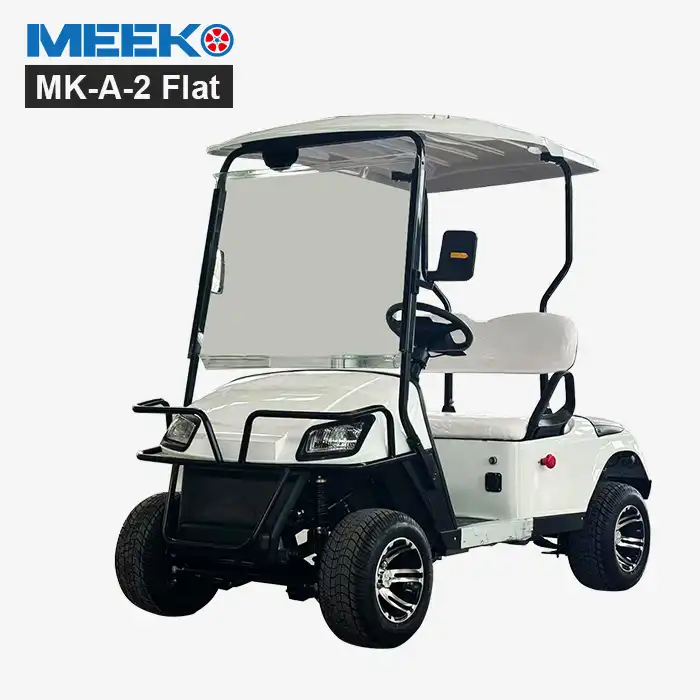
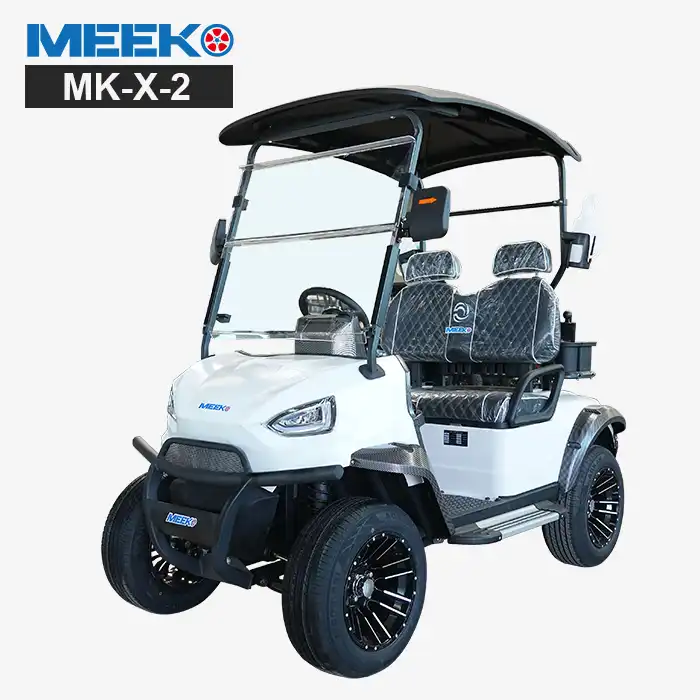
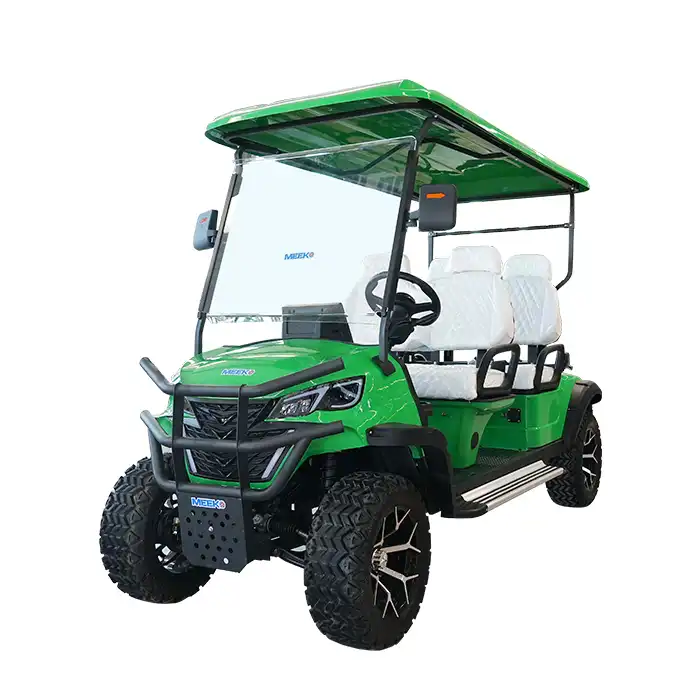
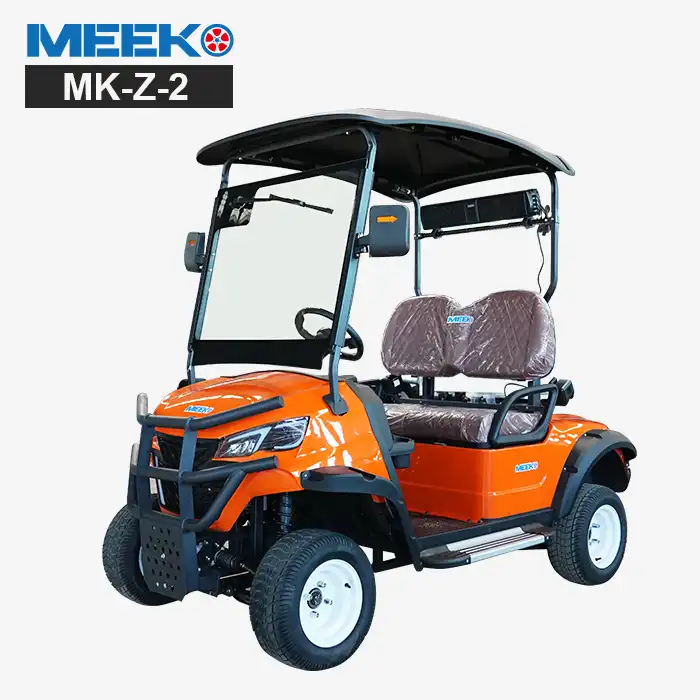
Businesses and individuals looking for environmentally responsible transportation options for residential areas, resorts, and commercial establishments are increasingly turning to electric golf carts for sale on the street. Their capacity to offer effective, affordable mobility while adhering to certain safety rules that permit operation on public roads with speed restrictions usually between 20 and 25 mph is what makes them appealing. Compared to conventional gas-powered alternatives, these cars offer zero emissions, less noise pollution, and lower maintenance costs. They also combine environmental sustainability with useful functionality. Contemporary street-legal electric carts are equipped with cutting-edge safety features, such as turn signals that adhere to local transportation laws, mirrors, seat belts, and appropriate lighting systems.
Understanding Street Legal Requirements for Electric Golf Carts
Electric golf carts that are permitted on public roads must adhere to strict safety regulations that varies greatly between states. These rules uphold local traffic laws while guaranteeing the safety of both operators and pedestrians. Headlights, brake lights, turn signals, rearview mirrors, windshields, and seat belts are usually required safety features. Additionally, parking brakes, horn systems, and vehicle identifying numbers are mandated by numerous areas. These cars are appropriate for low-speed zones, residential neighborhoods, and designated roads because speed limits often cap them at 20 and 25 mph. Registration and licensing processes differ among states, with some requiring standard vehicle registration while others offer simplified procedures for low-speed vehicles. Insurance requirements also vary, though many areas mandate basic liability coverage. Understanding these regulations prevents costly compliance issues and ensures safe operation within legal boundaries.
Operational Benefits of Street Legal Electric Golf Carts
The operational advantages of street-legal electric vehicles extend far beyond simple transportation, offering businesses and individuals remarkable flexibility in their daily mobility needs. Electric propulsion systems deliver significant cost savings through reduced fuel expenses and minimal maintenance requirements. These vehicles contain fewer moving parts than gas-powered alternatives, resulting in lower repair costs and extended service intervals. Battery technology improvements have increased range capabilities, with modern lithium-ion systems providing 30-50 miles per charge depending on terrain and usage patterns. Environmental benefits align with sustainability initiatives, producing zero direct emissions and operating at significantly reduced noise levels. This makes them ideal for residential communities, golf courses, hospitality venues, and corporate campuses where noise pollution concerns exist. The quiet operation also enhances user experience and maintains peaceful environments. Versatility in application makes these vehicles valuable for various sectors including security patrols, maintenance operations, senior living communities, and tourist transportation. Their compact size allows access to areas where traditional vehicles cannot operate effectively, while still providing weather protection and cargo capacity.
Key Selection Factors for Electric Street Legal Golf Carts
Choosing the right street legal electric cart necessitates a careful examination of numerous performance and practical factors that influence long-term value and operational success. Battery capacity is the most important performance component, affecting range, charging frequency, and overall operational efficiency. Lithium-ion batteries have higher energy density and longer lifespans than classic lead-acid systems, but the initial cost remains higher. Daily usage patterns might assist establish ideal battery parameters. Terrain adaptability affects vehicle selection, particularly for operations in hilly or challenging environments. Independent suspension systems, differential capabilities, and motor power ratings influence performance on inclines and rough surfaces. Weight capacity considerations must account for passengers, cargo, and equipment requirements. Customization options allow vehicles to meet specific operational needs through various seating configurations, cargo boxes, weather enclosures, and specialized equipment mounting systems. Quality manufacturers provide extensive customization capabilities while maintaining regulatory compliance.
Converting Standard Golf Carts to Street Legal Status
Converting existing golf carts to meet street legal criteria is a less expensive option than acquiring new vehicles, but it requires careful design and skilled installation of safety devices. Approved lighting systems with Department of Transportation-compliant headlights, brake lights, and turn signals are required conversion components. Mirror installation, seat belt systems, and horn modifications are all fundamental safety standards. Some jurisdictions require windshields, while others require speed limiters to maintain compliance with local laws. Professional installation ensures proper wiring, mounting, and integration with existing electrical systems. Costs typically range from $800-2000 depending on equipment quality and labor requirements. Professional installers understand local regulations and can verify compliance before inspection and registration. Ongoing maintenance requirements include regular inspection of safety equipment, battery system monitoring, and documentation of compliance modifications. Keeping detailed records supports registration renewals and insurance requirements while ensuring continued legal operation.
Comparing Electric and Gas-Powered Street Legal Options
The choice between electric and gas-powered street legal vehicles involves evaluating multiple factors including operational costs, environmental impact, and performance characteristics that affect long-term value. Electric systems excel in operational costs through eliminated fuel expenses, reduced maintenance requirements, and longer component lifespans. Quiet operation benefits residential and commercial environments where noise restrictions apply. Instant torque delivery provides smooth acceleration, while regenerative braking systems extend range and reduce brake wear. Gas-powered alternatives offer extended range capabilities and faster refueling for high-usage applications. However, emissions, noise levels, and maintenance complexity increase operational costs and environmental impact. Fuel storage and handling requirements also create additional safety and regulatory considerations. Performance comparisons show electric vehicles providing adequate power for most applications while delivering superior user experience through reduced vibration and noise. Modern battery technology has largely eliminated range anxiety for typical usage patterns, making electric options increasingly attractive for diverse applications.
Why Choose Meeko for Street Legal Electric Golf Cart Solutions?
Selecting the right electric golf carts for sale street legal manufacturer requires partnering with experienced suppliers who understand both regulatory compliance and operational excellence. Meeko offers comprehensive solutions that address every aspect of street legal electric vehicle procurement and support. Our extensive customization capabilities allow clients to specify configurations that meet exact operational requirements while maintaining full regulatory compliance. Advanced manufacturing processes ensure consistent quality and reliability across all vehicle configurations. Here are the core advantages that set our street legal electric carts apart:
- Diverse OEM Services: Our manufacturing molds enable personalized design services for various styles, colors, battery systems, and seating configurations, ensuring each vehicle meets specific operational requirements while maintaining street legal compliance standards.
- Competitive Pricing Structure: Direct factory pricing eliminates middleman costs, providing affordable solutions without compromising quality or safety features required for street legal operation.
- Rapid Delivery Capabilities: Once orders are confirmed, our streamlined production processes typically deliver completed vehicles within one week, minimizing operational delays.
- Comprehensive After-Sales Support: We maintain extensive inventories of parts and accessories for popular models, ensuring quick replacement during warranty periods and beyond.
These advantages effectively solve common procurement challenges including budget constraints, delivery schedules, and ongoing maintenance support requirements that impact total cost of ownership. Our experienced technical teams assist with design specifications, regulatory compliance verification, and operational optimization to ensure vehicles meet both performance expectations and legal requirements. Quality control processes monitor every production stage from material preparation through final testing, delivering reliable vehicles that exceed industry standards. Ready to explore our street legal electric golf cart solutions? Contact us at sales@mingkomach.com to discuss your specific requirements and receive personalized recommendations. Our team provides detailed consultations covering vehicle specifications, regulatory compliance, and customization options that optimize your transportation capabilities while ensuring full legal compliance.
Frequently Asked Questions
Q1: What safety equipment is required to make electric golf carts street legal?
A: Street legal electric golf carts must include headlights, brake lights, turn signals, rearview mirrors, seat belts, and horns. Many jurisdictions also require windshields, parking brakes, and vehicle identification numbers. Speed governors limiting maximum speed to 20-25 mph are commonly mandated.
Q2: Can I register a converted golf cart in any state?
A: Registration requirements vary significantly among states, with some offering simplified low-speed vehicle processes while others require standard vehicle registration. Research local regulations or consult with local DMV offices to understand specific requirements in your area.
Q3: How much does it cost to convert a standard golf cart to street legal status?
A: Conversion costs typically range from $800-2000 depending on equipment quality, installation complexity, and local regulatory requirements. Professional installation ensures proper compliance and safety while avoiding potential legal issues.
Conclusion
Street legal electric golf carts represent an increasingly attractive transportation solution combining environmental responsibility, operational efficiency, and regulatory compliance. Their ability to provide cost-effective mobility while meeting safety standards makes them valuable for diverse applications from residential communities to commercial operations. Understanding regulatory requirements, evaluating performance characteristics, and selecting experienced manufacturers ensures successful implementation of these versatile vehicles. The combination of zero emissions, reduced operating costs, and enhanced safety features continues driving demand across multiple sectors seeking sustainable transportation alternatives.
References
1. National Highway Traffic Safety Administration. "Federal Motor Vehicle Safety Standards for Low Speed Vehicles." Transportation Safety Guidelines, 2023.
2. Electric Vehicle Association of America. "Street Legal Electric Cart Regulations by State." Annual Compliance Report, 2023.
3. International Association of Golf Car Manufacturers. "Safety Standards for Street Legal Golf Carts." Industry Safety Guidelines, 2022.
4. Department of Transportation. "Low Speed Vehicle Registration and Operation Requirements." Federal Transportation Regulations, 2023.
5. American National Standards Institute. "Safety Requirements for Electric Golf Carts in Public Use." ANSI Standard Publication, 2022.
6. Society of Automotive Engineers. "Performance Standards for Low Speed Electric Vehicles." Technical Standards Manual, 2023.