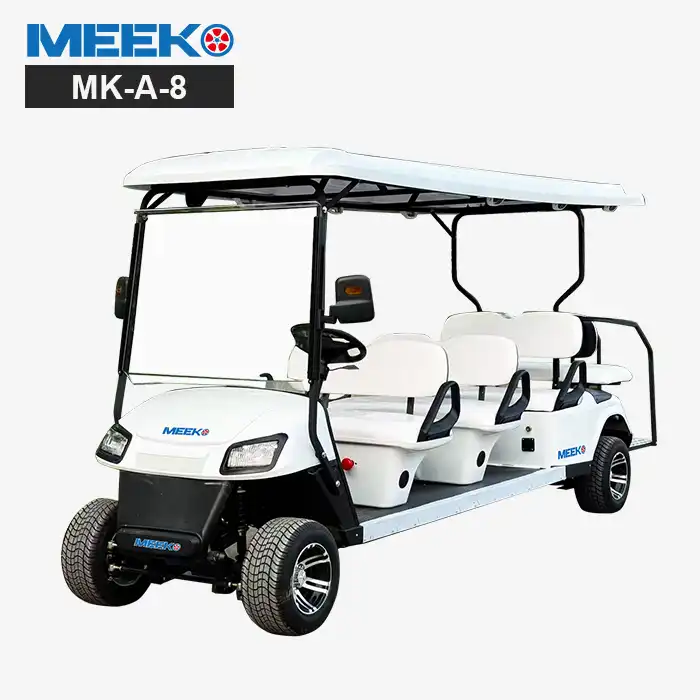
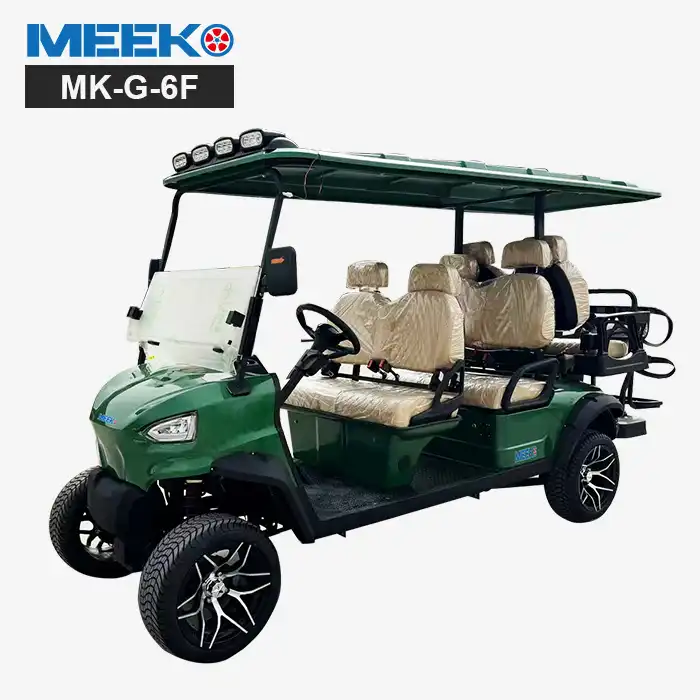
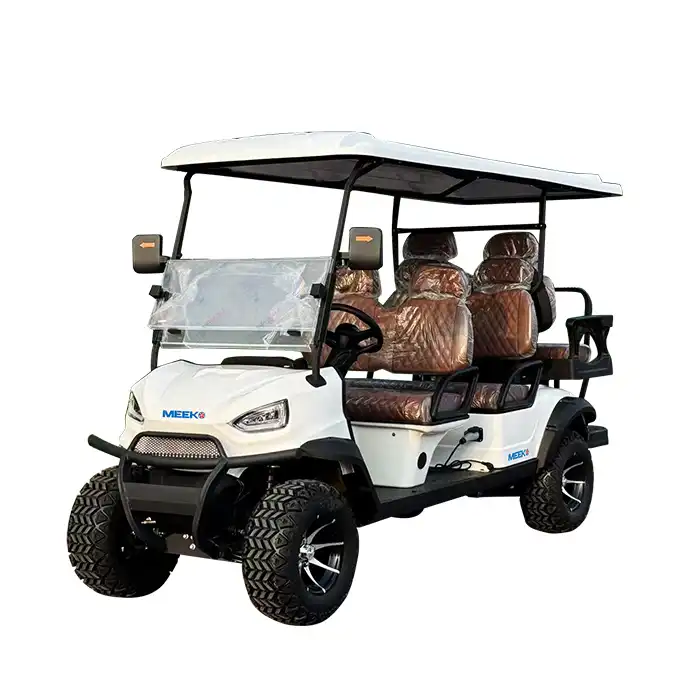
When exploring new golf buggies for sale, the question of whether street-legal models justify their investment becomes paramount. Street-legal golf carts offer versatility beyond traditional course use, transforming into practical transportation solutions for communities, resorts, and commercial properties. These enhanced vehicles meet federal safety standards, enabling operation on public roads with speed limits up to 35 mph. While standard golf carts serve recreational purposes excellently, street-legal variants provide expanded functionality that appeals to businesses and individuals seeking multi-purpose mobility solutions.
Understanding New Golf Buggies and Their Modern Features
Modern electric golf vehicles offer a substantial technological development over their predecessors. Today's models have complex energy management systems, regenerative braking, and smart connectivity technologies to improve both performance and user experience. Contemporary golf cart designs prioritize efficiency and sustainability. Electric vehicles dominate the market because of their environmental advantages and lower operating costs. These vehicles use lithium-ion battery technology, which gives longer range and faster charging times than typical lead-acid batteries. Advanced safety features distinguish modern golf buggies from older generations. Current models include enhanced braking systems, improved suspension, LED lighting packages, and reinforced frame construction. These improvements contribute to safer operation across diverse terrain conditions. Modern golf carts differ from traditional modes of transportation due to their integration of smart technology. GPS navigation systems, smartphone connectivity, and digital dashboard displays give customers with detailed vehicle information and improved control capabilities. Customization choices have increased substantially in recent years. Manufacturers now offer a variety of seating layouts, cargo solutions, and aesthetic alterations, allowing consumers to customize cars according on specific operating needs.
Street-Legal Golf Buggies: Expanding Beyond the Golf Course
Street-legal golf carts are modified to comply with National Highway Traffic Safety Administration criteria. These enhancements turn recreational vehicles become legitimate modes of mobility in cities and suburbs. Regulatory compliance requirements differ by state and municipality, but common alterations include the addition of headlights, taillights, turn signals, mirrors, seat belts, and windshields. These safety elements assure lawful driving on authorized roads while preserving the small, efficient design that makes golf carts popular. The versatility of street-legal models extends their application beyond recreational use. Gated communities utilize these vehicles for security patrols and maintenance operations. Resort properties employ them for guest transportation and staff mobility. Commercial facilities integrate them into daily operations for efficient movement across large properties. Cost-effectiveness makes street-legal golf carts attractive alternatives to traditional vehicles for specific applications. Their reduced purchase price, minimal maintenance requirements, and lower insurance costs create compelling economic advantages for businesses and individuals with defined transportation needs. Environmental considerations drive increasing adoption of electric street-legal golf carts. These vehicles produce zero direct emissions while offering quiet operation that reduces noise pollution in residential and commercial environments.
Evaluating the Best Options in Today's Market
The current marketplace offers diverse golf cart options from established manufacturers and emerging companies. Understanding key features and specifications helps buyers make informed decisions that align with their specific requirements. Battery technology represents the most critical component affecting vehicle performance and ownership experience. Lithium-ion systems provide superior energy density, faster charging times, and extended lifespan compared to traditional alternatives. These advanced batteries maintain consistent performance across varying temperature conditions and require minimal maintenance. Range capabilities vary significantly among different models and configurations. Standard electric golf carts typically provide 25-40 miles per charge under normal operating conditions. Street-legal variants may experience reduced range due to additional electrical components and higher operating speeds. Performance specifications include maximum speed, climbing ability, and payload capacity. Street-legal models often feature more powerful motors and enhanced drivetrain components to meet highway safety requirements while maintaining reliability. Build quality and construction materials directly impact vehicle longevity and maintenance requirements. Premium manufacturers utilize corrosion-resistant materials and advanced manufacturing techniques that extend vehicle lifespan and reduce long-term ownership costs.
Here are the core advantages that modern electric golf vehicles offer:
- Advanced Battery Technology: Lithium-ion systems deliver consistent power output and extended operational range, reducing downtime and increasing productivity for commercial applications.
- Enhanced Safety Features: Comprehensive lighting systems, improved braking mechanisms, and reinforced construction provide superior protection for operators and passengers.
- Smart Connectivity Options: Integrated GPS tracking, diagnostic monitoring, and smartphone integration enable efficient fleet management and maintenance scheduling.
- Customizable Configurations: Flexible seating arrangements, cargo solutions, and utility attachments accommodate diverse operational requirements across multiple industries.
These technological advancements position modern golf carts as viable transportation solutions that extend far beyond traditional recreational applications.
Maintenance, Safety, and Compliance Considerations
Proper maintenance ensures optimal performance and extends vehicle lifespan while maintaining safety standards. Electric golf carts require different maintenance approaches compared to gasoline-powered alternatives, but generally demand less frequent service intervals. Battery care represents the most important aspect of electric golf cart maintenance. Regular charging practices, proper storage conditions, and periodic inspection of electrical connections prevent premature battery failure and maintain optimal range performance. Mechanical components require routine inspection and maintenance to ensure safe operation. Brake systems, steering mechanisms, and suspension components need regular attention to maintain proper function and prevent safety hazards. Street-legal models require additional compliance considerations including periodic safety inspections, registration renewal, and insurance coverage. These requirements vary by jurisdiction but typically involve annual or biannual verification of safety equipment function. Documentation and record-keeping support compliance efforts and warranty protection. Maintaining service records, inspection reports, and modification documentation helps ensure continued legal operation and manufacturer support.
Making the Right Purchase Decision
Successful golf cart acquisition requires careful evaluation of operational requirements, budget constraints, and long-term objectives. Understanding total cost of ownership helps buyers make informed decisions that provide maximum value. Direct manufacturer relationships offer several advantages including competitive pricing, customization capabilities, and comprehensive warranty coverage. Working directly with manufacturers eliminates middleman markup while providing access to technical expertise and after-sales support. Financing options accommodate diverse budget requirements and cash flow considerations. Many manufacturers offer flexible payment terms, leasing programs, and bulk purchase discounts that make acquisition more accessible for businesses and organizations. Customization services enable buyers to optimize vehicles for specific applications. Professional modification services ensure proper integration of accessories and maintain warranty coverage while meeting operational requirements. After-sales support quality significantly impacts long-term ownership satisfaction. Reliable parts availability, technical assistance, and service network coverage provide peace of mind and minimize operational disruptions.
Frequently Asked Questions
Q1: What modifications make a golf cart street-legal?
A: Street-legal golf carts require specific safety equipment including headlights, taillights, turn signals, mirrors, seat belts, and windshields. Additional requirements may include horn installation, license plate mounting, and speed governors depending on local regulations.
Q2: How long do electric golf cart batteries typically last?
A: Modern lithium-ion batteries in electric golf carts generally provide 5-10 years of service life with proper maintenance. Daily range varies from 25-50 miles depending on terrain, payload, and driving conditions.
Q3: Are there financing options available for commercial golf cart purchases?
A: Yes, many manufacturers and dealers offer commercial financing programs including lease arrangements, installment plans, and bulk purchase discounts. These programs often feature competitive interest rates and flexible terms tailored to business requirements.
Partner with Meeko for Your Electric Golf Cart Needs
Meeko stands as your trusted new golf buggies for sale manufacturer, delivering exceptional value through direct factory relationships and comprehensive customization services. Our commitment to quality manufacturing and customer satisfaction positions us as the ideal partner for your electric vehicle requirements. Our manufacturing facility produces diverse golf cart configurations designed to meet specific operational demands. From standard recreational models to fully customized street-legal variants, we provide solutions that align with your unique requirements and budget considerations.
Direct factory pricing eliminates middleman markup, delivering significant cost savings without compromising quality or service. Our streamlined production process enables rapid delivery while maintaining rigorous quality control standards throughout manufacturing. Comprehensive after-sales support includes parts availability, technical assistance, and warranty coverage that protects your investment. Our experienced team provides ongoing support to ensure optimal vehicle performance and customer satisfaction.
Discover how Meeko can transform your transportation needs with innovative electric golf cart solutions. Our team stands ready to discuss your requirements and develop customized solutions that exceed expectations. To explore our complete range of electric golf vehicles and customization options, Contact us at sales@mingkomach.com.
Conclusion
Street-legal golf carts represent valuable transportation solutions that extend utility beyond traditional recreational applications. These versatile vehicles offer environmental benefits, cost-effectiveness, and operational flexibility that appeal to diverse users. While initial investment may exceed standard golf cart costs, the expanded functionality and compliance capabilities justify the premium for appropriate applications. Modern manufacturing techniques and advanced battery technology have elevated golf cart performance and reliability to new levels. Careful evaluation of requirements, regulations, and long-term objectives ensures successful acquisition and optimal ownership experience.
References
1. National Highway Traffic Safety Administration. "Federal Motor Vehicle Safety Standards for Low-Speed Vehicles." Department of Transportation Standards Manual, 2023.
2 .Electric Vehicle Industry Association. "Golf Cart Market Analysis and Growth Projections." Annual Industry Report, 2024.
3. Smith, Robert J. and Johnson, Maria K. "Lithium-Ion Battery Technology in Personal Transportation Vehicles." Journal of Electric Vehicle Engineering, Vol. 15, 2023.
4. American Golf Cart Manufacturers Association. "Safety Standards and Compliance Guidelines for Electric Golf Vehicles." Technical Publication Series, 2024.
5. Environmental Protection Agency. "Emissions Impact Study of Electric Low-Speed Vehicles." Clean Transportation Research Division, 2023.
6. Thompson, David L. "Total Cost of Ownership Analysis for Commercial Electric Golf Carts." Fleet Management Quarterly, Issue 3, 2024.