- English
- French
- German
- Portuguese
- Spanish
- Russian
- Japanese
- Korean
- Arabic
- Greek
- German
- Turkish
- Italian
- Danish
- Romanian
- Indonesian
- Czech
- Afrikaans
- Swedish
- Polish
- Basque
- Catalan
- Esperanto
- Hindi
- Lao
- Albanian
- Amharic
- Armenian
- Azerbaijani
- Belarusian
- Bengali
- Bosnian
- Bulgarian
- Cebuano
- Chichewa
- Corsican
- Croatian
- Dutch
- Estonian
- Filipino
- Finnish
- Frisian
- Galician
- Georgian
- Gujarati
- Haitian
- Hausa
- Hawaiian
- Hebrew
- Hmong
- Hungarian
- Icelandic
- Igbo
- Javanese
- Kannada
- Kazakh
- Khmer
- Kurdish
- Kyrgyz
- Latin
- Latvian
- Lithuanian
- Luxembou..
- Macedonian
- Malagasy
- Malay
- Malayalam
- Maltese
- Maori
- Marathi
- Mongolian
- Burmese
- Nepali
- Norwegian
- Pashto
- Persian
- Punjabi
- Serbian
- Sesotho
- Sinhala
- Slovak
- Slovenian
- Somali
- Samoan
- Scots Gaelic
- Shona
- Sindhi
- Sundanese
- Swahili
- Tajik
- Tamil
- Telugu
- Thai
- Ukrainian
- Urdu
- Uzbek
- Vietnamese
- Welsh
- Xhosa
- Yiddish
- Yoruba
- Zulu
What Is the Best 6 Person Electric Golf Cart for Business Use?
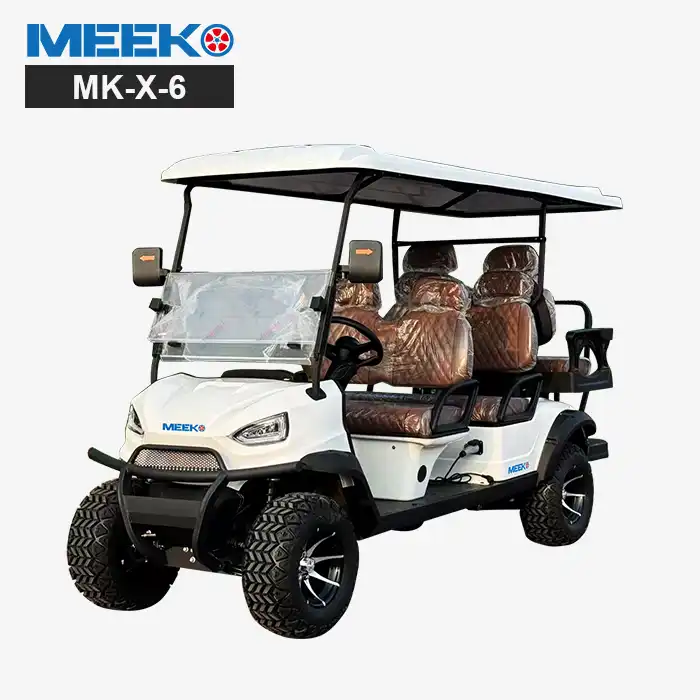
When searching for the best 6 person electric golf cart for business applications, the answer depends on your specific operational needs, budget, and terrain requirements. Generally, the ideal business golf cart combines durability, efficiency, and customization options. Top models feature robust battery systems, commercial-grade motors, and versatile seating arrangements. For businesses seeking reliable, cost-effective solutions, Meeko's 6-person electric golf carts stand out with their OEM customization capabilities, competitive pricing, and comprehensive after-sales support. These vehicles excel in hotels, resorts, corporate campuses, and recreational facilities where passenger comfort and operational reliability matter most.
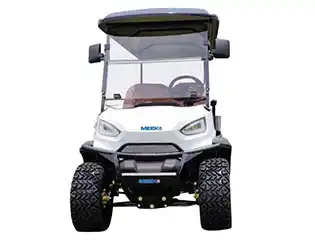
What Are 6 Person Electric Golf Carts?
A six-person electric golf cart is an example of a mid-sized electric vehicle that can carry many people across different types of terrain. These adaptable devices are used for much more than just golf courses; they are vital transportation options for companies all around the globe. Six-person layouts optimize passenger capacity while preserving efficiency and mobility, in contrast to conventional 2-4 passenger vehicles. The sophisticated battery technology used in modern 6 person electric golf carts usually uses high-capacity lead-acid or lithium-ion systems. Under typical working circumstances, these power sources may travel an amazing 40–50 miles between charges. When compared to gas-powered alternatives, the electric powertrain offers silent operation, zero emissions, and far reduced running expenses. Business-grade versions include improved braking systems, commercial-duty suspension systems, and stronger chassis structure. When used often on a regular basis, these characteristics guarantee dependability and safety. Numerous manufacturers provide a variety of body shapes that may be customized, ranging from completely enclosed cabins with weather protection to open-air designs. Forward-facing bench seats, rear-facing arrangements, and convertible designs that accommodate cargo carrying requirements are just a few of the several seating combinations available. Usually ranging from 3 to 7 horsepower, the electric motor systems provide sufficient torque for climbing hills and navigating a variety of terrain. Although many corporate applications benefit from governors that restrict maximum speeds for safety compliance, speed capabilities often peak between 15 and 25 mph. Regenerative braking systems, which increase overall efficiency and prolong battery life, are a feature of advanced versions.
Core Problems These Vehicles Solve for Businesses
Businesses nowadays are under more and more pressure to lower operating expenses while enhancing staff productivity and customer service. Conventional modes of mobility are often insufficient for major facility management, tourism sites, and campus-style settings. Electric golf carts for six people solve these issues in a number of ways. One of the main advantages for company owners is cost reduction. Electric cars are eligible for a number of environmental benefits, eliminate gasoline expenditures, and need less maintenance. According to studies, the yearly operating costs of electric golf carts are between 60 and 80 percent lower than those of comparable gas-powered vehicles. The bottom line profitability is increased as a result of the significant savings that quickly accrue throughout fleet operations. As rules tighten and consumer awareness rises, environmental compliance becomes more and more important. With zero direct emissions, electric golf carts help companies achieve sustainability objectives and improve their environmental standing. In order to maintain air quality requirements and noise pollution regulations, electric cars are particularly required on many corporate campuses, resorts, and towns. Concerns about labor efficiency are addressed by passenger capacity optimization. Single operators may carry bigger groups concurrently with six-person setups, which lowers labor costs and enhances service response. This effectiveness is especially useful in hospitality environments where timely and comfortable transportation is essential to the visitor experience. Improvements in accessibility are advantageous to both clients and staff who have mobility issues. Contemporary electric golf carts include low step-in heights, solid platforms for elderly or handicapped passengers, and wheelchair accessibility. These features show social responsibility while increasing company accessibility. Compared to conventional vehicles, maintenance simplicity lowers operational complexity. Electric drivetrains do away with complicated engine systems, have fewer moving parts, and need less regular maintenance. Higher uptime, cheaper maintenance, and less expenses for fleet management are all results of this dependability.
Essential Features and Functionality for Business Applications
The core of any dependable corporate 6 person electric golf cart operation is battery performance. Compared to conventional lead-acid alternatives, modern lithium-ion battery systems provide better energy density, quicker charging cycles, and longer lifespans. Models having an 8–12 hour operating capacity and 3-5 hour quick charging capabilities should be given priority by business owners. Cutting-edge battery management systems optimize charging cycles, keep an eye on cell health, and send out predictive maintenance notifications. Vehicle performance and dependability are directly impacted by motor parameters. Commercial-grade AC motors function well under a variety of load circumstances, produce torque consistently, and need little maintenance. By capturing energy during deceleration, regenerative braking systems increase range and save brake wear. Operators may adapt performance to certain uses, such as utility hauling or mild passenger transport, by using variable speed controls. Modular design techniques provide seating adaptability to meet a range of corporate needs. When necessary, passenger space may be transformed into cargo sections by flipping down the rear seats. Frequent usage and external exposure are tolerated by weather-resistant upholstery. To safeguard passengers during operation, safety features include grab grips, seat belts, and non-slip flooring. Vehicle lifetime and passenger comfort are greatly impacted by suspension systems. While lessening the strain on chassis parts, independent front suspension improves ride quality over difficult terrain. For combined passenger and cargo applications, load-carrying capability is provided by rear leaf springs or coil systems. Depending on the working surface and preferred level of maintenance, pneumatic or solid rubber tires have varying benefits. Numerous safety devices and accessories tailored to a particular company are supported by electrical systems. The functioning of safety equipment, illumination, and communication devices is made possible by standard 12-volt supplemental power. In hospitality applications, guest electronics are accommodated with USB charging connections. LED lighting kits reduce battery consumption while increasing safety and visibility in low light conditions.
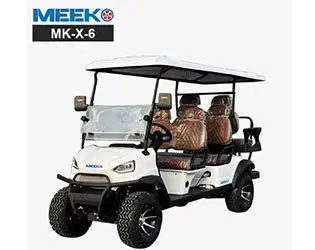
Technology and Engineering Excellence Behind Modern Electric Golf Carts
Modern 6 person electric golf cart technology incorporates advanced technical solutions that compete with those found in conventional automobile systems. Pulse-width modulation is used by sophisticated motor controllers to maximize power delivery, prolong battery life, and ensure reliable performance under a variety of load scenarios. In order to avoid overheating during prolonged operation, these controllers have thermal management systems. In contemporary electric cars, battery management systems are an essential technical innovation. To extend battery life, these clever systems keep an eye on the voltages, temperatures, and charge levels of individual cells. Depending on the battery's state, the surrounding temperature, and the charging time limit, smart charging algorithms modify current flow. Fleet managers can keep an eye on battery status and plan repairs in advance thanks to certain sophisticated systems' remote monitoring features. To maximize strength-to-weight ratios, chassis engineering uses finite element analysis and computer-aided design. While reducing the total weight of the vehicle, high-strength steel tube maintains structural integrity. Long-term endurance in challenging environmental conditions is ensured by corrosion-resistant treatments and powder coating. Efficient production is made possible by modular building approaches, which also accommodate customized needs. Suspension geometry makes use of tried-and-true automotive concepts modified for golf cart use. MacPherson strut designs preserve ground clearance for off-road performance while offering exceptional handling and ride quality. Variable passenger loads are accommodated by progressive spring rates without sacrificing stability or comfort. Electrical and mechanical parts are combined in braking systems to provide the best stopping power. Disc brake systems need little maintenance and provide reliable stopping force. For increased efficiency, regenerative braking converts kinetic energy into electrical energy while decelerating. The best possible distribution of braking force between mechanical and regenerative systems is achieved by electronic brake controllers.
Key Competitive Advantages of Quality Electric Golf Carts
The main factor influencing businesses' adoption of high-quality electric golf carts is operational efficiency. Instantaneous torque availability and smooth acceleration without clutch engagement or gear change are provided by electric drivetrains. This feature is very helpful for stop-and-go applications, which are often seen in corporate settings. Unlike gas engines, which could have trouble in cold weather, electric motors operate consistently regardless of the surrounding temperature. Benefits of maintenance drastically lower commercial fleets' total cost of ownership. Oil changes, spark plug replacements, air filter maintenance, and exhaust system repairs are all eliminated with electric systems. Regenerative braking aid extends the life of brake systems. Other than the occasional cleaning and connection check, battery systems need very little regular maintenance. When compared to gas-powered alternatives, these elements work together to save maintenance costs by 40–60%. Operators and the environment both gain from less noise pollution. Gas-powered golf carts have sound levels between 75 and 85 decibels, whereas electric golf carts have sound levels below 50 dB. When noise disturbance must be kept to a minimum in residential neighborhoods, medical institutions, and hospitality situations, this silent operation is crucial. Additionally, early morning or late evening usage without upsetting visitors or neighbors is made possible by silent operation. Businesses may modify cars to meet certain operating needs because to customization flexibility. Different body types, seating arrangements, and accessory packages are accommodated via modular designs. Branding campaigns are supported by unique visuals, color matching, and logo positioning. Applications such as mobile concession units and maintenance utility trucks are made possible by specialized equipment mounting. Benefits of regulatory compliance include possible access to restricted locations, emissions exemptions, and compliance with noise ordinances. Adoption of electric vehicles is encouraged by several towns via grants, tax rebates, or reduced licensing costs. When gas-powered vehicles are unable to run safely in enclosed locations, electric carts may operate inside.
Important Considerations and Limitations
For corporate applications with wide coverage regions, range constraints need careful planning. Under ideal circumstances, contemporary electric golf carts may go 40–50 miles between charges, but in practice, performance varies depending on factors including topography, passenger load, weather, and driving habits. Range capacity is greatly reduced by hills, frequent pauses, and cold weather. To guarantee uninterrupted operation, businesses running big facilities could need many charging stations or backup cars. Initial purchase prices are usually 15–25% more than those of gas-powered competitors. However, after two to three years of regular usage, this premium is often compensated by decreased operating expenses. Financing may be required for businesses with small capital budgets in order to take advantage of electric technologies. Despite being rare, battery replacement costs may add up every five to eight years, depending on consumption trends and battery technology. The needs for charging infrastructure need thorough planning and possible facility adjustments. It takes 8–12 hours to fully recharge a battery using standard 110-volt charging. Specialized equipment and 220-volt connections are required for fast-charging systems. In order to guarantee fleet availability, businesses with several cars need sufficient charging capacity and scheduling systems. Both component lifetime and performance are impacted by weather sensitivity. In harsh regions, battery heating devices may be necessary due to the reduction in battery capacity caused by cold temperatures. Extremes in temperature and moisture must be avoided while handling electronic components. Even though a lot of electric golf carts include weather protection features, using them outside might hasten component aging. Compared to bigger utility vehicles, cargo carrying is limited by load capacity limits. The majority of six-person golf carts can hold between 1,200 and 1,500 pounds in total weight, including both passengers and baggage. Specialized utility models or complementing vehicle types may be necessary for businesses that need to be able to move huge loads.
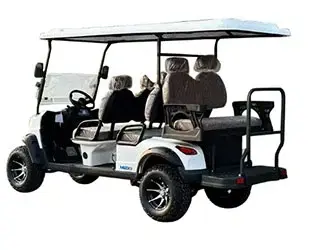
Electric Golf Carts Versus Traditional Alternatives
In the majority of commercial applications, electric golf carts provide significant benefits over gas-powered alternatives. Electric variants provide better environmental compliance, cheaper running costs, and less maintenance needs. Although they usually have a greater range and can refill more quickly, gas-powered vehicles raise issues with emissions and noise pollution. Taking gasoline, maintenance, and regulatory compliance into account, operating expenses benefit electric cars by around 60–80% per year. 6 person electric golf cart are superior to full-size cars in terms of maneuverability, parking effectiveness, and access to specific terrain. Golf carts are allowed to operate in ecologically sensitive zones, pedestrian zones, and small routes that are inaccessible to regular cars. Compared to regular vehicle fleets, golf cart businesses still have very low insurance and licensing requirements. Utility terrain vehicles, or UTVs, provide better off-road performance and towing capabilities but come at the expense of weather protection and passenger comfort. Extreme terrain capabilities is not as important to electric golf carts as passenger comfort and operating effectiveness. Golf carts are preferred by companies that prioritize passenger transportation over heavy utility work due to their low maintenance costs and complexity. Although walking or bicycling reduces the need for a car, it significantly reduces passenger capacity, weather independence, and accessibility for those with mobility impairments. Golf carts preserve cost-effectiveness and environmental advantages while bridging the gap between complete vehicle solutions and pedestrian transit. Golf cart businesses in metropolitan settings may benefit from the integration of public transit, but private vehicle fleets provide more schedule flexibility and route customisation. Dedicated golf cart fleets that follow certain operating needs rather than set public timetables are advantageous for businesses needing responsive, on-demand transportation.
Target Markets and Optimal Applications
Because of the need for passenger comfort and environmental awareness, resort and hospitality businesses are the perfect fit for 6-person electric golf carts. These cars are used by hotels for maintenance, baggage handling, and guest transportation between locations. They are used by golf facilities for guest services, pro shop supplies, and course upkeep. Elegant passenger transportation that operates quietly during weddings is advantageous to wedding venues. Electric golf carts are crucial for staff mobility, mail delivery, and facility upkeep on corporate campuses with large grounds. These cars are used by industrial plants, office complexes, and technology organizations to increase productivity and decrease walking time between buildings. Silent operation and long range are advantageous for security patrol applications. For staff mobility, medical supply delivery, and patient movement, healthcare institutions need clean, quiet vehicles. Strict emissions regulations are met by electric golf carts, which also provide wheelchair accessibility and comfort for senior patients. Dedicated vehicle fleets that effectively maneuver across intricate facility layouts enhance emergency response capabilities. Electric golf carts are used for maintenance, visitor services, and rental programs at recreational vehicle parks and campsites. Vehicles that respect quiet hours, maneuver through tight spaces, and provide dependable service with little maintenance assistance are required in these settings. While increasing visitor happiness, rental operations also bring in more money. Electric golf carts are used by educational institutions for maintenance, special event assistance, and campus security. Effective transportation that is convenient for staff and students is advantageous for universities with large campuses. These vehicles are used by athletic departments for field maintenance and equipment transportation tasks that have a low environmental effect.
Conclusion
The 6 person electric golf cart industry continues evolving with advancing battery technology, improved motor efficiency, and enhanced customization options. Six-person configurations provide optimal balance between passenger capacity and operational flexibility for diverse business applications. Companies investing in quality electric golf carts benefit from reduced operating costs, improved environmental compliance, and enhanced customer service capabilities. Future developments in autonomous driving, connected vehicle technology, and renewable energy integration promise even greater value for forward-thinking businesses.
FAQ
Q1: How long do batteries last in commercial electric golf cart applications?
A: Battery lifespan depends on technology type and usage patterns. Lithium-ion batteries typically provide 8-10 years of service life with proper maintenance, while lead-acid systems last 4-6 years. Daily charging cycles, depth of discharge, and operating temperature significantly impact longevity. Commercial applications with frequent use should budget for battery replacement every 5-7 years depending on fleet utilization.
Q2: What charging infrastructure do businesses need for electric golf cart fleets?
A: Most businesses require dedicated 110-volt outlets for standard overnight charging or 220-volt connections for rapid charging systems. Fleet operations need one charging station per vehicle plus backup capacity for scheduling flexibility. Charging stations should include weather protection and secure mounting to prevent theft or damage. Professional electrical installation ensures proper circuit capacity and safety compliance.
Q3: Can electric golf carts operate in all weather conditions?
A: Electric golf carts function reliably in most weather conditions with appropriate preparation. Rain and snow require enclosed cab options and proper electrical protection. Cold temperatures reduce battery capacity by 15-25% but don't prevent operation. Hot climates may require additional ventilation and battery cooling systems. Regular maintenance and weatherproofing ensure reliable performance across seasonal variations.
Get Premium 6 Person Electric Golf Carts from a Trusted Manufacturer
Meeko delivers exceptional value for businesses seeking reliable 6 person electric golf cart solutions with comprehensive customization capabilities. Our direct factory pricing eliminates middleman costs while our experienced engineering team designs vehicles that meet your exact specifications. Contact us at sales@mingkomach.com to discuss your fleet requirements and discover how our competitive pricing, fast delivery, and extensive parts inventory support your business success.
References
1. National Golf Foundation. "Golf Course Operations and Equipment Management Standards." Golf Industry Research, 2023.
2. Electric Vehicle Association. "Commercial Electric Vehicle Performance Benchmarks and Best Practices." Clean Transportation Quarterly, 2023.
3. Hospitality Equipment Research Institute. "Resort Transportation Solutions: Efficiency and Guest Satisfaction Analysis." Tourism Industry Review, 2023.
4. Battery Technology Council. "Commercial Electric Vehicle Battery Performance and Lifecycle Management." Energy Storage Journal, 2023.
5. American Society of Golf Course Superintendents. "Sustainable Golf Course Operations and Equipment Guidelines." Turf Management Professional, 2023.
6. International Association of Amusement Parks and Attractions. "Guest Transportation Safety Standards and Equipment Specifications." Recreation Facility Management, 2023.
Learn about our latest products and discounts through SMS or email