- English
- French
- German
- Portuguese
- Spanish
- Russian
- Japanese
- Korean
- Arabic
- Greek
- German
- Turkish
- Italian
- Danish
- Romanian
- Indonesian
- Czech
- Afrikaans
- Swedish
- Polish
- Basque
- Catalan
- Esperanto
- Hindi
- Lao
- Albanian
- Amharic
- Armenian
- Azerbaijani
- Belarusian
- Bengali
- Bosnian
- Bulgarian
- Cebuano
- Chichewa
- Corsican
- Croatian
- Dutch
- Estonian
- Filipino
- Finnish
- Frisian
- Galician
- Georgian
- Gujarati
- Haitian
- Hausa
- Hawaiian
- Hebrew
- Hmong
- Hungarian
- Icelandic
- Igbo
- Javanese
- Kannada
- Kazakh
- Khmer
- Kurdish
- Kyrgyz
- Latin
- Latvian
- Lithuanian
- Luxembou..
- Macedonian
- Malagasy
- Malay
- Malayalam
- Maltese
- Maori
- Marathi
- Mongolian
- Burmese
- Nepali
- Norwegian
- Pashto
- Persian
- Punjabi
- Serbian
- Sesotho
- Sinhala
- Slovak
- Slovenian
- Somali
- Samoan
- Scots Gaelic
- Shona
- Sindhi
- Sundanese
- Swahili
- Tajik
- Tamil
- Telugu
- Thai
- Ukrainian
- Urdu
- Uzbek
- Vietnamese
- Welsh
- Xhosa
- Yiddish
- Yoruba
- Zulu
How Do Custom Utility Golf Carts Enhance Commercial Operations?
custom utility golf carts revolutionize commercial operations by providing specialized transportation solutions that standard vehicles cannot match. These electric utility vehicles offer enhanced load capacity, superior maneuverability in tight spaces, and eco-friendly operation that reduces overhead costs. Commercial businesses across industries leverage customizable utility carts to streamline workflows, improve productivity, and access previously challenging work environments. The versatility of these specialized vehicles transforms daily operations through tailored configurations that address specific industry requirements while maintaining cost-effectiveness and environmental compliance standards.
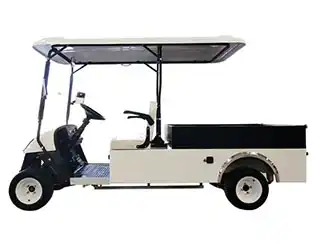
Understanding Custom Utility Golf Carts and Their Commercial Value
What Sets Commercial Electric Golf Carts Apart from Standard Models?
Electric golf carts used for business purposes are very different from those used for fun. Specialized cars like these have stronger frame designs, industrial-grade parts, and better electricity systems that can handle tough business tasks. When something goes from being used for fun to being used for business, the weight limit has to be raised from the normal 800 pounds to 1,500 pounds or more. The changes in engineering are more than just bigger capacities. Commercial versions have stronger suspension systems, better brakes, and parts that can handle the weather that are made for use in outdoor industrial settings. These changes make sure that the system will work reliably for long periods of time while still meeting the safety standards needed in business settings.
Key Features That Drive Business Efficiency
The newest custom utility golf carts have high-tech features that directly affect how well they work. Regenerative braking systems keep the stopping power constant on a variety of terrains while extending the life of the battery. Digital display screens show the energy level, speed, and repair alerts in real time, which makes fleet management more proactive. Another very important benefit for business uses is storage options. Companies can make the best plans for their goods based on their individual needs by using adjustable bed designs, kit integration, and specialized mounting systems. Because of these changes, there is no longer a need for different types of vehicles. Instead, transportation needs can be met by a single, flexible platform.
Electric Versus Gas-Powered Options for Business Applications
The choice between electric and gas-powered utility vehicles depends on specific operational parameters and environmental considerations. Electric models excel in enclosed environments, offering zero-emission operation suitable for warehouses, healthcare facilities, and educational campuses. Battery technology advances have extended operational ranges to 40-50 miles per charge, addressing previous limitations in all-day usage scenarios.
Gas-powered alternatives provide advantages in applications requiring extended range or operation in areas lacking charging infrastructure. These models deliver consistent power output regardless of terrain challenges and weather conditions. However, operational costs include fuel expenses and more frequent maintenance requirements compared to their electric counterparts.
How Custom Utility Golf Carts Solve Common Operational Challenges?
Addressing Transportation Inefficiencies in Commercial Settings
For traditional business transportation, it's common for big cars to have to fit through small areas, which wastes time and money. Utility electric vehicles are smaller options that can get into tight spaces, work sites with lots of people, and other places where full-size cars can't go. Because it's easier to get to, journey times are shorter and work flows more smoothly. The advantage of being able to turn is especially clear in situations like airport ground support, upkeep on big buildings, and university security. Vehicles that can quickly change directions and precisely place themselves without taking up as much room as regular business vehicles are useful in these settings.
Cost Reduction Through Specialized Design
Customizing commercial custom utility golf carts cuts costs in a number of operating areas that can be measured. Electric business vehicles have simpler motor systems and fewer moving parts than standard commercial vehicles, so they require much less maintenance. Insurance costs are still lower because accidents aren't as bad and operations can't go as fast. The prices of fuel and energy are big chances to save money. When compared to gasoline-powered options, electric utility carts cost about 25% less per mile to run. This benefit grows over time, especially in business settings with a lot of use where daily miles adds up quickly.
Industry-Specific Problem Resolution
Different types of businesses have their own transportation problems that can be solved by specific service cars. Customized models are used in agriculture to maintain watering systems, keep an eye on crops, and move tools over terrain that isn't good for regular cars. Because electric types are quiet, they don't bother animals and keep operations running smoothly. Specialized layouts make it easy for landscaping companies to move tools, materials, and group members between client properties. Customizable bed designs can fit a variety of equipment pairings while still looking professional, which is important for keeping clients happy.
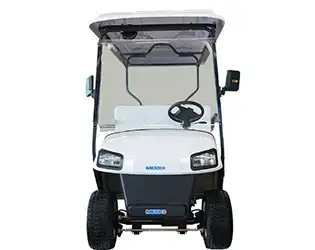
Choosing the Right Custom Utility Golf Cart for Your Business Needs
Evaluating Operational Requirements and Specifications
A thorough study of practical needs is the first step in choosing the right utility cart. When figuring out load capacity, you have to think about both weight and space, as well as the possibility that shipping needs will grow in the future. Terrain research figures out how much ground clearance, tire size, and balance are needed for the best performance. How often you use an electric car's battery affects the size of the fuel tank for a gas-powered car, and vice versa. Knowing when the busiest times are for use and when there are chances to charge helps you come up with the right standards that keep operations running smoothly.
Battery Performance and Electrical System Considerations
How well an electric utility golf cart works depends a lot on the type of batteries used and how the electrical system is set up. In terms of performance, lithium-ion battery systems are better than standard lead-acid ones. They can be charged faster, have a longer operating range, and last longer. But the costs of the original investment need to be weighed against the benefits of running the business in the long term. Charging infrastructure needs change depending on the type of battery and how it is used. Most uses can be charged overnight with standard 110V systems, while 220V systems allow fast charging during breaks in operations. Understanding these standards keeps operations running smoothly and makes sure that vehicles are always available.
Safety Certifications and Regulatory Compliance
When choosing a commercial utility vehicle, it's important to think about the safety standards that are needed and the rules that must be followed. ANSI/ACMA guidelines set the rules for safety features, performance requirements, and how business custom utility golf carts should be used. These standards make sure that the car will work and that the driver will be safe in a variety of situations. Local and state laws may add to the requirements for registering a car, getting a license to drive, and limiting its use. If you know about these requirements during the selection process, you can avoid problems with compliance and operating limits after release.
Maintenance and Safety Tips to Maximize Efficiency and Lifespan
Preventive Maintenance Strategies for Electric Models
Electric utility vehicle upkeep is mostly about taking care of the batteries and keeping an eye on the electrical systems. As part of normal battery care, the connections need to be cleaned, fluid levels need to be checked in the right systems, and charge patterns need to be watched for any problems. Proper battery care greatly increases its useful life while keeping its performance levels stable. As part of motor and processor repair, the links, cooling systems, and safety parts are checked on a regular basis. Compared to internal combustion engines, these systems don't need as much maintenance, but regular checks keep them working well and extend their life.
Safety Protocols and Operator Training Programs
Comprehensive training programs for operators make sure that vehicles are operated safely and efficiently. Parts of training include getting to know the car, learning about its load ability, and going over the emergency procedures. As working needs change, safety standards are kept up by regular repeat training. Putting in safety tools makes operators safer and helps companies follow the rules. Seat belts, lighting systems, and audio warning systems are all standard safety features. Depending on the work setting, you may need extra safety gear like backup alarms, flash lights, and fall protection systems.
Environmental Safety and Compliance Considerations
Environmental safety standards change depending on where the business is located and what kind of car it is. Electric types don't give off direct pollution, which makes environmental compliance easier in most situations. But following the right steps for getting rid of and reusing batteries means paying attention to environmental laws. Because they make less noise, electric utility cars are better in places that need to be quiet, like hospitals, schools, and neighborhoods. Learning about the noise laws in your area can help you choose the right car and how to operate it.
Seamlessly Integrating Custom Utility Golf Carts into Your Business Workflow
Strategic Procurement and Implementation Planning
To successfully integrate utility carts, you need to plan ahead and think about how things will work, how to train staff, and what kind of equipment is needed. Delivery timetables, training finishing, and slow practical merging should all be taken into account in implementation timelines so that there is as little impact as possible. The practical covering needs, the need for backups, and the repair schedule all affect how big a fleet should be. Knowing when demand is highest helps you choose the right size fleet and avoid spending money on extra capacity that you don't need.
Workflow Optimization Through Vehicle Customization
Utility cars can be made to work best for certain types of work thanks to customization choices. Specialized fixing mounts, tool organization systems, and the ability to connect communication equipment all make operations run more smoothly and cut down on the time it takes to switch between jobs. Most of the time, these changes pay off because they make operations more efficient. GPS tracking, repair scheduling systems, and operating monitoring tools are all examples of technologies that can be used together. These features let managers see how the fleet is being used and let them make decisions based on facts about how to improve things.
Scalability and Future Expansion Considerations
As a business grows, it needs utility car options that can adapt to new working needs. Modular customization methods let you change vehicles as your business needs change without having to buy a whole new fleet. Knowing about growth options during the original decision process keeps businesses from being limited as they grow. The provision of service help affects the long-term success of operations. Building ties with qualified service providers guarantees that vehicles will always be available and meet performance standards throughout the operating lifecycle.
Conclusion
Custom utility golf carts provide comprehensive solutions for commercial transportation challenges across diverse industries. These specialized vehicles offer superior maneuverability, environmental compliance, and cost-effective operation compared to traditional commercial vehicles. Through careful selection, proper maintenance, and strategic integration, businesses achieve significant operational improvements while reducing transportation costs. The investment in customized utility vehicles supports scalable growth and enhanced productivity, making them valuable assets for forward-thinking commercial operations seeking competitive advantages in their respective markets.
FAQ
How long does customization typically take for commercial utility golf carts?
Customization timelines generally range from two to six weeks depending on specification complexity and accessory requirements. Standard modifications such as bed configurations and basic electrical upgrades typically complete within two weeks. Advanced customizations involving specialized equipment integration or unique structural modifications may require extended timelines to ensure proper engineering and testing completion.
What are the primary differences between electric and gas commercial utility carts?
Electric utility vehicles offer lower operational costs, reduced maintenance requirements, and zero-emission operation suitable for enclosed environments. Gas-powered alternatives provide extended operational range, consistent power delivery regardless of terrain, and faster refueling capabilities. Electric models excel in applications with established charging infrastructure, while gas options suit remote operations or extended-range requirements.
Are bulk purchase options and financing available for commercial buyers?
Commercial buyers benefit from volume pricing structures that provide significant cost savings on fleet purchases. Flexible financing options accommodate various budget requirements and cash flow considerations. Extended warranty coverage and comprehensive service packages support fleet management needs while ensuring operational reliability throughout the vehicle lifecycle.
Partner with Meeko for Your Commercial Transportation Solution
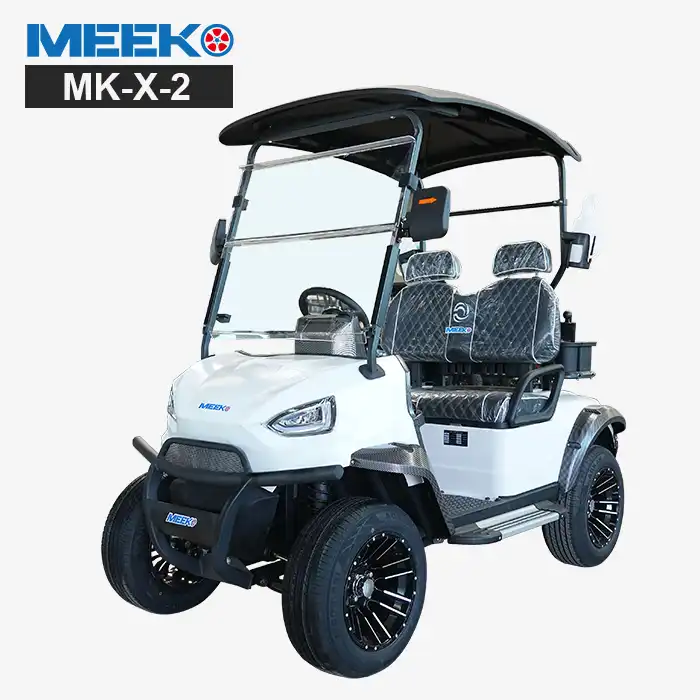
Meeko stands as a leading custom utility golf carts manufacturer, delivering specialized electric vehicles designed specifically for commercial applications across diverse industries. Our comprehensive customization capabilities ensure each vehicle configuration meets precise operational requirements while maintaining competitive pricing that supports your business objectives. Through direct factory relationships, we eliminate middleman costs and provide transparent pricing that enables informed procurement decisions.
Our engineering team collaborates with clients to develop tailored solutions that address specific operational challenges and optimize workflow efficiency. Whether you require specialized load configurations, enhanced terrain capabilities, or integrated technology systems, our extensive manufacturing capabilities support virtually any customization requirement. Contact our experts at sales@mingkomach.com to discuss your commercial utility vehicle needs and discover how our custom utility golf carts for sale can transform your operational efficiency.
References
1. Electric Vehicle Technology Assessment for Commercial Applications, Journal of Commercial Transportation, 2024
2. Utility Vehicle Safety Standards and Regulatory Compliance Guide, American National Standards Institute, 2024
3. Cost-Benefit Analysis of Electric Utility Vehicles in Commercial Operations, Industrial Transportation Research, 2023
4. Commercial Golf Cart Maintenance Best Practices Manual, Equipment Maintenance Association, 2024
5. Environmental Impact Assessment of Electric Utility Vehicles, Green Transportation Initiative, 2023
6. Workflow Optimization Through Specialized Vehicle Integration, Business Efficiency Review, 2024
Learn about our latest products and discounts through SMS or email