- English
- French
- German
- Portuguese
- Spanish
- Russian
- Japanese
- Korean
- Arabic
- Greek
- German
- Turkish
- Italian
- Danish
- Romanian
- Indonesian
- Czech
- Afrikaans
- Swedish
- Polish
- Basque
- Catalan
- Esperanto
- Hindi
- Lao
- Albanian
- Amharic
- Armenian
- Azerbaijani
- Belarusian
- Bengali
- Bosnian
- Bulgarian
- Cebuano
- Chichewa
- Corsican
- Croatian
- Dutch
- Estonian
- Filipino
- Finnish
- Frisian
- Galician
- Georgian
- Gujarati
- Haitian
- Hausa
- Hawaiian
- Hebrew
- Hmong
- Hungarian
- Icelandic
- Igbo
- Javanese
- Kannada
- Kazakh
- Khmer
- Kurdish
- Kyrgyz
- Latin
- Latvian
- Lithuanian
- Luxembou..
- Macedonian
- Malagasy
- Malay
- Malayalam
- Maltese
- Maori
- Marathi
- Mongolian
- Burmese
- Nepali
- Norwegian
- Pashto
- Persian
- Punjabi
- Serbian
- Sesotho
- Sinhala
- Slovak
- Slovenian
- Somali
- Samoan
- Scots Gaelic
- Shona
- Sindhi
- Sundanese
- Swahili
- Tajik
- Tamil
- Telugu
- Thai
- Ukrainian
- Urdu
- Uzbek
- Vietnamese
- Welsh
- Xhosa
- Yiddish
- Yoruba
- Zulu
Top 4WD Golf Cart Electric Uses in Farming You Should Know in 2025
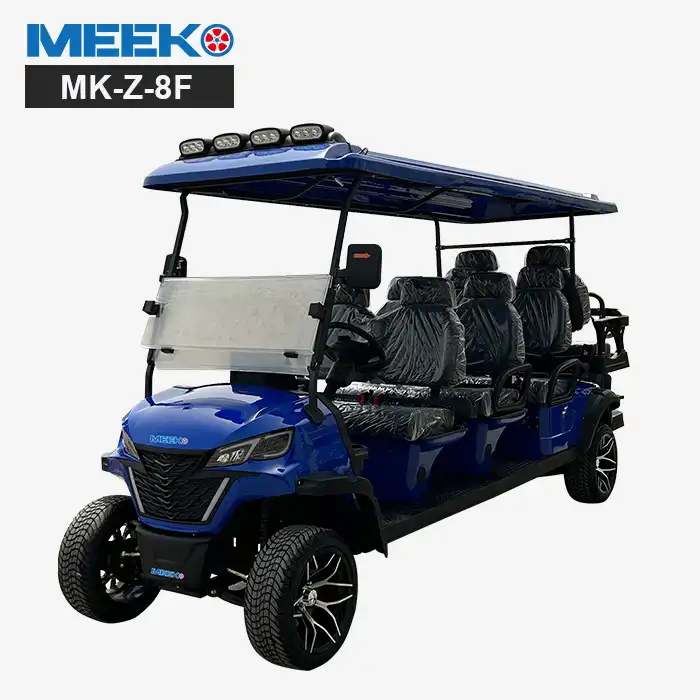
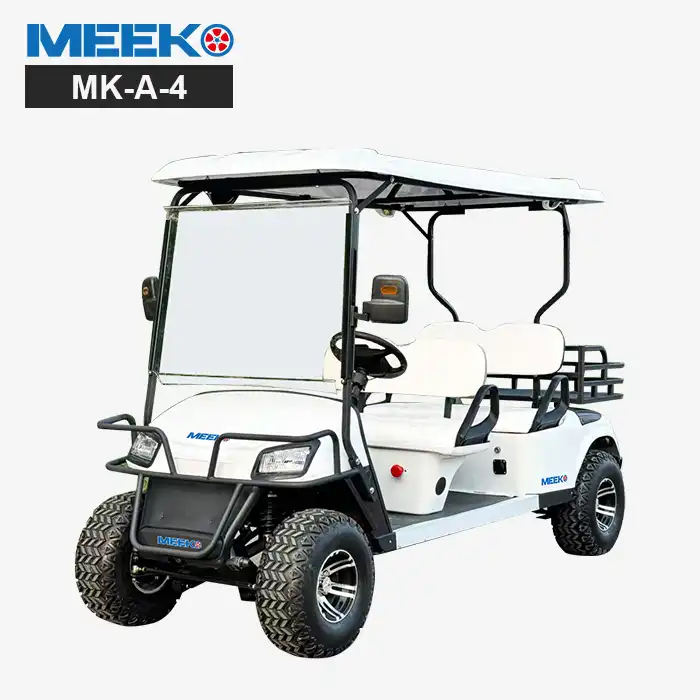
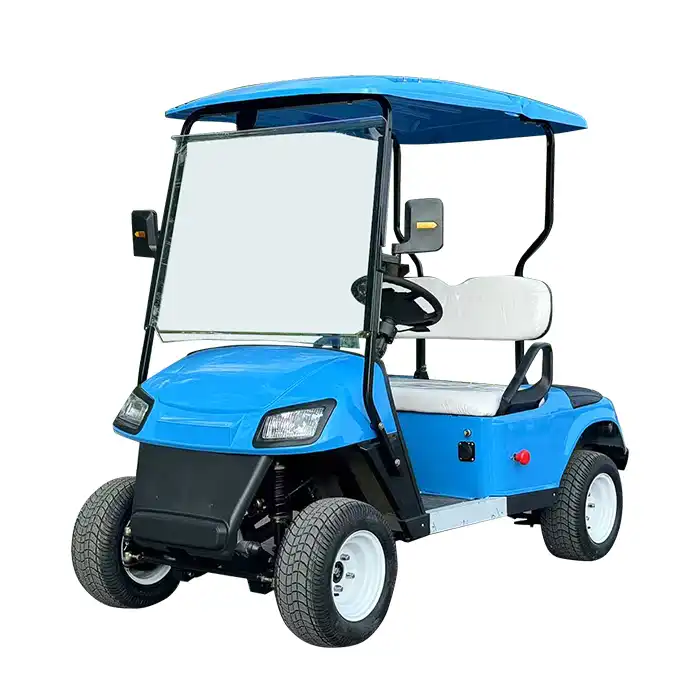
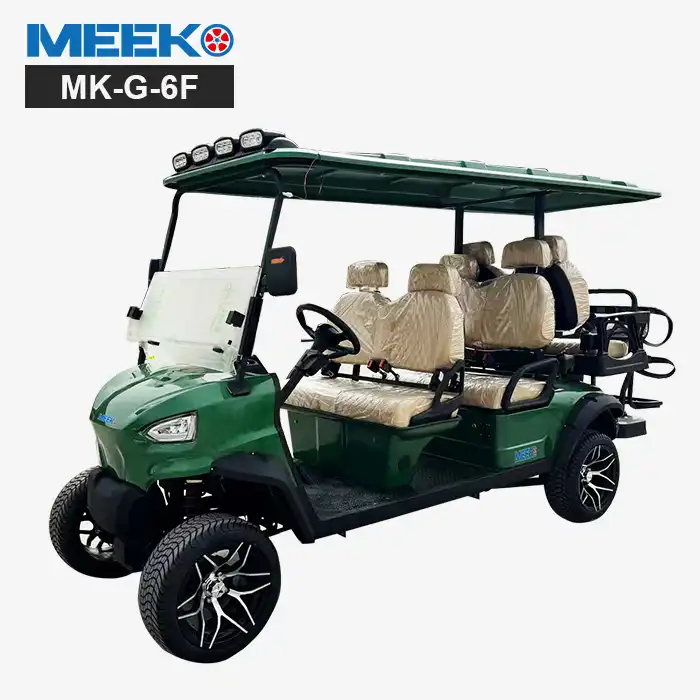
Modern agriculture demands innovative solutions, and the Farming Golf Cart has emerged as a game-changing utility vehicle for today's farmers. These versatile electric carts combine the maneuverability of traditional golf carts with the rugged durability needed for agricultural operations. From crop management to harvesting aid, these compact vehicles are revolutionizing how we approach farm efficiency and sustainable farming practices across diverse terrain.
Understanding the Evolution of Agricultural Transport
The agricultural landscape has witnessed remarkable changes over the past decade. Traditional farm equipment often proves too large or expensive for smaller operations, creating a gap that electric utility vehicles have perfectly filled. These eco-friendly transport solutions offer farmers an alternative that balances functionality with environmental responsibility. Electric carts designed for farming applications feature enhanced suspension systems, increased load capacity, and all-terrain capabilities. Unlike conventional vehicles, they operate silently, reducing stress on livestock while minimizing environmental impact. The 4WD configuration ensures reliable performance across muddy fields, steep slopes, and uneven terrain that characterizes most farming operations. The shift toward precision agriculture has made these vehicles even more valuable. Farmers can navigate between crop rows without causing damage, access remote field locations efficiently, and transport tools or personnel exactly where needed. This level of mobility transforms how agricultural operations manage their daily workflows.
Essential Farm Applications That Transform Daily Operations
-
Crop Monitoring and Field Inspection
Regular field inspection forms the backbone of successful crop management. Electric utility vehicles enable farmers to cover extensive acreage quickly while maintaining close observation of plant health, soil conditions, and potential pest issues. The quiet operation allows for detailed monitoring without disturbing wildlife or creating noise pollution in rural communities. These vehicles excel in precision agriculture applications where farmers need to collect soil samples, check irrigation systems, or document crop progress through different growth stages. The compact design allows navigation through narrow pathways between plantings, while the electric motor provides consistent power without emissions that could affect sensitive crops.
-
Livestock Management and Feed Distribution
Ranch operations benefit significantly from electric farm transport for livestock management tasks. These vehicles can carry feed, water, and veterinary supplies across large pastures while providing a safe platform for observing animal behavior and health conditions. The silent operation prevents startling livestock, making daily care routines more efficient and less stressful for both animals and handlers. Feed distribution becomes dramatically more efficient with the right utility vehicle. Farmers can load significant quantities of hay, grain, or supplements and distribute them across multiple feeding stations. The 4WD capability ensures reliable access even during wet conditions when traditional vehicles might struggle with traction.
-
Tool and Equipment Transportation
Every farming operation requires constant movement of tools, equipment, and supplies throughout the property. Electric carts provide an ideal solution for transporting everything from hand tools to irrigation components, fertilizers, and harvesting containers. The cargo bed design accommodates various load types while maintaining stability across uneven terrain. Maintenance operations become more manageable when farmers can easily transport repair tools, replacement parts, and diagnostic equipment to specific locations. Whether fixing fence lines, maintaining irrigation systems, or conducting equipment repairs in remote field locations, these vehicles serve as mobile workshops that bring necessary resources directly to the work site.
-
Harvesting and Post-Harvest Operations
Harvesting operations demand efficient movement of produce from field to storage facilities. Electric utility vehicles excel in this application, offering clean transport that won't contaminate fresh produce with exhaust emissions or fuel odors. The smooth electric operation reduces vibration that could damage delicate fruits or vegetables during transport. Small-scale farming operations particularly benefit from this application. Organic farmers, specialty crop producers, and market gardeners can harvest directly into containers mounted on the vehicle, then transport produce immediately to washing, packing, or storage areas. This streamlined process reduces handling time and maintains product quality.
-
Irrigation System Management
Modern irrigation systems require regular monitoring, adjustment, and maintenance across extensive field areas. Electric farm vehicles provide ideal platforms for irrigation technicians and farmers to access remote valve locations, check sprinkler systems, and perform routine maintenance tasks. The ability to carry tools, spare parts, and diagnostic equipment makes these vehicles indispensable for irrigation management. Water conservation efforts often require frequent system adjustments based on weather conditions, soil moisture levels, and crop requirements. Having reliable transport that can navigate muddy conditions around irrigation zones ensures farmers can make timely adjustments that optimize water usage and crop health.
-
Greenhouse and Controlled Environment Operations
Controlled environment agriculture presents unique transportation challenges where traditional vehicles are impractical. Electric utility vehicles designed for farming applications provide perfect solutions for moving plants, supplies, and equipment within large greenhouse complexes or between multiple growing structures. The zero-emission operation makes these vehicles ideal for enclosed growing environments where air quality directly affects plant health. Farmers can transport seedlings, nutrients, growing media, and harvested crops without introducing pollutants or excess heat that could disrupt carefully controlled growing conditions.
-
Property Maintenance and Infrastructure Support
Farm properties require ongoing maintenance of buildings, fences, roads, and other infrastructure elements. Electric utility vehicles serve as mobile platforms for maintenance crews, carrying tools, materials, and equipment to work locations across the property. The versatile design accommodates various attachments and accessories that expand functionality for specific maintenance tasks. Seasonal maintenance operations like fence repair, building maintenance, and road grading become more efficient when workers can easily transport everything needed for completion. The reliable 4WD performance ensures access to maintenance locations regardless of weather conditions or terrain challenges.
Advantages That Drive Agricultural Innovation
The adoption of electric utility vehicles in farming operations delivers measurable benefits that extend beyond simple transportation. Operating costs remain significantly lower than traditional gas-powered alternatives, with reduced fuel expenses and minimal maintenance requirements. Electric motors provide instant torque delivery, making these vehicles exceptionally capable in challenging terrain conditions. Environmental stewardship has become increasingly important in modern agriculture. These eco-friendly transport solutions align with sustainable farming practices while reducing the carbon footprint of daily operations. Many farming operations pursuing organic certification or participating in environmental programs find electric vehicles essential for meeting sustainability goals. The quiet operation provides unexpected advantages in wildlife management and neighbor relations. Farmers can conduct early morning or evening operations without creating noise disturbances, while the silent approach allows for better wildlife observation and management decisions. Safety features integrated into modern electric utility vehicles exceed those found in traditional farm vehicles. Enhanced visibility, improved stability, and predictable performance characteristics reduce accident risks while providing operators with confidence across diverse working conditions.
Partner with Shandong Meeko New Energy Tech Inc. for Your Agricultural Transport Needs
Choosing the right farming golf cart manufacturer can transform your agricultural operations through reliable, efficient electric transport solutions. Shandong Meeko New Energy Tech Inc. stands ready to provide customized utility vehicles that meet your specific farming requirements with our comprehensive OEM service offerings and diverse manufacturing capabilities. Our competitive pricing ensures you receive exceptional value without compromising quality or performance. We maintain extensive inventory levels that enable fast delivery, typically within one week of order confirmation. This rapid response time means your agricultural operations won't experience extended downtime waiting for essential equipment. The after-sale support we provide includes maintaining comprehensive parts and accessory inventories for popular vehicle models. When warranty issues arise or routine maintenance becomes necessary, we ship required components quickly to minimize operational disruptions.
As an established farming golf cart supplier, we understand the unique demands agricultural operations place on utility vehicles. Our engineering team works closely with farmers to develop solutions that address real-world challenges while providing long-term reliability and performance. Ready to revolutionize your farm's transportation efficiency? Contact us at sales@mingkomach.com to discuss your specific agricultural transport needs and discover how our electric utility vehicles can enhance your farming operations.
Conclusion
The agricultural industry continues evolving toward more efficient, sustainable practices, and electric utility vehicles represent a crucial component of this transformation. These versatile machines offer farmers practical solutions for crop management, livestock care, equipment transport, and property maintenance while supporting environmental stewardship goals.
The seven core applications outlined demonstrate how farming golf cart technology addresses real operational challenges across diverse agricultural settings. From small specialty farms to larger commercial operations, these vehicles provide the mobility, efficiency, and reliability modern farming demands. Investment in quality electric utility vehicles delivers long-term value through reduced operating costs, enhanced productivity, and improved environmental performance.
Frequently Asked Questions
Q1: How long do electric farming golf cart batteries typically last during field work?
A: Most quality electric utility vehicles provide 6-8 hours of continuous operation under normal farming conditions. Battery life depends on terrain difficulty, load weight, and specific usage patterns. Many farmers find this duration sufficient for full-day operations with proper planning.
Q2: Can these vehicles handle steep terrain and muddy field conditions?
A: Yes, 4WD electric utility vehicles are specifically designed for challenging agricultural terrain. They feature enhanced traction control, ground clearance, and specialized tires that provide reliable performance in muddy, steep, or uneven field conditions common in farming operations.
Q3: What maintenance requirements do electric farming vehicles have compared to gas-powered alternatives?
A: Electric vehicles require significantly less maintenance than gas-powered alternatives. Regular maintenance includes battery care, tire rotation, and basic cleaning. There are no oil changes, spark plug replacements, or engine tune-ups required, resulting in lower long-term maintenance costs and reduced downtime.
References
1. Agricultural Equipment Manufacturing Association. "Electric Vehicle Adoption in Modern Farming Operations." Journal of Agricultural Innovation, 2024.
2. Johnson, M.R. "Sustainable Transport Solutions for Small-Scale Agriculture." International Farming Technology Review, 2024.
3. Thompson, K.L. "Cost-Benefit Analysis of Electric Utility Vehicles in Agricultural Settings." Farm Management Quarterly, 2023.
4. Davis, P.J. "Environmental Impact Assessment of Electric Farm Vehicles." Journal of Sustainable Agriculture, 2024.
5. Wilson, S.A. "Precision Agriculture and Mobile Platform Integration." Agricultural Technology Today, 2024.
6. Brown, L.M. "Livestock Management Efficiency Through Electric Vehicle Implementation." Ranch Operations Review, 2023.
Learn about our latest products and discounts through SMS or email