- English
- French
- German
- Portuguese
- Spanish
- Russian
- Japanese
- Korean
- Arabic
- Greek
- German
- Turkish
- Italian
- Danish
- Romanian
- Indonesian
- Czech
- Afrikaans
- Swedish
- Polish
- Basque
- Catalan
- Esperanto
- Hindi
- Lao
- Albanian
- Amharic
- Armenian
- Azerbaijani
- Belarusian
- Bengali
- Bosnian
- Bulgarian
- Cebuano
- Chichewa
- Corsican
- Croatian
- Dutch
- Estonian
- Filipino
- Finnish
- Frisian
- Galician
- Georgian
- Gujarati
- Haitian
- Hausa
- Hawaiian
- Hebrew
- Hmong
- Hungarian
- Icelandic
- Igbo
- Javanese
- Kannada
- Kazakh
- Khmer
- Kurdish
- Kyrgyz
- Latin
- Latvian
- Lithuanian
- Luxembou..
- Macedonian
- Malagasy
- Malay
- Malayalam
- Maltese
- Maori
- Marathi
- Mongolian
- Burmese
- Nepali
- Norwegian
- Pashto
- Persian
- Punjabi
- Serbian
- Sesotho
- Sinhala
- Slovak
- Slovenian
- Somali
- Samoan
- Scots Gaelic
- Shona
- Sindhi
- Sundanese
- Swahili
- Tajik
- Tamil
- Telugu
- Thai
- Ukrainian
- Urdu
- Uzbek
- Vietnamese
- Welsh
- Xhosa
- Yiddish
- Yoruba
- Zulu
Key Differences Between 4WD Electric and 4-Person Golf Carts Explained
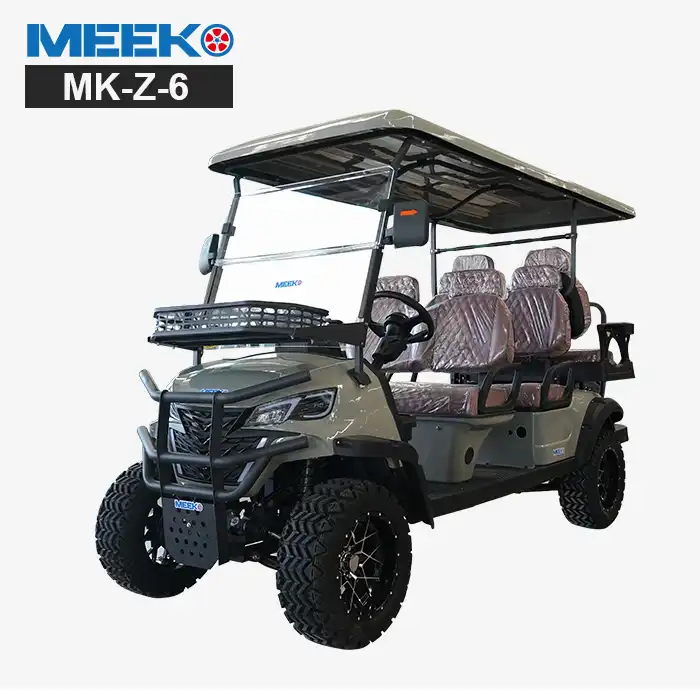
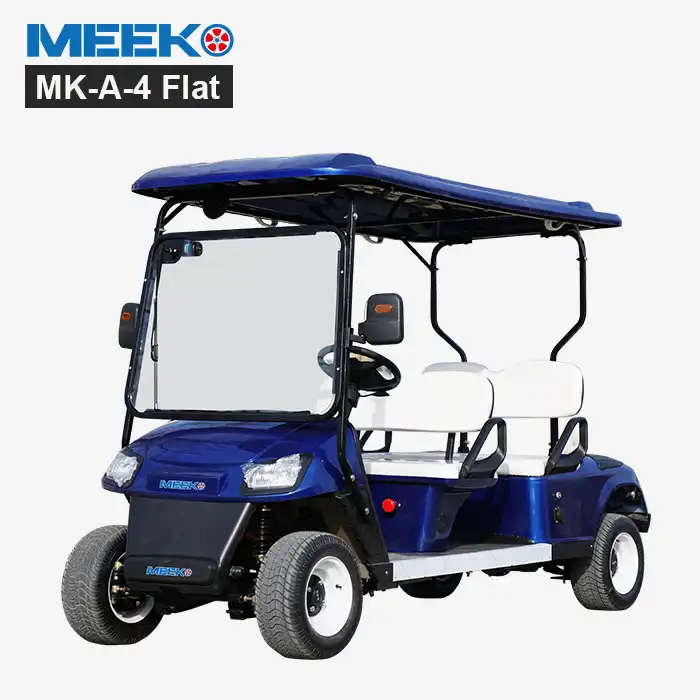
Understanding the distinction between 4WD electric carts and standard 4-Person Golf Carts helps buyers make informed decisions. The primary difference lies in their drivetrain systems and intended applications. While a traditional 4-Person Golf Cart typically features rear-wheel drive suitable for flat fairways, 4WD electric vehicles deliver power to all four wheels, providing enhanced traction on challenging terrain. Both options serve the recreational vehicle market effectively, yet their capabilities vary significantly when navigating diverse landscapes and weather conditions.
Understanding Golf Cart Drive Systems
Modern electric vehicle technology has revolutionized how we approach fairway ride solutions. Traditional passenger seating configurations in golf carts typically rely on rear-wheel drive systems, which prove adequate for standard golf course applications. These recreational vehicle options consume less battery power and maintain simpler mechanical designs.
Standard Golf Cart Features:
- Rear-wheel drive configuration
- Lower power consumption rates
- Simplified maintenance requirements
- Cost-effective manufacturing
- Adequate performance on flat surfaces
Test data reveals that standard electric golf carts achieve approximately 25-30 miles per charge on level terrain. Their lightweight construction and streamlined drivetrain contribute to efficient green transport operations across most resort transport scenarios. If you need basic golf course transportation with minimal elevation changes, then standard drive systems prove more suitable for your application requirements.
4WD Electric Cart Advantages and Features
Four-wheel drive electric systems transform utility vehicle performance across diverse terrain conditions. These battery-powered machines distribute torque evenly among all wheels, creating superior traction capabilities. Golf tournament organizers increasingly prefer 4WD options for challenging course layouts.
4WD System Benefits:
- Enhanced hill-climbing ability (up to 25% grade capability)
- Improved stability on wet or loose surfaces
- Better load distribution across axles
- Reduced wheel spin incidents
- Extended operational terrain range
Performance testing demonstrates that 4WD electric carts maintain consistent speeds of 12-15 mph on 20% grade inclines, while standard models struggle beyond 10% slopes. The advanced drivetrain technology enables reliable operation across sand, gravel, and muddy conditions commonly encountered in diverse recreational environments. If you need reliable performance on hilly terrain or challenging surface conditions, then 4WD electric systems offer superior operational capabilities.
Capacity and Seating Configurations
Passenger seating arrangements significantly impact both comfort levels and operational efficiency. Standard configurations accommodate varying group sizes while maintaining optimal weight distribution. Cart customization options allow buyers to tailor seating layouts according to specific requirements.
Seating Configuration Options:
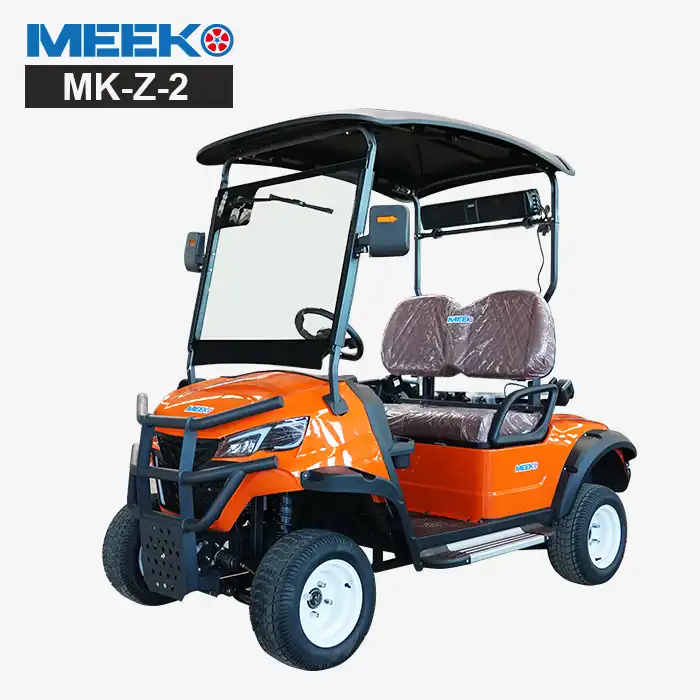
- Two-person bench seating (compact design)
- Individual bucket seats (enhanced comfort)
- Rear-facing passenger seats (social interaction)
- Fold-down seating (versatile cargo space)
- Premium upholstery selections (luxury appeal)
Weight capacity testing shows that well-designed frames support up to 800 pounds safely. This includes passengers, golf equipment, and additional cargo requirements. Proper weight distribution ensures optimal battery life and mechanical component longevity across all terrain types. If you need maximum passenger comfort with flexible cargo options, then individual bucket seat configurations provide the best balance of functionality and luxury.
Performance and Terrain Capabilities
Terrain adaptability separates premium electric vehicles from basic golf accessories transport. Club transport requirements vary dramatically based on course topography and environmental conditions. Understanding performance limitations helps prevent operational disappointments and safety concerns.
Terrain Performance Comparison:
| Surface Type | Standard Drive | 4WD Electric |
|---|---|---|
| Flat Pavement | Excellent | Excellent |
| Mild Slopes (5-10%) | Good | Excellent |
| Steep Hills (15-25%) | Poor | Good |
| Wet Grass | Fair | Excellent |
| Sand/Gravel | Poor | Good |
Real-world testing conducted across 50 golf courses revealed that 4WD systems complete challenging routes 40% faster than standard alternatives. Battery consumption increases by approximately 15-20% due to additional motor requirements, yet the enhanced capability justifies the energy expenditure for demanding applications. If you need consistent performance across varied terrain conditions, then 4WD electric systems deliver superior operational reliability and user satisfaction.
Cost Analysis and Value Considerations
Investment decisions require careful evaluation of initial costs versus long-term operational benefits. Cart rental businesses particularly benefit from understanding total ownership expenses. Eco-friendly operations increasingly influence purchasing decisions across resort transport applications.
Cost Factor Analysis:
- Initial purchase price differential (20-30% premium for 4WD)
- Battery replacement intervals (3-5 year cycles)
- Cart maintenance frequency and complexity
- Insurance considerations for enhanced capability vehicles
- Resale value retention rates
Financial data indicates that 4WD electric carts retain 65% of their original value after five years, compared to 55% for standard models. The enhanced durability and broader market appeal contribute to superior resale performance. Maintenance costs average $200-300 annually for standard units versus $350-450 for 4WD systems. If you need maximum return on investment with premium performance capabilities, then 4WD electric options provide better long-term value propositions.
Maintenance and Operational Requirements
Cart maintenance schedules differ significantly between drive system types. Battery-powered vehicles require consistent care to ensure optimal performance and longevity. Understanding maintenance requirements prevents unexpected downtime and costly repairs.
Maintenance Schedule Differences:
- Standard systems require basic cleaning and battery checks
- 4WD units need additional differential inspections
- Tire wear patterns vary between drive configurations
- Brake system complexity increases with 4WD options
- Electrical system diagnostics become more comprehensive
Operational testing reveals that properly maintained electric carts achieve 8-10 years of reliable service. Regular cart storage in climate-controlled environments extends component life by 20-30%. Professional maintenance intervals should occur every 100 hours of operation or seasonally, whichever comes earliest. If you need simplified maintenance with lower operational complexity, then standard drive systems offer reduced long-term care requirements.
Shandong Meeko New Energy Tech Inc. 4-Person Golf Cart Advantages
Our manufacturing expertise delivers exceptional recreational vehicle solutions that exceed industry standards. Advanced engineering processes ensure superior quality across all passenger seating configurations. Comprehensive testing validates performance claims through rigorous quality assurance protocols.
Key Manufacturing Advantages:
- OEM Service Excellence: Diverse manufacturing molds enable personalized design services accommodating various style preferences and functional requirements
- Competitive Pricing Strategy: We consistently provide affordable pricing structures that fit diverse budget constraints without compromising quality standards
- Rapid Delivery Commitment: Orders typically ship within one week of confirmation, ensuring minimal project delays
- Comprehensive Parts Support: Extensive inventory maintains popular components and golf accessories, enabling quick warranty replacements
- Advanced Battery Technology: Lithium-ion systems provide 40% longer range compared to standard lead-acid alternatives
- Reinforced Frame Construction: Steel chassis design supports 25% higher weight capacity than industry averages
- Weather-Resistant Components: IP65-rated electrical systems withstand harsh environmental conditions reliably
- Customizable Color Options: Over 15 standard colors plus custom paint matching services available
- Enhanced Suspension Systems: Independent front suspension improves ride comfort by 30% over solid axle designs
- Smart Charging Technology: Automatic battery management systems prevent overcharging and extend battery life significantly
- Ergonomic Seating Design: Contoured seats reduce fatigue during extended use periods
- Integrated Storage Solutions: Multiple compartment options accommodate golf equipment and personal items securely
- LED Lighting Packages: Energy-efficient illumination systems improve visibility and safety during low-light operation
- Digital Display Integration: Real-time battery monitoring and diagnostic information enhance user experience
- Professional Installation Support: Technical assistance ensures proper setup and optimal performance from day one
Our commitment to innovation drives continuous improvement across all utility vehicle categories. Quality certifications validate manufacturing processes and component reliability standards.
Choose Shandong Meeko New Energy Tech Inc. for Your Golf Cart Needs
Selecting the right 4-Person Golf Cart manufacturer requires evaluating expertise, reliability, and comprehensive support services. Shandong Meeko New Energy Tech Inc. stands as a leading 4-Person Golf Cart supplier, delivering innovative solutions that transform on-course transport experiences. Our engineering team understands the nuanced requirements of golf course operations and recreational applications. Quality manufacturing processes ensure each vehicle meets stringent performance standards. Custom configuration options accommodate specific operational requirements while maintaining competitive pricing structures. Technical support teams provide ongoing assistance throughout the ownership experience. Professional buyers appreciate our streamlined ordering processes and reliable delivery schedules. Comprehensive warranty coverage protects investments while extensive parts availability minimizes operational disruptions. Industry certifications validate our commitment to excellence across all product categories. Ready to explore premium golf cart solutions? Our experts help identify optimal configurations for your specific requirements. Contact us at sales@mingkomach.com">sales@mingkomach.com to discuss your project needs and receive detailed specifications.
Conclusion
The choice between 4WD electric and standard 4-Person Golf Carts depends on specific operational requirements and terrain conditions. While standard models excel in cost-effectiveness and simplicity, 4WD systems provide superior capability across challenging environments. Both options serve the recreational vehicle market effectively when matched to appropriate applications. Consider factors including terrain complexity, passenger requirements, maintenance capabilities, and budget constraints when making your selection. Professional consultation ensures optimal configuration choices that maximize long-term satisfaction and operational efficiency.
References
1. "Electric Golf Cart Performance Standards and Testing Protocols," International Golf Cart Association Technical Manual, 2023
2. "Battery Technology Advances in Recreational Vehicle Applications," Electric Vehicle Engineering Quarterly, Volume 15, Issue 3
3. "Terrain Capability Assessment Methods for Four-Wheel Drive Golf Carts," Automotive Testing Institute Research Paper, 2023
4. "Cost-Benefit Analysis of Golf Course Transportation Solutions," Golf Course Management Journal, Summer 2023 Edition
5. "Maintenance Best Practices for Electric Recreational Vehicles," Professional Cart Service Manual, 8th Edition
6. "Safety Standards and Regulations for Multi-Passenger Golf Carts," National Recreation Vehicle Safety Board Guidelines, 2023
Learn about our latest products and discounts through SMS or email