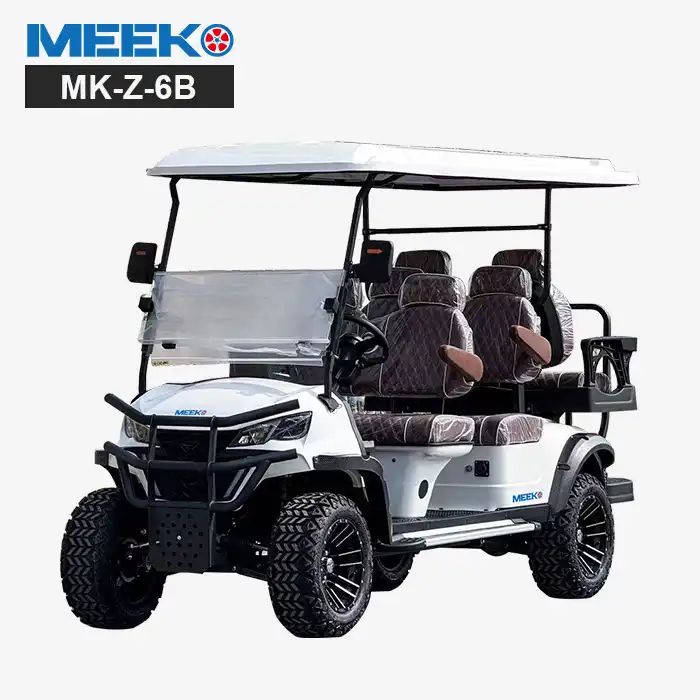
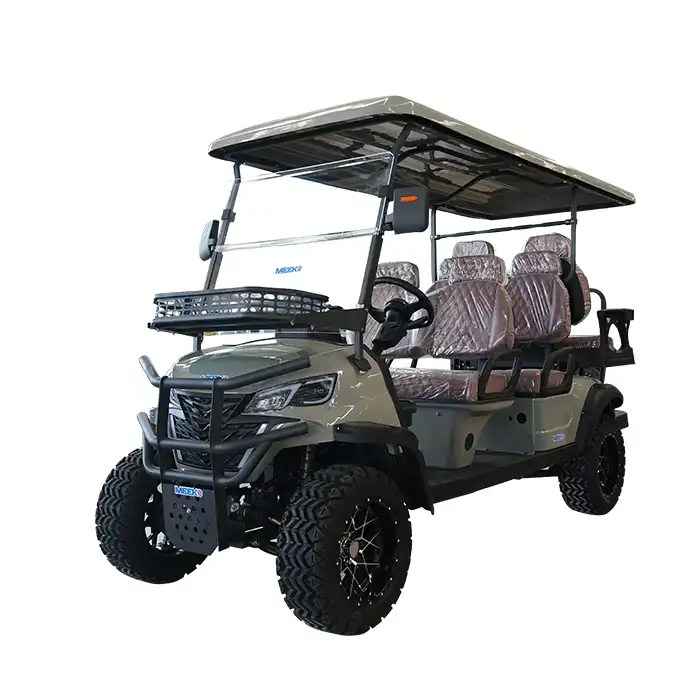
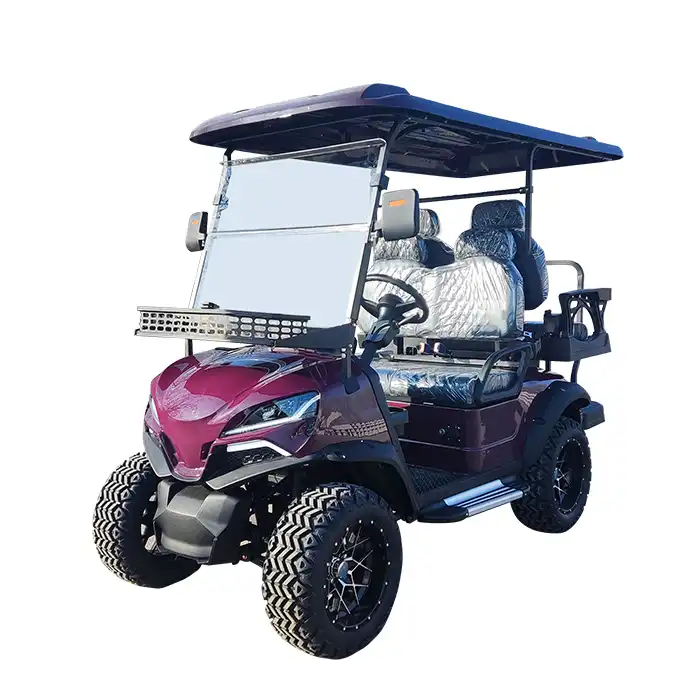
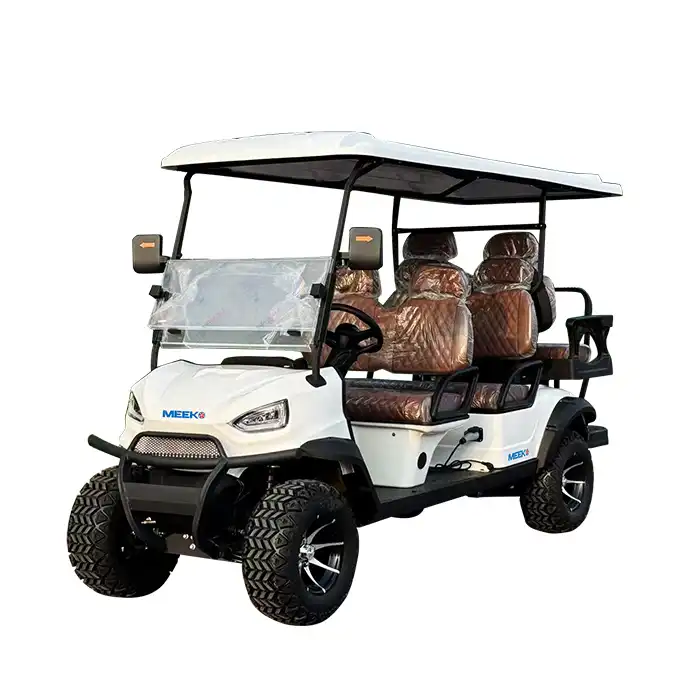
The legalization of electric golf carts for sale in metropolitan areas marks a significant shift in short-distance transportation. These adaptable vehicles have progressed beyond golf courses to become realistic solutions for urban areas, retirement communities, and business districts. Urban planners and people are becoming aware of their potential to minimize traffic congestion while providing environmentally sustainable mobility options. The increasing demand is due to their capacity to handle tiny streets, provide zero-emission transportation, and provide cost-effective alternatives to standard vehicles for short excursions within communities.
Understanding Street Legal Electric Golf Carts
Electric golf carts that are street legal must adhere to certain legal standards that varies depending on the jurisdiction. Essential safety features including headlights, taillights, turn signals, mirrors, seat belts, and windshields are usually included in these cars. The majority of regulations mandate that these carts only travel on roadways with posted speed restrictions of 35 mph or less and maintain speeds between 20 and 25 mph. The improved safety features and compliance certifications of street-legal golf carts set them apart from regular golf carts. In order to satisfy Department of Transportation requirements, street legal models must pass stringent testing to guarantee that they offer sufficient protection for people while sharing roads with other vehicles. In urban environments, where greater range allows inhabitants to run daily errands without experiencing range anxiety, battery capacity becomes critical. Neighborhood Electric Vehicles (NEVs) represent a subset of street legal carts with additional features like doors, windows, and higher speed capabilities. Understanding these classifications helps buyers select appropriate vehicles that meet their specific urban mobility needs while maintaining full legal compliance.
Market Trends and Benefits Driving Growth in Urban Communities
Urban communities embrace electric golf carts for numerous compelling reasons that address modern transportation challenges. Environmental consciousness drives significant adoption, as these vehicles produce zero direct emissions and operate quietly, reducing noise pollution in residential areas. Rising fuel costs make electric alternatives increasingly attractive, especially for short-distance travel where traditional vehicles prove inefficient. The demographic shift toward retirement communities accelerates demand for accessible transportation options. Aging populations appreciate the ease of entry, simple operation, and comfortable seating that electric golf carts provide. Property managers in gated communities, resort areas, and large campuses recognize their value for maintenance operations and guest transportation services. Economic factors contribute substantially to market growth. Electric golf carts cost significantly less than conventional vehicles to purchase and maintain. Insurance premiums remain minimal, and electricity costs for charging prove negligible compared to gasoline expenses. These financial advantages appeal to budget-conscious consumers and businesses seeking cost-effective fleet solutions. Government incentives for electric vehicle adoption often include rebates and tax credits for qualifying electric golf carts. Many municipalities encourage their use through dedicated parking spaces and reduced registration fees, recognizing their contribution to sustainable urban transportation goals.
How to Choose the Best Street Legal Electric Golf Cart for Your Business?
Selecting appropriate street legal electric carts requires careful evaluation of multiple factors that impact performance and operational efficiency. Battery technology stands as the primary consideration, with lithium-ion systems offering superior range, faster charging, and longer lifespan compared to traditional lead-acid alternatives. Capacity requirements depend on intended usage patterns, terrain characteristics, and daily mileage expectations. Vehicle configuration significantly affects utility and comfort. Two-seat models work well for personal transportation, while four or six-seat options accommodate larger families or commercial passenger services. Cargo capabilities become important for delivery services or maintenance operations, with some models offering rear beds or cargo boxes for equipment transport.
Several factors distinguish quality manufacturers in this competitive market:
- Build Quality and Durability: Premium manufacturers use robust chassis construction, weather-resistant materials, and proven drivetrain components that withstand daily urban use. Quality construction ensures reliable operation across various weather conditions and terrain types.
- Customization Options: Leading suppliers offer extensive customization possibilities including color schemes, seating configurations, battery upgrades, and accessory packages that match specific operational requirements and aesthetic preferences.
- Warranty Coverage: Comprehensive warranty programs demonstrate manufacturer confidence in product reliability while protecting buyer investments through parts and labor coverage for extended periods.
- Service Network: Established service networks with readily available parts ensure minimal downtime and convenient maintenance access, crucial for commercial operations dependent on vehicle availability.
These characteristics help buyers identify suppliers capable of delivering reliable, long-term transportation solutions. Price considerations should balance initial investment against total ownership costs, including maintenance, battery replacement, and operational efficiency over the vehicle's lifespan.
Maintenance and Operational Best Practices for Street Legal Electric Golf Carts
Proper maintenance protocols extend vehicle lifespan while ensuring optimal performance in urban environments. Battery care forms the foundation of electric golf cart maintenance, requiring regular charging schedules and proper storage practices. Lithium batteries perform best with partial charge cycles rather than complete discharge, while lead-acid systems benefit from full charging after each use. Regular inspections should cover brake systems, tire pressure, steering components, and electrical connections. Urban driving conditions with frequent stops and starts place additional demands on brake systems, necessitating more frequent pad replacements compared to golf course applications. Tire maintenance becomes critical as pavement surfaces cause faster wear than grass conditions. Driver training programs enhance safety and vehicle longevity by educating operators about proper acceleration techniques, traffic laws, and emergency procedures. Understanding local regulations prevents citations and ensures responsible operation within community guidelines. Successful fleet implementations demonstrate significant operational benefits. Resort properties report reduced maintenance vehicle costs while improving guest satisfaction through convenient transportation options. Retirement communities experience enhanced resident mobility and independence, reducing demand for traditional shuttle services while maintaining accessibility.
Why Choose Meeko for Your Street Legal Electric Golf Cart Needs?
Meeko stands as a trusted electric golf carts for sale street legal manufacturer, delivering exceptional value through comprehensive customization capabilities and competitive pricing structures. Our manufacturing expertise spans over eight years, during which we've developed advanced production techniques that ensure consistent quality while maintaining affordability for diverse customer requirements. Our OEM services accommodate unique specifications through diverse manufacturing molds that enable personalized design options. Whether you require specific color schemes, enhanced seating configurations, upgraded battery systems, or specialized cargo solutions, our engineering team collaborates closely with clients to create vehicles that perfectly match operational needs and aesthetic preferences.
Delivery efficiency sets us apart in the competitive marketplace. Once orders are confirmed, we typically complete manufacturing and shipping within one week, minimizing wait times that can disrupt business operations or delay project timelines. This rapid turnaround capability proves especially valuable for dealers and fleet operators managing seasonal demand fluctuations. Our comprehensive after-sales support includes maintaining extensive parts inventories for popular models, ensuring quick resolution of warranty claims and maintenance requirements. This commitment to ongoing customer satisfaction extends beyond initial purchase to support long-term operational success.
Business customers seeking reliable electric golf carts for sale street legal supplier partnerships will find value in our flexible procurement options and volume pricing structures. Contact us at sales@mingkomach.com to discuss your specific requirements and explore customized solutions that deliver both immediate value and long-term operational benefits. Visit meekocars.com for detailed product specifications and additional information about our comprehensive electric vehicle offerings.
Frequently Asked Questions
Q1: What makes an electric golf cart street legal?
A: street legal electric golf carts must include specific safety equipment such as headlights, taillights, turn signals, mirrors, seat belts, and windshields. They must also meet speed requirements (typically 20-25 mph maximum) and comply with local registration and insurance requirements. Many jurisdictions require DOT compliance certification and restrict operation to roads with posted speed limits of 35 mph or lower.
Q2: How much do street legal electric golf carts typically cost?
A: Prices for street legal electric golf carts range from $8,000 to $15,000 for new models, depending on features, battery type, and customization options. Lithium battery systems add $2,000-$4,000 to base prices but offer superior performance and longevity. Used models start around $4,000-$6,000, while refurbished units with warranties fall between these price ranges.
Q3: What is the typical range and charging time for electric golf carts?
A: Most electric golf carts achieve 25-40 miles per charge under normal conditions, with lithium battery systems often exceeding 50 miles. Charging times vary by battery type: lithium systems typically require 4-6 hours for full charging, while lead-acid batteries need 8-12 hours. Range depends on factors including terrain, passenger load, weather conditions, and driving habits.
Conclusion
The growth trajectory for street legal electric golf carts in urban communities reflects broader trends toward sustainable transportation and practical mobility solutions. These versatile vehicles address multiple urban challenges including traffic congestion, environmental concerns, and accessibility needs while delivering economic advantages through reduced operational costs. Success depends on selecting appropriate models that meet regulatory requirements and operational demands while partnering with reliable manufacturers who provide comprehensive support services. As urban communities continue embracing alternative transportation options, electric golf carts will play an increasingly important role in creating more livable, sustainable neighborhoods that prioritize both convenience and environmental responsibility.
References
1. National Highway Traffic Safety Administration. "Low Speed Vehicle Regulations and Compliance Standards." Federal Motor Vehicle Safety Standards, 2023.
2. Electric Vehicle Association. "Neighborhood Electric Vehicle Market Analysis and Growth Projections." Annual Industry Report, 2023.
3. Urban Planning Institute. "Alternative Transportation Solutions in Planned Communities." Journal of Sustainable Urban Development, Vol. 45, 2023.
4. International Association of Golf Car Manufacturers. "Industry Standards and Best Practices for Street Legal Electric Vehicles." Technical Guidelines Publication, 2023.
5. Department of Energy. "Electric Vehicle Battery Technology Advancement and Market Trends." Energy Efficiency and Renewable Energy Report, 2023.
6. American Planning Association. "Integrating Low Speed Electric Vehicles in Community Transportation Networks." Planning Practice Guidelines, 2023.