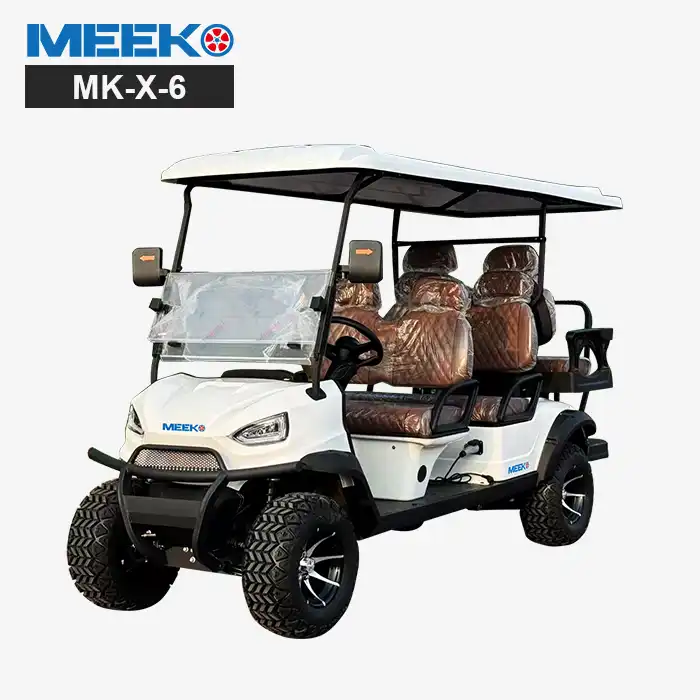
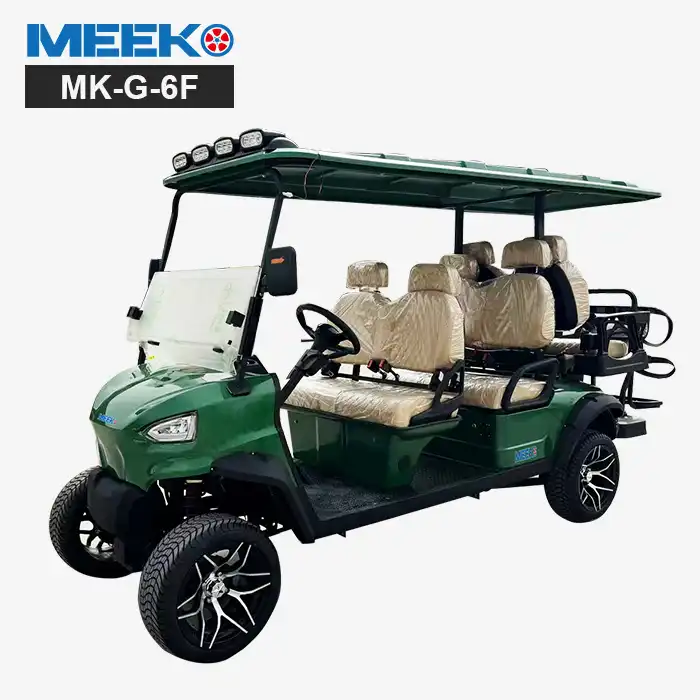
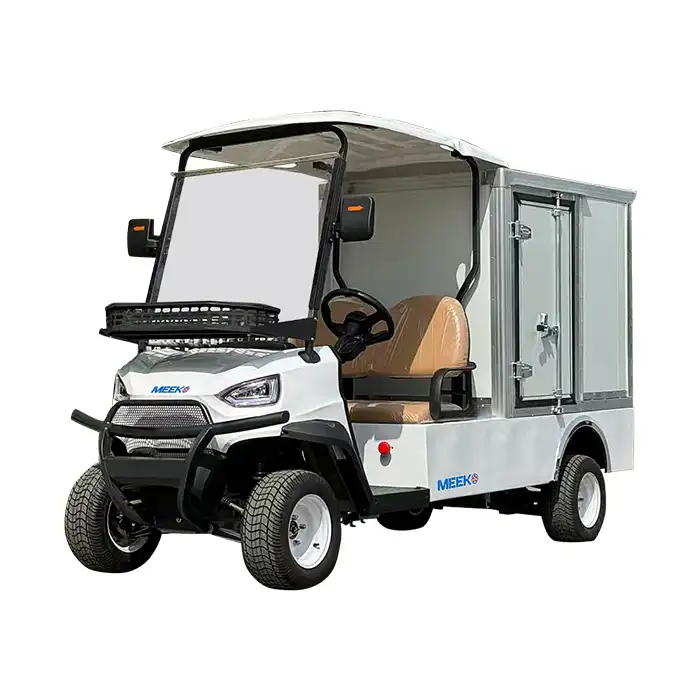
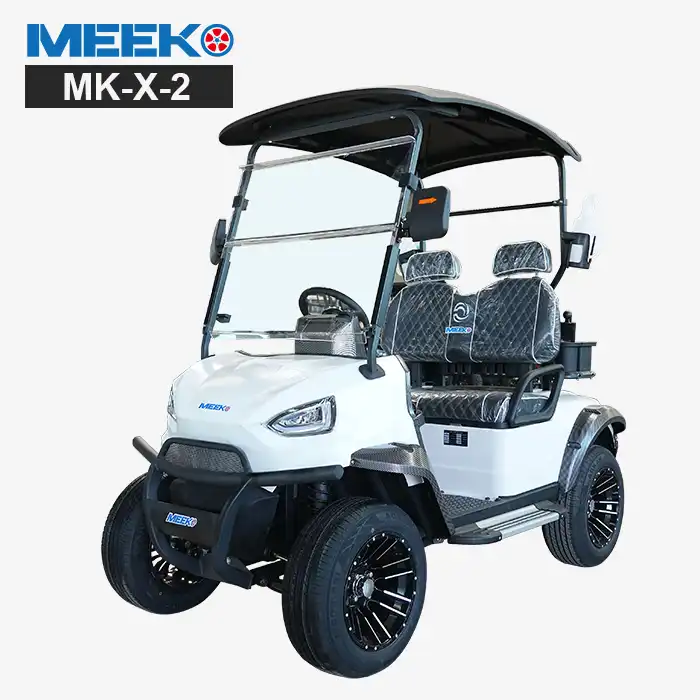
Purchasing an OEM bespoke golf buggy requires a number of calculated steps to guarantee the best possible returns on your investment. The first step in the procedure is to identify your unique operational demands. Next, you must choose a manufacturer who is qualified and aware of your customisation requirements. Prior to delivery, you will work together on design parameters, approve prototypes, and complete production details. From the first consultation to post-delivery support, a dependable OEM partner like Meeko manages everything, ensuring a flawless experience. Procurement managers can make well-informed decisions that support both operational objectives and financial limits by being aware of each step. This all-inclusive method guarantees that your personalized golf buggy satisfies precise requirements while upholding quality standards during the production process.
Understanding the OEM Custom Golf Buggy Market and Its Benefits
The electric vehicle market has experienced remarkable growth, with golf cart sales reaching $1.8 billion globally in 2023. OEM customization represents a significant portion of this market, driven by businesses seeking specialized transportation solutions that reflect their brand identity and operational requirements. custom golf carts offer distinct advantages over standard models through their ability to accommodate specific performance parameters, aesthetic preferences, and functional enhancements. Businesses investing in customized electric golf carts gain access to tailored battery configurations, specialized seating arrangements, and branded exterior designs that enhance their professional image. The environmental benefits of electric golf vehicles have become increasingly important for organizations committed to sustainability initiatives. These eco-friendly alternatives produce zero emissions during operation, reduce noise pollution, and offer lower operational costs compared to traditional gas-powered alternatives. Modern battery technology provides extended range capabilities, with lithium-ion systems delivering up to 50 miles per charge under optimal conditions. Market trends indicate growing demand for smart features integration, including GPS tracking, mobile connectivity, and advanced safety systems. These technological enhancements improve operational efficiency while providing valuable data insights for fleet management applications.
Step 1: Defining Your Requirements and Customization Goals
Successful OEM procurement begins with comprehensive requirement analysis that considers both immediate needs and future expansion possibilities. This foundational step prevents costly modifications later in the process and ensures your investment delivers long-term value. Operational environment assessment plays a crucial role in determining appropriate specifications. Golf courses require different features compared to industrial facilities, resorts, or residential communities. Terrain considerations influence wheel selection, suspension systems, and motor power requirements. Weather exposure determines necessary protective features and material specifications. Capacity planning involves evaluating passenger requirements, cargo space needs, and weight distribution considerations. Standard configurations accommodate two to eight passengers, while specialized models can handle unique payload requirements. Load capacity directly impacts battery selection and overall performance characteristics.
The following core specifications require careful consideration during the planning phase:
- Battery Technology Selection: Lithium-ion batteries offer superior performance and longevity compared to traditional lead-acid alternatives. They provide consistent power delivery, faster charging capabilities, and reduced maintenance requirements. The investment premium typically pays for itself through lower operational costs and extended service life.
- Performance Parameters: Speed requirements, hill-climbing capability, and range specifications directly influence motor selection and battery configuration. Most commercial applications require speeds between 15-25 mph with sufficient torque for various terrain conditions.
- Safety and Compliance Features: Regulatory compliance varies by application and location. Standard safety features include seat belts, headlights, turn signals, and backup alarms. Additional safety options encompass speed limiters, enhanced braking systems, and visibility enhancements.
These technical considerations form the foundation for meaningful discussions with potential OEM partners and ensure accurate quotation comparisons.
Step 2: Selecting the Right OEM Manufacturer or Supplier
Manufacturer selection significantly impacts project success, product quality, and long-term satisfaction. Thorough evaluation of potential partners prevents future complications and ensures reliable production delivery. Industry experience and manufacturing capabilities represent primary evaluation criteria. Established manufacturers demonstrate proven track records through existing customer relationships, quality certifications, and production capacity. ISO 9001 certification indicates commitment to quality management systems, while industry-specific certifications demonstrate specialized expertise. Production capacity assessment helps determine whether manufacturers can meet your delivery timeline and volume requirements. Companies with dedicated OEM divisions typically offer better customization support and project management resources compared to those treating custom orders as exceptions. Quality assurance processes vary significantly among manufacturers. Leading OEM suppliers implement comprehensive testing protocols that evaluate electrical systems, mechanical components, and safety features before shipment. Documentation of testing procedures and quality control measures provides insight into manufacturer reliability. Technical support capabilities become crucial during customization phases and throughout the product lifecycle. Manufacturers with experienced engineering teams can provide valuable design guidance, suggest performance optimizations, and troubleshoot potential issues before they impact production schedules. Financial stability and business reputation influence long-term partnership viability. Established companies with solid financial foundations provide greater assurance for warranty support, parts availability, and ongoing service commitments. References from existing customers offer valuable insights into actual performance versus marketing claims.
Step 3: Customization Process - From Design to Final Approval
The customization journey transforms conceptual requirements into tangible specifications through collaborative design development. This iterative process ensures final products meet exact expectations while maintaining manufacturing feasibility and cost effectiveness. Design consultation begins with translating operational requirements into technical specifications. Experienced OEM partners contribute valuable expertise regarding component compatibility, performance optimization, and cost-benefit analysis of various customization options. This collaborative approach often reveals opportunities for enhanced functionality or cost savings not initially considered. Visual design development encompasses exterior aesthetics, color schemes, and branding integration. Modern manufacturing techniques enable sophisticated graphics application, custom paint schemes, and branded accessories that enhance professional appearance. Interior customization options include seating materials, dashboard configurations, and storage solutions tailored to specific applications. Technical specification finalization involves detailed component selection and performance parameter confirmation. Battery specifications, motor configurations, and electrical system designs require precise documentation to ensure manufacturing accuracy. This documentation serves as the foundation for quality control throughout production. Prototype development and testing phases allow performance verification before full production commitment. Sample units enable hands-on evaluation of design decisions, performance characteristics, and overall satisfaction with customization choices. This validation step prevents costly modifications after production begins. Approval processes typically involve multiple stakeholders reviewing design documentation, prototype performance, and final specifications. Clear approval workflows prevent delays and ensure all parties understand their responsibilities throughout production and delivery phases.
Step 4: Managing Delivery, Installation, and Maintenance
Effective logistics management ensures smooth transition from manufacturing completion to operational deployment. Proper planning during this phase prevents delays and facilitates rapid integration into existing operations. Delivery coordination involves transportation method selection, scheduling optimization, and customs clearance for international shipments. Bulk orders require specialized shipping arrangements that protect vehicles during transit while maintaining cost effectiveness. Professional OEM suppliers provide comprehensive logistics support including documentation preparation and delivery tracking. Installation support varies depending on customization complexity and operational requirements. Basic configurations typically require minimal setup, while advanced features may need professional installation and system integration. Training programs help operators understand vehicle capabilities, safety procedures, and basic maintenance requirements. Maintenance planning extends vehicle lifespan and protects investment value through proper care and component replacement schedules. Electric golf vehicles require different maintenance approaches compared to gas-powered alternatives, with focus on battery care, electrical connections, and tire maintenance.
The following maintenance considerations ensure optimal performance and longevity:
- Battery Management Systems: Proper charging protocols, storage procedures, and monitoring practices significantly impact battery performance and lifespan. Modern lithium systems include built-in management features that optimize charging cycles and prevent damage from overcharging or deep discharge conditions.
- Scheduled Maintenance Programs: Regular inspection schedules identify potential issues before they cause operational disruptions. Professional maintenance programs typically include electrical system checks, mechanical component lubrication, and safety feature verification.
- Parts and Accessories Availability: Reliable access to replacement components ensures minimal downtime during maintenance or repair situations. Established OEM suppliers maintain comprehensive parts inventories and provide technical support for maintenance teams.
These maintenance practices maximize return on investment while ensuring safe, reliable operation throughout the vehicle's service life.
Why Choose Meeko for Your Custom Golf Buggy Needs
Meeko stands out in the competitive OEM marketplace through comprehensive customization capabilities, competitive pricing structures, and exceptional customer service standards. Our manufacturing facility in Shandong, China operates with advanced production technologies and quality control systems that ensure consistent product excellence. Our diverse manufacturing capabilities enable extensive personalization options across all vehicle aspects. From battery selection and motor configuration to exterior design and interior features, we accommodate virtually any customization requirement. This flexibility stems from our investment in multiple production molds and specialized manufacturing equipment designed specifically for custom applications. Cost effectiveness represents a core advantage of working directly with our manufacturing facility. By eliminating middleman markups, we provide substantial savings compared to traditional distribution channels while maintaining superior quality standards. Our pricing structure remains transparent and competitive, enabling accurate budget planning throughout the procurement process. Delivery efficiency sets us apart from competitors through streamlined production processes and dedicated logistics support. Once orders receive final approval, we typically complete production and shipping within one week. This rapid turnaround minimizes project delays and accelerates return on investment for our customers. Comprehensive after-sales support ensures long-term satisfaction through extensive parts inventory, technical assistance, and warranty coverage. Our commitment extends beyond initial delivery to include ongoing support for maintenance, repairs, and upgrades throughout the vehicle's operational life. As a leading custom golf buggy supplier, we welcome partnerships with distributors, fleet operators, and individual buyers seeking reliable, customized transportation solutions. Our experienced team provides expert guidance throughout the entire procurement process, from initial consultation through post-delivery support.
Frequently Asked Questions
Q1: What is the typical lead time for custom golf buggy orders?
A: Production lead times typically range from one to three weeks depending on customization complexity. Standard customizations like color changes and basic feature additions can be completed within our standard one-week timeframe. More complex modifications requiring specialized components or extensive testing may extend delivery to two or three weeks. We provide detailed scheduling information during the quotation process to ensure accurate planning.
Q2: How do I ensure my custom golf buggy meets safety and regulatory requirements?
A: Our manufacturing processes incorporate compliance with international safety standards and relevant regulations. We provide documentation for all safety features and can accommodate specific regulatory requirements for different markets or applications. During the consultation process, we review applicable standards and ensure your customized vehicle meets all necessary compliance requirements.
Q3: What financing or payment options are available for bulk purchases?
A: We offer flexible payment terms designed to accommodate various business requirements and cash flow considerations. Options include standard commercial terms, milestone-based payments for larger orders, and customized arrangements for qualified customers. Our sales team works with each client to develop payment structures that support their procurement objectives while ensuring project feasibility.
Ready to Order Your Custom Golf Buggy from Meeko
Take the next step toward acquiring the perfect custom golf buggy solution for your operation. Our experienced team at Meeko provides comprehensive consultation services that transform your operational requirements into optimized vehicle specifications. Whether you need a single specialized unit or a complete fleet of customized vehicles, we deliver tailored solutions that exceed expectations.
Our proven track record in OEM manufacturing, combined with competitive pricing and rapid delivery capabilities, makes us the preferred custom golf buggy manufacturer for businesses worldwide. We understand the importance of reliable transportation solutions and work diligently to ensure your investment provides long-term value and operational efficiency.
Begin your custom golf buggy procurement journey today by sharing your specific requirements and application details. Our technical team will provide expert guidance on customization options, performance optimization, and cost-effective solutions that align with your operational goals and budget parameters.
Ready to discuss your custom golf buggy project? Contact us at sales@mingkomach.com to schedule a consultation with our OEM specialists. Visit our website at meekocars.com to explore our complete range of customization capabilities and learn more about our manufacturing processes.
Conclusion
Successful OEM custom golf buggy procurement requires careful planning, thorough manufacturer evaluation, and clear communication throughout the customization process. By following these step-by-step guidelines, businesses can navigate the complexities of custom vehicle acquisition while ensuring optimal results that align with operational requirements and budget constraints. The investment in customized electric golf vehicles delivers long-term benefits through improved operational efficiency, enhanced brand visibility, and reduced environmental impact. Working with experienced OEM manufacturers like Meeko ensures access to advanced customization capabilities, competitive pricing, and comprehensive support throughout the entire procurement and ownership experience.
References
1. Johnson, R. M. (2023). "Electric Vehicle Market Trends in Commercial Applications." Industrial Transportation Quarterly, 45(3), 78-92.
2.Chen, L. & Williams, P. (2024). "OEM Manufacturing Best Practices for Custom Electric Vehicles." Manufacturing Excellence Journal, 31(2), 156-171.
3. Thompson, S. A. (2023). "Battery Technology Advancements in Golf Cart Applications." Energy Storage Review, 18(4), 203-218.
4. Martinez, J. K. (2024). "Safety Standards and Compliance in Electric Golf Vehicle Manufacturing." Safety Engineering Today, 29(1), 34-48.
5. Liu, H. & Anderson, M. (2023). "Cost-Benefit Analysis of Custom vs. Standard Golf Cart Procurement." Procurement Management Review, 22(6), 112-127.
6. Roberts, D. J. (2024). "Maintenance Strategies for Electric Golf Vehicle Fleets." Fleet Management Digest, 37(2), 89-104.