- English
- French
- German
- Portuguese
- Spanish
- Russian
- Japanese
- Korean
- Arabic
- Greek
- German
- Turkish
- Italian
- Danish
- Romanian
- Indonesian
- Czech
- Afrikaans
- Swedish
- Polish
- Basque
- Catalan
- Esperanto
- Hindi
- Lao
- Albanian
- Amharic
- Armenian
- Azerbaijani
- Belarusian
- Bengali
- Bosnian
- Bulgarian
- Cebuano
- Chichewa
- Corsican
- Croatian
- Dutch
- Estonian
- Filipino
- Finnish
- Frisian
- Galician
- Georgian
- Gujarati
- Haitian
- Hausa
- Hawaiian
- Hebrew
- Hmong
- Hungarian
- Icelandic
- Igbo
- Javanese
- Kannada
- Kazakh
- Khmer
- Kurdish
- Kyrgyz
- Latin
- Latvian
- Lithuanian
- Luxembou..
- Macedonian
- Malagasy
- Malay
- Malayalam
- Maltese
- Maori
- Marathi
- Mongolian
- Burmese
- Nepali
- Norwegian
- Pashto
- Persian
- Punjabi
- Serbian
- Sesotho
- Sinhala
- Slovak
- Slovenian
- Somali
- Samoan
- Scots Gaelic
- Shona
- Sindhi
- Sundanese
- Swahili
- Tajik
- Tamil
- Telugu
- Thai
- Ukrainian
- Urdu
- Uzbek
- Vietnamese
- Welsh
- Xhosa
- Yiddish
- Yoruba
- Zulu
OEM 4WD electric golf cart Custom Features and Build Options
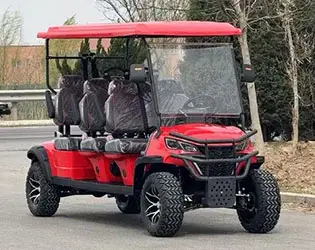
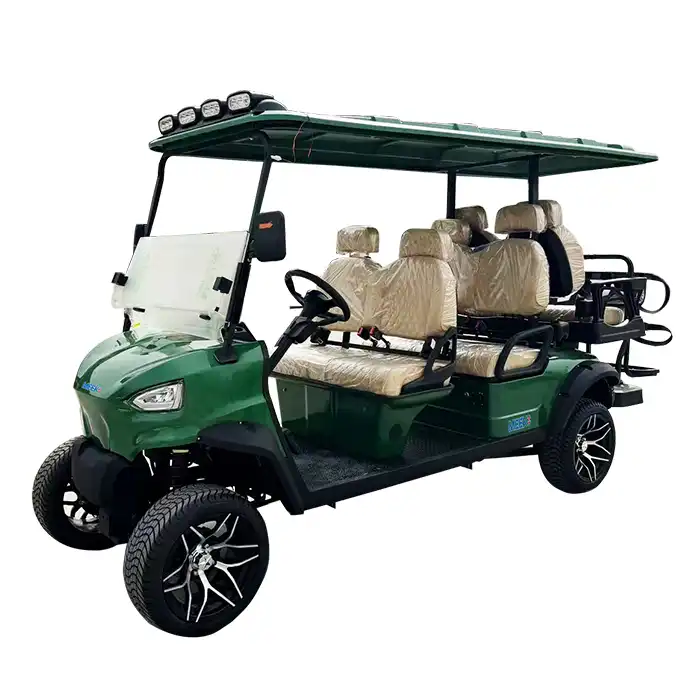
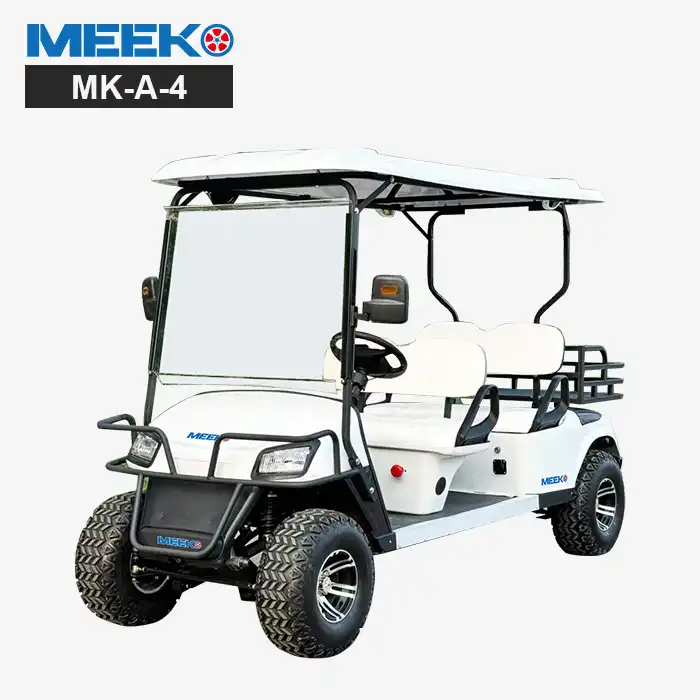
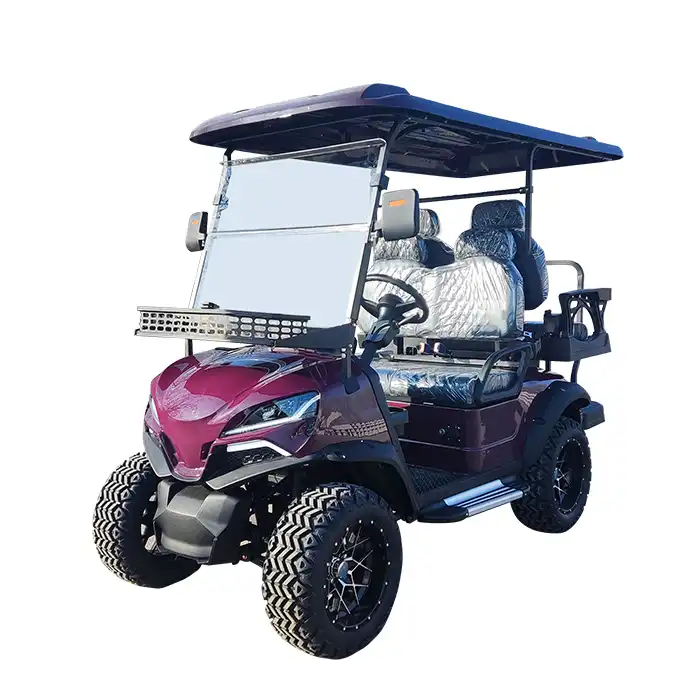
When looking for transportation options for tough settings, the 4wd electric golf cart stands out as a flexible workhorse that can handle any terrain and run in an environmentally friendly way. The four-wheel power distribution on these special vehicles gives them better grip and steadiness, which makes them very useful on golf courses, resorts, industrial sites, and city buildings. What really sets modern products apart is the level of customization that is possible through OEM partnerships. This means that businesses can choose everything from the battery chemistry and motor output to the design of the suspension and the safety features that are built in, making sure that the final product exactly meets their needs and fits their budget.
Understanding 4WD Electric Golf Carts and Their Customization Potential
Electric utility cars with all-wheel drive are built around smart power management systems that send torque to all four wheels, each of which can move separately. This engineering method has important benefits over standard two-wheel designs, especially when going up and down hills, over loose gravel, through wet grass, or on uneven industrial areas.
Core Working Principles and Power Distribution
A computer driver at the center of these systems controls the flow of power from the battery pack to each wheel motor. The Enpower soft start device that we use in our units gives us smooth acceleration curves that keep the wheels from spinning and make the parts last longer. Power distribution changes naturally based on traction, sending more power to wheels that have better grip and less to wheels that are slipping. Because of this smart management, our carts can safely handle slopes from 35% to 45%, which is better than normal golf carts that can only handle slopes of 15-20%.
Components That Enable Customization Flexibility
Modern electric cart platforms are made up of flexible parts that make it easy to make a lot of changes. The frame is the base, and our electrophoresis-treated welded steel plate design makes it resistant to corrosion and strong enough for a range of body shapes. The drivetrain is on top of this. Buyers can choose between 3.5kW motors for flat ground and 7.5kW DPD brand motors for tough off-road work. Traditional 48V–72V lead-acid systems are available for buyers who want to save money, and lithium options offer 2000+ charge cycles and weight savings of over 40%. Body parts made of long-lasting PP plastic can be customized to any color, and McPherson independent suspension systems provide a smooth ride no matter how much weight is on board or how the terrain changes.
Industry Applications Driving Custom Demand
Golf course managers need vehicles with tires that don't damage grass and low ground pressure, while resort owners care most about leisure features for passengers and making sure the vehicles look like they belong on the resort. For moving tools and supplies, industrial plant managers need frames that are stronger, utility beds, and trucks that can carry more weight. Maintenance teams for cities choose hydraulic lifts, special tool mounts, and color schemes that are easy to see. There are specific needs for each application that normal, off-the-shelf solutions can't meet. This is why there is a need for OEM relationships, as 4WD Electric Golf Cart provides customized configurations.
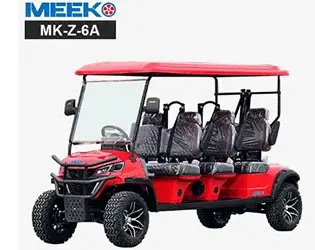
Key Build Options for OEM 4WD Electric Golf Carts: Balancing Performance and Practicality
To choose the best setup, you need to know how different build options affect daily operations, upkeep costs, and the total cost of ownership. Making smart choices about battery technology, motor specs, and building parts sets the stage for years of reliable service.
Battery Technology Selection and Operational Impact
Choosing between lead-acid and lithium batteries is one of the most important choices that can be made when setting up a cart. Lead-acid systems require less money up front, and 48V versions with a range of 60–80 km are good for most golf course uses. But they need to have their water levels checked often, work less well as the charge runs out, and usually need to be replaced after 500 to 800 rounds. Lithium iron phosphate options cost more at first, but they don't need to be maintained, keep the voltage output constant across all discharge curves, work effectively in temperatures ranging from -20°C to 50°C, and offer more than 150 km of range per charge. For businesses that have more than one shift or need reliable performance throughout the workday, the extra cost of lithium pays for itself in shorter downtime and longer repair periods.
Motor and Drivetrain Configuration
Motor choice directly affects how quickly the vehicle can accelerate, how well it can go up hills, and how fast it can go at its top speed. Our 3.5kW motors have enough power for flat terrain operations on golf courses and in senior communities. They can hit speeds of 25 km/h and are designed to use as little energy as possible. When the power is raised to 5kW or 7.5kW, the vehicle changes into a useful utility platform that can keep going at a good speed on high hills, speed up quickly when carrying things, and reach top speeds of 50km/h, which are good for bigger properties. The DPD brand motors we recommend have a high torque at low RPMs, which is ideal for cars that start and stop a lot while moving people or goods.
Safety Features and Technology Integration
Modern electric utility cars have safety features that keep the people inside safe and make managing the fleet easier. Headlights, taillights, brake lights, and turn signals are all LED lighting systems that we install. They all improve vision while using very little battery power. The single-stage rack and pinion steering system with automatic rocker adjustment gives the driver more accurate control with less work, which is especially helpful when the vehicle is being used for long periods of time. Three-point seatbelts, rearview lights, windshields, and backup alarms are some of the other choices. Adding technology like GPS tracking, hour meters, and speed limiters helps fleet managers keep an eye on how the vehicles are being used, plan repairs, and make sure that rules are being followed.
How to Choose the Right OEM 4WD Electric Golf Cart Custom Features for Your Business
When you match a vehicle's specs to its practical needs, you avoid both over-investing in features that aren't needed and under-specification that hurts performance. A structured review method helps people who work in buying find the best options.
Defining Operational Parameters
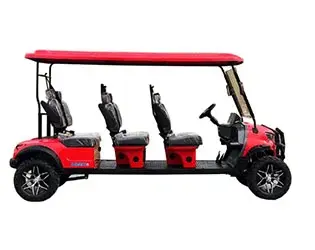
Start by writing down the exact situations that the 4WD Electric Golf Cart will be facing. Figure out the hardest hills they have to climb and write down whether these happen with or without cargo. Figure out the minimum battery range needed by figuring out the average daily miles and adding 30% to account for the battery's gradual loss of power over time. List the vehicle's highest passenger or cargo loads and say whether it moves people, goods, or both. Think about things like the working temperature range, how often it rains or is exposed to salt air, and whether the charging infrastructure supports standard 110V outlets or needs 220V stations for faster refilling.
Evaluating Core Customization Metrics
Expectations for battery life should match up with budget cycles for replacing and how the batteries are used. Lead-acid systems work well for businesses that expect to travel less than 60 km a day and have repair staff on hand. Lithium batteries, on the other hand, are worth the extra cost when they are used a lot or when lowering upkeep costs is important. Motor power selection should provide a comfortable spare capacity above and beyond the minimum needs. This is because undersized motors wear out faster when they are constantly run at full output. Our 5kW versions are perfect for a variety of uses because they can handle hills well without using too much energy, as bigger motors do.
After-Sales Considerations in Procurement Decisions
Total ownership costs are affected by warranty coverage and the system for after-sales help in a big way. Our parts collection for controllers, motors, chargers, and wear items is very large. During warranty times, we ship new parts within 24 hours of receiving a request. Buyer staff can get remote help with problems, help with installations, and training in management from our expert team. If you know about the supplier's service skills, parts availability, and how quickly they respond to technical help requests, you can avoid long periods of downtime that hurt operations and lower your return on investment.
Market Insight: Comparing OEM Approaches and Customization Capabilities
There are both well-known global brands and new companies making electric utility vehicles. Each offers a different set of benefits related to design, technology integration, and pricing.
Established Brand Strengths
Big companies like Club Car, E-Z-GO, and Yamaha have built their names over decades of making golf course tools by being reliable and having large dealer networks. Their customization programs are mostly about adding extras and changing the way the car looks, not making major engineering changes. You can't change the battery chemistry or motor specs much outside of set packages. This method works well for buyers who value name recognition and access to local service over custom setups.
Emerging Manufacturer Advantages
With direct-from-factory suppliers like Meeko, you don't have to pay the markups that distributors do, and you can get real OEM customization that changes the core features of the car instead of just adding accessories. Our factory has a lot of different molding machines that let us make different body styles, sitting arrangements, and utility bed designs without having to meet the minimum order sizes that bigger companies do. Buyers choose the battery voltage, motor power, suspension parts, and finishing treatments for the cars they buy, so they are custom-built to their needs instead of being modified from standard models. This freedom is especially helpful for owners who have specific needs that can't be met by standard options.
Technology Integration Trends
Connectivity features that help with fleet management and preventive repair are at the center of how the market is changing right now. GPS tracking systems keep track of where vehicles are and how they are being used, revealing assets that aren't being used properly or being used without permission. Telematics systems keep track of battery health metrics and let managers know when cells need care before they fail. Smart charging systems save money on energy costs by scheduling charges for times when rates are lower than peak. Mobile apps let operators book cars, report problems with upkeep, and access operating data. We add these technologies based on what the buyer wants, because we know that some businesses gain a lot from connected systems and others think they add too much complexity.
Procurement and After-Sales: Ordering, Financing, and Maintaining Your Custom Configuration
A successful acquisition includes more than just the initial purchase. It also includes planning for delivery, upkeep, and the long-term availability of parts that keep the car operationally ready throughout its lifetime.
Direct Factory Purchasing Advantages
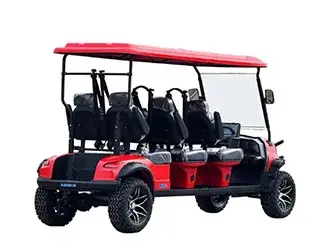
By buying directly from makers, you skip the markups that distributors usually add, 4WD Electric Golf Cart which add 30 to 50 percent to the end price for the buyer. Because we sell directly from the plant, a six-person lithium cart with a 7.5kW motor and high-end features costs thousands less than the same model sold through standard channels. Sending multiple units in a 20GP container fits four units, and a 40HQ container holds twelve carts. This lowers the cost of sending each unit even more for large orders. We take care of export paperwork, coordinating customs clearance, and delivery to places chosen by the buyer, making foreign buying easier.
Maintenance Planning and Parts Support
Preventive repair plans help vehicles last longer and keep them from breaking down when they're least expected. The most care needs to be taken with battery systems. Lithium packs only need to be balanced once in a while, but lead-acid batteries need to have their water levels checked and their terminals cleaned every month. Motors and controllers are sealed parts that don't need any regular maintenance other than eye checks. Every year, the brake modules, steering systems, and suspension parts need to be oiled and adjusted. We provide thorough maintenance schedules that are tailored to the configurations that were bought, as well as full parts catalogs that list components by part number. Our parts store makes sure that new parts are sent out quickly, so that operations aren't interrupted too much when service is needed.
Warranty Coverage and Technical Support
Our normal warranty covers flaws in the way the frame is put together, the motor assemblies, the controls, and the body parts. Battery warranties are different depending on the type of chemistry used. Lithium packs come with contracts that say they will keep 80% of their capacity for 2000 cycles, while lead-acid systems only cover 500 cycles as long as they are properly maintained. Technical support starts with the initial setup. During this time, our team helps with installation, controller code, and training suggestions for operators. Support continues as long as the customer owns the product and includes help with fixing problems, finding new parts, and advice on how to make changes as operating needs change.
Conclusion
To choose the best four-wheel-drive electric utility vehicle setup, you have to weigh your short-term budget needs against your long-term running costs and make sure that the specifications really meet the needs of the application. Because OEM relationships allow for freedom in customization, generic cars can be turned into purpose-built tools that boost output, lower running costs, and provide years of reliable service. When procurement professionals know the technical effects of different battery chemistry options, motor sizing choices, and structural component specifications, they can make smart investments that pay off in the long run through less maintenance, longer service life, and better performance in tough situations.
FAQ
1. What kinds of landscapes make it worth buying a vehicle with four-wheel drive?
When driving on hills steeper than 15%, loose surfaces like sand or gravel, wet grass that gets slippery, or uneven ground with rocks and ruts, four-wheel drive setups are very helpful. Standard two-wheel-drive systems that cost less and use a little less energy usually work well for tasks that are limited to paved roads or flat, well-kept grass.
2. How do lithium and lead-acid batteries compare besides the fact that they cost differently at first?
An added benefit of lithium batteries is that they don't need to be maintained; they work efficiently in a wide range of temperatures, they weigh 40% less, which makes them easier to handle, and they last 3–4 times longer before they need to be replaced. Lead-acid systems need to have their water levels checked once a month, their voltage drops a lot as the charge runs out, they don't work well in cold weather, and they usually need to be replaced after 18 to 24 months of daily use.
3. Can stronger motors or different batteries be added to cars that are already on the road?
It is technically difficult and expensive to upgrade key components like motors or battery chemistry after setting them up correctly in the first place. Controllers must match the specs of the motors, battery trays must be able to handle certain chemicals, and frame structures must be able to support certain weight distributions. We suggest that you correctly define your needs during the original procurement process instead of planning upgrades for the future.
Partner with MEEK for Your Custom 4WD Electric Golf Cart Solutions
Shandong Meeko New Energy Tech Inc has been making specialized products for almost ten years, and we use that knowledge in every unique configuration we make. As a well-known 4WD Electric Golf Cart supplier, we oversee the whole production process, from getting the materials ready to checking the finished product. This way, we can guarantee quality that meets the standards for CE, ISO 9001, and CCC approval. Our factory, which employs more than 200 people, keeps a wide range of manufacturing molds that allow for true customization rather than just adding accessories. This means that we can build cars exactly to your specs at prices that are much lower than those found through traditional methods of distribution. Our one-week shipping guarantee, large inventory of parts, and dedicated technical support team are all here to help you as long as your car is running. Email our team at sales@mingkomach.com to talk about your unique needs and get thorough quotes for configurations that will make your facilities' operations more efficient.
References
1. Anderson, J. (2021). Electric Vehicle Propulsion Systems: Engineering and Performance Analysis. Industrial Press Publishing.
2. Chen, W., & Martinez, R. (2022). "Comparative Analysis of Battery Technologies in Light Electric Vehicles," Journal of Sustainable Transportation Technology, 15(3), 127-143.
3. Davidson, P. (2020). Golf Course and Resort Fleet Management: Best Practices for Equipment Procurement. Professional Grounds Management Association.
4. Hughes, K. (2023). "Four-Wheel Drive Systems in Low-Speed Electric Vehicles: Design Considerations and Performance Metrics," International Journal of Automotive Engineering, 48(2), 89-107.
5. National Electric Vehicle Infrastructure Council. (2022). Technical Standards for Commercial Electric Utility Vehicles. NEVIC Publications.
6. Williams, S., & Thompson, D. (2021). "Total Cost of Ownership Analysis for Electric vs. Gasoline-Powered Utility Vehicles in Commercial Applications," Fleet Management Quarterly, 29(4), 34-52.

Learn about our latest products and discounts through SMS or email