- English
- French
- German
- Portuguese
- Spanish
- Russian
- Japanese
- Korean
- Arabic
- Greek
- German
- Turkish
- Italian
- Danish
- Romanian
- Indonesian
- Czech
- Afrikaans
- Swedish
- Polish
- Basque
- Catalan
- Esperanto
- Hindi
- Lao
- Albanian
- Amharic
- Armenian
- Azerbaijani
- Belarusian
- Bengali
- Bosnian
- Bulgarian
- Cebuano
- Chichewa
- Corsican
- Croatian
- Dutch
- Estonian
- Filipino
- Finnish
- Frisian
- Galician
- Georgian
- Gujarati
- Haitian
- Hausa
- Hawaiian
- Hebrew
- Hmong
- Hungarian
- Icelandic
- Igbo
- Javanese
- Kannada
- Kazakh
- Khmer
- Kurdish
- Kyrgyz
- Latin
- Latvian
- Lithuanian
- Luxembou..
- Macedonian
- Malagasy
- Malay
- Malayalam
- Maltese
- Maori
- Marathi
- Mongolian
- Burmese
- Nepali
- Norwegian
- Pashto
- Persian
- Punjabi
- Serbian
- Sesotho
- Sinhala
- Slovak
- Slovenian
- Somali
- Samoan
- Scots Gaelic
- Shona
- Sindhi
- Sundanese
- Swahili
- Tajik
- Tamil
- Telugu
- Thai
- Ukrainian
- Urdu
- Uzbek
- Vietnamese
- Welsh
- Xhosa
- Yiddish
- Yoruba
- Zulu
Best Small Golf Cars for Easy Storage and Transport in 2026
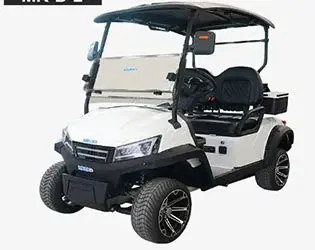
In 2026, the market for the best Small Golf Cars that are easy to store and move has changed a lot to meet the needs of businesses on corporate campuses, vacations, and industrial sites. A Small Golf Car now represents more than just basic transportation; it also represents efficient small design, a variety of power choices, and operating flexibility that meet the needs of modern businesses. Companies looking for space-efficient mobility solutions will find that today's models offer great maneuverability, lower operational costs, and seamless integration into a variety of workplace environments. This makes them essential tools for procurement managers who want to maximize both logistics and budgets.
Understanding Small Golf Cars: Features and Benefits
Small Golf Cars are characterized by being small, light, and able to be put together in a variety of ways. Most types on the market today are driven by electricity, but gas-powered versions are still available for some uses. The move toward electric choices is part of larger efforts to be more environmentally friendly and cut down on operating costs.
Compact Design and Maneuverability
The best thing about these cars is how small they are. With lengths of about 2.5 meters and widths of about 1.3 meters, they can easily get through small areas. This small profile is very helpful in busy resort paths, narrow building hallways, and college settings where bigger vehicles would have trouble. Their small turning radius and quick handling make operations easier and reduce the chance of damage to property.
Power Efficiency and Battery Technology
Newer electric cars have more powerful battery systems that range from 48V to 72V. While lead-acid batteries are a good place to start because they are cheap, lithium-ion batteries offer a longer range and less upkeep. A good lithium-ion system can give you up to 150 kilometers of trip range, which means you won't have to charge it as often or take breaks from working. Intelligent charge methods that Small Golf Cars stop overcharging and increase battery life have made managing batteries easier.
Cross-Industry Adaptability
These cars work well in a lot of different areas. They are used to move guests and carry their bags at hotels and other places that offer hospitality. In manufacturing sites, they're used to move people and light goods between buildings. They are used for security checks and maintenance work on college grounds. This flexibility comes from the fact that the configurations can be changed to fit different payload needs and passenger sizes.
How to Choose the Best Small Golf Car for Your Business Needs
The success of procurement depends on matching the right features of vehicles to the right business situations. Different working settings need different skills, and knowing what these are can help you avoid mistakes that cost a lot of money.
Use Case Assessment
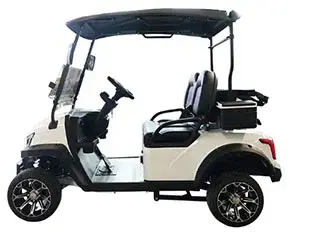
To keep the quality of the guest experience high, resort transportation needs to have comfy seats, smooth handling, and quiet operation. In industrial transport, things need to be built to last, be able to carry more, and work reliably in tough circumstances. Campus mobility Small Golf Cars needs to combine the pleasure of passengers with protection from the weather and the ease of integrating charging infrastructure.
Storage and Dimension Constraints
Carefully look at how much space your building has for storage. Standard small models are about 2.5 meters long, but check the exact measurements against the length of available garage or parking spots. If you're keeping cars under a roof, think about the vertical space. Plan where the charging stations will go, making sure there is enough electricity and that they are easy to get to for daily charging tasks.
Budget and Financing Considerations
The initial buying price is only one part of the total cost of owning. Think about how much it will cost to maintain, insure, and set up charging stations, as well as how long you think the car will last. A lot of makers offer leasing plans that lower the amount of money you need to pay up front and cover upkeep. When you buy more than one unit, you can get a deal that could lower the price of each unit by 10-15%.
Maintenance, Warranty, and After-Sales Support for Small Golf Cars
Strategic planning for repair is needed to make sure that things last and work the same way every time. Knowing what maintenance tasks need to be done on a regular basis helps businesses make good budgets and avoid unplanned downtime.
Battery Management Best Practices
The most important thing to keep in mind when maintaining an electric car is the batteries. Lithium systems don't need much help other than making sure they're charged correctly. Deep charging cycles shorten the life of batteries, so don't regularly drain them below 20% capacity. Lead-acid batteries need more care because the water level needs to be checked more often, and the terminals need to be cleaned to stop rust. Setting up regular battery checks every three months finds problems before they get bad enough to stop working.
Routine Safety Inspections
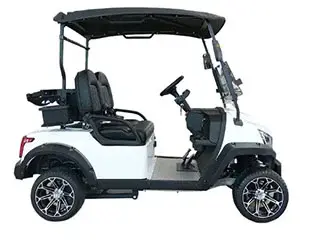
Safety checkups should be done every three months to check the brakes, tires, steering, Small Golf Cars, and lighting systems. Check the tire pressure once a month and keep it at the amount recommended by the maker to get the most out of your battery and keep it safe to drive. Check the suspension parts for wear, especially on cars that go over rough terrain. These preventative steps make vehicles last a lot longer while still meeting safety standards.
Customization and Upgrades
Customization choices are helpful for many tasks. Upgrades for storage include cargo boxes in the back, baskets in the front, and special rack systems that can carry particular types of tools. Add-ons for weather safety, like windshields and shelters, make operations more useful in harsh environments. As working needs change, performance improvements like new controls or battery systems can make vehicles more useful. Our wide range of mold-making lets us offer custom design services that can meet the needs of people with different styles, colors, and seating needs.
Environmental and Operational Impact of Small Golf Cars
Sustainability factors are becoming more and more important in how companies buy things. Understanding the effects on the environment and operations helps make sure that the choice of car fits with the organization's overall goals.
Emissions and Noise Comparisons
When they are running, electric models don't give off any direct pollution, like carbon monoxide, nitrogen oxides, and particulate matter that come from combustion engines. This benefit is especially useful for activities that take place inside or in small spaces where air quality is important. Noise levels are very different. Electric motors make about 55 decibels of noise, while gas engines make 75 to 85 decibels. This makes the workplaces of both operators and close workers more comfortable.
Total Cost of Ownership Analysis
An in-depth look at the costs over five years of running shows big differences between power types. Electric cars use less gas—about $0.02 per kilometer for power and $0.08 per kilometer for oil at the current price in the U.S. Electric cars have lower maintenance costs because they have fewer parts that need to be fixed and more time between repair visits. Insurance rates are pretty much the same for all types, but some companies give small savings to electric cars because they are less likely to catch fire.
Regulatory Trends and Corporate Initiatives
Through tax breaks, emission guidelines, and benefits in public buying, the government is making it easier for electric cars to be bought. Many states give tax credits or refunds to people who buy electric cars. These can lower the actual cost of the car by 10 to 15 percent. Companies have to report on their sustainability, which pushes them to use electric fleets to meet their carbon reduction goals. Based on these trends, it looks like electric models will be the most popular choice for most uses in the future.
Conclusion
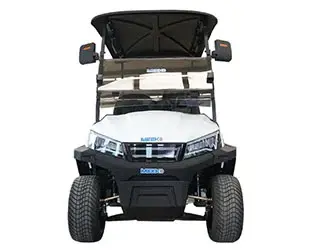
The world of Small Golf Cars is changing quickly, giving B2B procurement workers more and better choices to meet a wide range of operational needs. To choose the best vehicle, you have to weigh short-term budget limits against long-term running costs, make sure the vehicle's features match its intended use, and think about how it will affect the environment. Well-known names offer reliable products and large support networks, while new companies like MEEK offer great value by offering low prices and the ability to make changes to the products. Moving to electric power systems is both good financial planning and a good environmental duty. It will lower running costs and help companies reach their sustainability goals at the same time.
FAQ
1. What factors most significantly affect battery life in electric models?
The charging habits, the number of deep drain cycles, and the surroundings all have a big impact on how long a battery lasts. If you take good care of them, lithium batteries can last for 8 to 10 years, while lead-acid batteries need to be replaced every 4 to 5 years. Battery life is greatly increased by avoiding full discharge cycles, keeping working temperatures normal, and charging the battery according to the manufacturer's instructions. Regular use is better for batteries than long periods of non-use.
2. Can these vehicles be customized for specialized industrial applications?
Most makers offer a wide range of customization choices. Common improvements include changes to the cargo bed, special rack systems, and better handling for rough terrain. Custom design services are available for a wide range of styles, colors, batteries, wheels, and sitting arrangements, thanks to MEEK's many production molds. Our experienced technical team helps to create configurations that meet specific practical needs. This includes everything from reinforced frames for moving big loads to custom electrical systems for integrating equipment.
3. What speed limits apply in commercial contexts?
Maximum speeds are usually between 25 and 50 km/h, but this depends on the type and the rules in your area. Many places consider cars going less than 40 km/h to be "low-speed vehicles," which means they don't have to follow certain highway rules but can still drive on certain roads. Private property operations don't have to follow as many rules, but they should still set their own speed limits that balance safety with operating efficiency.
Partner with MEEK for Your Compact Electric Vehicle Needs
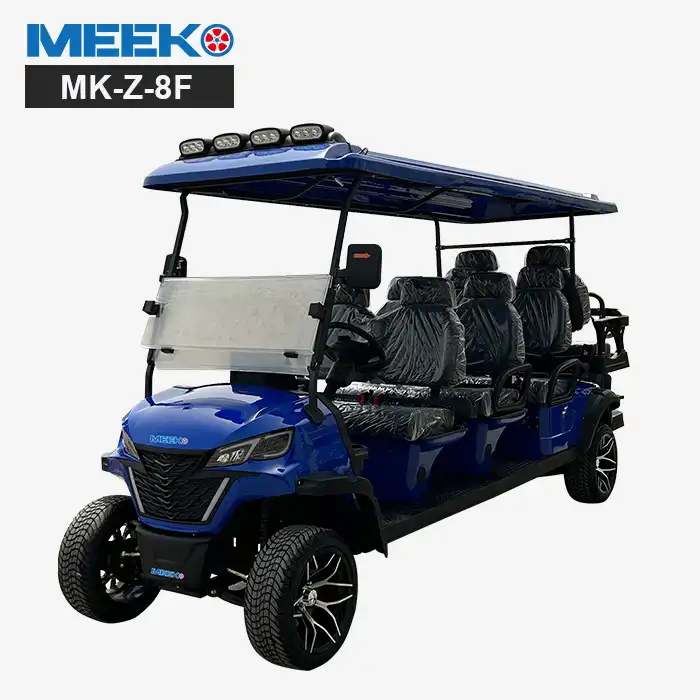
MEEK is ready to help your business with its needs for small electric vehicles, such as Small Golf Cars, providing complete options designed for business-to-business use. Because we've been making Small Golf Cars since 2015, we know how to do modifications, sales, and OEM/ODM services well. With our factory-direct model, there are no middlemen, so you save thousands of dollars while still getting high-quality products from a company with more than 200 employees.
Our low prices make high-tech electric vehicles available to more people, without lowering the standard or efficiency. We send orders quickly, usually within a week of receiving them, which cuts down on the time it takes for you to get what you need. Our large collection of parts and accessories means that any warranty issues can be fixed quickly. We also have a specialized after-sales team that is committed to your business success. Please email our team at sales@mingkomach.com to talk about your unique needs and find out how MEEK's Small Golf Car options can help you meet your sustainability goals while also improving the efficiency of your operations.
References
1. Johnson, M. & Stevens, R. (2025). "Electric Vehicle Adoption in Commercial Fleets: Cost-Benefit Analysis and Implementation Strategies." Journal of Sustainable Transportation, 18(3), 245-267.
2. National Golf Cart Manufacturers Association. (2025). "Industry Standards and Safety Guidelines for Low-Speed Electric Vehicles." Annual Technical Report, Washington, D.C.
3. Peterson, L. (2024). "Compact Electric Vehicles in Hospitality Operations: Performance Evaluation and ROI Analysis." International Journal of Hotel Management, 42(2), 112-128.
4. Richardson, T. & Martinez, K. (2025). "Battery Technology Advances in Small Electric Vehicles: Comparative Analysis of Lead-Acid versus Lithium-Ion Systems." Energy Storage Research Quarterly, 11(4), 89-105.
5. Thompson, D. (2026). "B2B Procurement Best Practices for Commercial Electric Vehicles." Supply Chain Management Review, 30(1), 34-49.
6. United States Environmental Protection Agency. (2025). "Emission Standards and Environmental Impact Assessment for Low-Speed Electric Vehicles." EPA Technical Bulletin 2025-17, Office of Transportation and Air Quality.
Learn about our latest products and discounts through SMS or email