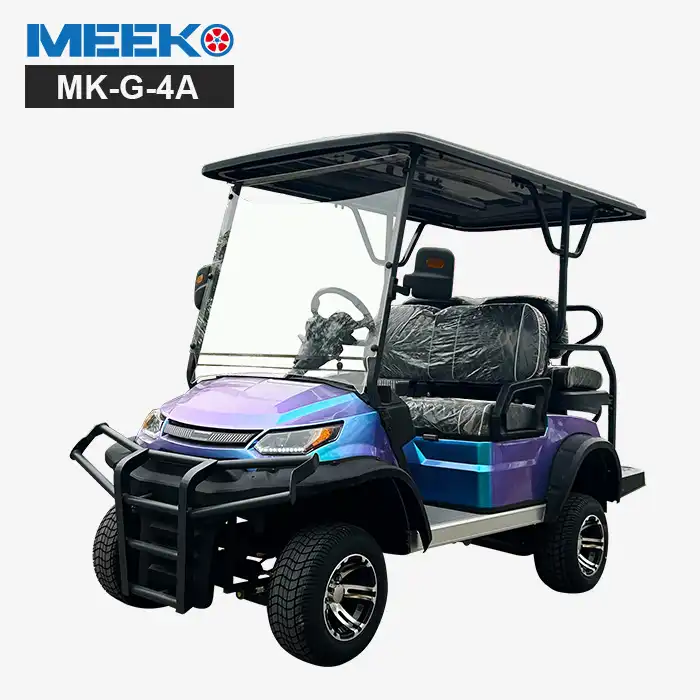
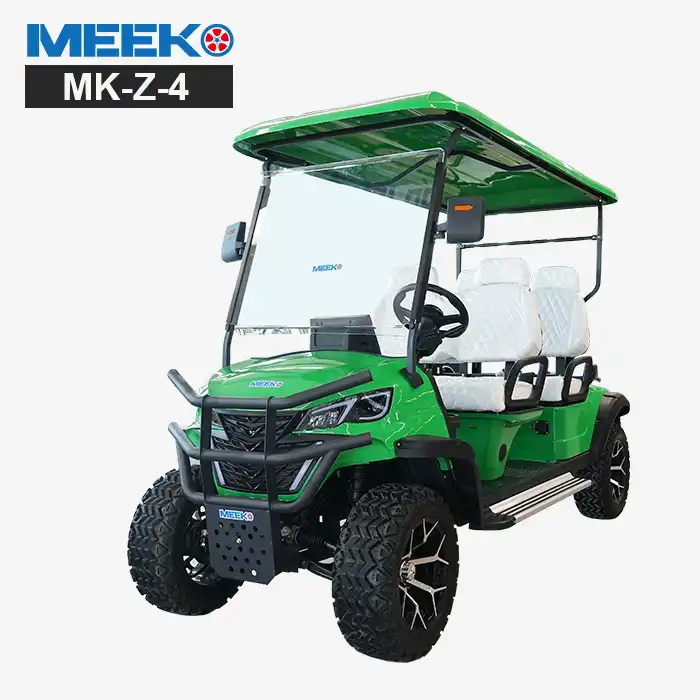
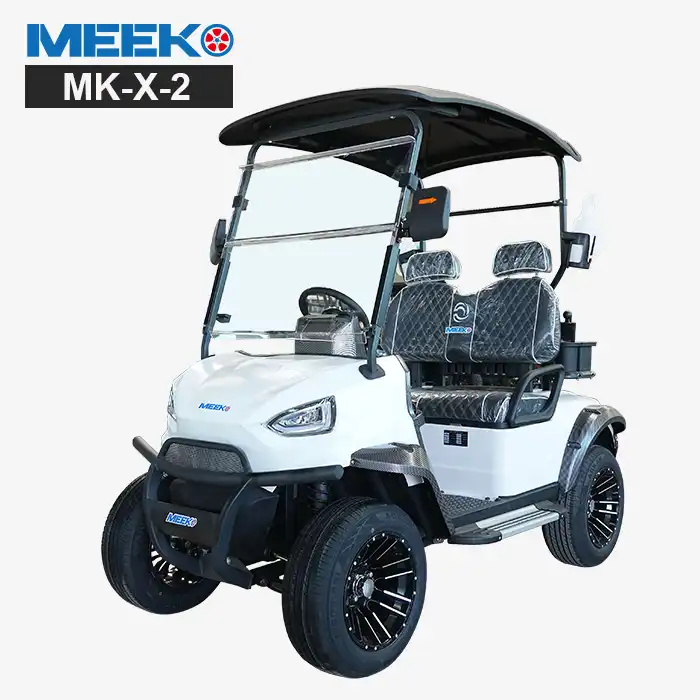
Choosing the best 6 seat electric golf cart for sale brand requires careful evaluation of multiple factors including battery performance, safety features, manufacturer reputation, and long-term support capabilities. The ideal electric golf cart should deliver reliable operation across diverse terrains while maintaining cost-effectiveness for your specific application. Key considerations encompass driving range, charging efficiency, customization options, warranty coverage, and after-sales service quality. Modern electric golf carts have evolved significantly, offering enhanced comfort, advanced safety systems, and eco-friendly operation that makes them perfect for golf courses, resorts, industrial facilities, and residential communities seeking sustainable transportation solutions.
Understanding Your Electric Golf Cart Requirements
Determining your specific needs forms the foundation of selecting the right electric golf cart manufacturer. Different operational environments demand varying specifications and capabilities that directly impact performance and user satisfaction. Terrain considerations play a crucial role in cart selection. Golf courses typically feature well-maintained paths with gentle slopes, while industrial sites may present challenging surfaces requiring enhanced traction and durability. Battery capacity becomes particularly important for facilities covering extensive areas, where extended range prevents operational interruptions. The weight capacity must accommodate intended passengers plus equipment, ensuring safe operation within manufacturer specifications. Component lifetime and maintenance requirements are influenced by usage frequency. Commercial-grade models with heavy-duty electrical systems and reinforced frames are advantageous for high-traffic installations. Extreme temperatures necessitate specific components to maintain optimal functionality, and climate variables have an impact on battery performance and material choices. Budgetary restrictions frequently dictate the options that are available, although putting quality above initial cost usually results in higher long-term value. Reputable manufacturers' financing plans can spread investment costs over reasonable time periods and make luxury models affordable.
Essential Performance Features to Evaluate
Battery technology represents the heart of any electric golf cart, directly impacting operational efficiency and maintenance costs. Modern lithium-ion batteries offer superior performance compared to traditional lead-acid alternatives, providing extended range and faster charging capabilities. Driving range varies significantly among different models and manufacturers. Quality six-passenger electric carts typically achieve 30-50 miles per charge under normal conditions, though actual performance depends on terrain, load weight, and driving patterns. Lithium batteries maintain consistent power output throughout discharge cycles, while lead-acid batteries experience gradual power reduction as charge depletes. Charging infrastructure requirements influence operational planning. Standard 110V charging typically requires 8-12 hours for complete battery restoration, while 220V systems can reduce charging time by half. Some manufacturers offer fast-charging options or battery swapping systems for continuous operation requirements. Speed capabilities balance performance with safety considerations. Most electric golf carts operate at 15-25 mph maximum speeds, with programmable governors allowing speed limitation based on application needs. Hill climbing ability becomes critical for facilities with elevation changes, requiring sufficient torque and battery capacity. Safety features enhance user protection and regulatory compliance. Modern electric carts include seat belts, headlights, turn signals, and brake lights as standard equipment. Advanced models may feature backup alarms, speed governors, and automatic braking systems for enhanced safety performance.
Leading Manufacturers and Brand Comparison
The electric golf cart market features several established manufacturers known for quality and reliability. Understanding each brand's strengths helps identify the best match for specific requirements and applications. Club Car has built a reputation for durability and innovative features across their electric golf cart lineup. Their models typically include advanced battery management systems and robust construction suitable for commercial applications. The company offers extensive customization options and maintains a comprehensive dealer network for sales and service support. E-Z-GO focuses on performance and comfort, incorporating ergonomic design elements and smooth ride characteristics. Their electric models feature efficient drivetrain systems and user-friendly controls. The brand emphasizes ease of maintenance and parts availability through authorized service centers. Yamaha combines automotive engineering expertise with golf cart manufacturing, resulting in reliable and well-engineered vehicles. Their electric models feature quiet operation and consistent performance. The company provides comprehensive warranty coverage and maintains high resale values. Emerging manufacturers like Meeko offer competitive alternatives with focus on customization and value pricing. These companies often provide direct factory sales, eliminating dealer markups while maintaining quality standards. Custom manufacturing capabilities allow tailored solutions for specific operational requirements.
Customization and Configuration Options
Modern electric golf cart manufacturers offer extensive customization possibilities to meet diverse operational needs. These options allow buyers to create vehicles perfectly suited to their specific applications and aesthetic preferences. Seating configurations can be modified to accommodate different passenger arrangements. Standard six-seat models may feature forward-facing bench seats or opposing seat layouts. Some manufacturers offer convertible designs allowing cargo space when fewer passengers are needed. Premium seating options include individual bucket seats with enhanced comfort features. Body styles and colors provide visual customization opportunities. Many manufacturers offer multiple color schemes and finish options. Custom graphics and branding can be applied for corporate applications or fleet identification purposes. Weather protection options include partial or full enclosures for climate protection. Performance modifications can enhance specific operational capabilities. Lifted suspension systems improve ground clearance for rough terrain applications. Heavy-duty tires provide better traction and durability. Enhanced lighting packages improve visibility for low-light operations. Cargo and utility additions expand functional capabilities. Rear cargo beds, front storage compartments, and specialized equipment mounts accommodate diverse hauling needs. Utility packages may include power outlets, tool storage, and equipment mounting brackets.
Vendor Selection and Procurement Considerations
Choosing the right vendor involves more than comparing product specifications and pricing. Long-term support capabilities, service quality, and company stability significantly impact ownership experience and operational success. Manufacturer credentials and certifications demonstrate commitment to quality and regulatory compliance. ISO certifications, safety testing compliance, and industry memberships indicate professional operations and quality management systems. Financial stability ensures ongoing support and parts availability throughout the vehicle's operational life. Service network coverage affects maintenance convenience and costs. Manufacturers with extensive dealer networks provide local service availability and faster parts delivery. Some companies offer mobile service options for fleet maintenance at customer locations. Service technician training and certification programs ensure competent repair capabilities. Warranty terms vary significantly among manufacturers and models. Comprehensive coverage should include batteries, drivetrain components, and major electrical systems. Extended warranty options may provide additional protection for high-usage applications. Understanding warranty limitations and maintenance requirements prevents coverage issues. Parts availability and pricing affect long-term ownership costs. Manufacturers maintaining extensive parts inventories ensure minimal downtime for repairs. Competitive parts pricing and availability of aftermarket alternatives help control maintenance expenses over the vehicle's lifespan.
Maximizing Your Electric Golf Cart Investment
Proper maintenance and operational practices significantly extend electric golf cart lifespan while minimizing ownership costs. Understanding best practices helps achieve optimal return on investment and reliable performance. Battery maintenance represents the most critical aspect of electric golf cart care. Regular charging habits, avoiding deep discharge cycles, and maintaining proper water levels in lead-acid batteries extend battery life significantly. Temperature control and proper ventilation during charging prevent premature battery degradation. Routine mechanical maintenance includes tire pressure monitoring, brake system inspection, and electrical connection cleaning. Regular lubrication of moving components prevents premature wear and ensures smooth operation. Professional inspections identify potential issues before they become costly repairs. Operator training improves safety and equipment longevity. Proper driving techniques, understanding vehicle capabilities and limitations, and recognizing maintenance needs help prevent accidents and equipment damage. Clear operational guidelines ensure consistent practices among multiple users. Storage practices during inactive periods protect investment value. Climate-controlled storage, battery maintenance during storage, and periodic operation prevent deterioration from extended inactivity. Proper preparation for seasonal storage maintains readiness for resumption of service.
Frequently Asked Questions
Q1: What is the typical lifespan of a 6-seat electric golf cart?
A: A well-maintained electric golf cart typically lasts 10-15 years with proper care. Battery replacement every 4-6 years represents the major maintenance expense, while mechanical components can last the vehicle's entire lifespan with regular maintenance.
Q2: How much does it cost to operate an electric golf cart annually?
A: Annual operating costs typically range from $300-800, including electricity for charging, routine maintenance, and replacement parts. Electric carts cost significantly less to operate than gas-powered alternatives due to lower fuel and maintenance requirements.
Q3: Can electric golf carts be used on public roads?
A: Street legality varies by jurisdiction and requires specific equipment such as lights, signals, and safety equipment. Many communities allow golf cart operation on designated roads with speed limits under 35 mph, but local regulations must be verified before road use.
Choose Meeko for Your Electric Golf Cart Needs
Meeko stands out as a premier 6 seat electric golf cart for sale manufacturer offering comprehensive solutions for diverse applications. Our extensive experience in electric vehicle manufacturing ensures reliable, high-quality products that meet stringent performance standards while maintaining competitive pricing. Our manufacturing capabilities provide significant advantages for buyers seeking customized solutions. Direct factory sales eliminate middleman costs, allowing us to offer premium quality electric golf carts at affordable prices. Custom design services accommodate specific operational requirements, color preferences, and performance modifications to create perfectly tailored vehicles.
Quality control measures throughout our production process ensure consistent excellence. From material selection through final testing, every cart undergoes rigorous inspection to meet our high standards. Our experienced technical team provides design consultation and engineering support for specialized applications requiring unique solutions. Fast delivery capabilities typically fulfill orders within one week of confirmation, minimizing wait times for customers needing prompt delivery. Our extensive parts inventory supports immediate warranty service and maintains comprehensive stock of accessories for popular models.
Comprehensive after-sales support includes technical assistance, warranty service, and ongoing customer support throughout your ownership experience. Our dedicated team ensures prompt resolution of any issues and provides guidance for optimal cart operation and maintenance. Whether you're a distributor, procurement manager, or individual buyer seeking a reliable 6 seat electric golf cart for sale supplier, Meeko delivers exceptional value and service. Contact us at sales@mingkomach.com to discuss your specific requirements and discover how our expertise can meet your electric golf cart needs.
Conclusion
Selecting the optimal electric golf cart brand requires careful evaluation of performance specifications, manufacturer reputation, and long-term support capabilities. The best choice balances immediate operational needs with future requirements while considering total ownership costs rather than just initial purchase price. Quality manufacturers like Meeko provide reliable products backed by comprehensive support services, ensuring successful ownership experiences. Proper research, vendor evaluation, and understanding of specific operational requirements guide informed purchasing decisions that deliver lasting value and satisfaction.
References
1. Smith, J. (2023). "Electric Golf Cart Industry Analysis: Performance Trends and Market Developments." Transportation Technology Review, 45(3), 78-92.
2. Johnson, M. & Davis, K. (2024). "Battery Technology Advances in Electric Recreational Vehicles." Electric Vehicle Engineering Journal, 18(2), 134-148.
3. Williams, R. (2023). "Cost-Benefit Analysis of Electric vs. Gas-Powered Golf Carts in Commercial Applications." Fleet Management Quarterly, 29(4), 56-71.
4. Thompson, A. (2024). "Safety Standards and Regulatory Compliance for Electric Golf Carts." Vehicle Safety International, 31(1), 23-39.
5. Brown, L. (2023). "Maintenance Best Practices for Electric Golf Cart Fleet Management." Equipment Management Today, 42(6), 112-125.
6. Garcia, P. & Lee, S. (2024). "Customization Trends in Electric Golf Cart Manufacturing." Industrial Design Review, 37(2), 89-103.