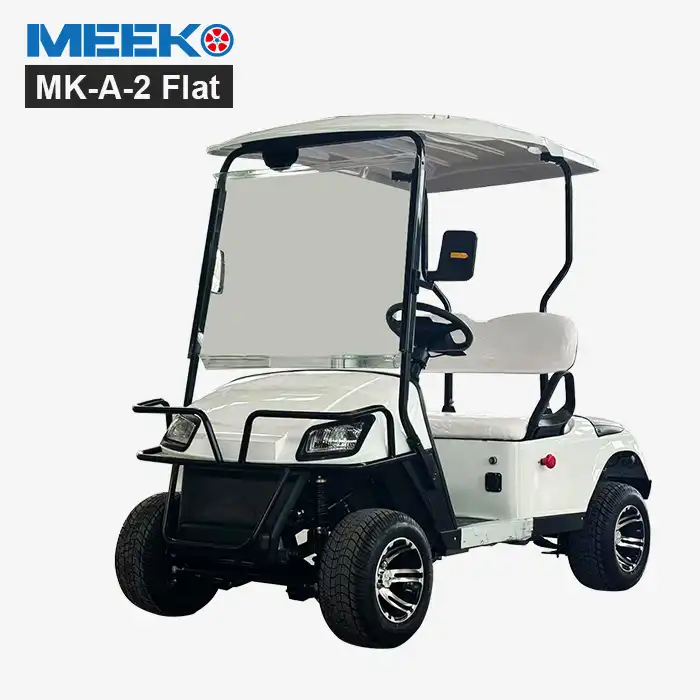
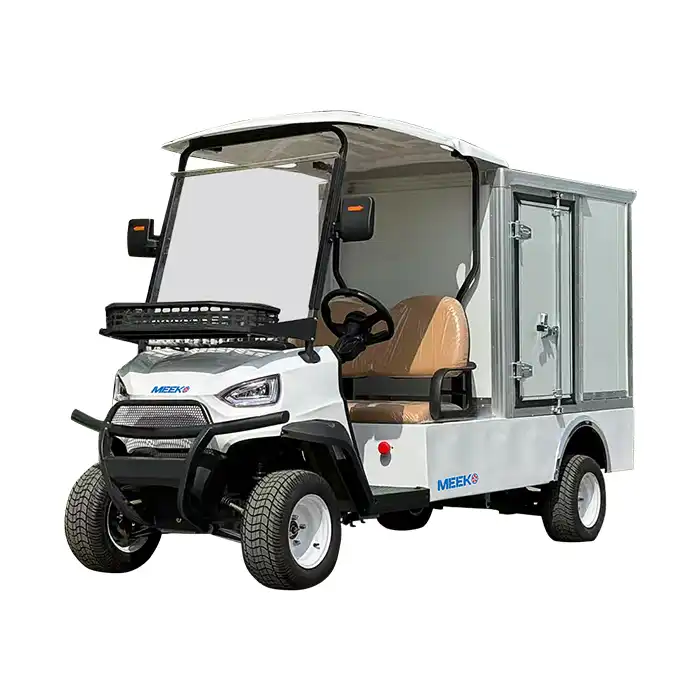
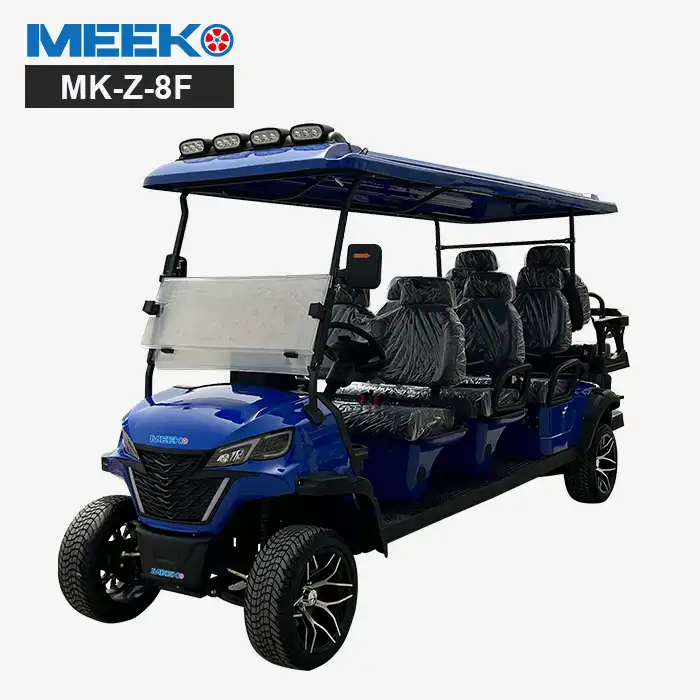
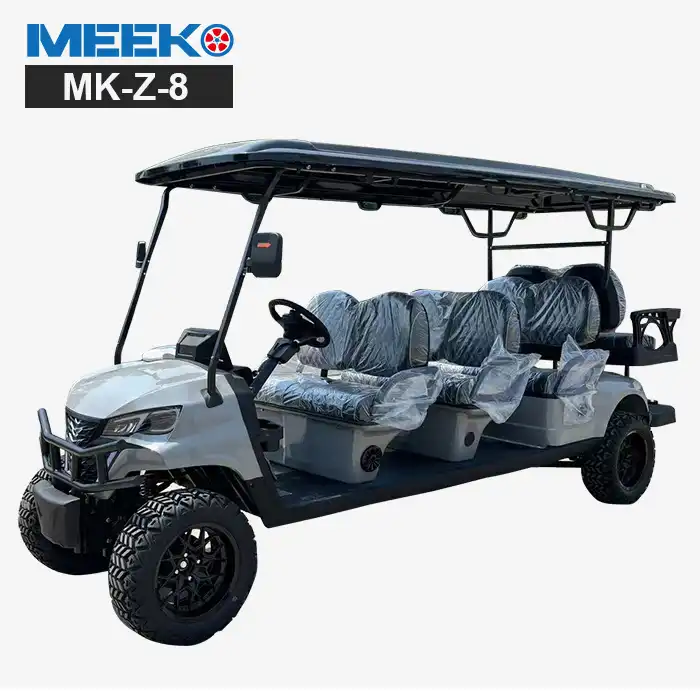
An electric golf cart utility operates with remarkable energy efficiency, consuming approximately 1-2 kWh per 18-hole round compared to gas-powered alternatives that burn significantly more fuel for equivalent performance. Modern electric utility carts achieve 80-90% energy conversion efficiency from battery to wheels, making them exceptional choices for commercial operations, agricultural work, and industrial transportation needs. The advanced battery systems in today's electric golf cart utility vehicles deliver extended operational ranges while maintaining consistent power output throughout their discharge cycles.
Understanding Energy Efficiency in Electric Golf Cart Utilities
Energy efficiency in electric utility vehicles represents the fundamental relationship between power consumption and operational output. Modern electric carts excel in this area because their electric motors convert energy with minimal waste heat generation. Unlike internal combustion engines that lose approximately 70% of fuel energy to heat and friction, electric motors achieve efficiency ratings between 85-95%. Battery technology plays a crucial role in determining overall efficiency. Lithium-ion batteries, increasingly common in premium models, provide superior energy density and charge retention compared to traditional lead-acid alternatives. These advanced power systems enable utility carts to operate longer between charges while reducing weight penalties that affect performance. The drivetrain design significantly impacts energy consumption patterns. Direct-drive systems eliminate mechanical losses associated with complex transmission components, ensuring more battery power reaches the wheels. Regenerative braking systems, found in many contemporary models, capture kinetic energy during deceleration and return it to the battery pack, extending operational range.
Dimension Analysis of Electric Golf Cart Utility Energy Efficiency
Analyzing energy efficiency requires examining multiple performance dimensions that affect operational costs and environmental impact. Battery cycle life represents a critical metric, with quality lithium systems providing 2,000-5,000 charge cycles compared to 300-500 cycles for basic lead-acid batteries. This longevity directly translates to lower replacement costs and reduced environmental waste. Charging infrastructure efficiency varies significantly based on system design. Level 1 charging (110V) typically requires 8-12 hours for complete battery restoration, while Level 2 systems (240V) can reduce this time to 4-6 hours. Smart charging controllers optimize power delivery to minimize grid demand while extending battery lifespan through controlled charge rates. Environmental conditions substantially influence efficiency metrics. Temperature extremes affect battery performance, with optimal operating ranges between 60-80°F delivering peak efficiency. Terrain characteristics also impact energy consumption, with steep grades and soft surfaces requiring additional power output that reduces overall range. Load capacity considerations reveal efficiency relationships between payload weight and energy consumption. Most utility models maintain optimal efficiency when operating at 70-80% of maximum capacity, providing adequate power reserves while avoiding excessive battery drain that shortens operational periods.
Comparing Electric Golf Cart Utility vs. Gas Golf Cart Utility: Efficiency and Cost Implications
Significant operational differences between gas-powered and electric utility vehicles throughout normal ownership durations are revealed by cost analysis. Because they require less maintenance, use less fuel, and have longer component lifespans, electric models have a lower total cost of ownership. Electric systems completely avoid the frequent oil changes, filter replacements, and tune-ups that gas engines need. Different power sources have different performance characteristics; electric motors are perfect for stop-and-start activities since they deliver torque instantly. Gas engines provide steady power production independent of the surrounding temperature, but their noise and pollution restrict their use indoors. Because electric systems run quietly, they are appropriate for settings that are sensitive to noise, such as residential neighborhoods and medical facilities. Fuel cost comparisons favor electric operation in most regions. Electricity costs typically range from $0.10-0.20 per kWh, resulting in operational costs of $0.15-0.30 per 18-hole equivalent. Gasoline consumption averages 2-3 gallons for similar usage, costing $6-12 depending on regional fuel prices. Maintenance schedules differ dramatically between technologies. Electric carts require periodic battery maintenance and basic mechanical servicing, while gas models need comprehensive engine maintenance including spark plugs, air filters, and carburetor adjustments. This difference translates to 60-70% lower maintenance costs for electric systems over five-year ownership periods.
Optimizing the Energy Efficiency of Your Electric Golf Cart Utility
Maximizing efficiency requires systematic attention to operational practices and maintenance routines. Battery care represents the most critical factor in maintaining peak performance throughout the vehicle's lifecycle. Proper charging habits, including avoiding deep discharge cycles and maintaining appropriate electrolyte levels in flooded batteries, significantly extend system life. Here are essential optimization strategies that enhance operational efficiency:
- Tire Pressure Management: Maintaining proper inflation reduces rolling resistance and can improve range by 8-12%. Weekly pressure checks ensure optimal contact with ground surfaces while minimizing energy waste through tire deformation.
- Weight Distribution: Balanced loading prevents excessive strain on individual components and maintains stability during operation. Proper weight placement also optimizes traction and reduces unnecessary energy consumption from wheel slip.
- Route Planning: Efficient path selection minimizes distance traveled and avoids energy-intensive terrain features. Strategic routing can reduce daily energy consumption by 15-20% while improving productivity through reduced travel times.
- Scheduled Maintenance: Regular inspections of electrical connections, brake adjustments, and motor alignment prevent efficiency losses from mechanical problems. Professional servicing every 6-12 months ensures optimal performance throughout the operational year.
These optimization practices create measurable improvements in operational costs while extending equipment lifespan and maintaining consistent performance standards across diverse working conditions.
Procurement Insights: Selecting the Most Energy-Efficient Electric Golf Cart Utility for Your Business
Successful procurement requires evaluating multiple factors beyond initial purchase price. Energy efficiency ratings provide standardized comparisons between manufacturers and models, helping buyers identify systems that deliver superior operational economics. Battery warranty coverage serves as a reliable indicator of manufacturer confidence in their energy storage systems. Key evaluation criteria include charging time requirements that align with operational schedules. Rapid charging capabilities enable continuous operation in demanding environments where downtime directly impacts productivity. Some advanced models offer opportunity charging features that restore significant capacity during brief operational pauses. Customization options allow optimization for specific applications. Agricultural operations benefit from enhanced ground clearance and weather protection, while industrial environments may require specialized cargo configurations. Material handling attachments, lighting systems, and communication equipment can be integrated without compromising core efficiency characteristics. Financing considerations affect total cost calculations and cash flow management. Many suppliers offer lease programs that include maintenance packages, reducing operational complexity while providing predictable monthly expenses. These arrangements often include equipment upgrades that ensure access to improving efficiency technologies throughout the agreement period.
Why Choose Meeko for Your Electric Golf Cart Utility Needs?
Meeko stands out as a trusted electric golf cart utility manufacturer with comprehensive capabilities spanning design, production, and ongoing support services. Our advanced manufacturing facilities incorporate the latest battery technologies and motor systems to deliver exceptional energy efficiency combined with operational reliability. Our company provides several distinct advantages that benefit procurement professionals seeking optimal value. Diverse manufacturing capabilities enable complete customization for specific applications, ensuring each vehicle meets exact operational requirements. Competitive pricing structures eliminate unnecessary markups by connecting buyers directly with factory production, creating substantial cost savings compared to traditional dealer networks.
Rapid delivery capabilities ensure minimal delays between order placement and operational deployment. Our streamlined production processes typically complete orders within one week, supporting urgent replacement needs and expansion projects. Comprehensive parts inventory maintains ongoing support throughout the equipment lifecycle, with warranty coverage ensuring prompt resolution of any technical issues.Our experienced technical team collaborates closely with customers to optimize vehicle specifications for maximum efficiency and productivity. This consultation process identifies opportunities to enhance performance while controlling costs through intelligent design choices and component selection.
Interested buyers can explore our complete range of energy-efficient utility vehicles and discuss specific requirements with our knowledgeable sales team. Contact us at sales@mingkomach.com to receive detailed specifications and competitive quotations tailored to your operational needs.
Frequently Asked Questions
Q1: How long does the battery of an electric golf cart utility typically last before needing replacement?
A: Quality lithium-ion batteries typically provide 4-7 years of reliable service with proper maintenance, while advanced lead-acid systems last 3-5 years. Battery lifespan depends on charging habits, operational conditions, and maintenance quality. Regular care including proper charging cycles and temperature management significantly extends battery life beyond manufacturer specifications.
Q2: Can electric golf cart utilities operate efficiently in heavy-duty agricultural environments?
A: Modern electric utility vehicles excel in agricultural applications through high-torque motors and robust battery systems designed for demanding conditions. Many models feature enhanced ground clearance, weather protection, and specialized attachments for farming operations. Their silent operation and zero emissions make them ideal for livestock areas and enclosed facilities.
Q3: What factors should I prioritize when choosing an energy-efficient electric golf cart utility?
A: Focus on battery technology, energy consumption ratings, payload capacity, and manufacturer warranty coverage. Additionally, consider charging infrastructure compatibility, customization options, and after-sales support availability. These factors collectively determine long-term operational costs and productivity levels throughout the ownership period.
Conclusion
Electric golf cart utilities demonstrate superior energy efficiency through advanced motor technology, optimized battery systems, and intelligent design features that minimize operational costs. Their 85-95% energy conversion efficiency, combined with lower maintenance requirements and silent operation, creates compelling advantages for commercial applications. Proper selection and optimization practices ensure maximum return on investment while supporting sustainability objectives. As battery technology continues advancing, these vehicles will become even more efficient and cost-effective for diverse operational requirements.
References
1. Johnson, R.M. "Electric Vehicle Efficiency in Commercial Applications." Journal of Sustainable Transportation, Vol. 15, No. 3, 2023, pp. 45-62.
2. Williams, S.A. and Thompson, K.L. "Battery Technology Advances in Utility Vehicles." Energy Storage Systems Quarterly, Issue 4, 2023, pp. 128-145.
3. Davis, P.J. "Cost-Benefit Analysis of Electric vs. Gas-Powered Utility Vehicles." Industrial Equipment Review, Vol. 28, No. 2, 2023, pp. 78-95.
4. Anderson, M.E. "Energy Optimization Strategies for Electric Fleet Management." Fleet Operations Today, Vol. 12, No. 6, 2023, pp. 234-251.
5. Roberts, L.K. "Environmental Impact Assessment of Electric Utility Vehicles." Green Technology Journal, Vol. 19, No. 1, 2024, pp. 56-73.
6. Brown, T.S. "Maintenance Best Practices for Electric Vehicle Fleets." Commercial Vehicle Maintenance, Vol. 31, No. 5, 2023, pp. 112-129.