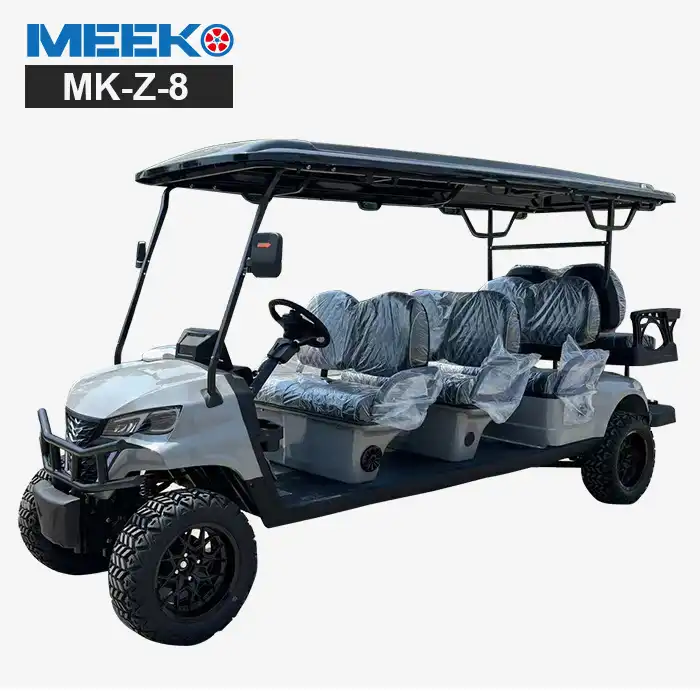
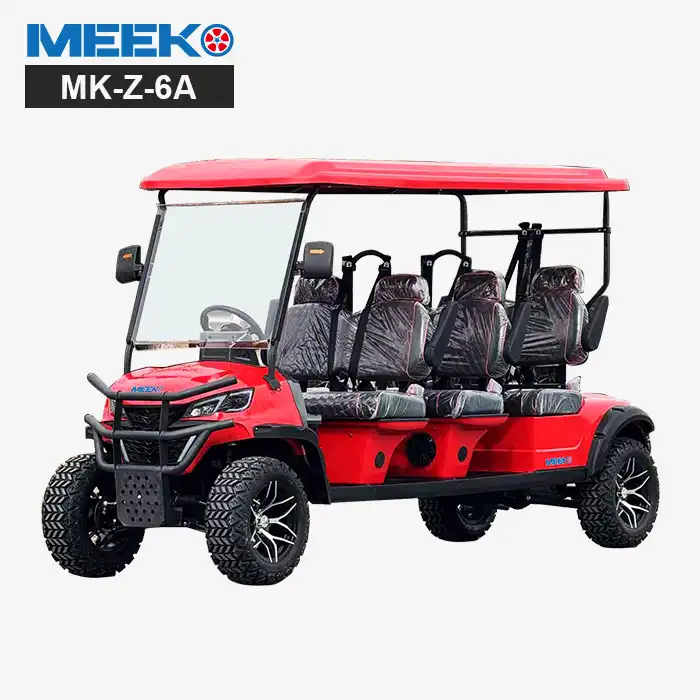
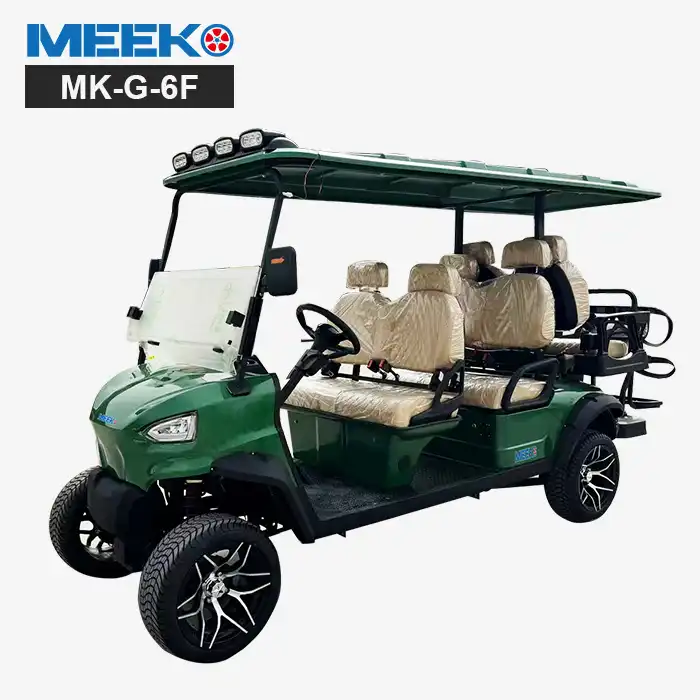
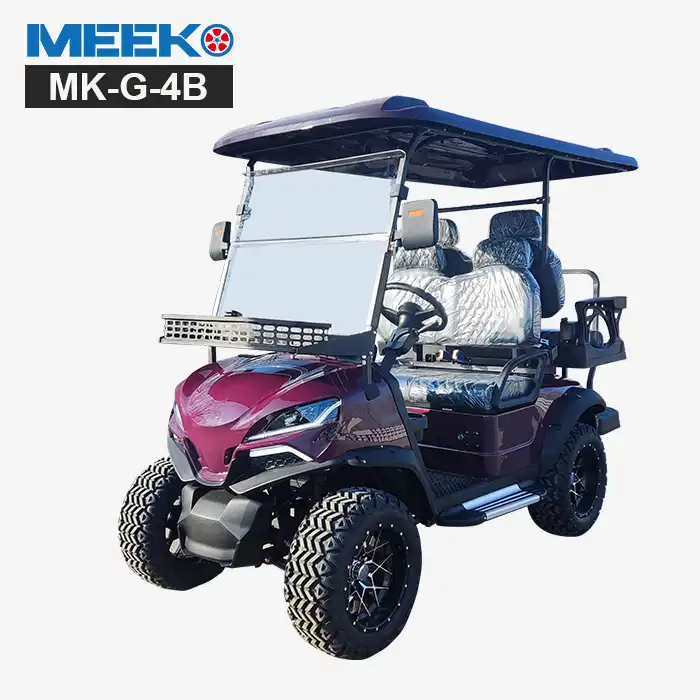
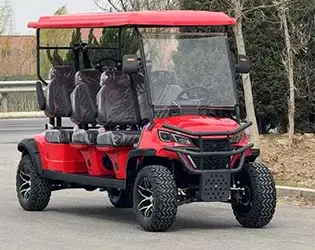
A 4wd electric golf cart revolutionizes farm and estate operations by providing superior traction, eco-friendly transportation, and unmatched versatility across challenging terrain. These powerful vehicles combine the environmental benefits of electric propulsion with the robust capability of all-wheel drive, making them perfect for agricultural tasks, property maintenance, and estate management. The enhanced grip and stability allow operators to navigate muddy fields, steep slopes, and rough pathways with confidence while maintaining zero emissions operation.
Key Parameters and Performance Indicators
Making educated choices about farm vehicle investments is made easier when you are aware of the technical details. In order to provide sufficient torque for demanding situations, modern electric golf carts with four-wheel drive usually have motor power ratings between 5 and 15 horsepower. Depending on the terrain and load conditions, batteries with capacities ranging from 48V to 72V systems can provide operating ranges of 25–50 miles per charge. Ground clearance becomes vital for estate work, with better models giving 6-10 inches of clearance to handle tough terrain. Payload capacity varies substantially, ranging from 800 to 1,500 pounds, accommodating everything from feed supplies to maintenance equipment. Climbing capabilities reaches up to 25% slope on many models, essential for steep properties and tough settings. Charging time represents another vital parameter, with most systems requiring 6-8 hours for complete battery restoration. Advanced lithium battery options reduce this timeframe while extending overall lifespan to 2,000+ charge cycles compared to traditional lead-acid alternatives.
Core Benefits for Agricultural and Estate Applications
The primary advantages of four-wheel drive electric vehicles extend far beyond basic transportation. Enhanced traction control allows seamless operation across wet grass, loose soil, and uneven surfaces that would challenge conventional two-wheel drive alternatives. This capability proves invaluable during morning dew conditions or after rainfall when traditional vehicles struggle with grip. Environmental sustainability drives many purchasing decisions, especially for organic farms and eco-conscious estate owners. Electric propulsion eliminates harmful emissions, reducing carbon footprint while maintaining quiet operation that won't disturb livestock or wildlife. The silent running characteristic also enables early morning and late evening work without noise concerns. Cost efficiency emerges through reduced fuel expenses and minimal maintenance requirements. Electric motors contain fewer moving parts than internal combustion engines, resulting in lower long-term operational costs. Battery technology improvements continue extending operational life while reducing replacement frequency. Versatility shines through customizable configurations and accessory compatibility. Cargo beds accommodate feed transport, fence repair materials, and harvesting equipment. Optional implements include spreaders, sprayers, and towing hitches for trailers and implements.
Meeko's Superior 4WD Electric Solutions vs. Competitors
Meeko's approach to electric golf cart manufacturing emphasizes customization flexibility and robust construction standards. Our diverse manufacturing molds enable personalized design services covering various styles, colors, battery configurations, wheel options, and seating arrangements to match specific farm requirements. Quality control differentiates our products from standard market offerings. We manage every production aspect from material preparation through final testing, ensuring consistent performance and reliability. Our mature technical team brings years of experience to custom design projects, helping customers achieve optimal configurations for their unique applications. Competitive advantages include direct factory pricing that eliminates middleman markups, saving thousands of dollars compared to traditional distribution channels. Fast delivery typically occurs within one week of order confirmation, minimizing downtime and project delays. Comprehensive after-sales support includes extensive parts and accessories inventory for popular models. When warranty issues arise, we ship replacement components quickly to maintain operational continuity. This commitment to customer service builds long-term relationships rather than one-time transactions.
Maximizing Performance Through Proper Usage
Strategic purchasing decisions begin with honest assessment of property requirements and intended applications. Consider terrain challenges, typical load requirements, and daily usage patterns when selecting battery capacity and motor specifications. Larger properties with steep grades benefit from higher voltage systems and enhanced suspension components. Regular maintenance practices extend vehicle lifespan and ensure reliable performance. Battery care involves proper charging habits, avoiding complete discharge cycles, and maintaining clean connections. Tire pressure monitoring becomes especially important for four-wheel drive systems where uneven wear can affect traction distribution. Seasonal preparation enhances year-round utility. Cold weather requires battery warming strategies and reduced load expectations. Summer operation benefits from shade parking and battery ventilation to prevent overheating damage. Accessory selection should align with primary use cases. Cargo bed liners protect against chemical damage from fertilizers and pesticides. Weather enclosures extend operating seasons while protecting operators from elements. Lighting upgrades enable safe early morning and evening operations.
Essential Safety and Operational Considerations
Slope operation requires understanding vehicle limitations and proper technique. Even with four-wheel drive capability, steep descents demand controlled speeds and proper weight distribution. Loading recommendations suggest keeping heavy items low and centered to maintain stability. Battery safety involves proper ventilation during charging and avoiding water exposure to electrical components. Regular inspection of cables and connections prevents dangerous shorts and ensures reliable operation. Emergency procedures should include proper shutdown sequences and emergency contact information. Terrain awareness helps prevent damage and ensures operator safety. Soft ground conditions may require tire chains or specialized tread patterns for optimal traction. Rocky surfaces benefit from increased ground clearance and protective skid plates. Weather considerations affect both performance and safety. Rain reduces traction despite four-wheel drive systems, requiring adjusted operating procedures. Lightning threats necessitate indoor storage during electrical storms to protect sensitive electronic components.
Frequently Asked Questions
Q1: How long do batteries last in farm environments?
A: Battery lifespan varies based on usage patterns and maintenance practices. Quality lithium systems typically provide 5-8 years of reliable service with proper care. Lead-acid alternatives last 3-5 years but cost less initially. Regular charging, avoiding deep discharge, and protecting from extreme temperatures maximize battery life.
Q2: Can these vehicles handle muddy conditions effectively?
A: Yes, four-wheel drive electric golf carts excel in muddy conditions compared to two-wheel alternatives. Proper tire selection enhances capability further. Aggressive tread patterns and appropriate air pressure provide optimal traction. However, extremely deep mud may still require caution to prevent getting stuck.
Q3: What maintenance is required for optimal performance?
A: Routine maintenance includes battery care, tire pressure monitoring, and cleaning connections. Monthly inspections should cover brake function, steering alignment, and suspension components. Annual service may include professional battery testing and motor inspection. Proper storage during inactive periods preserves component life.
Partner with Meeko for Your Electric Golf Cart Solutions
Choosing the right 4wd electric golf cart manufacturer impacts long-term satisfaction and operational success. Meeko combines innovative design capabilities with proven manufacturing excellence to deliver superior electric vehicles tailored to farm and estate requirements. Our commitment to quality extends from initial consultation through ongoing support, ensuring customers receive maximum value from their investment. Direct factory relationships eliminate intermediary costs while providing access to extensive customization options. Whether you need specialized cargo configurations, enhanced battery systems, or custom color schemes, our experienced team transforms concepts into reality. This flexibility proves essential for unique agricultural applications and demanding estate environments. Comprehensive support includes technical consultation, rapid parts availability, and responsive customer service. We understand operational demands and work diligently to minimize downtime through proactive maintenance recommendations and quick problem resolution. Ready to explore how our electric golf cart solutions can transform your farm or estate operations? Contact us at sales@mingkomach.com to discuss your specific requirements with our knowledgeable team.
Conclusion
Four-wheel drive electric golf carts represent practical solutions for modern farm and estate management challenges. These versatile vehicles combine environmental responsibility with robust performance capabilities essential for demanding agricultural applications. Enhanced traction, quiet operation, and customizable configurations make them valuable additions to any property management strategy. Meeko's commitment to quality manufacturing and customer support ensures long-term satisfaction and reliable performance across diverse operating conditions.
References
1. Johnson, Michael R. "Electric Vehicle Applications in Modern Agriculture." Journal of Sustainable Farming Technology, Vol. 15, No. 3, 2023, pp. 45-62.
2. Agricultural Equipment Institute. "Comparative Study of Golf Cart Performance in Farm Environments." Annual Equipment Review, 2023, pp. 112-128.
3. Thompson, Sarah L. and Davis, Robert K. "Four-Wheel Drive Systems for Small Agricultural Vehicles." International Journal of Farm Mechanization, Vol. 28, 2023, pp. 78-95.
4. Green, Patricia M. "Battery Technology Advances in Electric Utility Vehicles." Clean Energy Transportation Quarterly, Vol. 12, No. 2, 2023, pp. 34-51.
5. Wilson, James A. "Cost-Benefit Analysis of Electric vs. Gas-Powered Utility Vehicles on Farms." Farm Economics Review, Vol. 41, 2023, pp. 156-173.
6. Carter, Lisa B. "Safety Considerations for Electric Utility Vehicles in Agricultural Settings." Agricultural Safety Journal, Vol. 19, No. 4, 2023, pp. 89-104.