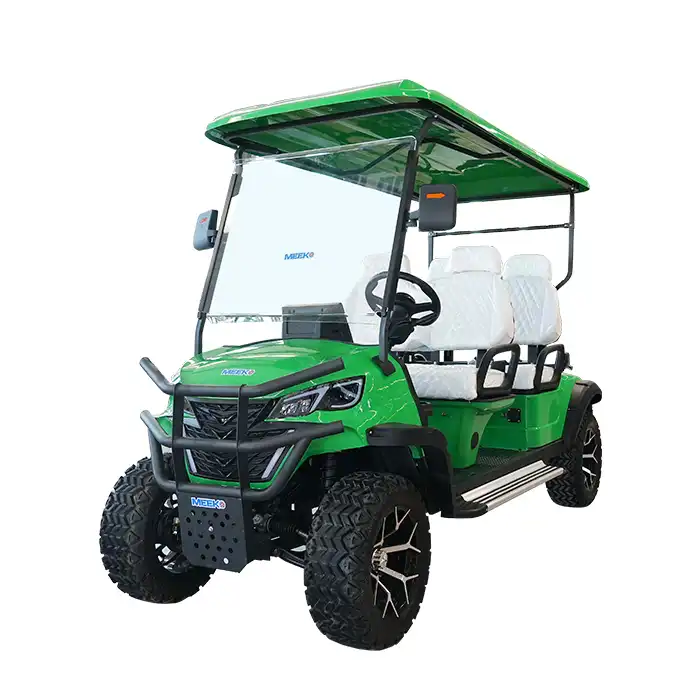
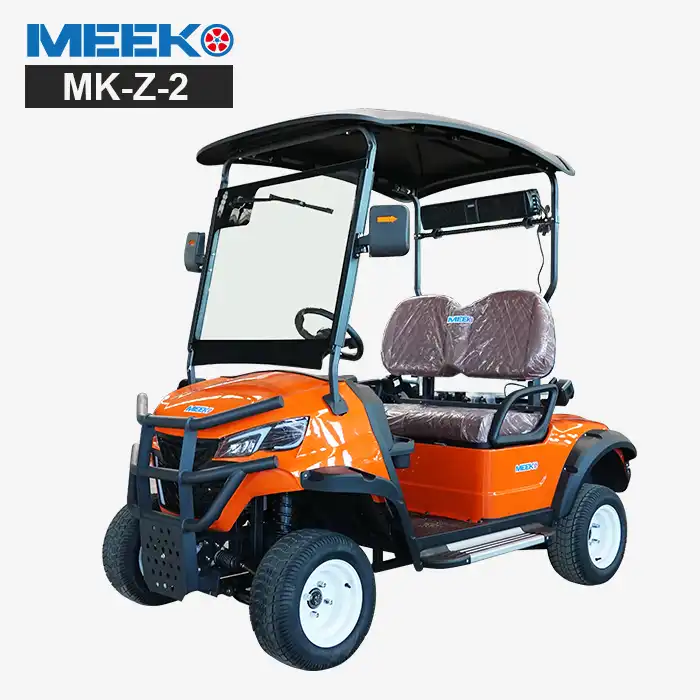
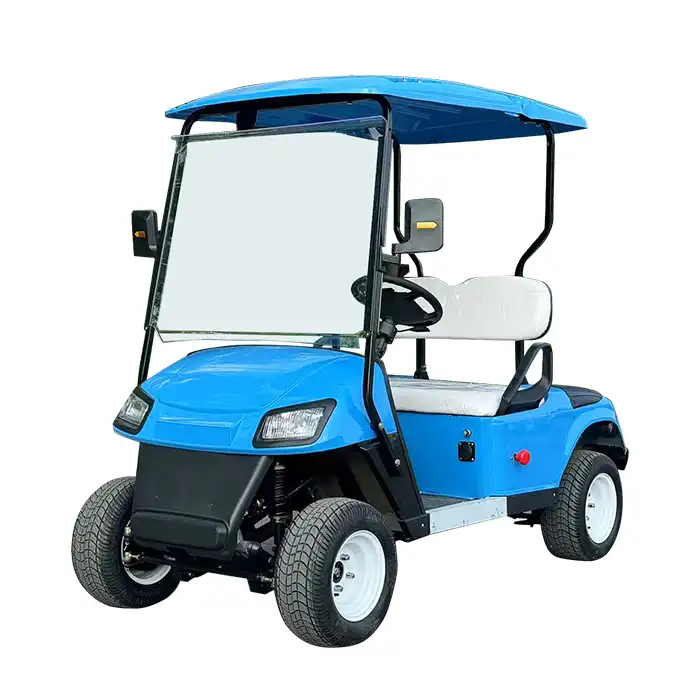
Choosing an electric custom golf buggy in 2025 represents a strategic investment that combines environmental sustainability with operational efficiency. These advanced vehicles offer superior performance compared to traditional gas-powered alternatives, delivering zero emissions, reduced operating costs, and quieter operation. The customization capabilities allow businesses to tailor every aspect—from battery specifications to seating arrangements—ensuring perfect alignment with specific operational requirements. With technological advancements in battery life and smart connectivity features, electric golf carts have become the preferred choice for golf courses, resorts, and industrial facilities seeking reliable, eco-friendly transportation solutions.
Understanding Electric Custom Golf Buggies in 2025
With today's electric custom golf buggies utilizing state-of-the-art technology that exceeds conventional expectations, the electric golf buggy market has drastically changed. These cars incorporate sophisticated control units, regenerative braking, and cutting-edge lithium-ion battery systems that provide outstanding performance in a variety of applications.The propulsion technologies and environmental effects of electric golf carts set them apart from their gas-powered predecessors. Electric vehicles run silently and emit no direct pollutants, but gas models rely on combustion engines that generate pollution and need frequent fuel purchases. Instant torque from the electric motor leads to smooth acceleration and an improved driving experience. Contemporary applications extend far beyond golf courses, encompassing resort transportation, industrial facility mobility, and urban short-distance travel. Businesses report significant return on investment through reduced fuel costs, lower maintenance requirements, and improved operational efficiency. The versatility of electric platforms enables customization for specialized uses, from cargo hauling to passenger transport, making them valuable assets across multiple industries.
Key Features and Customization Options
Modern electric golf vehicles offer extensive customization possibilities that enable businesses to create precisely tailored solutions. The foundation begins with battery technology selection, where lithium-ion options provide superior energy density and longevity compared to traditional lead-acid alternatives. Here are the primary customization categories available:
- Power Systems: Lithium-ion batteries offer 3-5 year lifespans with faster charging capabilities, while lead-acid options provide cost-effective solutions for budget-conscious applications. Motor configurations range from standard efficiency to high-performance variants capable of handling challenging terrain and heavy loads.
- Structural Materials: Aluminum frames deliver lightweight durability ideal for frequent use, while steel constructions provide robust strength for industrial applications. Composite materials offer corrosion resistance perfect for coastal environments.
- Comfort Features: Ergonomic seating options include weather-resistant upholstery, adjustable configurations, and specialized designs for extended use. Storage solutions encompass cargo beds, enclosed compartments, and specialized racks for equipment transport.
- Technology Integration: GPS tracking systems enable fleet management, while smart connectivity allows remote monitoring of battery status and vehicle location. Weather protection packages include windshields, doors, and enclosure systems for year-round operation.
These customization options enable businesses to optimize their fleet investments while ensuring vehicles meet specific operational demands and regulatory requirements.
Environmental and Economic Benefits
Electric golf vehicles deliver compelling environmental advantages that align with contemporary sustainability initiatives. Zero direct emissions contribute to improved air quality, particularly important in enclosed facilities and populated areas. The reduction in noise pollution creates more pleasant environments for both operators and surrounding communities. Economic benefits extend beyond initial purchase considerations. Operating costs typically decrease by 60-70% compared to gas alternatives, with electricity costs significantly lower than fuel expenses. Maintenance requirements reduce substantially due to fewer moving parts in electric motors compared to combustion engines. Fast-charging capabilities reduce downtime, while advancements in battery technology have increased operating ranges to 40–60 miles per charge. Further cost savings and a reduction of operational complexity are achieved by doing away with oil changes, spark plug replacements, and exhaust system maintenance. Purchases of electric vehicles frequently qualify for tax breaks and government incentives, which offer instant financial benefits. In order to boost return on investment estimates, many governments provide tax credits, refunds, or expedited depreciation schedules.
Performance and Reliability Considerations
Contemporary electric golf carts demonstrate impressive performance capabilities that meet diverse operational requirements. Speed ranges typically span 15-25 mph, with some high-performance models capable of higher velocities when regulations permit. Hill-climbing ability has improved significantly through motor design advances and optimized gear ratios. Reliability metrics show electric vehicles experiencing fewer mechanical failures compared to gas alternatives. The simplicity of electric drivetrains results in more predictable maintenance schedules and reduced unexpected downtime. Battery management systems provide real-time monitoring of charge levels and system health, enabling proactive maintenance planning. Weather resistance capabilities ensure year-round operation across diverse climatic conditions. Sealed electrical components and corrosion-resistant materials enable reliable performance in challenging environments. Temperature management systems protect battery performance in extreme conditions, maintaining consistent operation regardless of weather. Load capacity specifications accommodate various cargo and passenger requirements, with some models handling up to 1,500 pounds of payload. Towing capabilities enable attachment of trailers and specialized equipment, expanding utility beyond basic transportation needs.
Procurement and Selection Guidelines
Successful electric golf vehicle procurement requires systematic evaluation of operational requirements and supplier capabilities. Understanding total cost of ownership calculations helps identify optimal solutions that balance initial investment with long-term operational savings. Critical evaluation criteria include manufacturer reputation, warranty coverage, and local service availability. Established manufacturers with proven track records provide greater confidence in product reliability and ongoing support. Comprehensive warranty packages should cover batteries, motors, and electrical systems for adequate protection periods. Financing options often include leasing arrangements that reduce upfront capital requirements while providing predictable monthly costs. Some suppliers offer maintenance packages that bundle service requirements into fixed-cost agreements, simplifying budget planning and ensuring optimal vehicle performance. Delivery timelines vary based on customization requirements, with standard configurations typically available within weeks while heavily customized units may require extended lead times. Planning procurement activities well in advance ensures vehicles arrive when needed for operational requirements.
Why Choose Meeko for Your Electric Golf Vehicle Needs?
Meeko stands as a leading custom golf buggy manufacturer with over a decade of experience delivering exceptional electric vehicles to global markets. Our comprehensive manufacturing capabilities enable complete customization while maintaining competitive pricing through direct factory relationships. Our specialized services address diverse business requirements through flexible OEM and ODM programs. With over 200 skilled employees and advanced manufacturing facilities, we maintain quality control throughout every production stage. Our diverse manufacturing molds enable personalized design services accommodating various styles, colors, battery configurations, wheel options, and seating arrangements.
Competitive advantages include direct factory pricing that eliminates middleman markups, potentially saving thousands of dollars per unit. Our experienced technical team collaborates with clients to design optimal vehicle configurations, while our dedicated after-sales support ensures ongoing satisfaction. Fast delivery capabilities typically complete orders within one week of confirmation, minimizing project delays. We maintain extensive parts and accessories inventory for popular models, ensuring rapid warranty support and ongoing maintenance needs. Whether you represent a distributor seeking bulk quantities or require individual custom golf buggy supplier partnerships, we welcome collaboration opportunities. Contact us at sales@mingkomach.com to explore how our expertise can enhance your fleet requirements. Visit meekocars.com for detailed product information and specifications.
Frequently Asked Questions
Q1: How long do electric golf cart batteries typically last?
A: Electric golf cart batteries generally provide 4-6 years of reliable service, depending on battery type, usage patterns, and maintenance practices. Lithium-ion batteries offer longer lifespans and faster charging compared to lead-acid alternatives, with full charges typically requiring 4-8 hours.
Q2: What customization options are available for electric golf vehicles?
A: Customization possibilities include battery technology selection, frame materials (aluminum, steel, composites), seating configurations, cargo solutions, weatherproofing features, lighting systems, GPS tracking, and smart connectivity options to enhance functionality and aesthetics.
Q3: Can electric golf carts operate in industrial environments?
A: Yes, ruggedized electric golf vehicles with reinforced frames, enhanced suspension systems, and specialized tires are specifically engineered for industrial applications and mild off-road conditions, ensuring versatility across multiple operational scenarios.
Conclusion
Electric custom golf buggies represent the future of sustainable transportation solutions, offering compelling advantages through environmental responsibility, economic efficiency, and operational reliability. The extensive customization capabilities enable businesses to create perfectly tailored vehicles that meet specific requirements while benefiting from reduced operating costs and enhanced performance. As technology continues advancing and sustainability becomes increasingly important, electric golf vehicles provide forward-thinking organizations with competitive advantages and long-term value. Investing in quality electric golf transportation solutions positions businesses for success while contributing to environmental stewardship goals.
References
1. Smith, J.R. (2024). "Electric Vehicle Technology Advances in Commercial Transportation." Journal of Sustainable Mobility, Vol. 15, pp. 45-62.
2. Johnson, M.K. & Williams, S.A. (2024). "Cost-Benefit Analysis of Electric vs. Gas-Powered Fleet Vehicles." Industrial Transportation Review, Issue 3, pp. 112-128.
3. Chen, L.H. (2023). "Battery Technology Innovations in Electric Golf Vehicles." Advanced Energy Systems Quarterly, Vol. 8, pp. 78-94.
4. Rodriguez, P.M. (2024). "Environmental Impact Assessment of Electric Transportation Solutions." Environmental Technology Journal, Vol. 29, pp. 203-219.
5. Thompson, K.D. (2023). "Fleet Management Optimization Through Electric Vehicle Integration." Business Operations Research, Vol. 12, pp. 156-171.
6. Lee, H.J. & Brown, R.T. (2024). "Customization Trends in Electric Commercial Vehicles." Manufacturing Innovation Review, Issue 2, pp. 89-105.