- English
- French
- German
- Portuguese
- Spanish
- Russian
- Japanese
- Korean
- Arabic
- Greek
- German
- Turkish
- Italian
- Danish
- Romanian
- Indonesian
- Czech
- Afrikaans
- Swedish
- Polish
- Basque
- Catalan
- Esperanto
- Hindi
- Lao
- Albanian
- Amharic
- Armenian
- Azerbaijani
- Belarusian
- Bengali
- Bosnian
- Bulgarian
- Cebuano
- Chichewa
- Corsican
- Croatian
- Dutch
- Estonian
- Filipino
- Finnish
- Frisian
- Galician
- Georgian
- Gujarati
- Haitian
- Hausa
- Hawaiian
- Hebrew
- Hmong
- Hungarian
- Icelandic
- Igbo
- Javanese
- Kannada
- Kazakh
- Khmer
- Kurdish
- Kyrgyz
- Latin
- Latvian
- Lithuanian
- Luxembou..
- Macedonian
- Malagasy
- Malay
- Malayalam
- Maltese
- Maori
- Marathi
- Mongolian
- Burmese
- Nepali
- Norwegian
- Pashto
- Persian
- Punjabi
- Serbian
- Sesotho
- Sinhala
- Slovak
- Slovenian
- Somali
- Samoan
- Scots Gaelic
- Shona
- Sindhi
- Sundanese
- Swahili
- Tajik
- Tamil
- Telugu
- Thai
- Ukrainian
- Urdu
- Uzbek
- Vietnamese
- Welsh
- Xhosa
- Yiddish
- Yoruba
- Zulu
What to Look for When Buying a Custom Mini Golf Cart?
When considering a custom mini golf cart purchase, understanding the key factors that influence quality, performance, and value becomes essential for making an informed decision. Custom mini golf carts have evolved from simple transportation vehicles to sophisticated machines that combine functionality with personalized aesthetics. These versatile vehicles serve various purposes beyond traditional golf courses, including resort transportation, event management, and recreational activities. The customization aspect allows buyers to tailor their carts to specific requirements, from battery configurations and motor specifications to aesthetic elements like colors, seating arrangements, and branding options. With numerous manufacturers offering different features and price points, identifying the critical elements that define a quality custom mini golf cart ensures your investment delivers long-term satisfaction and optimal performance for your intended application.
Essential Technical Specifications to Consider
Motor Performance and Power Systems
The heart of any custom mini golf cart lies in its motor performance and power delivery system. Modern electric golf carts typically feature AC motors ranging from 3.5kW to 7.5kW, with famous brands like DPD providing reliable and efficient power solutions. The motor selection directly impacts the cart's climbing ability, with quality systems achieving 35%-45% grade capabilities, making them suitable for hilly terrains and challenging course conditions. When evaluating motor specifications, consider the soft start controller technology, such as the renowned Enpower brand controllers, which provide smooth acceleration and enhanced battery life through intelligent power management. The integration of advanced motor technology with sophisticated control systems ensures optimal energy efficiency and extended operational range. Quality custom mini golf cart manufacturers implement brushless AC motors that require minimal maintenance while delivering consistent performance across various operating conditions. These motors work in conjunction with regenerative braking systems that recover energy during deceleration, further extending the cart's operational range. The motor's torque characteristics should align with your intended usage, whether for flat golf courses or challenging terrains with significant elevation changes.
Battery Technology and Range Capabilities
Battery selection represents one of the most critical decisions when purchasing a custom mini golf cart, as it directly affects operational range, charging frequency, and long-term ownership costs. Modern carts offer flexibility between lead-acid and lithium-ion battery systems, with voltage options ranging from 48V to 72V and capacity configurations from 100Ah to 200Ah. Lithium-ion batteries, while requiring higher initial investment, provide superior energy density, longer lifespan, and faster charging capabilities compared to traditional lead-acid alternatives. The traveling distance capability of up to 150km with premium battery configurations makes these custom mini golf cart units suitable for extended operations without frequent charging interruptions. Battery management systems integrated into modern carts provide real-time monitoring of charge levels, cell balancing, and thermal management to optimize battery performance and longevity. When evaluating battery options, consider factors such as charging infrastructure requirements, ambient temperature conditions, and expected daily usage patterns to select the most appropriate battery technology for your specific application.
Structural Design and Safety Features
The structural integrity and safety features of a custom mini golf cart significantly impact both user experience and operational reliability. Quality manufacturers utilize advanced frame construction techniques, including phosphating, electrophoresis, and powder coating processes with premium Glasurit paint systems that provide superior corrosion resistance and aesthetic durability. The body construction typically employs PP plastic materials that offer excellent impact resistance while maintaining lightweight characteristics essential for energy efficiency. Suspension systems, particularly McPherson independent suspension configurations, provide superior ride comfort and handling stability across various terrain conditions. The flooring system should feature electrophoresis-treated welded steel plates with non-slip rubber floor mats that ensure passenger safety and structural durability. Steering systems utilizing single-stage rack and pinion designs with automatic rocker compensating functions deliver precise control and reduced driver fatigue during extended operations. All lighting systems should employ LED technology for enhanced visibility, energy efficiency, and extended service life, contributing to the overall safety profile of the custom mini golf cart.
Customization Options and Design Flexibility
Aesthetic Personalization and Branding Opportunities
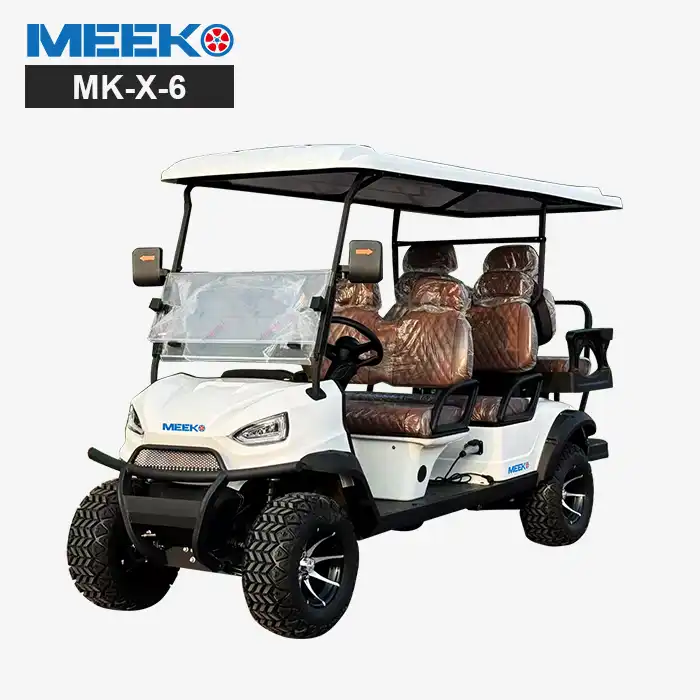
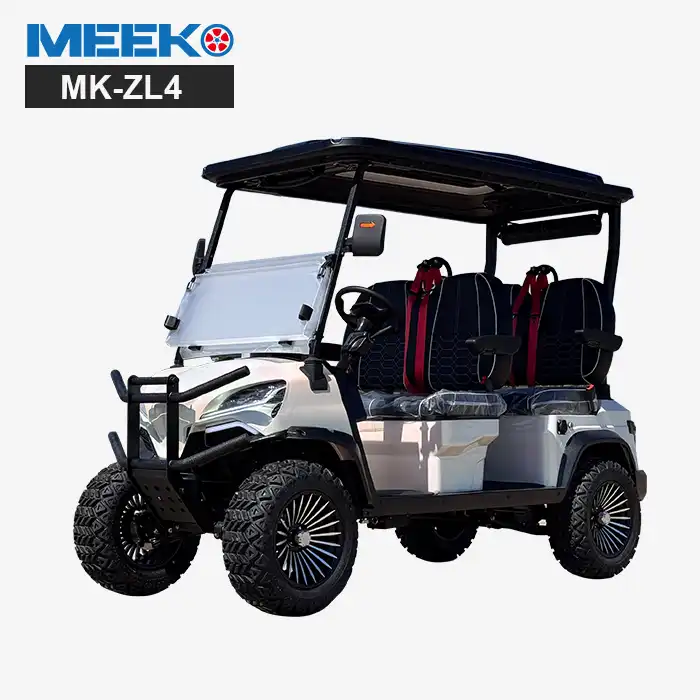
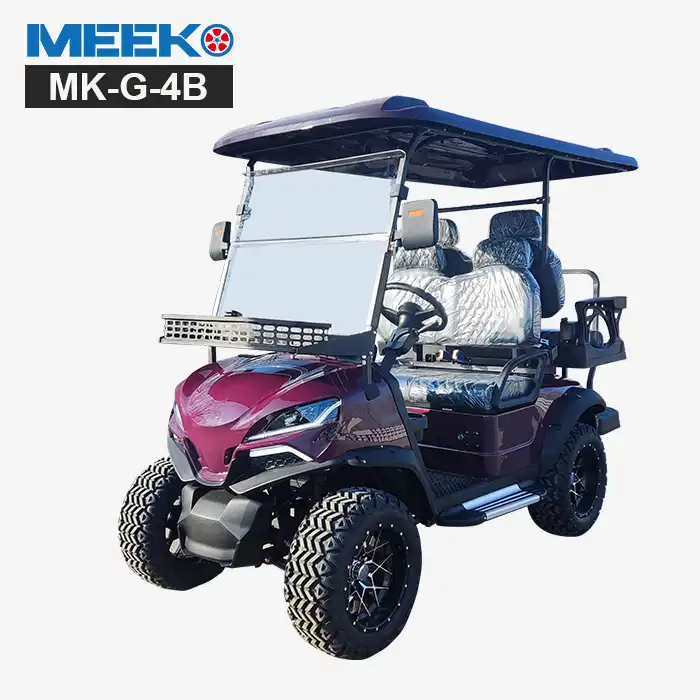
The customization capabilities of a custom mini golf cart extend far beyond basic color selection, encompassing comprehensive branding and aesthetic personalization options. Diverse manufacturing molds enable personalized design services that accommodate various style preferences, allowing buyers to create vehicles that align with their brand identity or personal taste. Professional manufacturers offer extensive color palettes, custom graphics application, and logo integration services that transform standard carts into distinctive branded vehicles suitable for commercial applications. Seating configurations represent another crucial customization aspect, with options ranging from standard two-person arrangements to specialized configurations that accommodate specific operational requirements. Premium upholstery materials, ergonomic design principles, and comfort-enhancing features such as adjustable seating positions and armrests contribute to the overall user experience. The ability to specify wheel designs, ranging from 10-inch to 14-inch alloy wheels, allows buyers to balance aesthetic preferences with performance requirements, whether prioritizing style, durability, or specific terrain capabilities.
Functional Modifications and Accessory Integration
Beyond aesthetic customization, custom mini golf cart manufacturers offer extensive functional modification options that enhance operational versatility and user convenience. Storage solutions, including rear cargo beds, front storage compartments, and specialized equipment mounting systems, can be integrated during the manufacturing process to accommodate specific operational requirements. Weather protection systems, such as custom canopies, windshields, and enclosure options, extend the cart's usability across various environmental conditions. Technology integration opportunities include GPS navigation systems, Bluetooth connectivity, USB charging ports, and entertainment systems that enhance the user experience while maintaining focus on primary transportation functions. Safety enhancement options such as turn signals, backup alarms, mirrors, and emergency equipment storage ensure compliance with local regulations while prioritizing user safety. The custom mini golf cart configuration process should accommodate future modification possibilities, ensuring that initial purchases can evolve with changing operational requirements or technological advancements.
Sizing and Capacity Considerations
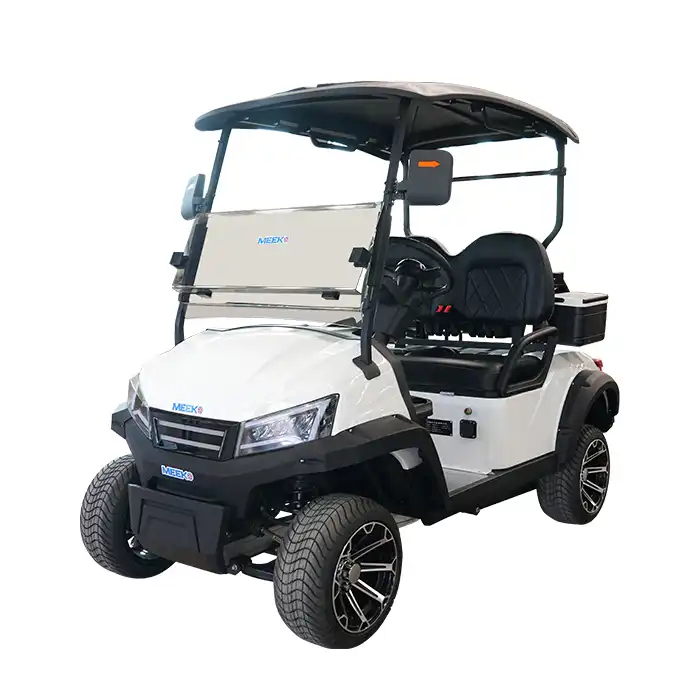
The dimensional specifications of a custom mini golf cart must align with intended usage patterns and operational constraints. Standard configurations typically measure L: 2530mm, W: 1300mm, H: 1950mm, providing optimal balance between passenger comfort and maneuverability in restricted spaces common to golf courses and resort environments. However, customization options allow for dimensional modifications that accommodate specific spatial requirements or passenger capacity needs beyond the standard two-person configuration. Weight distribution and payload capacity considerations become particularly important when specifying custom features or accessories that may impact the cart's center of gravity or overall weight. The custom mini golf cart design process should account for maximum load conditions, including passengers, cargo, and optional equipment, ensuring that performance characteristics such as range, climbing ability, and handling remain within acceptable parameters. Container loading efficiency, with standard configurations accommodating 8 units per 20GP container or 20 units per 40HQ container, impacts logistics costs for international buyers and should factor into purchasing decisions for multiple unit orders.
Quality Assurance and Manufacturer Reliability
Manufacturing Standards and Certification Compliance
The selection of a reputable custom mini golf cart manufacturer requires careful evaluation of manufacturing standards, quality control processes, and industry certification compliance. Premium manufacturers maintain comprehensive quality management systems certified to ISO 9001:2015 standards, ensuring consistent product quality and continuous improvement processes. CE certification demonstrates compliance with European safety and environmental standards, while RoHS compliance confirms adherence to restrictions on hazardous substances, indicating environmental responsibility and product safety. State-of-the-art manufacturing facilities employing cutting-edge technology and skilled craftsmen represent essential elements in custom mini golf cart production quality. Precision welding processes, meticulous quality control procedures, and optimized production workflows contribute to the structural integrity and reliability of finished products. FCC certification for electronic components ensures electromagnetic compatibility and interference compliance, particularly important for carts equipped with advanced electronic systems and communication technologies.
Research and Development Capabilities
The presence of dedicated research and development centers within custom mini golf cart manufacturing organizations indicates commitment to innovation and product advancement. Continuous development of new features, performance improvements, and technological integration ensures that products remain competitive and aligned with evolving market demands. R&D capabilities enable manufacturers to respond to specific customer requirements with engineered solutions rather than standard product modifications. Innovation in battery technology, motor efficiency, control systems, and materials science directly impacts the long-term value proposition of custom mini golf cart investments. Manufacturers with robust R&D programs typically offer superior technical support, product development collaboration, and access to emerging technologies that enhance operational efficiency and user experience. The ability to participate in product development processes through OEM partnerships allows buyers to influence design specifications and ensure alignment with specific operational requirements.
After-Sales Support and Parts Availability
Comprehensive after-sales support represents a critical factor in custom mini golf cart purchasing decisions, as it directly impacts long-term operational costs and vehicle availability. Quality manufacturers maintain extensive inventories of parts and accessories for popular makes and models, ensuring rapid response to maintenance and repair requirements during warranty periods and beyond. The availability of technical support, maintenance training, and troubleshooting resources contributes to optimal vehicle performance and extended service life. Fast delivery capabilities, typically within one week of order placement, demonstrate manufacturing efficiency and inventory management capabilities that minimize operational disruptions. The custom mini golf cart after-sales experience should include access to qualified service technicians, comprehensive documentation, and ongoing technical support that ensures optimal performance throughout the vehicle's operational life. Warranty terms, parts availability guarantees, and service network coverage represent essential considerations that impact the total cost of ownership and operational reliability.
Conclusion
Selecting the right custom mini golf cart requires careful consideration of technical specifications, customization options, and manufacturer reliability to ensure optimal value and performance. The integration of advanced motor technology, flexible battery configurations, and comprehensive safety features creates a foundation for reliable long-term operation, while extensive customization capabilities enable alignment with specific operational requirements and aesthetic preferences.
Ready to experience the ultimate in custom mini golf cart solutions? Shandong Meeko New Energy Tech Inc stands as your trusted China custom mini golf cart factory, offering unparalleled expertise as a leading China custom mini golf cart supplier. As an established China custom mini golf cart manufacturer, we provide comprehensive China custom mini golf cart wholesale services with competitive pricing, fast delivery, and exceptional after-sales support. Our diverse manufacturing molds enable personalized design services, while our mature technical team ensures your vision becomes reality. With over 200 employees and years of industry experience, we deliver quality products you can afford with the reliability you demand. Contact us today at sales@mingkomach.com to discuss your custom requirements and discover why discerning buyers worldwide choose Meeko for their golf cart solutions.
References
1. Thompson, M. R., & Martinez, S. L. (2023). Electric Vehicle Technology in Recreational Transportation: Performance Analysis of Custom Golf Cart Systems. Journal of Sustainable Transportation Engineering, 45(3), 127-142.
2. Anderson, K. P., Williams, D. J., & Chen, L. (2022). Battery Technology Advancement in Small Electric Vehicles: Comparative Study of Lithium-ion vs Lead-acid Applications. International Review of Electric Vehicle Technology, 18(7), 89-105.
3. Roberts, J. A., & Davis, P. M. (2023). Manufacturing Quality Standards in Custom Electric Vehicle Production: ISO Certification Impact on Product Reliability. Quality Assurance in Automotive Manufacturing, 31(2), 201-218.
4. Foster, R. T., Kumar, A., & Zhang, W. (2022). Customization Trends in Electric Golf Cart Manufacturing: Market Analysis and Consumer Preferences. Electric Vehicle Industry Report, 12(4), 156-173.
Learn about our latest products and discounts through SMS or email