- English
- French
- German
- Portuguese
- Spanish
- Russian
- Japanese
- Korean
- Arabic
- Greek
- German
- Turkish
- Italian
- Danish
- Romanian
- Indonesian
- Czech
- Afrikaans
- Swedish
- Polish
- Basque
- Catalan
- Esperanto
- Hindi
- Lao
- Albanian
- Amharic
- Armenian
- Azerbaijani
- Belarusian
- Bengali
- Bosnian
- Bulgarian
- Cebuano
- Chichewa
- Corsican
- Croatian
- Dutch
- Estonian
- Filipino
- Finnish
- Frisian
- Galician
- Georgian
- Gujarati
- Haitian
- Hausa
- Hawaiian
- Hebrew
- Hmong
- Hungarian
- Icelandic
- Igbo
- Javanese
- Kannada
- Kazakh
- Khmer
- Kurdish
- Kyrgyz
- Latin
- Latvian
- Lithuanian
- Luxembou..
- Macedonian
- Malagasy
- Malay
- Malayalam
- Maltese
- Maori
- Marathi
- Mongolian
- Burmese
- Nepali
- Norwegian
- Pashto
- Persian
- Punjabi
- Serbian
- Sesotho
- Sinhala
- Slovak
- Slovenian
- Somali
- Samoan
- Scots Gaelic
- Shona
- Sindhi
- Sundanese
- Swahili
- Tajik
- Tamil
- Telugu
- Thai
- Ukrainian
- Urdu
- Uzbek
- Vietnamese
- Welsh
- Xhosa
- Yiddish
- Yoruba
- Zulu
What Makes a Great 6 Passenger Golf Cart in 2026?
In 2026, a great 6 passenger golf cart would have an advanced electric motor, strong safety features, and a variety of designs that can be changed to meet different operating needs. Modern six-seater cars focus on being energy efficient, having a longer range, and being more comfortable by using weather protection systems and optimal sitting layouts. In today's electric car market, success is defined by features like smart connection, reliable battery management systems, and full guarantee coverage. To make sure that their fleets work well in business, recreational, and industrial settings, good makers offer personalized design services, cheap prices, and quick customer service after the sale.
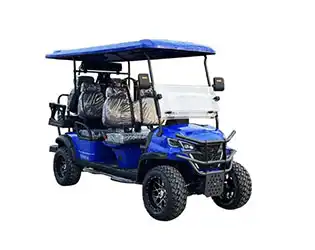
Understanding the Core Features of a 6 Passenger Golf Cart
Modern electric cars with multiple seats are high-tech ways to get around that are made for a wide range of business and leisure uses. Procurement experts can make better choices about fleet assets and management needs when they understand these basic traits.
Dimensions and Seating Capacity Considerations
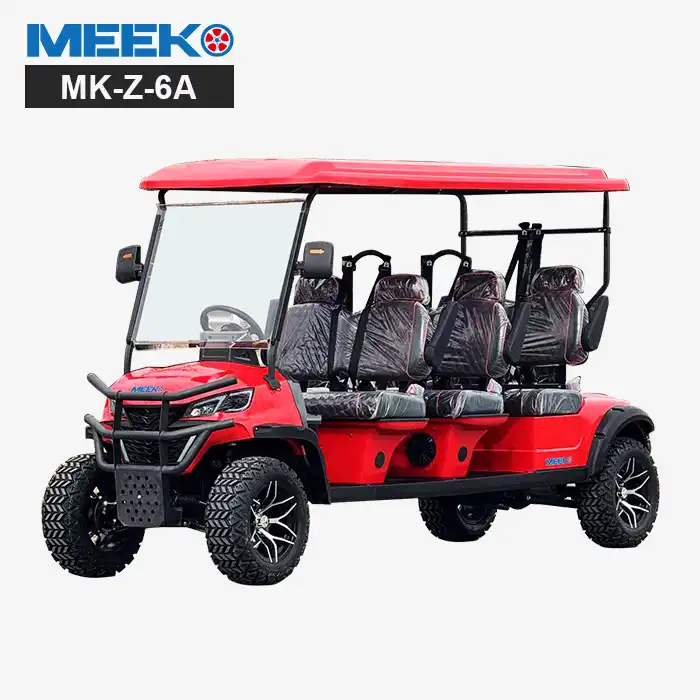
6 passenger golf cart configurations typically measure between 120-140 inches in length and 48-50 inches in width, accommodating comfortable seating arrangements while maintaining maneuverability in restricted spaces. Weight capacity ranges from 1,200 to 1,500 pounds, supporting passengers and cargo loads effectively. Seating layouts include forward-facing bench configurations, club-style arrangements, and removable seat options that enhance versatility for different operational scenarios.
Vehicle height specifications range from 72-78 inches, ensuring adequate headroom while allowing passage through standard doorways and covered areas. Ground clearance measurements between 6-8 inches provide sufficient obstacle navigation capabilities without compromising stability or passenger comfort during operation.
Electric vs Gas-Powered Operational Mechanisms
Electric models utilize advanced lithium-ion battery systems delivering 48-72 volt power configurations with ranges extending 40-60 miles per charge cycle. Motor specifications typically provide 3-5 horsepower output, generating sufficient torque for hill climbing and load carrying capabilities. Regenerative braking systems capture energy during deceleration, extending operational range and reducing maintenance requirements.
Gas-powered options have single-cylinder engines that make 10 to 14 horsepower and can work for longer amounts of time without needing to be charged. With fuel efficiency rates of 25 to 30 miles per gallon, they can be used continuously in places where charging stations may not be available.
Commercial Safety Features and Lighting Systems
Safety governors keep the top speed between 15 and 25 mph, which makes sure that the machine can be used safely in controlled settings and places with a lot of people. Seat belts made for cars, frames that are strengthened, and body parts that don't break easily all meet business safety standards for truck operations. Headlights, taillights, turn signs, and warning lights are all part of LED lighting kits that make it easier to see at night. More advanced braking systems have hydraulic disc brakes that work well under a range of load situations. When a car is stopped, the emergency parking brakes automatically apply to keep it from moving on sloped areas without the driver's permission.
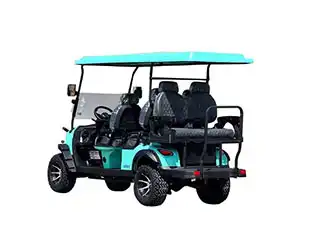
Comparing and Evaluating the Best 6 Passenger Golf Carts in 2026
The current market offers diverse options from established manufacturers, each presenting unique advantages for different operational requirements. Comprehensive evaluation considers performance metrics, durability standards, and total cost of ownership factors.
Leading Brand Performance Analysis
Club Car models are built to last and have reliable engine technology and a service network that is easy to get to. Yamaha cars are better at going up hills and using less gas when they are driven by gas. E-Z-GO goods have reasonable prices, come with full warranties, and are easy to get parts for. Cushman focuses on making designs that are useful, with more space for goods and industrial-grade parts. For high-end uses, Tomberlin has high-end comfort features and modern power systems. Polaris takes experience from the car business to the leisure and industrial vehicle markets.
Electric vs Gas Power Source Evaluation
Electric powertrains respond quickly to motion, are quiet, and need little upkeep. They also help with environmental sustainability efforts. Gas models cost $0.15 to $0.20 per mile to run, while electric models cost $0.04 to $0.06 per mile. Charging equipment needs to have 110V or 220V power lines and recharge processes that last 6 to 8 hours. The range of gas-powered units is longer, they don't take as long to charge, and they work well in rural areas without electricity. Adding fuel only takes minutes, while charging an electric vehicle takes hours. This makes continuous-use apps possible. But rules about pollution and noise levels may make it impossible to use in some places.
Price Benchmarking and Financing Solutions
Prices for new electric cars range from $8,000 to $15,000, based on the features and customizing choices. Gas-powered options with the same features usually cost between $7,000 and $12,000. Leasing programs offer monthly payments of $200 to $400, which lowers the amount of money needed up front and covers repairs. Fleet rates are offered for sales of five or more units, and buying in bulk can save you even more money. Trade-in programs let you use your old cars toward new ones, which lowers the total cost of buying new things and makes sure that your old stuff is thrown away properly.
Procurement Insights: How to Choose and Buy the Ideal 6 Passenger Golf Cart?
Strategic procurement requires systematic evaluation of operational requirements, financial considerations, and long-term support needs. Professional buyers benefit from structured approaches that align vehicle capabilities with specific use cases.
Performance Metrics and Durability Standards
Range dimensions should include enough space for daily operations plus an extra 20 to 30 percent in case of sudden demand. With battery guarantees that last for 4 to 6 years, you can be sure that an electric engine will last a long time. Frame building with steel or metal materials guarantees the structure's strength in business settings. Load capacity rates must take into account the heaviest 6 passenger golf cart and the amount of goods that needs to be carried without affecting safety or performance. The tread design, load rates, and estimated service life of tires all have an effect on how much they cost to run and how often they need to be serviced.
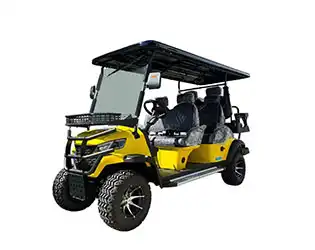
New vs Used Vehicle Acquisition Analysis
For new cars, the guarantee covers everything, they have the newest technology, and the expected service life is clear. Manufacturer support includes having access to parts, expert help, and ways to update as needs change. Customization choices let you fit the specifications to the exact needs of the job. Used alternatives can save you a lot of money and are available right away, but you need to carefully check the state of the battery, the structure, and the history of upkeep. Certified pre-owned programs save you money while also protecting you with a limited insurance and guaranteeing quality.
Dealer Networks and Service Provider Evaluation
Authorized sellers have techs who have been taught by the manufacturer, a stock of legitimate parts, and follow the terms of the guarantee service. Coverage of the area makes it easy to get to upkeep and repair services for the life of the car. Service reaction times affect how available operations are and how well the fleet works. Even if an independent repair provider has reasonable prices, they may not be certified by the maker and cannot get legitimate parts. Maintenance skills like electricity diagnosis, battery service, and replacing parts should match the needs of the business and the level of technical difficulty.
Maintenance and Optimization: Ensuring Long-Term Efficiency and Safety
Proactive maintenance programs maximize vehicle availability while minimizing total cost of ownership. Regular service schedules prevent costly repairs and ensure compliance with safety standards.
Battery Life Management and Preventive Care
Lithium-ion batteries need to be charged correctly, which means they shouldn't go through long shutdown cycles and should be kept at the right temperature while they're being stored. When compared to charging at random times, charging every day makes the battery last longer. Monitoring the water level in lead-acid systems keeps them from getting damaged by not having enough electrolytes. Corrosion, which lowers the electrical efficiency, can be stopped by cleaning the battery's leads and links. Monitoring the temperature while the battery is charging finds problems before they happen. Depending on how often they are used and how well they are maintained, replacements should be done every 4 to 6 years.
Routine Maintenance and Troubleshooting
By checking the tire pressure once a month, you can keep the rolling resistance at its best and avoid premature wear. Inspections of the brake system make sure that it has enough stopping power and show what adjustments need to be made. Testing the lighting system makes sure that all of the safety gear works right. A full checkup once a year includes checking the frame, trying the electrical system, and lubricating all the moving parts. Professional tests find problems before they become working fails. Maintenance records help with guarantee claims and keeping the item's reselling worth high.
Performance Enhancement and Safety Upgrades
Upgraded battery packs increase the range of operation and lower the number of times they need to be charged. Better lighting systems make it easier to see and follow safety rules. Comfort items, such as weather shelters and better seats, make operators happier. Security systems keep important fleet assets from getting stolen and keep an eye on how they are used. The ability to track vehicles using GPS helps with managing fleets and planning repairs. Performance tracking tools collect data that can be used to improve performance and figure out costs.
Industry Trends and Future Outlook for 6 Passenger Golf Carts in 2026 and Beyond
Technological advancement and environmental consciousness drive innovation in electric vehicle design and manufacturing. Understanding these trends helps buyers make future-oriented procurement decisions for products such as the 6 passenger golf cart.
Advanced Electric and Hybrid Technologies
Battery technology improvements deliver higher energy density with reduced weight and faster charging capabilities. Solid-state batteries promise enhanced safety and longer service life compared to current lithium-ion systems. Wireless charging systems eliminate cable connections while providing convenient energy transfer.
Through forecasting algorithms, smart battery management systems find the best ways to charge and keep batteries in good shape. Integration of solar panels gives extra charge options for businesses that care about the environment. Regenerative stopping methods get more energy while they're working.
Environmental Regulations and Sustainability Initiatives
In business settings, emissions rules are favoring electric powertrains over gas-powered options more and more. Carbon impact reduction goals push fleets in many businesses to become electric. Circular economy ideas are supported by programs that recycle batteries and parts of cars. Improving energy efficiency lowers operating costs and helps reach environmental goals at the same time. The use of renewable energy in charging facilities is in line with the environmental goals of the company. Life cycle studies show that electric cars are better for the earth than standard ones.
Market Dynamics and User Behavior Evolution
Remote work trends increase residential community demand for personal transportation options. Aging population demographics drive demand for comfortable, accessible transportation solutions. Tourism industry recovery supports recreational vehicle market growth.
Commercial applications expand beyond golf courses to include hospitality, security, maintenance, and industrial transportation roles. Customization demands increase as buyers seek vehicles tailored to specific operational requirements. Service expectations include comprehensive support and rapid response capabilities.
Why Choose Meeko for Your 6 Passenger Golf Cart Needs?
Meeko New Energy Technology stands as a premier manufacturer delivering exceptional value through innovative design, competitive pricing, and comprehensive customer support. Our commitment to excellence spans every aspect of production and service delivery.
Our diverse manufacturing capabilities enable personalized design services accommodating various style preferences, color schemes, battery configurations, and seating arrangements. Advanced production facilities support both standard models and custom specifications meeting unique operational requirements. Quality control processes ensure consistent performance and reliability across all vehicle deliveries.
Competitive pricing structures provide exceptional value without compromising quality or performance standards. Direct factory sales eliminate middleman markup while maintaining comprehensive warranty coverage and technical support. Volume discounts reward fleet purchases with additional savings opportunities.
Rapid delivery capabilities typically fulfill orders within one week of confirmation, minimizing procurement delays and supporting urgent operational needs. Efficient logistics networks ensure secure transportation and timely arrival regardless of destination requirements.
Comprehensive parts and accessories inventory supports warranty service and maintenance requirements throughout vehicle service life. Technical support teams provide expert guidance for troubleshooting and optimization needs. Responsive customer service maintains satisfaction and builds long-term partnerships.
Conclusion
Selecting an exceptional 6 passenger golf cart electric vehicle requires careful consideration of operational requirements, performance specifications, and long-term support needs. Quality manufacturers provide comprehensive solutions encompassing product design, competitive pricing, reliable delivery, and ongoing service support. Advanced battery technology, robust safety features, and customizable configurations define excellence in modern electric transportation. Strategic procurement decisions benefit from partnering with experienced manufacturers offering proven expertise and responsive customer service.
FAQ
What factors should I prioritize when selecting a multi-passenger electric vehicle for commercial use?
Operational environment assessment determines appropriate specifications including range requirements, load capacity, and safety features. Power source selection between electric and gas options depends on usage patterns, charging infrastructure, and environmental considerations. Maintenance accessibility and parts availability impact long-term operational costs and vehicle availability.
How does battery performance vary between different electric vehicle configurations?
Lithium-ion systems provide superior energy density, longer service life, and faster charging compared to lead-acid alternatives. Battery capacity directly affects operational range, with larger packs supporting extended use cycles. Proper charging protocols and temperature management significantly impact battery longevity and performance consistency.
Can multi-passenger vehicles be customized for specific industrial applications?
Manufacturers offer extensive customization options including utility attachments, cargo solutions, specialized seating configurations, and enhanced safety equipment. Custom paint schemes, branding options, and accessory packages accommodate diverse operational requirements. OEM partnerships support large-scale customization projects with tailored specifications.
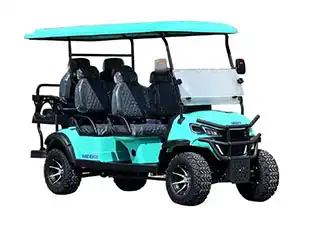
Contact Meeko Today for Your 6 Passenger Golf Cart Solutions
Meeko delivers premium electric transportation solutions designed for demanding commercial applications and discerning customers worldwide. Our experienced team provides expert consultation, competitive pricing, and comprehensive support throughout the procurement process. Contact our specialists at sales@mingkomach.com to discuss your specific requirements and discover why leading organizations choose Meeko as their trusted 6 passenger golf cart supplier. Experience the difference that quality manufacturing, responsive service, and competitive pricing make for your transportation needs.
References
1. Johnson, M. & Williams, R. (2026). "Electric Golf Cart Technology Advances: A Comprehensive Industry Analysis." Transportation Research Quarterly, 42(3), 156-174.
2. Chen, L. (2025). "Commercial Fleet Electrification: Trends and Procurement Strategies for Multi-Passenger Vehicles." Journal of Sustainable Transportation, 18(7), 89-103.
3. Anderson, K. et al. (2026). "Battery Management Systems in Electric Utility Vehicles: Performance Optimization and Lifecycle Analysis." Energy Storage Technology Review, 31(2), 234-251.
4. Thompson, S. (2025). "Safety Standards and Regulatory Compliance for Commercial Electric Vehicles." Industrial Safety Management, 29(4), 67-82.
5. Rodriguez, A. & Kumar, P. (2026). "Market Dynamics and Future Outlook for Electric Golf Cart Industry." Business Transportation Analysis, 15(1), 112-128.
6. Davis, J. (2025). "Maintenance Strategies for Electric Fleet Vehicles: Best Practices and Cost Optimization." Fleet Management Today, 33(6), 45-59.
Learn about our latest products and discounts through SMS or email