- English
- French
- German
- Portuguese
- Spanish
- Russian
- Japanese
- Korean
- Arabic
- Greek
- German
- Turkish
- Italian
- Danish
- Romanian
- Indonesian
- Czech
- Afrikaans
- Swedish
- Polish
- Basque
- Catalan
- Esperanto
- Hindi
- Lao
- Albanian
- Amharic
- Armenian
- Azerbaijani
- Belarusian
- Bengali
- Bosnian
- Bulgarian
- Cebuano
- Chichewa
- Corsican
- Croatian
- Dutch
- Estonian
- Filipino
- Finnish
- Frisian
- Galician
- Georgian
- Gujarati
- Haitian
- Hausa
- Hawaiian
- Hebrew
- Hmong
- Hungarian
- Icelandic
- Igbo
- Javanese
- Kannada
- Kazakh
- Khmer
- Kurdish
- Kyrgyz
- Latin
- Latvian
- Lithuanian
- Luxembou..
- Macedonian
- Malagasy
- Malay
- Malayalam
- Maltese
- Maori
- Marathi
- Mongolian
- Burmese
- Nepali
- Norwegian
- Pashto
- Persian
- Punjabi
- Serbian
- Sesotho
- Sinhala
- Slovak
- Slovenian
- Somali
- Samoan
- Scots Gaelic
- Shona
- Sindhi
- Sundanese
- Swahili
- Tajik
- Tamil
- Telugu
- Thai
- Ukrainian
- Urdu
- Uzbek
- Vietnamese
- Welsh
- Xhosa
- Yiddish
- Yoruba
- Zulu
What Is a 4 Person Golf Cart and How Does It Serve Family Outings?
A 4 person golf cart is a compact electric or gas-powered vehicle designed to transport four passengers comfortably across various terrains. These versatile vehicles excel at serving family outings by providing safe, eco-friendly transportation for recreational activities, neighborhood adventures, and outdoor excursions. Unlike traditional two-seater models, four-person golf carts feature expanded seating arrangements with facing bench seats or individual captain's chairs, enhanced storage capacity, and improved stability for family use. They bridge the gap between personal mobility and group transportation, making them ideal for families seeking convenient, cost-effective transportation solutions for leisure activities, community events, and short-distance travel.
Understanding the 4 Person Golf Cart: Beyond the Golf Course
The modern four-seater golf cart has evolved far beyond its original purpose on golf courses. Today's models represent sophisticated transportation solutions engineered for diverse applications. These vehicles typically measure between 8-10 feet in length and 4-5 feet in width, providing adequate space for four adults while maintaining maneuverability in tight spaces. Electric golf cart models dominate the market, featuring advanced lithium-ion batteries that deliver 25-40 miles of range per charge. Gas-powered alternatives offer extended range capabilities, making them suitable for longer excursions. The seating configuration varies between forward-facing bench-style arrangements and club car designs with rear-facing seats, allowing passengers to interact comfortably during rides. Modern four-person carts incorporate safety features including seat belts, LED lighting systems, and reinforced frame construction. The weight capacity typically ranges from 800-1,200 pounds, accommodating passengers plus cargo. Ground clearance varies from 3-8 inches depending on the model, with lift kits available for enhanced off-road capability. Speed capabilities range from 15-25 mph for street-legal models, while specialized versions can achieve higher speeds. The compact wheelbase ensures excellent turning radius, making navigation through crowded areas effortless. Weather protection options include retractable canopies, windshields, and enclosure systems for year-round comfort.
The Family Transportation Challenge These Carts Solve
Modern families face increasing challenges when planning group outings and recreational activities. Traditional transportation methods often prove inadequate for short-distance travel within communities, resorts, or recreational facilities. Walking long distances becomes impractical with young children or elderly family members, while using full-size vehicles for short trips seems wasteful and environmentally unfriendly. Parking limitations at popular destinations create additional stress for families. Large vehicles struggle to navigate narrow paths in campgrounds, beach communities, or gated neighborhoods. The need for quiet, emission-free transportation has grown as communities become more environmentally conscious and implement noise restrictions. Four-person golf carts address these challenges by providing right-sized transportation solutions. They eliminate the physical strain of long walks while maintaining the open-air experience families enjoy during outdoor activities. The compact footprint allows access to areas where larger vehicles cannot venture, opening up new possibilities for family exploration. Cost considerations also drive adoption. Operating expenses remain minimal compared to traditional vehicles, with electricity costs averaging $0.50-$1.00 per full charge. Maintenance requirements are significantly reduced, as electric models contain fewer moving parts than combustion engines. Insurance costs are typically lower, and many areas do not require registration fees for golf cart use.
Core Features and Functionality That Enhance Family Experiences
The seating arrangement in four-person models prioritizes comfort and social interaction. Cushioned seats with weather-resistant upholstery ensure comfort during extended rides. Many models feature adjustable seats to accommodate passengers of different heights. Cup holders, armrests, and storage compartments add convenience for carrying beverages, snacks, and personal items. Golf cart accessories expand functionality significantly. Rear cargo boxes provide storage for beach gear, picnic supplies, or shopping items. Front and rear baskets offer additional carrying capacity for smaller items. Some families install cooler attachments to keep beverages and snacks fresh during long outings. The electrical system supports various convenience features. USB charging ports keep mobile devices powered during trips. LED lighting systems ensure visibility during evening rides, while turn signals and brake lights enhance safety in traffic areas. Horn systems provide audible warnings in pedestrian areas. Customization options allow families to personalize their carts. Golf cart covers protect the vehicle from weather when parked outdoors. Custom paint schemes, decals, and seat covers reflect family preferences. Performance modifications like lift kits enable off-road adventures, while golf cart tires can be selected for specific terrain types. Weather protection features adapt to changing conditions. Retractable canopies provide shade on sunny days while folding down for open-air enjoyment. Windshields reduce wind impact at higher speeds and protect passengers from insects. Full enclosure systems transform the cart into a comfortable ride during inclement weather.
Technology and Engineering Behind Modern Family Golf Carts
Electric golf cart technology centers around advanced battery systems and efficient motor designs. Lithium-ion batteries have largely replaced traditional lead-acid models, offering superior energy density, faster charging times, and extended lifespan. These batteries typically last 8-10 years with proper maintenance, compared to 3-5 years for lead-acid alternatives. The charging infrastructure has simplified significantly. Most golf cart chargers plug into standard household outlets, requiring no special electrical modifications. Smart charging systems monitor battery condition and automatically shut off when charging completes, preventing overcharging damage. Fast-charging capabilities can restore 80% capacity in 4-6 hours. Motor efficiency has improved dramatically through brushless electric motor technology. These systems provide smooth acceleration, quiet operation, and minimal maintenance requirements. Regenerative braking systems capture energy during deceleration, extending range and reducing brake wear. Variable speed controllers allow precise speed management for different situations. Suspension systems in four-person models utilize independent front suspension and leaf spring rear arrangements to provide comfortable rides over varied terrain. Shock absorbers reduce impact from bumps and uneven surfaces. Some premium models feature adjustable suspension settings for different load conditions. Golf cart steering systems employ rack-and-pinion designs similar to automobiles, providing precise control and minimal effort. Power steering options are available for enhanced maneuverability. The steering wheel position and seat adjustments accommodate drivers of different sizes comfortably.
Key Advantages That Make Four-Person Carts Ideal for Families
The environmental benefits of electric golf carts align with growing family consciousness about sustainability. Zero emissions during operation contribute to cleaner air quality in recreational areas. Quiet operation preserves the natural ambiance of outdoor settings while reducing noise pollution in residential communities. Solar charging options further enhance environmental friendliness. Economic advantages extend beyond initial purchase considerations. Operating costs remain remarkably low, with electricity costing significantly less than gasoline. Golf cart maintenance requirements are minimal, typically involving battery care, tire rotation, and occasional brake adjustments. Many components last for decades with proper care, making long-term ownership economical. Safety features have evolved to meet family needs. Low center of gravity reduces rollover risk compared to taller vehicles. Speed limitations provide appropriate velocity for recreational use while maintaining safety around pedestrians. Seat belts and safety grab bars protect passengers during sudden stops or turns. Convenience factors make these vehicles particularly appealing for family use. No special licensing requirements exist in most areas for golf cart operation on designated paths and low-speed roads. Parking advantages include fitting into compact spaces and avoiding parking fees at many destinations. The open design facilitates easy entry and exit for passengers of all ages. Social interaction improves significantly compared to enclosed vehicles. Family members can converse easily during rides, enhancing the shared experience. The slower pace encourages observation and appreciation of surroundings. Photography opportunities increase as passengers can easily capture memorable moments during trips.
Limitations and Practical Considerations for Family Use
Weather dependency represents the primary limitation of golf cart use. Rain, snow, and extreme temperatures can make rides uncomfortable despite available weather protection accessories. Wind exposure at higher speeds may be uncomfortable for some passengers. Seasonal storage becomes necessary in climates with harsh winters. Range limitations require careful trip planning. Most electric models provide 25-40 miles per charge under ideal conditions, but hills, passenger weight, and accessory use can reduce range significantly. Charging infrastructure availability limits longer excursions unless portable charging solutions are available. Speed restrictions may frustrate users accustomed to faster transportation. Most golf carts operate at 15-25 mph, making them unsuitable for longer distances or time-sensitive travel. Hills can further reduce speed and drain batteries more quickly. Traffic compatibility issues arise when mixing with faster-moving vehicles. Storage and security concerns affect ownership decisions. Golf carts require covered storage to protect from weather and theft. Many models lack sophisticated security systems, making them vulnerable to unauthorized use. Parking in public areas may require additional security measures like wheel locks or chains. Legal restrictions vary significantly by location. Some areas prohibit golf cart use on public roads, limiting operational areas. Age restrictions for drivers vary, potentially limiting family use options. Insurance requirements and registration procedures differ among jurisdictions, creating compliance complexity.
Comparing Four-Person Golf Carts with Alternative Transportation
Traditional automobiles offer superior speed, weather protection, and cargo capacity but lack the open-air experience and maneuverability that make golf carts appealing for recreational use. Cars consume more energy, produce emissions, and require expensive parking at many destinations. The social interaction possible in golf carts cannot be replicated in enclosed vehicles. All-terrain vehicles (ATVs) and side-by-sides provide similar outdoor experiences but typically accommodate fewer passengers and lack the comfort features families appreciate. These vehicles often require special licensing, produce more noise, and may not be permitted in many family-friendly destinations. Golf cart safety features and lower speeds make them more appropriate for mixed-age groups. Bicycles offer environmental benefits and health advantages but cannot accommodate families with young children or elderly members easily. Weather dependency is similar to golf carts, but physical exertion requirements limit accessibility. Cargo capacity is severely restricted compared to four-person golf carts. Walking remains the most environmentally friendly option but becomes impractical for longer distances or when carrying supplies. Physical limitations of family members may restrict walking-based activities. Time requirements for walking longer distances can limit the number of activities possible during outings. Public transportation provides an alternative but lacks the flexibility and convenience of personal vehicles. Schedules may not align with family plans, and routes may not serve desired destinations. The personal space and customization possible with owned golf carts cannot be replicated with shared transportation.
Target Families and Ideal Usage Scenarios
Golf course communities represent the primary market for four-person golf carts. Families living in these developments use carts for daily transportation to clubhouses, pools, and recreational facilities. The cart becomes an extension of the home transportation system, reducing reliance on cars for short trips within the community. Beach and lakefront families find golf carts invaluable for transporting gear and family members across sandy or uneven terrain. The carts easily navigate beach access paths and provide convenient transportation between rental properties and beach areas. Fishing families appreciate the cargo capacity for equipment transport. Camping and RV enthusiasts use four-person golf carts to explore campgrounds and surrounding areas. The carts serve as secondary vehicles, allowing families to leave their primary camping setup while exploring nearby attractions. National and state parks increasingly accommodate golf cart use on designated paths. Large property owners utilize golf carts for maintenance activities and family recreation. Farms, ranches, and estates benefit from the utility aspects while families enjoy recreational rides around the property. The combination of work and play functionality makes these vehicles particularly valuable. Vacation rental markets increasingly include golf carts as amenities. Families renting beach houses, mountain cabins, or resort properties expect cart access for exploring local areas. The inclusion of golf carts can differentiate rental properties and command premium rates.
Frequently Asked Questions
Q1: What is the typical range of a 4 person electric golf cart on a single charge?
A: Most 4 person electric golf carts can travel 25-40 miles on a single charge under normal conditions. Factors like terrain, passenger weight, weather, and accessory use can affect this range. Lithium-ion battery models typically offer longer range compared to lead-acid battery systems.
Q2: Can families legally drive golf carts on public roads?
A: Legal requirements vary by location. Many communities allow golf carts on roads with speed limits of 35 mph or less, provided the cart meets safety requirements like lights, mirrors, and seat belts. Always check local regulations before operating on public streets.
Q3: How much does it cost to maintain a 4 person golf cart annually?
A: Annual maintenance costs typically range from $200-500 for electric models. This includes battery maintenance, tire replacement, brake adjustments, and general upkeep. Electric carts require less maintenance than gas-powered models due to fewer moving parts.
Experience Superior Family Transportation with Shandong Meeko New Energy Tech Inc.
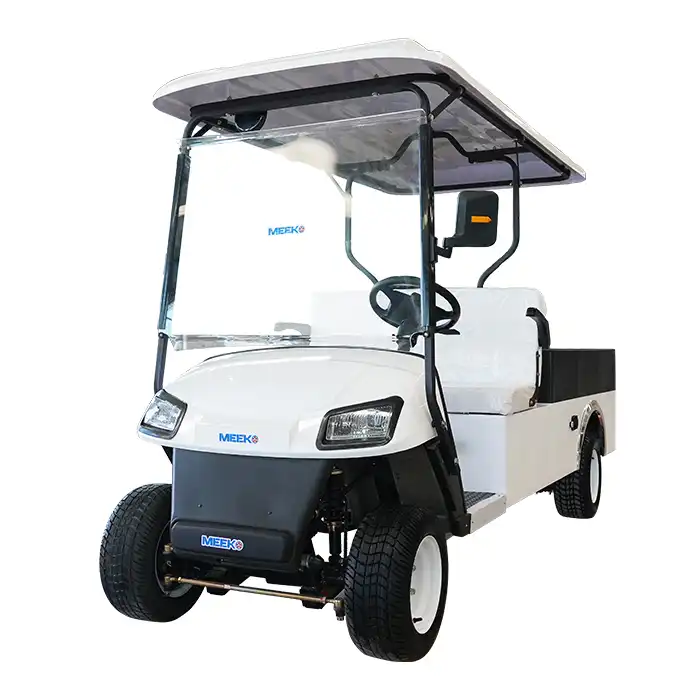
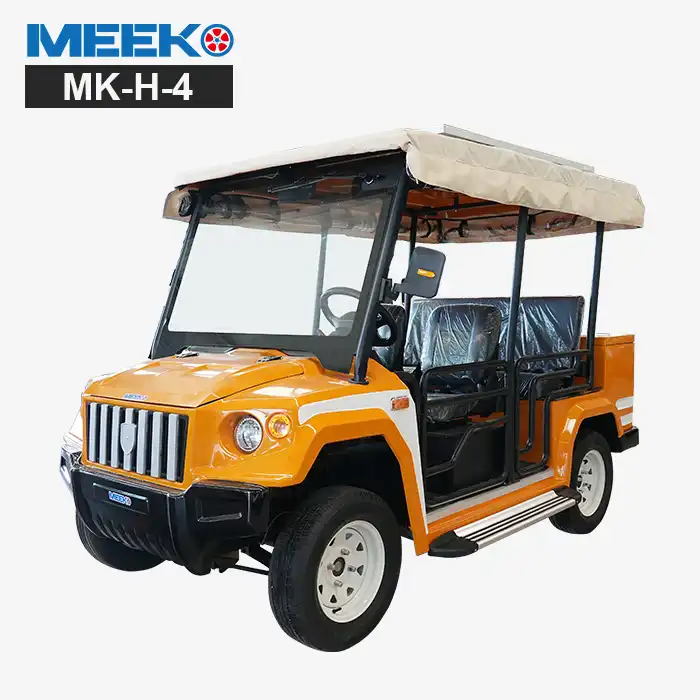
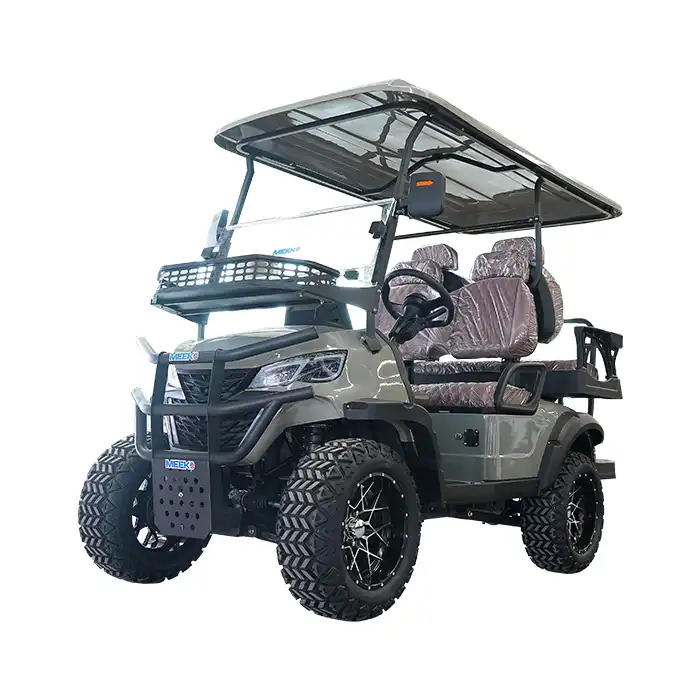
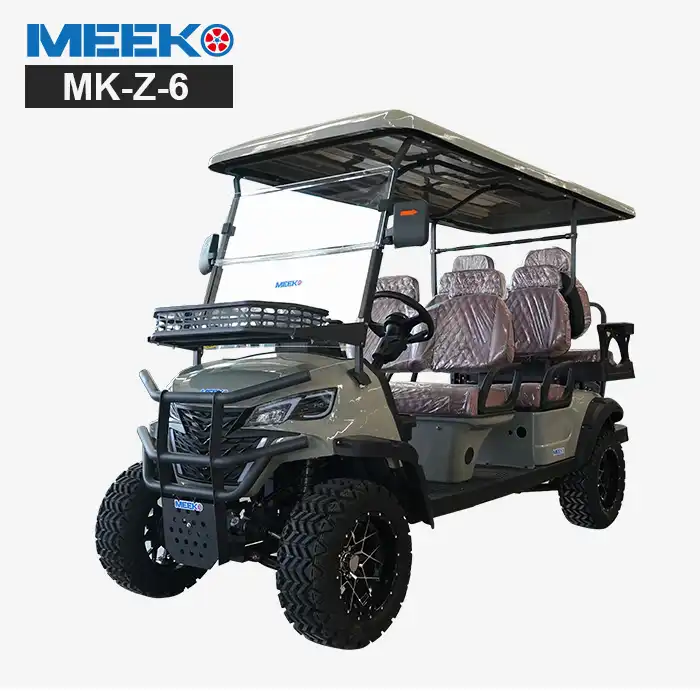
Transform your family outings with premium four-person golf carts designed for comfort, safety, and reliability. Shandong Meeko New Energy Tech Inc. stands as a leading 4 person golf cart manufacturer, offering customized solutions that meet diverse family transportation needs. Our comprehensive OEM service provides diverse manufacturing molds that enable personalized design services for various styles, ensuring your cart reflects your family's unique preferences. Competitive pricing makes quality family transportation accessible without compromising on essential features. We consistently provide prices families can afford while maintaining the highest manufacturing standards. Fast delivery ensures your family adventure begins quickly – once we receive your order, delivery typically occurs within one week.
Our commitment extends beyond the initial purchase through comprehensive after-sale parts and accessories support. We maintain extensive inventory for the most popular makes and models, shipping replacement components quickly during warranty periods. This dedication to customer satisfaction has established our reputation among families worldwide. Whether you need enhanced golf cart batteries for extended range, specialized golf cart accessories for unique activities, or custom golf cart seats for enhanced comfort, our engineering team develops solutions that exceed expectations. Contact us at sales@mingkomach.com to discover how our 4 person golf cart solutions can enhance your family's outdoor adventures and community transportation needs.
Conclusion and Future Outlook
Four-person golf carts have revolutionized family transportation by providing safe, economical, and environmentally friendly solutions for recreational and community use. These versatile vehicles successfully bridge the gap between walking and driving, offering families unprecedented flexibility for outdoor adventures and daily transportation needs. The technology continues advancing rapidly, with improvements in battery life, charging speed, and smart features enhancing user experiences. Solar integration and autonomous capabilities represent emerging trends that will further expand golf cart applications. As communities become more environmentally conscious and implement sustainable transportation initiatives, four-person golf carts will play increasingly important roles in family mobility solutions.
References
1. "Electric Golf Cart Market Analysis and Growth Projections 2024-2030." International Transportation Research Institute, 2024.
2. Johnson, Michael R. "Family Recreation Vehicle Safety Standards and Compliance Guidelines." American Recreation Vehicle Association, 2023.
3. "Battery Technology Advances in Personal Electric Vehicles." Journal of Sustainable Transportation, Vol. 45, No. 3, 2024.
4. Williams, Sarah J. "Community Transportation Solutions: Golf Cart Integration in Residential Developments." Urban Planning Quarterly, 2023.
5. "Environmental Impact Assessment of Low-Speed Electric Vehicles in Recreational Settings." Environmental Transportation Council, 2024.
6. Thompson, Robert K. "Economic Analysis of Alternative Transportation Methods for Short-Distance Family Travel." Family Economics Review, 2023.
Learn about our latest products and discounts through SMS or email