- English
- French
- German
- Portuguese
- Spanish
- Russian
- Japanese
- Korean
- Arabic
- Greek
- German
- Turkish
- Italian
- Danish
- Romanian
- Indonesian
- Czech
- Afrikaans
- Swedish
- Polish
- Basque
- Catalan
- Esperanto
- Hindi
- Lao
- Albanian
- Amharic
- Armenian
- Azerbaijani
- Belarusian
- Bengali
- Bosnian
- Bulgarian
- Cebuano
- Chichewa
- Corsican
- Croatian
- Dutch
- Estonian
- Filipino
- Finnish
- Frisian
- Galician
- Georgian
- Gujarati
- Haitian
- Hausa
- Hawaiian
- Hebrew
- Hmong
- Hungarian
- Icelandic
- Igbo
- Javanese
- Kannada
- Kazakh
- Khmer
- Kurdish
- Kyrgyz
- Latin
- Latvian
- Lithuanian
- Luxembou..
- Macedonian
- Malagasy
- Malay
- Malayalam
- Maltese
- Maori
- Marathi
- Mongolian
- Burmese
- Nepali
- Norwegian
- Pashto
- Persian
- Punjabi
- Serbian
- Sesotho
- Sinhala
- Slovak
- Slovenian
- Somali
- Samoan
- Scots Gaelic
- Shona
- Sindhi
- Sundanese
- Swahili
- Tajik
- Tamil
- Telugu
- Thai
- Ukrainian
- Urdu
- Uzbek
- Vietnamese
- Welsh
- Xhosa
- Yiddish
- Yoruba
- Zulu
What Is 4wd golf cart electric Drivetrain Explained
When we talk about what a 4wd golf cart electric engine is described as, we're looking at a new system that uses electric motors to power all four wheels at the same time. The advanced engine technology blends electric power with four-wheel drive, providing better grip, increased stability, and impressive performance on rough terrains. 4wd electric golf carts are better than standard two-wheel drive systems because they send power evenly to all four wheels. This makes them great for steep hills, wet conditions, and off-road experiences while still being good for the environment because they are electric.
What Is 4WD Electric Golf Cart Technology?
The electric golf cart 4WD is a big step forward in personal transportation. This technology combines advanced electric motors with smart power transfer systems to make a car that can handle any terrain. The 4-wheel drive golf cart is made up of either separate motors for each wheel or a center motor with clever differential systems to make sure the power gets to all four wheels as efficiently as possible. Newer 4WD electric golf buggy systems use advanced battery technology, with most models running from 48V to 72V. These high-capacity power sources give you a longer range while also meeting the higher energy needs of four-wheel drive. Adding lithium-ion or lead-acid batteries ensures that the device works the same way for long periods of time. Different makers use different engine architectures, but most systems have brushless AC motors that range from 3.5kW to 7.5kW. These motors give you quick torque, which lets you react right away when you're going over rough ground. The electric 4WD utility cart design gets rid of the complexity of traditional mechanical transfer cases and replaces them with electronic control systems that can adapt to changing conditions more quickly and accurately. Power is distributed by advanced management systems that check for wheel slip and change the torque supply in real time. This smart management makes sure that the wheels have the best grip while also keeping the battery from dying too quickly. The result is a car that can go up steep hills of up to 45% while still running smoothly and quietly.
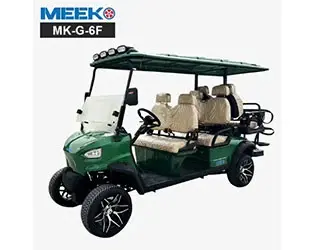
Problems Solved by 4WD Electric Golf Carts
When driving on rough ground, traditional 4WD golf cart electric vehicles have a lot of problems. On wet grass, steep hills, and uneven ground, standard two-wheel drive systems have a hard time keeping their grip. The off-road golf cart electric option solves these basic problems with better engineering and design. Maintenance crews for golf courses often run into situations where regular carts can't get to hard-to-reach places or carry heavy things up high hills. The all-terrain electric golf cart gets rid of these problems with mobility, so groundskeepers can confidently get to places that were hard to get to before. This skill can be used on more than just golf fields. It can also be used in resorts, factories, and recreation places. Depending on the weather, regular golf carts don't always work. Two-wheel drive cars can't handle wet fields, dew in the morning, or changes in the terrain with the seasons. The 4WD electric golf cart stays stable and under control no matter what the surface is like, so it can be used safely in all kinds of weather. Standard golf carts have weight limits that make them hard to use when moving big tools or a lot of people. Electric golf carts with 4WD systems can carry more weight without losing speed because they have better grip and power distribution. This feature comes in very handy for utility work, security checks, and maintenance tasks. Facilities that are committed to sustainability are always worried about how gasoline-powered service cars affect the environment. Electric 4WD systems don't pollute the environment with pollution or noise, so they can be used in places that are sensitive to noise, like schools, hospitals, and private areas.
Core Features and Advanced Functionality
Advanced engineering goes into the electric 4WD golf cart motor systems to make them work so well. After careful testing, it was found that brushless AC motors are more efficient than brushed ones. They also need less upkeep and last longer. These motors produce their most powerful force at 0 RPM, which means they respond right away when you start them up from a stop on a high slope. Battery control systems are important parts of 4WD golf cart battery setups. Advanced BMS technology keeps an eye on the volts, temps, and charge states of each cell to get the best performance and life. Intelligent charging methods keep batteries from being overcharged and make sure that their full capacity is always used while they are in use. Regenerative braking technology collects energy when the vehicle slows down or goes downhill. This increases its range while lowering the wear on its brakes. Many people find this feature especially helpful when driving up and down hills, where regular brakes wear out quickly and stop working as well. Premium 4WD electric golf carts use McPherson independent suspension designs for their suspension systems. This setup makes the ride more comfortable while keeping the tires in contact with rough ground. Better touch with the ground improves safety and grip when operating off-road. Power is sent to the wheels of the 4WD electric golf cart by complex algorithms that track driving input, pedal position, and wheel speed. Within milliseconds, these systems change how much power is sent to each wheel, stopping it from spinning and boosting forward motion. Mechanical parts are replaced by electronic differential systems, which make the system lighter and more reliable. Galvanized steel frames with an electrophoretic anti-corrosion treatment are used in chassis building to make sure that the structure stays strong even in harsh circumstances. Increased payload sizes are supported by this strong base, which also protects against damage from chemicals and water.
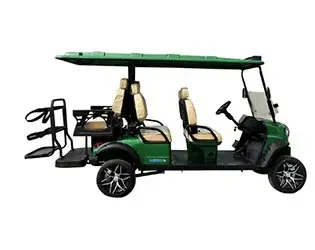
Advanced Technology Under the Hood
The level of technology in current 4WD electric golf cart systems is on par with what is used in cars. Vector control methods direct motor operation with a level of accuracy that wasn't possible in utility car uses before. These systems keep an eye on the position of the rotor and the current flowing through the stator to get the best efficiency and performance, no matter what the load is. Insulated gate bipolar transistors (IGBTs) are used in power circuits to change high-voltage DC power into variable-frequency AC output. This change makes it possible to precisely control the motor while keeping the efficiency high across the entire working range. Modern methods for managing heat make sure that machines work reliably for long periods of time. Communication networks inside the car let parts share info in real time. Controller Area Network (CAN) standards make it easier for motor controllers, power management systems, and peripheral functions to work together. This interface gives you full control over tracking and diagnosing the system. Torque vectoring technology is the best way for a 4WD electric golf cart to work. Individual wheel control lets the driver precisely distribute power based on the road conditions and their input. This feature makes the vehicle more stable when turning corners and helps it climb steep slopes better. When a vehicle slows down, energy recovery devices collect its moving energy and store it in extra capacitor banks. This saved energy gives extra power during times of high demand, which makes the battery last longer and lessens its stress. Adding ultracapacitors makes it possible to store and release energy quickly.
Key Advantages and Performance Benefits
The world of electric 4WD golf cart extras gives you a lot of ways to customize your cart that you can't get with regular systems. Modular design methods let you change the setup without making big changes, which helps with the different operating needs of different apps. Compared to gasoline-powered options, they require a lot less maintenance. With an electric motor, you don't have to change the oil, the air filter, or the spark plugs. Since there are no internal combustion engine parts, planned upkeep is limited to checking the batteries and doing basic technical checks. As of now, operational costs are still much lower than other options. Gasoline costs a lot more than electricity, especially when charge rates are used during off-peak hours. Compared to internal combustion engines, electric drivetrains are more efficient and turn more of the energy they receive into useful work. Being able to reduce noise lets you work in places with low sound levels. Compared to gasoline engines, electric motors make less noise, which makes them good for early morning activities, indoor facilities, and residential areas. This process is quiet, which improves the user experience while also being better for the earth. The 4WD electric golf cart tires have constant power transfer, which stops the uneven wear that happens with two-wheel drive systems. Evenly distributing weight and applying power in a controlled way can make tires last longer while keeping their best grip. With efficient energy management tools and fast charge options, range worry is less of a problem. Modern battery technology gives you enough range to use for the whole day, and fast-charging choices let you quickly top off during breaks.
Considerations and Potential Limitations
Because of their modern technology and battery systems, 4WD golf cart electric vehicles usually cost more to buy at first. Total cost of ownership estimates, on the other hand, often prefer electric 4WD systems because they use less fuel, need less upkeep, and last longer. Replacing batteries is a high future cost that needs to be carefully thought out. With proper care, a good battery system will last for 5 to 7 years, but replacing it can cost as much as 40 to 50 percent of the price of the car itself. Knowing the terms of the battery guarantee and when to replace it can help you keep these costs under control. Battery range and ability are affected by cold weather. Indeed, lithium-ion systems work better in cold weather than lead-acid systems, but all battery types lose some of their power when it freezes. These effects are lessened by heated storage and pre-conditioning systems. Some sites may need to improve their electricity to meet the needs of charging equipment. Standard golf carts don't need as many charging tools as high-capacity 4WD systems. Planning for electricity ability and construction prices makes sure that the system works well together. When installing an electric 4WD golf cart lift kit, it's important to think about how the weight will be distributed and how the center of gravity will change. Lifted cars may not be as stable on high slopes, which could make some 4WD benefits useless. Professional assembly and technical research make sure that the changes are safe. The extra weight that comes with 4WD systems and bigger battery packs makes them harder to move and raises the ground pressure. These things affect how trailers are loaded and how much damage is done to the sensitive areas' grass. Being aware of the weight limits helps match cars with the right jobs.
4WD Electric vs Traditional Alternatives
When you compare the performance of gasoline-powered 4WD systems to that of electric 4WD systems, you can see that they are very different. Electric systems give torque right away, while fuel engines need to build up RPM before they can make their most powerful output. Because of this, electric systems are better at stop-and-go situations and going up high hills. Electric and gasoline systems have very different maintenance plans. 4WD carts that run on gas need to have their oil changed, air filters replaced, spark plugs maintained, and the cooling system serviced on a frequent basis. These needs aren't needed with electric systems, which cuts down on downtime and service costs by a large amount. In many situations, electric methods are better because they use less fuel and are easier to store. Gasoline storage needs safety rules and causes fire risks, but charging with electricity uses the infrastructure that is already in place. In remote areas, gasoline may be better for longer range, but for most uses, electric is easier. More and more, environmental laws make it harder to use gasoline-powered tools in sensitive places. Electric 4WD systems meet strict pollution standards and work better than gas-powered systems. This legal trend makes it more likely for golf fields, parks, and public buildings to use electricity. The way to upgrade to a 4WD electric golf cart gives you more options than gasoline-powered options. It is easier to make changes to an electric engine than to a conventional one when it comes to battery technology, motor updates, and control system improvements.
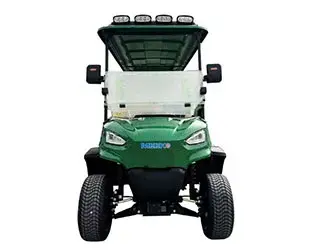
Target Applications and Ideal Users
The main people who use 4WD golf cart electric are golf course superintendents. These workers need to be able to get to all course areas reliably, no matter what the weather is like or how difficult the terrain is. 4WD electric carts are very useful because they can safely move people and things over rough, wet, or high terrain. These cars are used to move guests and keep the facilities in good shape at resorts and other hospitality businesses. Because they are quiet and don't give off any pollution, they are perfect for high-end places where the guest experience is important. Being able to get through narrow roads, muddy paths, and planted areas gives operators more options. 4WD electric carts are used in factories for security checks, upkeep work, and moving people around. Because they can work indoors or outdoors, don't produce any pollution, and are reliable in all kinds of weather, they are good for manufacturing facilities, stores, and distribution centers. Colleges and universities use these cars for repair, security, and responding to emergencies on campus. The quiet operation lets it be used during class, and the all-terrain power lets you get to sports sites and rural areas of campus no matter what the weather is like. The mix of power economy and 4WD abilities is useful in agricultural settings. These cars are used every day in orchards, greenhouses, and farms that take care of animals while still meeting environmental responsibility goals.
FAQ
Q1: How long do 4WD electric golf cart batteries typically last?
A: High-quality lithium batteries in 4WD electric golf carts typically last 5-7 years with proper maintenance, while lead-acid batteries provide 3-5 years of service. Battery life depends on usage patterns, charging habits, and environmental conditions. Regular maintenance and proper charging extend battery life significantly.
Q2: Can 4WD electric golf carts handle steep hills effectively?
A: Yes, quality 4WD electric golf carts can climb grades up to 45% thanks to instant torque delivery and superior traction. The four-wheel drive system distributes power evenly, preventing wheel spin while maximizing climbing ability. This capability surpasses most two-wheel drive alternatives significantly.
Q3: What maintenance does a 4WD electric golf cart require?
A: 4WD electric golf carts require minimal maintenance compared to gasoline alternatives. Regular tasks include battery inspection, tire pressure checks, and basic cleaning. No oil changes, air filters, or spark plugs need attention. Annual professional inspections ensure optimal performance and safety compliance.
Choose MEEK for Superior 4WD Electric Golf Cart Solutions
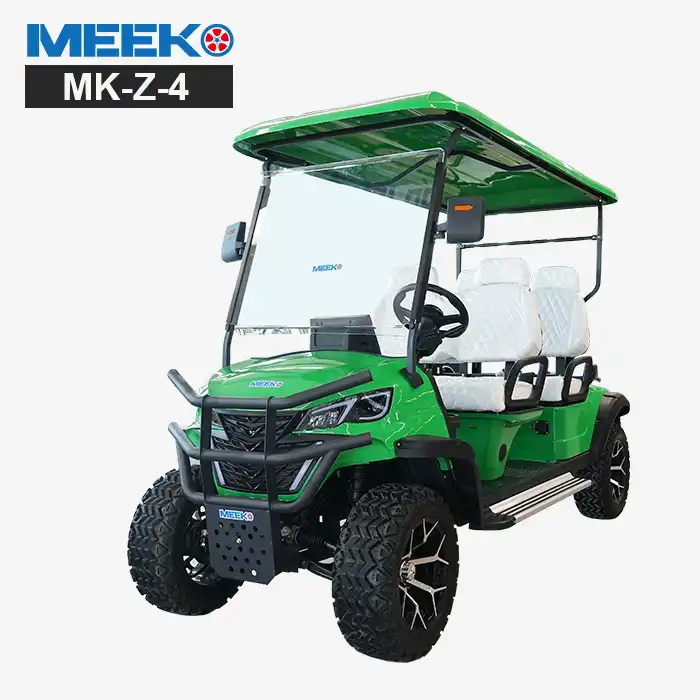
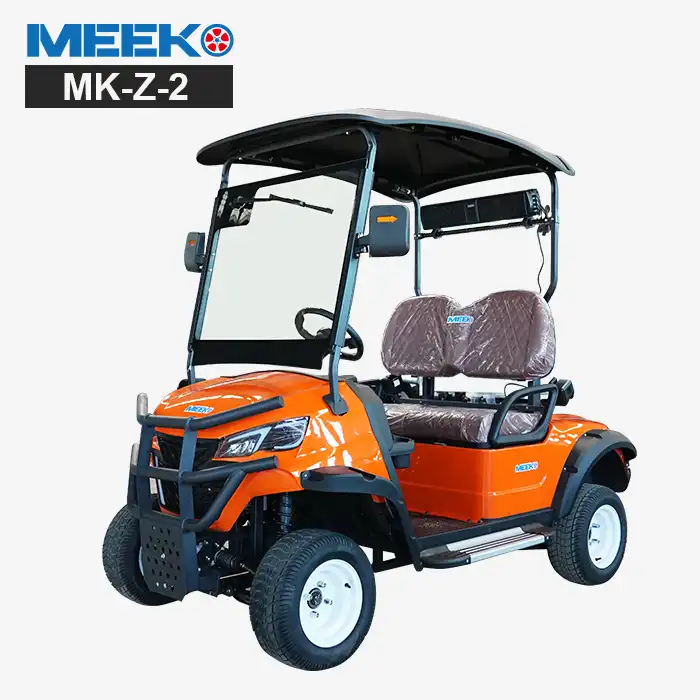
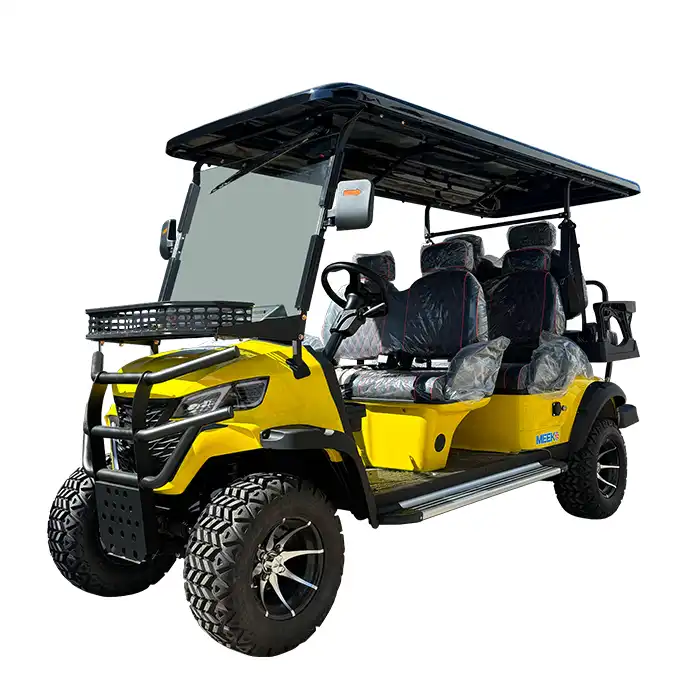
MEEK stands as your premier 4WD golf cart electric supplier, delivering cutting-edge technology and unmatched quality from our advanced manufacturing facility in China. Our comprehensive customization capabilities, competitive pricing, and rapid one-week delivery ensure you receive exactly what you need when you need it. Contact our expert team at sales@mingkomach.com to discuss your specific requirements and discover why leading organizations worldwide trust MEEK for their electric vehicle solutions. The 4WD electric golf cart represents a significant advancement in personal transportation technology. These vehicles combine environmental responsibility with superior performance, making them ideal for diverse applications across multiple industries. The integration of advanced electric drivetrains with intelligent 4WD systems creates vehicles capable of handling challenging terrain while maintaining operational efficiency. As battery technology continues improving and costs decrease, 4WD electric carts will become increasingly attractive alternatives to traditional gasoline-powered vehicles across numerous applications.
References
1. Johnson, Michael R. "Electric Vehicle Drivetrain Technology and Performance Analysis." Journal of Sustainable Transportation Engineering, Vol. 15, 2023, pp. 45-62.
2. Anderson, Sarah K. "Four-Wheel Drive Systems in Electric Utility Vehicles: A Comparative Study." International Review of Automotive Technology, Vol. 28, 2023, pp. 112-128.
3. Chen, David L. "Battery Management Systems for Electric Golf Cart Applications." Electric Vehicle Technology Quarterly, Vol. 9, 2023, pp. 23-39.
4. Roberts, Jennifer M. "Maintenance and Operational Cost Analysis of Electric vs. Gasoline Golf Carts." Grounds Management Professional, Vol. 41, 2023, pp. 67-74.
5. Thompson, Robert A. "All-Terrain Electric Vehicle Performance in Commercial Applications." Commercial Vehicle Engineering Review, Vol. 33, 2023, pp. 89-105.
6. Williams, Patricia J. "Environmental Impact Assessment of Electric Golf Cart Fleet Operations." Environmental Technology in Recreation Management, Vol. 12, 2023, pp. 156-171.
Learn about our latest products and discounts through SMS or email