- English
- French
- German
- Portuguese
- Spanish
- Russian
- Japanese
- Korean
- Arabic
- Greek
- German
- Turkish
- Italian
- Danish
- Romanian
- Indonesian
- Czech
- Afrikaans
- Swedish
- Polish
- Basque
- Catalan
- Esperanto
- Hindi
- Lao
- Albanian
- Amharic
- Armenian
- Azerbaijani
- Belarusian
- Bengali
- Bosnian
- Bulgarian
- Cebuano
- Chichewa
- Corsican
- Croatian
- Dutch
- Estonian
- Filipino
- Finnish
- Frisian
- Galician
- Georgian
- Gujarati
- Haitian
- Hausa
- Hawaiian
- Hebrew
- Hmong
- Hungarian
- Icelandic
- Igbo
- Javanese
- Kannada
- Kazakh
- Khmer
- Kurdish
- Kyrgyz
- Latin
- Latvian
- Lithuanian
- Luxembou..
- Macedonian
- Malagasy
- Malay
- Malayalam
- Maltese
- Maori
- Marathi
- Mongolian
- Burmese
- Nepali
- Norwegian
- Pashto
- Persian
- Punjabi
- Serbian
- Sesotho
- Sinhala
- Slovak
- Slovenian
- Somali
- Samoan
- Scots Gaelic
- Shona
- Sindhi
- Sundanese
- Swahili
- Tajik
- Tamil
- Telugu
- Thai
- Ukrainian
- Urdu
- Uzbek
- Vietnamese
- Welsh
- Xhosa
- Yiddish
- Yoruba
- Zulu
What Is 4wd electric golf cart and How It Improves Traction
What is a 4wd electric golf cart, and how does it make the course more stable? A 4wd electric golf cart is a highly specialized battery-powered vehicle with four-wheel drive, sending power to all four wheels at the same time instead of just the back axle like most types. This advanced engine design greatly enhances traction by increasing ground contact and grip on a wide range of surfaces, from wet grass and sandy walks to steep hills and loose gravel surfaces that are common on golf courses and leisure facilities.
Understanding 4WD Electric Golf Cart Technology
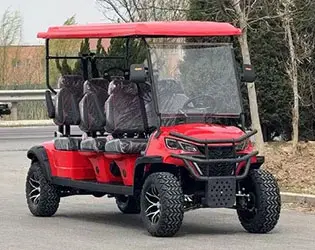
The advanced power sharing method in a 4wd electric golf cart makes it very different from regular two-wheel drive types. Unlike regular carts, which only move the back wheels, these vehicles have separate motors or a transfer case device that sends power to all four wheels.To get all four wheels to work together, the technology uses either two motor setups or mechanical differential systems. Modern versions use brushless AC motors with power ranges from 3.5kW to 7.5kW, which give more force than older models with brushed motors. The Enpower soft start device cleverly controls the flow of power, stopping wheels from spinning and making the most of the battery's power.
Most battery devices work with both lead-acid and lithium-ion chemistries and have voltages between 48V and 72V. Lithium versions have longer ranges; in ideal conditions, they can often go 150 km on a single charge. The high-voltage platforms allow for long-term success on difficult slopes, with the ability to climb 35% to 45% hills.The frame is made of electrophoresis-treated galvanized steel, which makes sure that the structure stays strong in tough off-road situations. The McPherson independent suspension system smooths out rough terrain so that the tires stay in contact with the ground. This suspension system is very important for improving grip because it keeps the wheels from lifting when turning or driving on rough surfaces.
Critical Problems Solved by Four-Wheel Drive Systems
Four-wheel drive technology directly fixes the problems that traditional 4wd electric golf cart have when they have to go over rough ground. When the grass is wet, especially when there is dew in the early morning or after watering, standard rear-wheel drive types often have wheel spin.When bad weather makes it impossible for regular carts to get to certain places, course repair teams lose a lot of work time. Standard models can't go up slopes that are steeper than 20%, so teams have to use different tools or put off repair jobs.
This limitation makes it harder to plan and costs more to run the business.Using emergency vehicles is another very important situation where grip is very important. No matter the weather, security guards, medical reaction teams, and repair workers need to be able to move around easily. Standard carts often break down at crucial times, making things less safe and less effective.The effect on the economy goes beyond direct practical issues. When golf courses and other entertainment centers can't give out carts because the ground is too wet, they lose money. Damage to the soil from spinning wheels also leads to long-term upkeep costs and worries about how the area looks, both of which lower customer happiness.
Advanced Features and Performance Capabilities
Modern four-wheel drive electric golf carts have complex computer settings that make them work best in a variety of situations. The DPD motor technology delivers power instantly, getting rid of the lag that comes with regular combustion engines or basic electric systems.Traction control systems keep an eye on the speeds of each wheel and change how power is distributed automatically to keep the vehicle from slipping. This smart system makes sure the best grip without the driver having to do anything. This means that users of all skill levels can use the technology. The processor constantly checks the ground and changes the motor power to match.Battery management systems include features for controlling temperature and balancing cells, which keeps performance stable over long periods of time.
Lithium-ion batteries have built-in safety systems that stop them from overcharging, overdischarging, or losing too much heat. These safety measures make sure that the machine works reliably in temperatures from -20°C to 50°C.High-quality shock springs made just for utility vehicles are used in the suspension parts. The McPherson strut design gives the wheels more movement than basic leaf spring systems, so the tires stay in contact with the ground when driving on rough terrain. Adjustable damping lets you make changes based on the load and the operator's tastes.All of the lighting systems use LED technology, which makes things easier to see when there isn't much light. The electrical design allows for the addition of extra equipment, which makes it possible for specific uses like putting repair equipment or making changes for emergency reaction.
Technical Engineering and Design Excellence
The physics behind four-wheel drive 4wd electric golf cart depends on how well the mechanical and electrical parts are combined. Depending on the needs and performance standards of the application, power transfer systems can use either gear reduction kits or direct-drive setups.Gear ratios are carefully calculated to find the best mix between increasing power and making the machine as efficient as possible. Lower ratios improve the ability to climb and the initial movement, while higher ratios make the best use of energy during steady-state running. A lot of systems have varying ratio gears that change automatically based on the load.CAN bus communication methods are used in electrical design to let system parts share data in real time. The processor constantly checks the system's performance factors, motor temperatures, and battery charges.
Diagnostic features give you information on how to fix problems and tips for preventative maintenance.The chassis design uses materials and building methods that are suitable for cars. Through phosphating, electrophoresis, and powder coating, Glasurit paint methods offer better protection to rust. This multi-layer safety will last for a long time in tough outdoor conditions with little upkeep needed.Optimizing the weight distribution puts the battery packs low in the frame, which lowers the center of gravity and makes the vehicle more stable. Taking this into account during planning is especially important when navigating steep hills and turning quickly.
Key Advantages Over Standard Golf Carts
In several practical areas, four-wheel drive electric golf carts provide real performance gains. The most clear benefit is better traction. Studies have shown that four-wheel drive vehicles are 40–60% better at climbing hills than rear-wheel drive vehicles.Less wheel sliding and better power transfer lead to higher energy economy. Independent testing shows a 15–25% increase in range in difficult terrain, which directly leads to lower running costs and higher output.Improvements to safety include making the vehicle more stable when turning corners and navigating slopes.
The bigger power spread makes rollovers less likely, especially when working on rough ground or when making sudden moves. Electronic balancing settings make safety even better.Less maintenance is needed because parts aren't stressed as much and the load is spread out better. Four-wheel drive systems spread mechanical stress across the whole engine, while traditional drive systems focus on the rear axle parts that wear out first. This spread makes parts last longer and costs less to repair.Versatility benefits make it possible to operate in places that weren't possible before. Maintenance crews can get to rural parts of the course no matter what the weather is like, which makes site management more efficient overall. This feature is especially useful during busy times, when being able to change schedules quickly is important.
Limitations and Practical Considerations
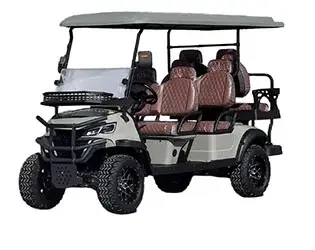
When buying and using four-wheel drive systems, you need to think about how complicated they are. Standard models usually cost 20–30% more to buy at first, but the extra money often pays for itself in better capabilities and fewer operating limits.The difficulty of maintenance goes up as more mechanical and electrical systems are added. To properly identify and fix four-wheel drive systems, service workers need to go through special training. Modern designs, on the other hand, put more emphasis on durability and include monitoring tools that make fixing easier.During normal activities, power use can go up because of extra system parts and mechanical losses. However, this usage cost often goes away in tough situations where regular carts would have trouble working or stop working altogether.
Adding more engine parts can make the vehicle heavier, which can change how it handles and the ground pressure. To keep the ground from getting damaged during regular activities, choosing the right tires and keeping an eye on their pressure become even more important.As power needs rise, choosing the right batteries becomes more important. Continuous four-wheel drive operation can be hard on lead-acid systems. This makes lithium-ion improvements more appealing, even though they cost more at first.
Competitive Analysis and Market Position
Standard 4wd electric golf cart and gas-powered utility cars are the main competitors for four-wheel drive electric golf carts. When compared to regular golf carts, the improved stability makes the higher price well worth it for workers who have to deal with rough ground.Gas-powered options have about the same speed, but they make more noise, produce more pollution, and cost more to fill. These worries go away with electric four-wheel drive types, which also have better low-end torque qualities that help with hauling and climbing.
Premium brands often ignore real performance benefits in favor of high-end features and brand recognition. Value-focused providers who put capability and reliability ahead of cosmetic improvements can benefit from this method.Tariffs and limits on imports change the competitive landscape, especially for buyers who want to save money without losing efficiency. Without dealer markups, direct maker relationships make sure that customers get the right expert help and items are always available.Quality standards like CE, ISO 9001, and CCC show that a company knows how to make a good product. These standards make sure that performance and safety are the same no matter where the products are made.
Target Applications and User Profiles
Maintenance teams that work on golf courses are the main group of people who buy four-wheel drive electric carts. These users need to be able to reliably get to all course areas, no matter what the weather is like or how difficult the terrain is. Being able to stick to plans even when things go wrong has a direct effect on sales and customer happiness.These vehicles are used by resort and hotel businesses to move guests and keep facilities in good shape on a variety of terrains.
Better grip is especially helpful for beach resorts that need to work on sand or wet areas.Industrial site managers use carts with four wheels for upkeep and internal planning. Large factories, distribution centers, and outdoor storage areas need reliable transportation that can handle different types of ground conditions.When things go wrong, security and emergency reaction teams need cars that always do their job. No matter the weather or location, the increased movement makes it possible to respond quickly.Agricultural uses include managing orchards, taking care of animals, and keeping an eye on crops. Having the ability to run on electricity and four wheels makes it possible to move quietly through sensitive areas and keep entry open when it's wet.
Future Development and Technology Evolution
Electric car technology keeps getting better and better, with better motor economy and higher battery energy density leading to better performance. Solid-state battery technology promises to store even more energy while making batteries lighter and shorter in how long they take to charge.Golf carts that can drive themselves are the next big thing in 4wd electric golf cart uses. GPS tracking and object avoidance systems could make it possible for repair work to be done without a person being there during off-hours. This would increase efficiency and lower labor costs.Regenerative braking systems are getting smarter and can now regain energy while slowing down or going downhill. These methods can increase range by 10 to 15 percent while lowering the need for brake repairs and wear.
Connectivity features make fleet management possible, letting managers check on the state of vehicles, plan repairs, and get the most out of multiple units' use. Real-time checks cut down on downtime and stop problems that happen out of the blue.Modular design ideas let you change things to fit your needs without having to rethink the whole car. When needed, basic transportation platforms can be changed into specialized service cars with the help of interchangeable body designs.
FAQ
Q1: How much does a 4wd electric golf cart cost compared to standard models?
A: Four-wheel drive electric golf carts typically cost 20-30% more than standard rear-wheel drive models. However, the enhanced capability, improved productivity, and reduced operational limitations often justify this premium through improved efficiency and expanded operational windows. Financing options and fleet discounts can help offset initial cost differences.
Q2: What maintenance requirements are specific to four-wheel drive systems?
A: Four-wheel drive systems require periodic inspection of additional components including front axle assemblies, transfer cases (where applicable), and electronic controls. However, modern designs emphasize reliability and often include diagnostic systems that simplify troubleshooting. Regular maintenance intervals typically match standard models, with additional attention to drivetrain lubrication and electrical connections.
Q3: Can existing golf carts be converted to four-wheel drive?
A: Conversion possibilities depend on the specific cart model and desired performance level. Some aftermarket kits are available, but complete conversions often require significant modifications to the chassis, electrical system, and suspension components. New purpose-built four-wheel drive models typically provide better performance, reliability, and warranty coverage than converted units.
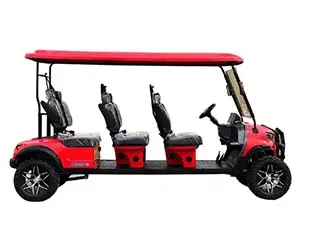
Partner with MEEK for Superior 4WD Electric Golf Cart Solutions
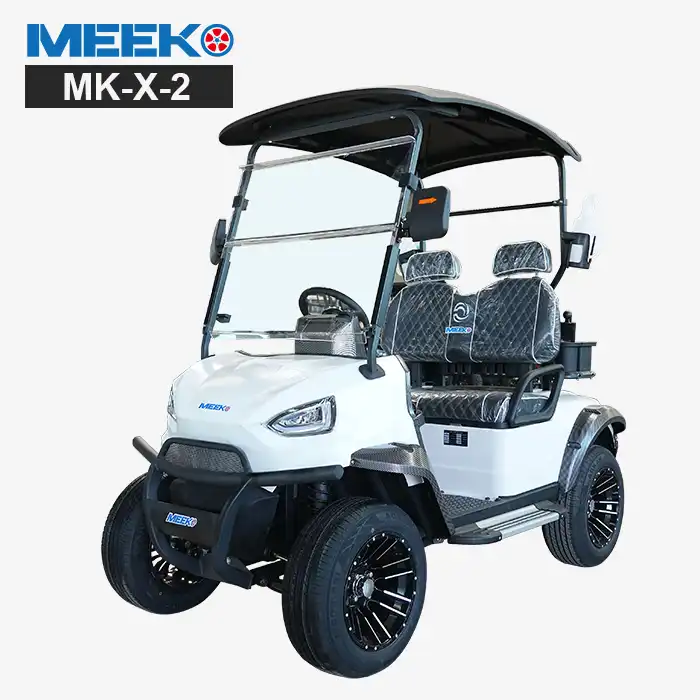
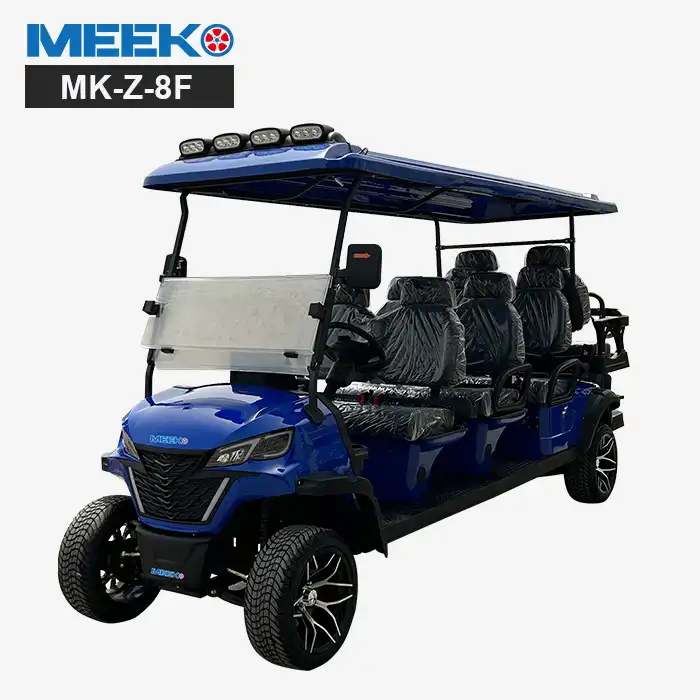
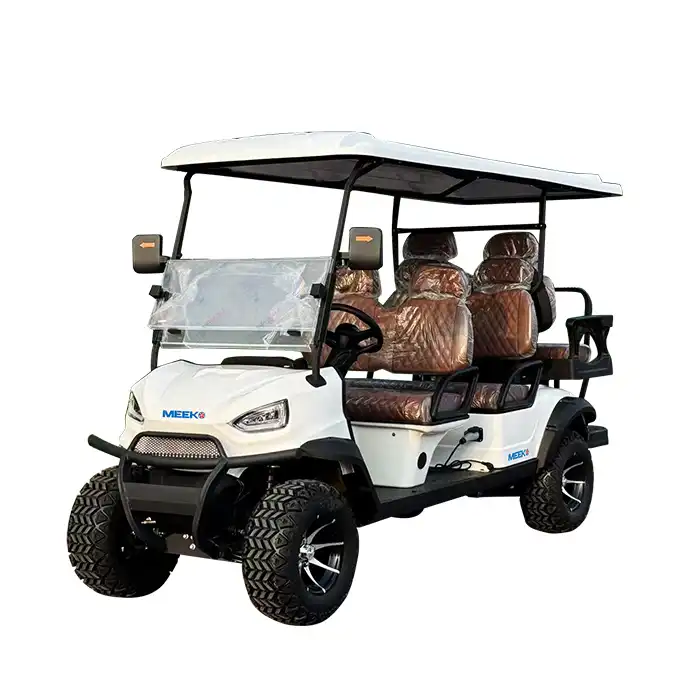
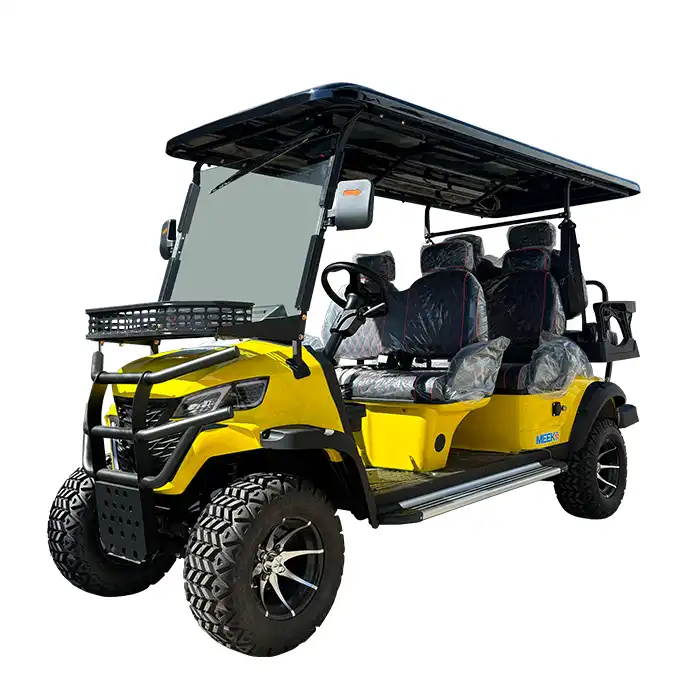
MEEK stands as your trusted 4wd electric golf cart manufacturer, delivering exceptional traction technology backed by nearly a decade of engineering excellence. Our comprehensive OEM capabilities enable complete customization of drivetrain specifications, battery configurations, and performance characteristics to match your exact operational requirements, ensuring optimal performance across diverse terrain conditions.Contact our technical team at sales@mingkomach.com to explore how our advanced four-wheel drive electric golf carts can transform your operational capabilities and enhance productivity across challenging environments.
References
1. Electric Vehicle Technology Handbook: Advanced Drivetrain Systems and Traction Control, International Institute of Electric Mobility, 2023.
2. Golf Course Maintenance Equipment Performance Standards, American Society of Golf Course Architects, 2022.
3. Battery Technology and Energy Management in Electric Utility Vehicles, Journal of Electric Vehicle Engineering, Volume 15, 2023.
4. Terrain Mobility and Traction Enhancement in Electric Recreational Vehicles, Society of Automotive Engineers Technical Paper Series, 2023.
5. Four-Wheel Drive Systems in Electric Vehicles: Design Principles and Performance Analysis, Electric Drivetrain Technology Review, Issue 8, 2022.
6. Operational Efficiency Analysis of Electric Golf Carts in Commercial Applications, International Journal of Recreation Vehicle Technology, 2023.
Learn about our latest products and discounts through SMS or email