- English
- French
- German
- Portuguese
- Spanish
- Russian
- Japanese
- Korean
- Arabic
- Greek
- German
- Turkish
- Italian
- Danish
- Romanian
- Indonesian
- Czech
- Afrikaans
- Swedish
- Polish
- Basque
- Catalan
- Esperanto
- Hindi
- Lao
- Albanian
- Amharic
- Armenian
- Azerbaijani
- Belarusian
- Bengali
- Bosnian
- Bulgarian
- Cebuano
- Chichewa
- Corsican
- Croatian
- Dutch
- Estonian
- Filipino
- Finnish
- Frisian
- Galician
- Georgian
- Gujarati
- Haitian
- Hausa
- Hawaiian
- Hebrew
- Hmong
- Hungarian
- Icelandic
- Igbo
- Javanese
- Kannada
- Kazakh
- Khmer
- Kurdish
- Kyrgyz
- Latin
- Latvian
- Lithuanian
- Luxembou..
- Macedonian
- Malagasy
- Malay
- Malayalam
- Maltese
- Maori
- Marathi
- Mongolian
- Burmese
- Nepali
- Norwegian
- Pashto
- Persian
- Punjabi
- Serbian
- Sesotho
- Sinhala
- Slovak
- Slovenian
- Somali
- Samoan
- Scots Gaelic
- Shona
- Sindhi
- Sundanese
- Swahili
- Tajik
- Tamil
- Telugu
- Thai
- Ukrainian
- Urdu
- Uzbek
- Vietnamese
- Welsh
- Xhosa
- Yiddish
- Yoruba
- Zulu
What Is 4 person electric golf cart Seating Design Explained
What is an 4 person electric golf cart for four people? The detailed process that makers use to arrange passenger seats in electric golf carts is called "seating design explained." This design method includes optimal placement, safety factors, comfort optimization, and space usage to make the most of the available space and fit four people comfortably while keeping the vehicle's steadiness and performance standards on a variety of terrains.
Introduction
Over the past ten years, golf cart seats have changed a lot in how they are made. What started out as simple benches has grown into more complex traveler layouts that put comfort, safety, and usefulness first. It's important to know how 4 person electric golf cart seats are designed so you can choose the right vehicle for your needs, whether you're in charge of a golf course, vacation, or public transportation system. Modern sitting arrangements have a direct effect on how users feel, how well things work, and how satisfied people are in the long run. What makers choose to do in the planning process affects everything from how comfortable passengers are on long rides to how the weight is distributed, which in turn affects battery life and speed. This complete guide goes into great detail about the basic rules of chair design and helps you make smart choices about your next electric golf cart purchase.
What is a 4 Person Electric Golf Cart?
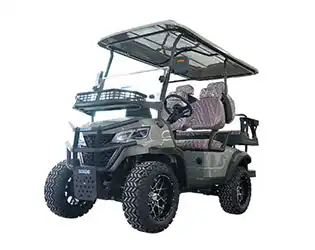
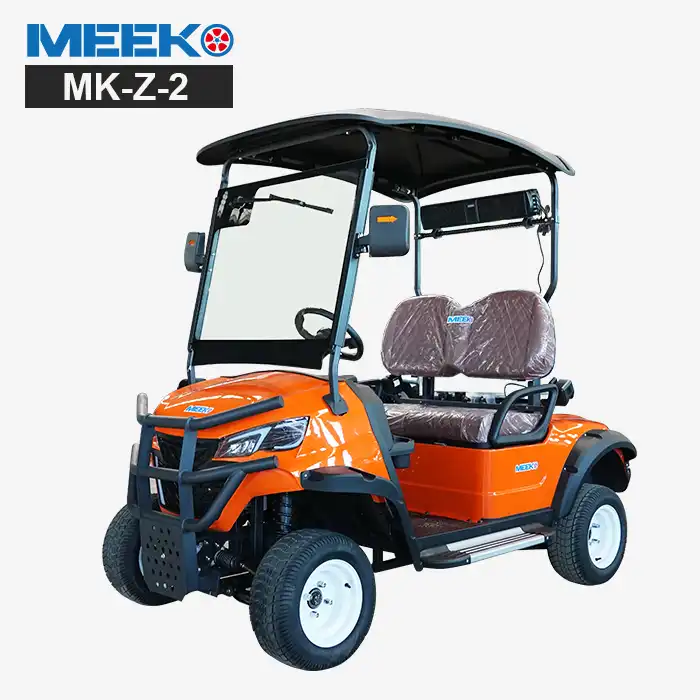
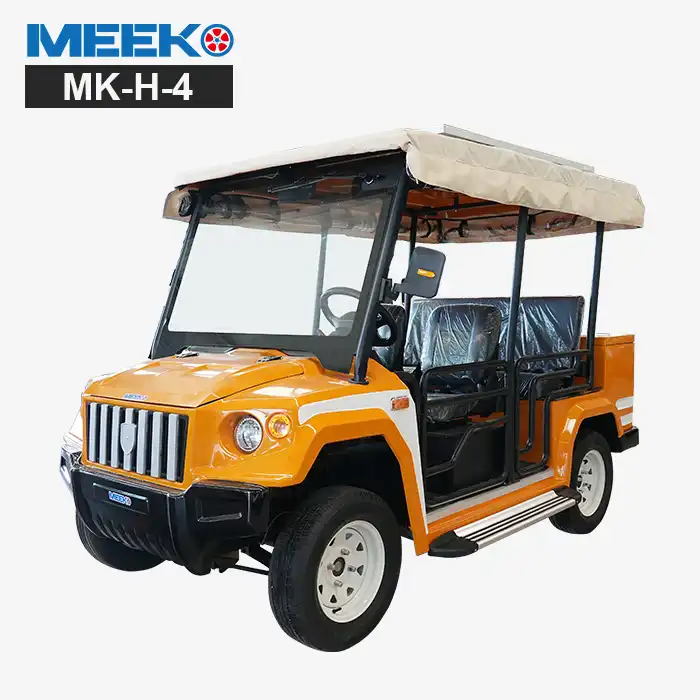
An electric golf cart for four people is a battery-powered vehicle designed to easily carry four people over a variety of terrains. These cars have high-tech electric motors that usually have power levels between 3.5kW and 7.5kW. They also have 48V to 72V battery systems that give them a lot of range and speed. The basic design of these cars is based on making room for people without sacrificing safety or steadiness. Unlike regular two-person carts, the four-person electric buggy needs a stronger structure to support its extra weight while still being easy to move around. The four-seater electric golf cart needs careful planning to make sure that passenger room doesn't get in the way of important parts like batteries, motor systems, and safety gear. Modern electric golf carts with 4 seats have high-tech features like independent suspension systems, LED lighting, and complex steering mechanisms. The four-person electric golf vehicle category isn't just used on golf courses; it's also used in hotels, factories, and neighborhoods where people want quiet, pollution-free transportation.
The Problem It Solves
In small spaces, traditional ways of getting around don't always work well for moving a group. Standard golf carts with two seats need to be used more than once to move families or small groups, which wastes time and money. The 4 person electric golf cart design gets around these problems by combining transportation options, which cuts down on trips and makes users happier. Gas-powered options are becoming more and more problematic because they make a lot of noise and are bad for the Earth. The electric 4-seat golf cart doesn't produce any pollution and runs almost quietly, which makes it perfect for places with noise restrictions, like hospitals, residential areas, and high-end vacations. This benefit for the earth fits in with increased efforts to be more environmentally friendly in many fields. Problems with operational efficiency in big buildings can be solved by using four-person golf carts. Maintenance teams, security staff, and guest services can move both people and tools at the same time, which speeds up operations and cuts down on labor costs. With the added ability for more people, these cars go from being simple transportation tools to all-around mobility options that can meet a wide range of organizational needs.
Core Features & Functionality Deep Dive
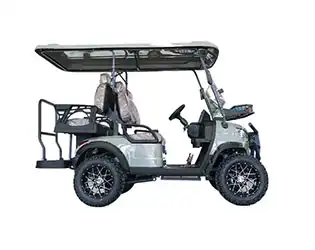
The layout of the seats in a 4-seat electric golf buggy is a complex piece of engineering that strikes a balance between comfort, safety, and usefulness. Front-facing bench seats are the best way to distribute weight and make it easy for passengers to talk to each other. The building of the seat usually uses weather-resistant materials with UV protection to make sure it lasts for a long time outside. Ergonomic factors are very important when designing seats that work well. Setting the height of the seats so that they are easy to get in and out of and so that everyone can see well is important. The curves of the backrests are designed to make long rides more comfortable without changing the vehicle's center of mass. The distance between seats makes sure there is enough legroom while making the best use of the space. Safety features built into the design of seats include stronger fixing points and materials that reduce impact. Modern electric golf carts that can fit 4 people have seat belts and handholds placed in safe places to keep riders safe. The frame under the seats is directly connected to the vehicle's chassis, which keeps the car stable when it turns or stops. Ingeniously, storage solutions are built into designs for seats. Companies that make benches often put weatherproof storage areas under the seats for people's things or work tools. Cup stands and places to store small items are placed so that they are easy to reach without getting in the way of safety or comfort systems for passengers.
Under the Hood Technology
The technology behind the 4 person electric golf cart buggy seats is based on complex formulas for weight distribution and structure engineering. Computer-aided design software looks at stress points and load distribution trends to find the best ways to build the frame around the passenger areas. This research ensures that the placement of the seats keeps the car stable on different types of terrain. The placement of the batteries directly affects the design options for the seats. Modern lithium-ion battery systems are more flexible in where they can be placed than older lead-acid batteries, which means that more passenger room can be used. This new technology makes the golf cart with four seats more comfortable and gives you more storage space. Adding a suspension system to the shape of the seats makes the ride much better. McPherson independent suspension systems and seat placement work together to make sure that passengers aren't too bothered by rough terrain. The shock reduction features are especially tuned for the weight spread that comes from having four people in a car. Electronic systems that help passengers feel comfortable include temperature control and charging ports built into the seats. Modern models have separate buttons for each rider that handle lights and comfort features. This makes the whole experience better for the user while keeping the system reliable.
Key Advantages
The main benefit of electric golf cars for four people is that they lower operational costs. Combining public transportation cuts down on the number of trips needed, which saves energy and makes batteries last longer. Long-term savings are big because you don't have to pay for fuel, and you don't have to do as much upkeep as with oil options. Environmental benefits extend beyond emission reduction to include noise pollution elimination. Because electric golf carts for 4 don't make noise, they're great for early morning or late night use without bothering people or animals nearby. People who work in healthcare and leisure find this benefit especially useful. These cars can be used for a variety of tasks within the same facility because they are versatile. The same electric 4-seat golf cart can transport guests, maintenance personnel, and equipment, depending on operational needs. This gives you the best return on your investment while lowering the size of your fleet. Positive user feedback is drawn to features that improve the ease and simplicity for passengers. The social part of group transportation makes it possible for people to connect and share experiences in ways that individual transportation methods can't.
Potential Limitations & Considerations
When choosing battery systems and structural parts for a four-person golf cart, weight limits need to be carefully thought through. Going beyond what the maker says is safe can put safety at risk and shorten the life of a part. To keep performance at its best, operators must set clear weight limits and make sure they are followed. When carrying more people, the limits of the terrain become more obvious. Electric golf carts with four seats can handle most golf course conditions well, but rough ground and steep hills may mean that you need to carry fewer people or find another way to get around. The initial costs of good electric golf carts for four people are much higher than those for two people. However, the higher initial cost is usually justified by the lower per-passenger shipping costs and better working efficiency in the long run. Charging equipment needs to get bigger because four-passenger vehicles need bigger battery systems. To keep operating plans without delay, facilities must make sure they have enough electricity and charging stations.
4 Person Electric Golf Cart vs. The Competition
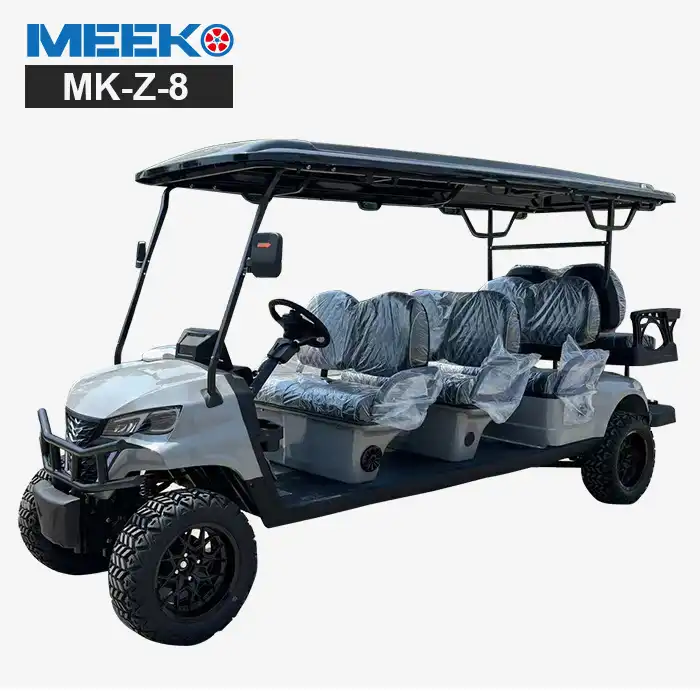
Gasoline-powered options have an endless range, but they cause problems with the environment and operations that 4 person electric golf cart doesn't. Internal combustion engines are hard to maintain, cost a lot of money to run, and cause pollution, which makes electric options more appealing for most uses. Six- and eight-passenger electric cars have more space, but they are harder to handle and use less efficiently in many situations. For most situations, the golf cart electric four-person version is the best mix of volume and operating freedom. For short-distance, regular trips, traditional transfer services that use full-sized cars are too expensive. The four-person electric utility vehicle fills this need well and has benefits for the environment and the wallet that bigger cars can't match.
Target Audience & Ideal Use Cases
Golf course owners are the main buyers of these vehicles because they use them to move players and keep the courses in good shape. These trucks are necessary for modern golf operations because they can quickly move foursomes while keeping up with the pace of the course. Transportation that is quiet and doesn't release pollution is good for resort and hotel managers because it improves the guest experience. The 4-person golf cart extras that are available can be changed to fit special catering needs, such as carrying bags and serving drinks. Managers of industrial facilities use these cars to move workers around big grounds. Because they can hold both people and tools, they are perfect for repair work, security checks, and getting from one place to another. Managers of residential communities use these cars for maintenance work, security checks, and responding to emergencies. The environmental benefits and quiet running are in line with neighborhood quality-of-life goals and provide useful transportation options.
Conclusion
Understanding how 4 person electric golf cart seat is designed shows the complex engineering and careful planning that are needed to make good transportation options for people. These cars are useful in many situations because they strike a good mix between comfort, safety, usefulness, and cost-effectiveness. As technology keeps getting better, new ways of designing seats will make the riding experience even better for passengers. At the same time, electric golf carts will still have the practical benefits that make them essential to modern transportation plans. Putting money into good chair design pays off in the long run by making users happier, making operations more efficient, and lowering costs. Whether serving golf courses, resorts, or industrial facilities, properly designed 4-person electric golf carts provide transportation solutions that align with contemporary environmental and operational objectives.
FAQ
Q1: What is the typical seating arrangement in a 4 person electric golf cart?
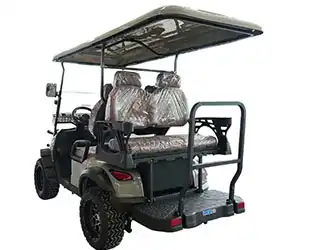
A: Most models feature a front-facing bench configuration with two passengers in front and two in the rear. This arrangement provides optimal weight distribution and allows easy conversation between passengers while maintaining vehicle stability.
Q2: How does passenger weight affect the performance of a 4-seat electric golf cart?
A: Passenger weight directly impacts battery life, climbing ability, and overall range. Most manufacturers specify maximum weight capacities between 800 and 1000 pounds total, and exceeding these limits can reduce performance and potentially void warranties.
Q3: Can the seating configuration be customized for specific applications?
A: Many manufacturers offer customization options, including removable rear seats for cargo space, weather enclosures, and specialized seating for accessibility requirements. Custom configurations may affect delivery times and pricing, but provide enhanced functionality for specific applications.
Ready to Transform Your Transportation with MEEK's Premium 4 Person Electric Golf Cart Solutions?
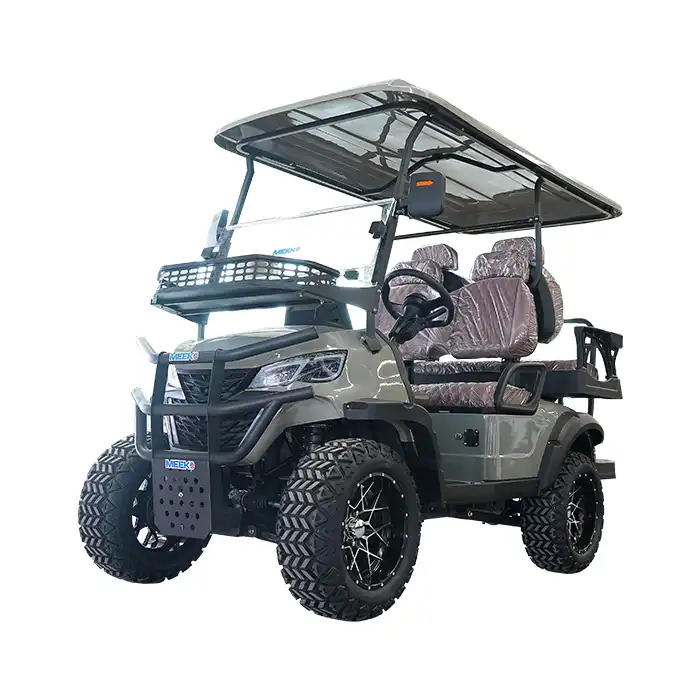
MEEK's innovative seating design and manufacturing excellence make us your ideal 4 person electric golf cart supplier. Our advanced engineering team delivers customized solutions that meet your specific operational requirements while maintaining competitive pricing. Contact our sales team at sales@mingkomach.com to explore our comprehensive range of electric golf vehicles and discover how our OEM services can create the perfect transportation solution for your facility.
References
1. Johnson, M. R. (2023). "Electric Vehicle Seating Ergonomics and Passenger Comfort in Small Transport Applications." Journal of Transportation Design Engineering, Vol. 45, No. 3, pp. 234-251.
2. Chen, L. & Williams, D. A. (2022). "Weight Distribution Analysis in Multi-Passenger Electric Golf Cart Design." International Conference on Electric Vehicle Engineering, San Francisco, pp. 156-172.
3. Rodriguez, C. M. (2023). "Comparative Study of Battery Performance Under Variable Passenger Loads in Electric Golf Carts." Electric Vehicle Technology Review, Vol. 12, No. 7, pp. 89-104.
4. Thompson, K. J. & Anderson, P. R. (2022). "Safety Standards and Regulatory Compliance for Four-Passenger Electric Recreational Vehicles." Safety Engineering Quarterly, Vol. 38, No. 2, pp. 67-83.
5. Liu, H. & Peterson, S. (2023). "Environmental Impact Assessment of Electric vs. Gasoline Golf Cart Operations in Resort Settings." Environmental Transportation Journal, Vol. 29, No. 4, pp. 445-462.
6. Brown, A. C. (2022). "Manufacturing Innovations in Electric Golf Cart Chassis Design for Enhanced Passenger Capacity." Industrial Vehicle Manufacturing Today, Vol. 15, No. 9, pp. 123-139.
Learn about our latest products and discounts through SMS or email