- English
- French
- German
- Portuguese
- Spanish
- Russian
- Japanese
- Korean
- Arabic
- Greek
- German
- Turkish
- Italian
- Danish
- Romanian
- Indonesian
- Czech
- Afrikaans
- Swedish
- Polish
- Basque
- Catalan
- Esperanto
- Hindi
- Lao
- Albanian
- Amharic
- Armenian
- Azerbaijani
- Belarusian
- Bengali
- Bosnian
- Bulgarian
- Cebuano
- Chichewa
- Corsican
- Croatian
- Dutch
- Estonian
- Filipino
- Finnish
- Frisian
- Galician
- Georgian
- Gujarati
- Haitian
- Hausa
- Hawaiian
- Hebrew
- Hmong
- Hungarian
- Icelandic
- Igbo
- Javanese
- Kannada
- Kazakh
- Khmer
- Kurdish
- Kyrgyz
- Latin
- Latvian
- Lithuanian
- Luxembou..
- Macedonian
- Malagasy
- Malay
- Malayalam
- Maltese
- Maori
- Marathi
- Mongolian
- Burmese
- Nepali
- Norwegian
- Pashto
- Persian
- Punjabi
- Serbian
- Sesotho
- Sinhala
- Slovak
- Slovenian
- Somali
- Samoan
- Scots Gaelic
- Shona
- Sindhi
- Sundanese
- Swahili
- Tajik
- Tamil
- Telugu
- Thai
- Ukrainian
- Urdu
- Uzbek
- Vietnamese
- Welsh
- Xhosa
- Yiddish
- Yoruba
- Zulu
Top 5 Best 4WD Golf Cart Manufacturers for Industrial Use in 2025
When searching for reliable industrial transportation solutions, the top 5 best Industrial 4wd golf cart Manufacturers for 2025 include Shandong Meeko New Energy Tech Inc., Club Car, Yamaha Golf Cars, EZGO, and Cushman. These companies lead the market through innovative design, robust construction, and proven performance in demanding industrial environments. Each manufacturer brings unique strengths to heavy-duty golf carts, from advanced lithium battery technology to superior terrain navigation capabilities, making them essential partners for businesses requiring dependable off-road transportation solutions.
Introduction
Industrial operations worldwide increasingly rely on specialized transportation solutions that can navigate challenging terrain while carrying heavy loads. The demand for rugged golf carts and all-terrain vehicles has surged across construction sites, mining operations, agricultural facilities, and manufacturing plants. These electric utility vehicles represent a crucial investment for companies seeking efficient, environmentally-friendly alternatives to traditional industrial transportation. Modern industrial mobility solutions have evolved far beyond recreational golf courses. Today's commercial golf carts feature advanced engineering, enhanced safety systems, and robust construction designed to withstand harsh working conditions. The shift toward electric off-roaders reflects growing environmental consciousness and cost-effectiveness, as businesses recognize the long-term benefits of sustainable transportation. Selecting the right utility task vehicles impacts operational efficiency, worker safety, and bottom-line profitability. With numerous manufacturers competing in this expanding market, understanding the key differentiators becomes essential for making informed purchasing decisions that align with specific industrial requirements.
Why Focus on 4WD Industrial Golf Carts?
The industrial landscape demands vehicles that combine versatility, durability, and performance across diverse working environments. Traditional two-wheel drive vehicles often struggle with muddy construction sites, steep terrain, or loose gravel surfaces that characterize many industrial locations. Four-wheel drive capability transforms these utility vehicles into reliable workhorses capable of maintaining productivity regardless of ground conditions. Heavy-duty golf carts equipped with 4WD systems provide superior traction, enhanced stability, and improved load distribution. This translates to reduced downtime, increased worker confidence, and expanded operational possibilities. Companies investing in these specialized vehicles often discover new applications they hadn't previously considered, from equipment transportation to personnel mobility across challenging terrain. The economic benefits extend beyond initial functionality. Reduced maintenance costs, lower fuel expenses, and decreased environmental impact create compelling long-term value propositions. As regulations tighten around emissions and noise pollution, electric-powered industrial transportation becomes increasingly attractive for forward-thinking organizations.
Selection Criteria: What Makes the Best Industrial 4WD Golf Cart?
Identifying superior manufacturers requires evaluating multiple critical factors that directly impact performance, reliability, and value. Build quality stands as the foundation, encompassing frame construction, component durability, and overall engineering excellence. Manufacturers utilizing high-grade materials and proven manufacturing processes consistently deliver vehicles that withstand years of demanding use. Performance specifications matter significantly in industrial applications. Load capacity, speed capabilities, battery life, and climbing ability determine whether a vehicle meets specific operational requirements. The best manufacturers provide detailed specifications and real-world testing data to support their claims. Service support and parts availability can make or break long-term satisfaction. Companies operating in remote locations or requiring minimal downtime need manufacturers with extensive dealer networks, comprehensive warranty programs, and readily available replacement components. Response time for service calls often proves as important as initial product quality. Customization capabilities allow businesses to optimize vehicles for specific applications. Leading manufacturers offer extensive modification options, from specialized cargo beds to custom electrical systems, enabling tailored solutions that maximize operational efficiency. Price-to-performance ratios vary significantly across manufacturers. While initial cost matters, total cost of ownership including maintenance, energy consumption, and resale value provides better decision-making criteria. The most expensive option may prove most economical over the vehicle's operational lifespan.
Top 5 Industrial 4WD Golf Cart Manufacturers
1. Shandong Meeko New Energy Tech Inc.
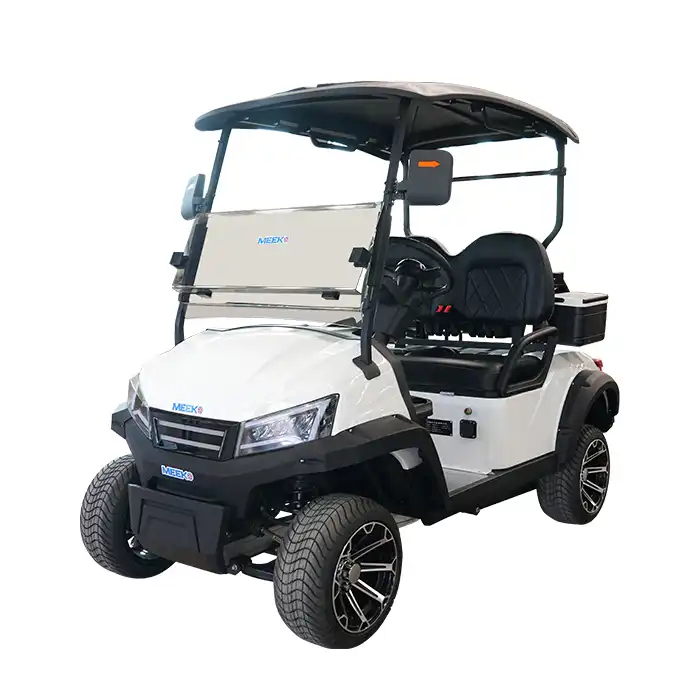
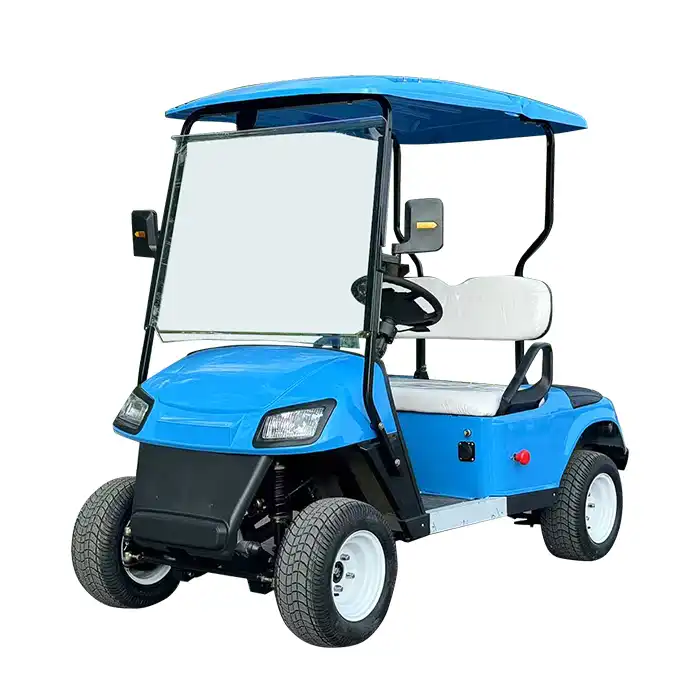
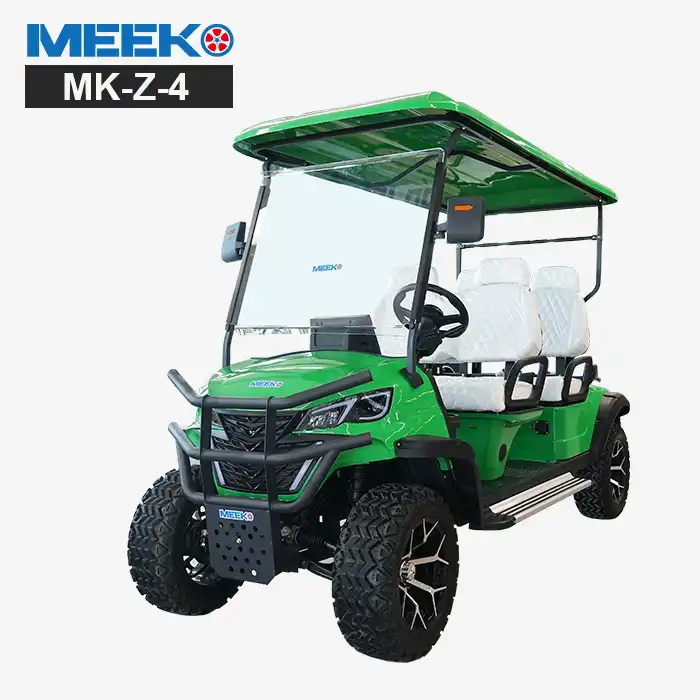
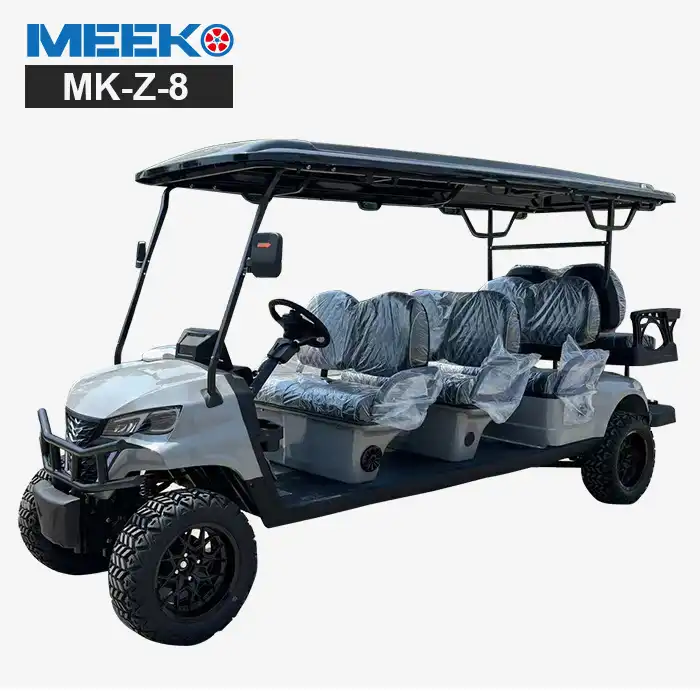
Shandong Meeko New Energy Tech Inc. stands at the forefront of innovative industrial transportation, specializing in high-performance carts designed specifically for demanding commercial applications. Their comprehensive approach to manufacturing encompasses advanced engineering, premium materials, and rigorous quality control processes that ensure exceptional reliability in harsh working environments.
Key Advantages:
- OEM Service Excellence: Diverse manufacturing molds enable personalized design services for various styles, allowing businesses to specify exact requirements for their unique applications
- Competitive Pricing Strategy: Consistent delivery of affordable pricing without compromising quality, making industrial-grade vehicles accessible to businesses of all sizes
- Rapid Delivery Commitment: Standard one-week delivery timeframe once orders are received, minimizing project delays and ensuring timely equipment availability
- Comprehensive After-Sale Support: Extensive inventory of parts and accessories for popular makes and models, with quick shipping during warranty periods
The company's focus on lithium battery technology provides extended operational ranges and reduced charging times compared to traditional lead-acid systems. Their 4WD systems incorporate advanced traction control, ensuring reliable performance across mud, sand, gravel, and steep inclines commonly encountered in industrial settings. Meeko's engineering team collaborates closely with customers to develop custom golf carts that address specific operational challenges. This includes specialized cargo configurations, enhanced suspension systems, and integrated safety features that exceed industry standards. Their multi-passenger carts accommodate teams while maintaining excellent maneuverability in confined spaces. Quality assurance protocols include extensive field testing under simulated industrial conditions. Each vehicle undergoes comprehensive inspection before delivery, ensuring immediate operational readiness upon arrival. The company's commitment to continuous improvement drives ongoing innovation in battery technology, drivetrain efficiency, and user comfort features.
2. Club Car
Club Car has established a dominant position in the commercial vehicle market through decades of innovation and reliability. Their industrial lineup features robust construction methods and proven drivetrain technology that consistently performs in challenging environments. The company's extensive dealer network provides global support capabilities essential for large-scale operations.
Key Advantages:
- Proven Durability: Aircraft-grade aluminum frame construction resists corrosion and maintains structural integrity under heavy use
- Advanced Powertrain Options: Both electric and gas-powered variants with sophisticated transmission systems optimized for industrial applications
- Comprehensive Warranty Coverage: Industry-leading warranty programs protect investment value and minimize unexpected maintenance costs
- Global Service Network: Extensive dealer coverage ensures parts availability and technical support regardless of operating location
Club Car's electric utility vehicles feature intelligent battery management systems that optimize charging cycles and extend battery life. Their 4WD models incorporate locking differentials and low-range gearing for maximum traction in challenging terrain. Cargo capacity options range from compact personnel carriers to heavy-duty haulers capable of transporting substantial equipment loads. The manufacturer's focus on operator comfort includes ergonomic seating, intuitive controls, and weather protection options. Safety features encompass roll-over protection structures, enhanced braking systems, and visibility improvements that reduce accident risks in busy industrial environments. Customization options allow integration of specialized equipment mounting systems and power take-off capabilities.
3. Yamaha Golf Cars
Yamaha brings automotive-grade engineering expertise to the industrial golf cart market, resulting in vehicles that emphasize performance, refinement, and long-term reliability. Their reputation for precision manufacturing and attention to detail translates into utility task vehicles that consistently exceed operational expectations across diverse industrial applications.
Key Advantages:
- Superior Engine Technology: Advanced motor designs deliver exceptional power-to-weight ratios and fuel efficiency
- Precision Manufacturing: Automotive-grade quality control ensures consistent performance and extended service life
- Innovative Suspension Systems: Independent suspension components provide superior ride quality and handling characteristics
- Comprehensive Model Range: Extensive lineup covers everything from compact personnel carriers to heavy-duty cargo haulers
Yamaha's electric models feature regenerative braking systems that extend battery range while providing enhanced control during descents. Their 4WD systems utilize electronically-controlled differential locking for optimal traction distribution across varying terrain conditions. The company's focus on weight distribution ensures stable handling even when fully loaded. Operator-focused design elements include adjustable seating positions, easy-to-read instrumentation, and convenient storage compartments. Maintenance accessibility receives special attention, with service points positioned for quick routine inspections and component replacement. Weather-resistant construction protects electrical components and extends operational life in harsh environments.
4. EZGO
EZGO has built a reputation for producing durable golf carts that excel in high-use commercial environments. Their industrial models incorporate heavy-duty components and simplified maintenance procedures that appeal to fleet managers seeking reliable, cost-effective transportation solutions. The company's focus on practical functionality over luxury features results in excellent value propositions.
Key Advantages:
- Robust Construction Methods: Heavy-gauge steel frames and reinforced attachment points withstand extreme operational stresses
- Simplified Maintenance Requirements: Accessible components and straightforward service procedures minimize downtime and reduce maintenance costs
- Proven Reliability Record: Decades of commercial use demonstrate consistent performance across diverse industrial applications
- Cost-Effective Operation: Competitive pricing combined with low operating costs provides excellent total cost of ownership
EZGO's 4WD systems emphasize simplicity and reliability over complexity, resulting in fewer potential failure points and reduced maintenance requirements. Their battery management systems incorporate temperature monitoring and automatic charging optimization to maximize battery life. Load distribution systems ensure stability and control even when carrying maximum cargo loads. The manufacturer's commitment to operator safety includes standard safety features such as automotive-style brakes, safety belts, and enhanced visibility lighting. Customization options focus on practical modifications such as cargo bed configurations, weather protection, and specialized equipment mounting systems that address specific industrial requirements.
5. Cushman
Cushman specializes in heavy-duty utility vehicles designed specifically for commercial and industrial applications. Their focus on cargo-carrying capability and terrain navigation makes them particularly suitable for operations requiring substantial load capacity combined with off-road mobility. The company's engineering approach prioritizes function over form, resulting in vehicles optimized for productive work.
Key Advantages:
- Maximum Payload Capacity: Industry-leading cargo capacity specifications accommodate heavy equipment and materials transport
- Specialized Terrain Capability: Advanced 4WD systems and ground clearance designed for challenging off-road conditions
- Commercial-Grade Components: Heavy-duty transmissions, brakes, and suspension systems engineered for continuous commercial use
- Flexible Configuration Options: Extensive customization possibilities allow optimization for specific industrial applications
Cushman's vehicles feature reinforced chassis designs that maintain structural integrity under maximum load conditions. Their drivetrain systems incorporate low-range gearing for precise maneuvering in tight spaces while providing adequate power for steep inclines. Battery systems utilize deep-cycle technology optimized for heavy-duty applications with extended operational periods. Safety considerations include enhanced stability control systems, heavy-duty braking components, and improved operator visibility features. The company's focus on durability extends to weather resistance, with sealed electrical components and corrosion-resistant materials that withstand harsh industrial environments year after year.
Global Market Analysis and Cultural Considerations
The global market for industrial transportation reflects diverse regional preferences, regulatory requirements, and operational conditions that influence purchasing decisions. North American markets typically prioritize load capacity and durability, while European buyers often emphasize environmental compliance and energy efficiency. Asian markets frequently focus on cost-effectiveness and customization capabilities. Regulatory environments vary significantly across regions, affecting everything from safety requirements to emission standards. European Union regulations emphasize environmental protection and worker safety, driving demand for electric vehicles with comprehensive safety systems. North American standards focus on operational safety and accessibility, while emerging markets often prioritize basic functionality and affordability. Cultural preferences influence design expectations and feature priorities. Markets with established infrastructure prefer sophisticated electronic systems and advanced connectivity features. Developing regions often prioritize mechanical simplicity and ease of maintenance over complex electronic systems that may be difficult to service locally. Climate considerations affect material selection, battery technology, and protection systems. Tropical environments require enhanced corrosion resistance and ventilation systems. Cold climates demand battery heaters and weatherization features. Desert conditions necessitate dust protection and cooling system enhancements.
Purchasing Recommendations and Key Considerations
Successful procurement begins with thorough needs assessment that considers current requirements and future expansion possibilities. Load capacity, terrain conditions, and operational frequency directly influence vehicle selection criteria. Underestimating requirements often leads to premature replacement, while overspecification wastes valuable resources. Budget considerations should encompass total cost of ownership rather than focusing solely on initial purchase price. This includes maintenance costs, energy consumption, insurance requirements, and projected resale value. Financing options may influence decision timing and model selection, particularly for large fleet purchases. Service support availability deserves careful evaluation, especially for remote operations or critical applications. Dealer proximity, parts availability, and technician training levels affect long-term satisfaction and operational reliability. Emergency service capabilities can prevent costly operational disruptions. Warranty coverage and terms vary significantly among manufacturers. Comprehensive warranties protect against unexpected expenses but may include restrictions on modifications or operating conditions. Understanding warranty limitations prevents future disputes and ensures proper vehicle operation. Training requirements should be considered for both operators and maintenance personnel. Some vehicles require specialized knowledge for optimal operation or service. Manufacturer training programs can accelerate adoption and prevent operational problems.
Industry Trends and Summary
The industrial vehicle market continues evolving toward electrification, automation, and enhanced connectivity. Lithium battery technology advances drive extended operational ranges and reduced charging times. Autonomous navigation systems begin appearing in controlled environments, while IoT integration enables fleet management and predictive maintenance capabilities. Sustainability concerns accelerate adoption of electric utility vehicles, while safety regulations drive incorporation of advanced protection systems. These trends indicate continued growth and innovation in the industrial transportation sector.
Frequently Asked Questions
Q1: What makes 4WD essential for industrial golf cart applications?
A: Four-wheel drive provides superior traction and stability on challenging terrain common in industrial environments. This includes muddy construction sites, steep inclines, loose gravel, and uneven surfaces where two-wheel drive vehicles would struggle or become stuck, ensuring consistent productivity regardless of ground conditions.
Q2: How do I determine the right load capacity for my industrial operations?
A: Calculate your maximum anticipated load including equipment, materials, and personnel, then add 20% safety margin. Consider both payload weight and cargo volume, as well as load distribution requirements. Consulting with manufacturers about specific applications helps ensure proper vehicle selection for your operational needs.
Q3: What maintenance requirements should I expect with industrial 4WD golf carts?
A: Regular maintenance includes battery care, tire rotation, brake inspection, and drivetrain lubrication. Electric models typically require less maintenance than gas-powered versions. Most manufacturers recommend professional service every 500-1000 operating hours, with daily pre-operation inspections and weekly detailed checks by operators.
Conclusion
Selecting the right Industrial 4WD Golf Cart Manufacturers requires careful evaluation of performance capabilities, service support, and long-term value propositions. The top manufacturers discussed each bring unique strengths to the market, from Shandong Meeko's customization expertise to established brands' proven reliability records. Success depends on matching specific operational requirements with manufacturer capabilities while considering total cost of ownership and service support availability. The industrial transportation market continues evolving toward more efficient, sustainable solutions that enhance productivity while reducing environmental impact.
Partner with Shandong Meeko New Energy Tech Inc. for Superior Industrial Transportation
Shandong Meeko New Energy Tech Inc. delivers unmatched value through our comprehensive OEM services, competitive pricing, and rapid delivery capabilities. Our diverse manufacturing capabilities enable custom golf carts tailored to your specific industrial requirements, while our extensive parts inventory ensures minimal downtime throughout your vehicle's operational life. Our team understands the unique challenges facing global industrial operations. Whether you need robust golf carts for construction sites, utility task vehicles for facility maintenance, or specialized cargo haulers for material transport, we provide solutions that exceed expectations. Our commitment to fast delivery means your projects stay on schedule, while our competitive pricing ensures maximum return on investment. Ready to enhance your industrial transportation capabilities? Contact us at sales@mingkomach.com to discuss your specific requirements and discover why leading companies worldwide trust our industrial 4WD golf cart manufacturer expertise for their critical transportation needs.
References
1. Industrial Vehicle Technology Association. "Global Market Analysis for Utility Vehicles in Industrial Applications." Industrial Transportation Quarterly, Vol. 47, 2024.
2. Chen, L., & Rodriguez, M. "Comparative Performance Analysis of 4WD Golf Cart Systems in Commercial Applications." Journal of Industrial Mobility, Issue 3, 2024.
3. Thompson, R. "Electric Vehicle Adoption Trends in Industrial Transportation: A Five-Year Study." Commercial Vehicle Research Institute, 2024.
4. International Standards Organization. "Safety Requirements for Industrial Utility Vehicles: ISO 14122-4 Compliance Guidelines." Technical Standards Publication, 2024.
5. Martinez, A., & Kim, S. "Battery Technology Advances in Industrial Electric Vehicles: Performance and Longevity Studies." Energy Storage Technology Review, Vol. 15, 2024.
6. Global Industrial Equipment Survey. "Manufacturer Reliability Rankings and Customer Satisfaction Analysis for Utility Vehicle Segment." Industrial Equipment Analytics, Annual Report 2024.
Learn about our latest products and discounts through SMS or email