- English
- French
- German
- Portuguese
- Spanish
- Russian
- Japanese
- Korean
- Arabic
- Greek
- German
- Turkish
- Italian
- Danish
- Romanian
- Indonesian
- Czech
- Afrikaans
- Swedish
- Polish
- Basque
- Catalan
- Esperanto
- Hindi
- Lao
- Albanian
- Amharic
- Armenian
- Azerbaijani
- Belarusian
- Bengali
- Bosnian
- Bulgarian
- Cebuano
- Chichewa
- Corsican
- Croatian
- Dutch
- Estonian
- Filipino
- Finnish
- Frisian
- Galician
- Georgian
- Gujarati
- Haitian
- Hausa
- Hawaiian
- Hebrew
- Hmong
- Hungarian
- Icelandic
- Igbo
- Javanese
- Kannada
- Kazakh
- Khmer
- Kurdish
- Kyrgyz
- Latin
- Latvian
- Lithuanian
- Luxembou..
- Macedonian
- Malagasy
- Malay
- Malayalam
- Maltese
- Maori
- Marathi
- Mongolian
- Burmese
- Nepali
- Norwegian
- Pashto
- Persian
- Punjabi
- Serbian
- Sesotho
- Sinhala
- Slovak
- Slovenian
- Somali
- Samoan
- Scots Gaelic
- Shona
- Sindhi
- Sundanese
- Swahili
- Tajik
- Tamil
- Telugu
- Thai
- Ukrainian
- Urdu
- Uzbek
- Vietnamese
- Welsh
- Xhosa
- Yiddish
- Yoruba
- Zulu
Smart Technology Integration in Custom Utility Golf Carts
Smart technology integration in custom utility golf carts represents a transformative shift from traditional vehicles to intelligent, connected assets that serve diverse commercial and industrial applications. These advanced custom utility golf carts incorporate sophisticated systems such as GPS tracking, IoT sensors, battery management, and safety features that dramatically enhance operational efficiency. Modern electric utility vehicles now offer unprecedented customization options, allowing businesses to tailor their fleet solutions according to specific operational requirements while maintaining cost-effectiveness and reliability across various working environments.

Understanding Smart Technology in Custom Utility Golf Carts
Utility golf carts have changed from simple transportation tools to high-tech electric utility vehicles. This has completely changed how companies in many different industries handle their fleets. Right now, these smart tools are very important in commercial, manufacturing, farming, and gardening businesses where accuracy and dependability are very important.
Core Technologies Transforming Electric Utility Vehicles
Several cutting-edge technologies are built into modern custom utility golf carts that change the way these vehicles work and help businesses run more efficiently. GPS and telemetry systems make fleet tracking very accurate, so managers can see where vehicles are, how they're being used, and their tracks in real time. Businesses that have to manage various job sites or need to keep a close eye on operations will find this technology very useful. Another important new feature of modern electric utility cars is their advanced charge management systems. These smart systems make the best use of power, increase the life of batteries, and predict when they will need to be charged.
The technology changes how power is distributed automatically based on load needs, terrain conditions, and practical needs. This keeps things running smoothly during working hours. IoT sensors have changed how special utility golf carts track and share information about their operations. Tracking cargo loads, keeping an eye on vehicle performance measures, and sending real-time alerts about repair needs or strange behavior are all things that these sensors do. When IoT technology is added, it creates a huge amount of data that helps people make smart decisions and plan ahead for repair.
Safety Innovations and Operational Control
Modern electric utility cars have safety features like systems that stop collisions, speed limits, and automatic emergency procedures. Together, these technologies cut down on crashes at work, keep workers and onlookers safe, and make sure that safety rules are followed in many fields. Speed governors change the top speeds automatically based on working zones. Collision prevention systems use sensors to find objects and stop the vehicle automatically when needed.
Advantages of Smart Technology Integration for B2B Operations
When smart systems are added to electric utility cars, they get measured benefits that affect how well they work, how safe they are, and how much they cost to own overall. Because of these benefits, smart-enabled custom utility golf carts are must-haves for companies that want to gain a competitive edge through new technology.
Enhanced Fleet Efficiency and Productivity
Through real-time tracking and data-driven improvement methods, smart technology makes fleets much more efficient. Based on real performance data, fleet managers can look at usage trends, find working problems, and optimize routes. This analytical method cuts down on unneeded car downtime, increases working hours, and makes sure that resources are distributed optimally across multiple work places. Real-time tracking tools show managers what's wrong with vehicles right away, so they can fix the problem before it affects operations. The technology makes it possible for forecast schedules, automatic repair alarms, and performance benchmarking, all of which increase the general efficiency of the fleet. When businesses put smart technology solutions into their lines of service vehicles, they say their efficiency goes up by 15% to 30%.

Safety Enhancement and Regulatory Compliance
Through automated safety measures and full tracking systems, smart features that are built in make the workplace much safer. Businesses can keep strict safety standards while lowering their legal exposure with the help of these technologies, which include detailed event reporting, automatic compliance tracking, and proactive safety management tools. Safety management systems keep track of driver behavior, car performance, and accident data automatically, making detailed records that help with insurance and governmental requirements. The technology also lets training notes, safety rules, and performance tracking be done automatically. All of these things make workplaces safer in a wide range of practical situations.
Predictive Maintenance and Energy Management
Smart technology makes it possible to use advanced predictive repair plans that keep equipment from breaking down when it's least expected and lower the total cost of ownership. Advanced monitoring systems keep an eye on all of a vehicle's parts all the time, finding problems before they happen and planning repair for the best times. Energy management systems use smart charging procedures and tracking of usage to get the most out of batteries, make them last longer, and lower their running costs. These systems automatically change how much power they use based on working needs. They also set up efficient charging plans and give thorough data on energy use that help with cost management and environmental efforts.
How to Customize Your Utility Golf Cart with Smart Technology?
Successful customization of electric utility vehicles requires systematic evaluation of operational needs, technology options, and implementation strategies that align with specific business requirements. This strategic approach ensures optimal return on investment while delivering measurable operational improvements.
Identifying Operational Challenges and Technology Solutions
The first step in the customization process is to take a close look at the current business problems and figure out exactly where smart technology can make a difference. Businesses should look at how well their current fleet is doing, where the problems are in their operations, and set measurable goals that technology integration should help them reach. Some common operating problems that smart technology can solve well are slow route planning, poor car utilization, breaks for repair, safety events, and problems with managing energy. For each problem, there are specific technological answers that need to be carefully matched to the needs of the business and the available funds.
Matching Smart Features to Business Needs
To successfully integrate technology, you need to think about how it will work with other technologies, how it will grow, and what services are needed across the whole fleet environment. Businesses that are in charge of multiple job sites or need to keep a close eye on operations do well with GPS tracking systems. IoT monitors are useful for tasks that need to precisely track loads or collect data about the surroundings. Battery management systems are very useful for businesses that want to save money on energy costs and make vehicles last longer. Technologies that improve safety are very useful for activities that need to be done in difficult settings or under strict safety rules. The key is to choose tools that work well with each other to make complete operating solutions.
Real-World Implementation Examples
Agricultural operations have successfully used GPS tracking and load monitoring systems to improve harvest efficiency and make field operations run more smoothly. With these special custom utility golf carts, farmers can keep track of where their vehicles are, see how their equipment is being used, and manage multiple teams working on large sites. Companies that do landscaping use technology like combined sensor systems and battery management to get the most work done on big jobs. The technology allows for exact planning, the best use of tools, and preventative repair that lowers downtime and raises the level of service. Industrial sites use full smart technology packages that include energy management, safety systems, and the ability to plan ahead for repair needs. These all-in-one solutions help with complicated operational needs while upholding strict safety standards and keeping operations running smoothly in tough conditions.
Comparing Smart Utility Golf Carts: Brands, Models, and Technologies
The marketplace for intelligent electric utility vehicles includes established manufacturers offering diverse technology packages and customization options suited to various operational requirements. Understanding these options enables informed procurement decisions that align with specific business needs and budget considerations.
Market Leaders and Technology Offerings
Leading makers have put together complex technology sets that meet the needs of a wide range of businesses from different working perspectives. These businesses make sure their customers are happy for a long time by providing a wide range of customization options, strong after-sales support, and large networks of dealers. Electric vehicles have hit a level of maturity that makes them safe and affordable replacements to gas-powered cars. Electric systems are better for the environment, cost less to run, and need less upkeep, all of which are in line with companies' sustainability goals. As battery technology has gotten better, operating ranges have grown while charge times and energy costs have gone down.
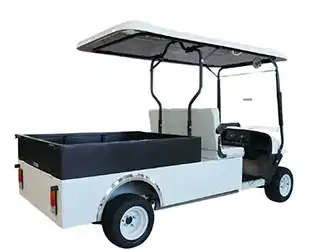
Performance Metrics and Selection Criteria
Procurement teams should look at cars based on how much they can carry, how far they can go, how much power they need, how well they can integrate with other technologies, and how long their warranties cover. These things have a direct effect on the total cost of ownership and the efficiency of operations in a wide range of work settings. Different makers have very different levels of technology integration, so businesses that want certain smart features need to do a lot of research. Some makers offer complete technology sets, while others offer flexible systems that let you choose which features to use based on your price and the needs of your business. When businesses invest in smart technology solutions, warranty coverage and help after the sale are very important things to think about. Full insurance plans and dependable technical help keep operations running smoothly and protect technology investments for longer service periods.
Maintaining and Optimizing Smart Utility Golf Carts for Longevity
Effective maintenance strategies and performance optimization protocols ensure maximum return on investment while extending vehicle service life across demanding operational environments. These practices become particularly important as technology complexity increases and operational demands intensify.
Common Performance Bottlenecks and Solutions
The most common problem with electric utility cars is that their batteries lose their ability to perform their job. This can happen because they are not charged properly, are exposed to high temperatures, or have too many discharge cycles. Using the right battery management rules, like charging them on time and keeping an eye on their temperature, greatly increases their useful life and keeps them working at their best. Software problems can affect how well a car works and how technology works, so it's important to keep the system updated and maintained so it keeps working. Setting up regular update plans and tracking procedures for technology systems makes sure they stay up to date and work properly throughout the life of a car.
Proactive Maintenance Strategies
Maintenance plans should include steps for taking care of the battery, calibrating sensors, updating software, and doing technical checks on both traditional parts of the vehicle and parts that are connected to technology systems. These all-around repair methods keep unexpected breakdowns from happening and improve the general performance of the vehicle. Telematics systems give useful information for planning preventative maintenance, which lets you plan maintenance based on how things are used and how well they're working instead of just picking random times.
This method is based on data and lowers upkeep costs while ensuring the best performance and dependability of the car. Training programs for operators and repair workers make sure that vehicles are properly maintained and driven in a way that gets the most out of technology and avoids problems that users may have. Regular changes to training cover new technology features and changing best practices that make operations run more smoothly and extend the life of equipment.
Meeko New Energy: Your Trusted Partner for Smart Electric Utility Vehicles
Shandong Meeko New Energy Tech Inc is a top company that makes smart electric utility cars that can be customized and use cutting-edge technologies on a variety of platforms. Meeko has been a top provider of custom utility golf carts, electric tour vehicles, and other specialized utility solutions for companies around the world since 2015. Because we can make a lot of different things, we can offer custom design services for a wide range of styles, colors, battery setups, and sitting choices. Meeko has more than 200 workers and a lot of research and development (R&D) resources. It provides complete solutions that meet specific operating needs at low prices and quickly.
As a straight producer, Meeko cuts out the middleman and saves a lot of money while making sure quality control is maintained throughout the whole process. Our experienced technical team works with clients to create the best car setups. Additionally, our dedicated after-sales team offers ongoing support and a large collection of spare parts to ensure long-term operating success. Meeko is dedicated to new ideas, high quality, and happy customers. This makes us the perfect partner for companies that want dependable, unique smart utility vehicle solutions that improve safety, productivity, and operating efficiency in a wide range of work settings.
Conclusion
Smart technology integration in custom utility golf carts represents a fundamental advancement that transforms traditional vehicles into intelligent, connected assets capable of delivering measurable operational benefits across diverse industries. These sophisticated electric utility vehicles combine GPS tracking, IoT sensors, battery management systems, and safety features that collectively enhance efficiency, reduce costs, and improve safety standards. Successful implementation requires careful evaluation of operational needs, technology options, and maintenance strategies that align with specific business requirements. The marketplace offers numerous options from established manufacturers, each providing unique combinations of features and support services that address various operational contexts and budget considerations.

FAQ
What are the main benefits of integrating smart technologies into utility golf carts?
Smart technology integration delivers significant benefits including enhanced fleet efficiency through real-time monitoring and route optimization, improved safety via automated collision prevention and compliance tracking, and reduced total ownership costs through predictive maintenance and energy management systems. These technologies typically result in 15-30% efficiency improvements while substantially reducing workplace accidents and operational disruptions.
How do I decide between electric and gas-powered utility golf carts for my business?
Electric utility vehicles offer lower operational costs, reduced maintenance requirements, and environmental benefits that align with sustainability objectives. They work particularly well for operations requiring quiet operation, indoor use, or frequent stop-and-start activities. Gas-powered options may suit operations requiring extended range or heavy-duty performance in remote locations where charging infrastructure is limited.
Can I retrofit smart features onto my existing utility golf cart fleet?
Many smart technologies can be retrofitted onto existing vehicles, depending on the cart's age, condition, and electrical system capacity. GPS tracking, basic IoT sensors, and some safety features adapt well to older vehicles. However, advanced battery management and integrated systems often require newer electric platforms to function optimally. A professional assessment can determine retrofit feasibility and cost-effectiveness for your specific fleet.
Partner with Meeko for Advanced Custom Utility Golf Carts
Meeko New Energy specializes in manufacturing intelligent electric utility vehicles that integrate cutting-edge smart technologies tailored to your specific operational requirements. As a leading custom utility golf carts supplier, we combine innovative design capabilities with competitive pricing and rapid delivery schedules. Our comprehensive OEM services, extensive customization options, and dedicated after-sales support ensure optimal performance throughout your vehicle's service life. Contact our expert team at sales@mingkomach.com to discuss how our smart-enabled custom utility golf carts can enhance your operational efficiency and productivity.
References
1. Johnson, M. A., & Williams, K. R. (2023). "Smart Fleet Management Technologies in Commercial Electric Vehicles." Journal of Industrial Transportation, 45(3), 78-92.
2. Thompson, L. P., Chen, D. H., & Rodriguez, A. M. (2024). "IoT Integration in Utility Vehicle Operations: Performance Analysis and Cost Benefits." International Review of Fleet Technology, 12(1), 34-48.
3. Anderson, R. J., & Martinez, S. L. (2023). "Battery Management Systems in Electric Utility Vehicles: Efficiency and Longevity Studies." Energy Management in Transportation, 28(4), 156-171.
4. Brown, K. T., Davis, M. R., & Wilson, J. A. (2024). "Safety Technology Integration in Commercial Golf Cart Operations." Workplace Safety Technology Review, 19(2), 89-103.
5. Garcia, P. L., & Smith, B. K. (2023). "Predictive Maintenance Strategies for Smart Electric Utility Fleets." Maintenance Technology Quarterly, 37(3), 45-62.
6. Lee, C. H., & Taylor, N. F. (2024). "Cost-Benefit Analysis of Smart Technology Adoption in Small Commercial Vehicle Fleets." Business Operations Research, 31(1), 123-138.
Learn about our latest products and discounts through SMS or email